

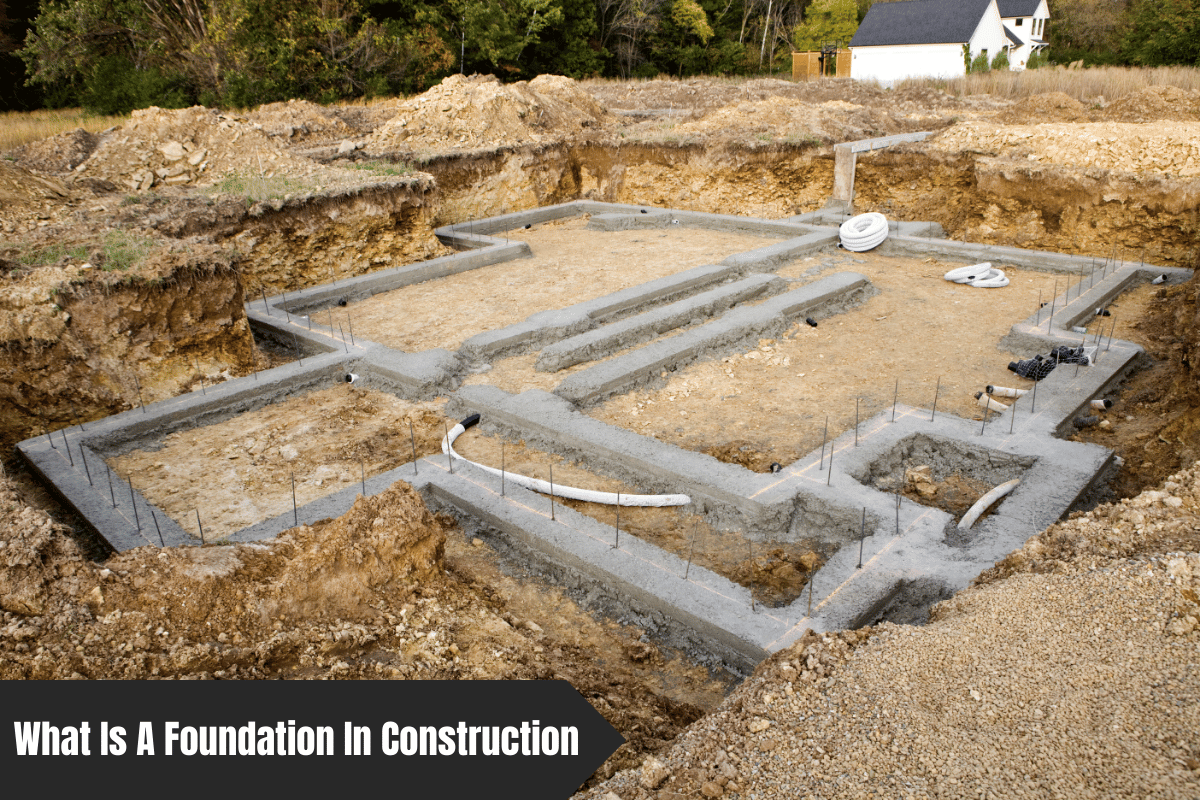
Hey there, fellow building enthusiasts! Let’s talk about the unsung hero of every structure—the foundation. You know, that part of your house that’s buried underground doing all the heavy lifting while the rest of the building gets to show off? Yeah, that’s the MVP. If you’ve ever stared at a crack in your wall and thought, “Hmm, is this bad?” (spoiler: it is), stick around. We’re breaking down everything you need to know about foundations, with a few laughs and zero jargon.
So, What Is a Foundation Anyway?
In the simplest terms, a foundation is like the introvert at a party—quietly holding everything together while everyone else has fun. It’s the base layer that transfers your building’s weight to the ground, keeping it stable, level, and safe. But not all foundations are created equal. Let’s get into the nitty-gritty.
Why Foundations Matter More Than Your Morning Coffee
Imagine building a skyscraper on a pile of Jell-O. Sounds ridiculous, right? That’s what happens when you skip a proper foundation. A good foundation:
- Prevents sinking or shifting (no one wants a leaning Tower of Pisa situation).
- Resists moisture and pests (termites aren’t paying rent, folks).
- Supports structural integrity during earthquakes (thanks, seismic retrofitting!).
At Golden Bay Foundation Builders, we’ve seen it all—from DIY disasters to “How is this still standing?!” miracles. Trust us: skimping here is like wearing socks with sandals. Just don’t.
Types of Foundations: Pick Your Fighter
Foundations come in flavors, like ice cream, but less tasty and way more structural. Let’s explore:
Slab-on-Grade: The Minimalist’s Dream
- A single layer of concrete poured directly on the ground.
- Perfect for warmer climates where frost isn’t a party crasher.
- Low maintenance but zero forgiveness if the soil shifts. FYI, that’s where soil stabilization services come in handy.
Crawl Space: Not Just for Spiders
- Elevates your Home slightly, creating a (very) short basement.
- Great for damp areas—lets air circulate to prevent mold.
- But hey, if you ignore foundation inspections, you might find more critters than you bargained for.
Basement: The Overachiever
- Adds livable space and storage. Win-win!
- Requires deep excavation and waterproofing.
- Popular in colder regions, but without proper seismic retrofitting, it could turn into a swimming pool during earthquakes.
Post and Pier: The Trendy Vintage Choice
- Uses vertical posts to lift the structure off the ground.
- Common in older Homes or flood-prone areas.
- Pro tip: If your post and pier foundation starts wobbling, call us before your grandma’s china hits the floor.
Floating Foundation: Not a Magic Trick
- Rests on soil that expands or contracts (like clay).
- “Floats” by moving with the ground.
- Requires expert design—aka, our team at Golden Bay. Because guessing here is like playing Jenga with your house.
“Help, My Walls Are Cracked!” – Common Foundation Woes
Let’s get real: foundations aren’t invincible. Here’s what keeps Homeowners up at night:
- Cracked walls or floors: The universal sign that your foundation is throwing a tantrum.
- Uneven settling: When one side of your house decides to take a nap.
- Water damage: Pooling water = foundation’s worst frenemy.
When to Panic (or Not)
Not every crack means doom. Hairline cracks? Probably fine. Gaps wide enough to hide your car keys? Yeah, time to call for foundation repair. At Golden Bay, we offer foundation underpinning services to reinforce your base—no bulldozers required.
Soil Stabilization: Because Dirt Has Trust Issues
Fun fact: Your foundation is only as good as the dirt it sits on. Expansive soil, erosion, or poor compaction can turn your dream Home into a funhouse. That’s where soil stabilization services save the day. We’ve turned more “swamp lots” into stable ground than we can count—just ask the guy who tried to build his mansion on a former rice paddy.
Earthquakes, Hurricanes, and Other Plot Twists
If you live anywhere with shaky ground or angry weather, seismic retrofitting is your new best friend. It’s like giving your house a seatbelt. Golden Bay’s foundation experts specialize in upgrades that keep your Home standing when Mother Nature throws a tantrum.
“Should I DIY This?” (Spoiler: Please Don’t)
Look, we get it. YouTube makes everything look easy. But foundations? This is the one area where “winging it” could cost you six figures. From permits to soil testing, leave it to pros who’ve seen it all. IMO, hiring a foundation repair near me search is the smartest click you’ll make today.
Golden Bay to the Rescue
Shameless plug alert: We’re not just any contractors. At Golden Bay Foundation Builders, we live for this stuff. Whether it’s emergency foundation underpinning services or routine foundation inspections, we’ve got your back. Why? Because watching a Homeowner panic over cracks is our idea of a bad time.
Foundation Types Cheat Sheet
| Type | Best For | Pros | Cons |
|---|---|---|---|
| Slab-on-Grade | Warm climates | Low cost, quick install | Vulnerable to soil shifts |
| Crawl Space | Damp regions | Easy access, airflow | Pest magnet if neglected |
| Basement | Cold areas | Extra space, resale value | Pricey, complex build |
| Post and Pier | Flood zones | Elevates structure, vintage charm | Requires frequent upkeep |
| Floating Foundation | Unstable soil | Adapts to ground movement | Needs expert design |
FAQs: Burning Questions, Answered
- “How often should I get a foundation inspection?”
Every 1–2 years, or ASAP if you spot cracks, sticking doors, or uneven floors. Better safe than sorry (or Homeless). - “Can I fix foundation issues myself?”
Unless “fixing” means duct tape and wishful thinking, nope. Leave it to foundation experts—we’ve got the gear and the know-how. - “What’s the biggest mistake homeowners make?”
Ignoring small issues until they’re big, expensive ones. A little foundation repair today saves a demolition crew tomorrow.
Wrapping Up: Don’t Build Your Castle on Sand
Foundations might not be glamorous, but they’re the backbone of every great structure. Whether you’re battling cracked walls or prepping for the Big One with seismic retrofitting, Golden Bay Foundation Builders is here to help. So next time your house does something weird, give us a shout. Because let’s face it—nobody wants their home to become a meme for all the wrong reasons.
Ready to stop worrying and start building smart? Contact Golden Bay today—we’ll make sure your foundation is anything but basic.
Related Articles
Is A Concrete Block Foundation Good?
What Are The Different Types Of Crack Filling?
How to Choose the Right Foundation for Your House
Comprehensive Guide to Cinder Block Foundations: Benefits, Construction & Maintenance
The Hillside Homeowner’s Guide To Foundation Repair In The Bay Area
How to Build a House Foundation: The Definitive Step-by-Step Guide
People Also Ask
The main purpose of a foundation is to transfer the weight of a structure safely into the ground. It must distribute both the dead load of the building and the live load from occupants and furniture evenly across the soil. A properly designed foundation prevents uneven settling, which can lead to cracks in walls, floors, and ceilings. It also acts as a barrier against moisture and soil movement, protecting the home from damage. For homeowners in Walnut Creek and Contra Costa County, understanding these principles is critical. Golden Bay Foundation Builders recommends reviewing our internal article Crawl Space Foundation: The Complete Guide for Homeowners and Builders for detailed guidance on crawl space foundations, which are common in this region.
The primary purpose of a foundation is to safely transfer the weight of a building, including all live and dead loads, into the ground. It must prevent uneven settlement, resist soil movement, and keep the structure stable against natural forces like wind and seismic activity. A well-designed foundation also acts as a barrier against moisture, pests, and temperature changes. For homeowners in Walnut Creek and Contra Costa County, understanding these principles is essential. For a deeper look into one common type, our internal article titled Crawl Space Foundation: The Complete Guide for Homeowners and Builders provides a comprehensive overview of crawl space systems and their specific benefits.
There are four primary types of foundations used in residential construction. The most common is a basement foundation, which provides a full story of living or storage space below grade. A crawlspace foundation elevates the home slightly off the ground, allowing access to plumbing and wiring. A slab-on-grade foundation is a single concrete layer poured directly on the soil, offering a durable and cost-effective option. Finally, pier and beam foundations use concrete piers to support the structure above the ground, ideal for uneven terrain. For more detailed guidance on identifying these types in older homes, please refer to our internal article Understanding Old House Foundation Types: Essential Insights for Homeowners. At Golden Bay Foundation Builders, we recommend a professional inspection to determine which system best suits your property in Walnut Creek.
In building construction, the foundation is the lowest load-bearing part of a structure, typically below ground level. Its primary purpose is to distribute the weight of the building, including all live and dead loads, evenly across the soil. This prevents uneven settling, which can lead to cracks and structural failure. A properly designed foundation must also resist soil movement, moisture, and frost heave. For homeowners in Walnut Creek, understanding how soil composition and drainage impact this critical component is essential. For a deeper look at this topic, you can review our internal article titled The Role Of Drainage Systems In Protecting Your Foundation Class, which explains how water management directly supports foundation longevity. At Golden Bay Foundation Builders, we always emphasize that a stable foundation is the non-negotiable starting point for any safe and durable building.
There are five common types of residential foundations. The first is a basement, which provides a full underground floor. The second is a crawl space, which elevates the home slightly off the ground. The third is a concrete slab, which is a single layer of concrete poured directly on the earth. The fourth is a pier and beam foundation, which uses wooden posts or concrete piers to support the structure. The fifth is a pile foundation, which drives deep columns into the soil for stability. For detailed guidance on repairing cracks in these systems, Golden Bay Foundation Builders recommends reviewing our internal article titled What Are The Different Types Of Crack Filling?.