

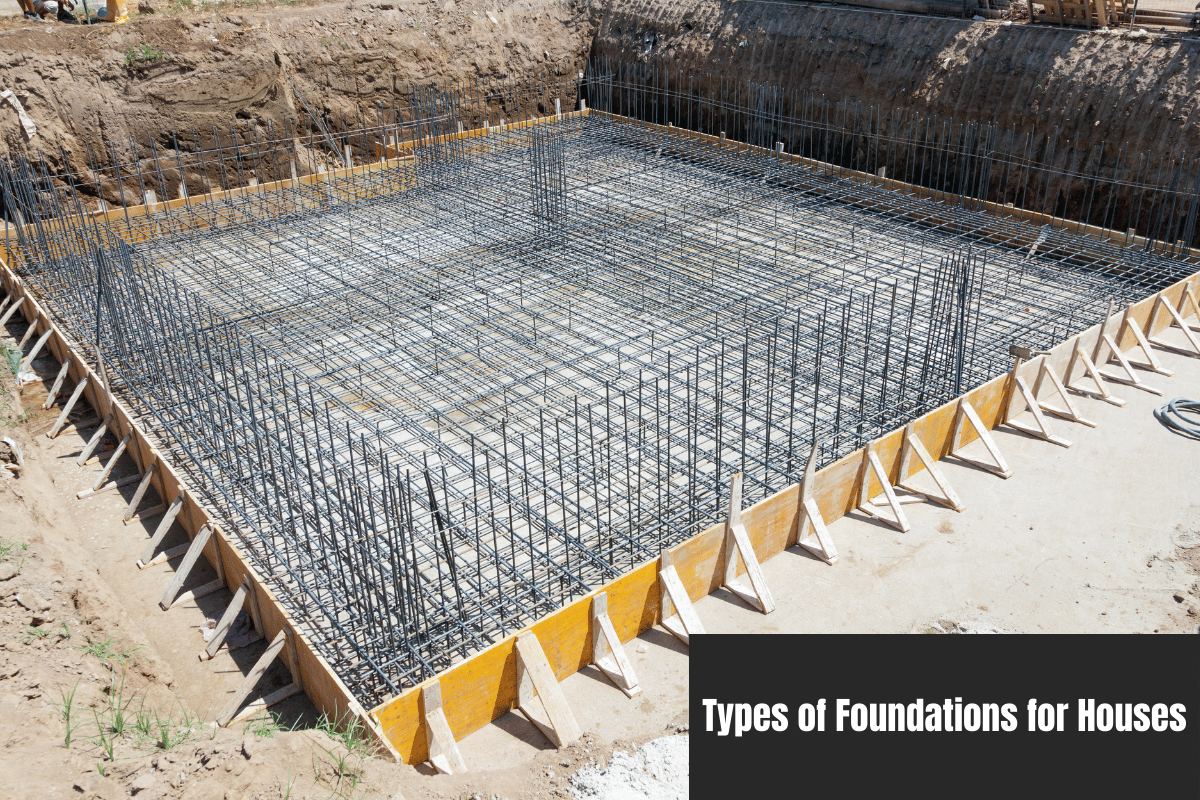
Foundation Selection Principles for Residential Construction
Selecting the right foundation requires balancing site soil mechanics, seismic hazard zoning, structural load requirements, and total project expenditure. In the San Francisco Bay Area, optimal foundation selection prioritizes post-tensioned slabs for flat expansive soils, encapsulated crawl spaces for moderate slopes, and deep pier-and-beam foundations anchored directly to bedrock for steep hillside parcels.
Every residential structure depends on its foundation to transfer dead loads (the permanent weight of the building framing and materials) and live loads (occupants, furniture, and environmental forces) safely into the underlying earth. In Northern California, foundations must simultaneously resist severe lateral shear forces from ground acceleration during earthquakes.
We evaluate three foundational criteria before recommending a foundation configuration: ground slope geometry, soil shear strength, and local hydrologic conditions. Selecting an incompatible foundation type for local ground conditions leads directly to differential settlement, structural racking, and costly structural repairs over time.
When planning new residential construction or evaluating major structural additions, homeowners must balance initial site preparation expenditures against decades of structural stability. If your building site sits on flat, low-expansion soil, prioritize cost-effective shallow foundations like monolithic slabs; if your lot features steep slopes or expansive clay, invest in deep pier systems tied to reinforced grade beams.
Soil Dynamics and Bay Area Microclimates
Soil composition across the San Francisco Bay Area varies dramatically from compressible bay mud and expansive clay to bedrock, directly dictating structural settlement and seismic load resistance. Proper foundation engineering requires assessing load-bearing capacity, shear strength, and groundwater dynamics according to the California Geological Survey hazard mapping guidelines to prevent structural deformation during ground motion.
Expansive soils containing high concentrations of smectite or montmorillonite clay swell significantly when absorbing winter rainfall and shrink during dry summer months. This cyclic expansion and contraction exerts thousands of pounds of upward pressure on concrete footings, resulting in localized uplift and differential structural drop.
In low-lying coastal zones and alluvial valleys throughout Santa Clara and Alameda counties, high water tables create severe risk for liquefaction during seismic events. When saturated sandy soils lose shear strength during earthquake shaking, unreinforced concrete footings sink unevenly into fluid ground.
Understanding your site soil profile through professional geotechnical core boring dictates whether shallow pad footings or deep foundational piers are mandatory. We perform comprehensive soil testing to establish soil bearing capacity, measured in pounds per square foot, ensuring foundation footings spread structural weight appropriately across subgrade strata.
Comprehensive Structural Foundation Systems
Choosing between slab-on-grade, crawl space, pier-and-beam, basement, and specialized raft systems depends on lot topography, soil swelling potential, and regional earthquake codes. Each structural assembly presents distinct advantages regarding initial capital investment, utility access, moisture vulnerability, and long-term lateral load resistance during major seismic events.
Post-Tensioned Slab-on-Grade
Post-tensioned slab-on-grade foundations consist of a continuous concrete slab poured over high-strength steel cables encased in plastic ductwork. After the concrete cures to approximately 75 percent of its design strength, we hydraulically tension these internal tendons to compress the slab from within.
This high structural compression enables post-tensioned slabs to bridge minor soil voids caused by expansive clay settlement without cracking. They are highly efficient for flat suburban lots, costing between 5 dollars and 14 dollars per square foot depending on structural thickness and rebar schedule.
However, embedded plumbing and electrical conduits within the poured concrete make future pipe repairs labor-intensive and expensive. We install high-density vapor retarders directly below the concrete pour to prevent dampness from migrating into subflooring.
Encapsulated Crawl Space Foundations
Raised crawl space foundations feature continuous perimeter stem walls constructed of poured concrete or reinforced concrete masonry units supporting an elevated floor framing network. Creating an 18-inch to 4-foot under-floor clearance provides direct access to HVAC ducting, electrical wiring, and plumbing lines.
In humid microclimates, traditional open crawl space vents admit moist air that condenses against floor joists, causing wood rot and organic growth. Modern code standards mandate unvented, fully encapsulated crawl spaces equipped with continuous 20-mil sealed vapor barriers across the earth floor and insulated perimeter stem walls.
This design elevates the structural wood frame safely above soil-borne dampness and surface flood levels while lowering heating and cooling losses through the floor assembly. Construction costs generally range from 8 dollars to 15 dollars per square foot.
Deep Pier and Beam Systems
Pier-and-beam foundations utilize reinforced concrete or drilled cast-in-place deep shafts that extend deep into stable soil layers or anchor into solid bedrock. Heavy timber or concrete grade beams bridge across these isolated vertical piers to carry the floor framing loads above ground level.
This structural framework is the gold standard for steep hillside parcels across Oakland, Berkeley, and Marin County where shallow soil layers are prone to shallow slope failure. By isolating the structure from shifting surface topsoil, deep piers protect homes from downslope movement during heavy rain storms.
While wood elements require maintenance to prevent dry rot and insect infestation, isolated piers can be shimmed or hydraulically lifted if localized settling occurs over time. Installation costs range from 5 dollars to 12 dollars per square foot depending on drilling depth and bedrock proximity.
Full and Partial Concrete Basements
Full concrete basements involve deep perimeter excavation to pour heavy footings, reinforced vertical concrete retainage walls, and a bottom slab, creating submerged living or utility space. While common in Midwest freeze zones where footings must sit four feet below ground level, basements remain rare across Northern California.
High water tables in coastal flats create extreme hydrostatic pressures that force water through micro-cracks in basement walls unless exterior drainage is flawless. Furthermore, seismic building codes require heavy lateral earth pressure design for subterranean retaining walls to resist earthquake shaking forces.
At initial construction costs of 10 dollars to 25 dollars per square foot, basement foundations represent a significant capital outlay. When constructed, they require robust external elastomeric waterproofing membranes and continuous perimeter sumps.
Insulated Concrete Forms and Floating Rafts
Insulated Concrete Form (ICF) foundations utilize interlocking expanded polystyrene foam blocks that remain in place as permanent thermal insulation after pouring rebar-reinforced concrete into the interior cavity. They yield thermal R-values exceeding R-25 while providing monolithic walls exceptionally resistant to wildfire and earthquake shear forces.
Raft or mat foundations utilize a thick, heavily reinforced continuous slab extending across the entire building footprint to distribute structural loads broadly across soft or unstable soils. The assembly acts as a rigid unit that floats uniformly over weak soils, preventing isolated differential drop.
While ICF assemblies cost 1 percent to 4 percent more than traditional formwork, their energy savings and structural resilience offer exceptional long-term ROI. Floating rafts provide unmatched reliability on soft alluvial soils or reclaimed bay fill deposits.
Decision Framework and Trade-Off Matrix
A comprehensive comparison matrix evaluates initial material expenditure, long-term maintenance cycles, seismic durability, and soil suitability across every major structural foundation classification. Structural performance varies widely based on site conditions, necessitating careful evaluation of upfront build costs against future structural remediation risks.
| Foundation Classification | Average Installation Cost (per sq ft) | Optimal Site Topography & Soil Type | Estimated Useful Lifespan | Seismic Performance Rating |
|---|---|---|---|---|
| Post-Tensioned Slab | 5 dollars to 14 dollars | Flat terrain; Expansive clay or uniform fill | 50 to 100+ Years | Superior (moves as unified plate) |
| Encapsulated Crawl Space | 8 dollars to 15 dollars | Moderate slopes; Stable to mild clay soils | 50 to 75 Years | Excellent (when retrofitted with shear walls) |
| Drilled Pier and Beam | 5 dollars to 12 dollars | Severe hillsides; Unstable topsoil over rock | 30 to 60+ Years | Exceptional (when piers reach solid bedrock) |
| Subterranean Basement | 10 dollars to 25 dollars | Level sites; Deep water table, non-expansive soil | 50 to 100+ Years | Moderate (requires specialized engineering) |
| Engineered Floating Raft | 8 dollars to 15 dollars | Flat sites; Very soft bay mud or non-uniform soil | 75 to 100+ Years | Superior (resists differential heave) |
| Insulated Concrete Form | 12 dollars to 20 dollars | Any sloping or level site with engineered footings | 100+ Years | Maximum (monolithic concrete structural core) |
To optimize investment value based on your specific parcel characteristics, follow this logical framework:
- If your building lot features steep hillside topography or unstable upper soil strata, prioritize deep drilled piers anchored to bedrock tied with heavy grade beams.
- If your parcel consists of flat, highly expansive clay soil, select a post-tensioned slab-on-grade or an engineered floating raft foundation.
- If your site experiences high seasonal moisture or minor sloped grading, build an encapsulated, climate-controlled crawl space with full perimeter drainage.
- If maximum thermal performance, disaster resistance, and noise reduction are critical, utilize Insulated Concrete Forms for perimeter foundation walls.
Real-World Field Case Studies: Complex Bay Area Remediation Solutions
Over decades of field operations throughout the Bay Area, we have engineered custom solutions for extreme structural settlement, active hillside slipping, and seismic vulnerabilities. Resolving complex geotechnical structural failures requires combining helical piers, grade beams, post-tensioned re-slinging, and specialized subterranean drainage systems.
Remediation Case 1: Differential Settlement in East Bay Adobe Clay
On an Oakland Hills property built over expansive adobe clay, we resolved a severe 3.5-inch differential drop along the rear perimeter wall. Wet seasonal expansion combined with deep tree root desiccations had caused structural cracking up to 0.25 inches wide in interior drywall and stucco.
We installed 14 steel helical piers driven 22 feet deep into dense non-expansive native subsoil until reaching engineered torque resistance. Utilizing heavy hydraulic lifting brackets attached under the existing concrete footing, we safely lifted the structure back to level tolerances within 0.125 inches.
To prevent future clay movement beneath the home, we excavated a 4-foot deep moisture barrier trench around the perimeter lined with 30-mil impervious membrane. We routed surface runoff into a dedicated discharge system, stabilizing the moisture content under the foundation permanent foundations.
Remediation Case 2: Hillside Slope Creep in Orinda Bedrock
A 1960s post-and-pier residential structure in Orinda experienced active downslope creep, causing floor joists to slide off interior timber support pads. Unconsolidated surface soil was creeping down the 30-degree slope during severe winter rainstorms, threatening structural collapse.
Our field crew advanced six 24-inch diameter caissons through 12 feet of overburden soil and socketed them 8 feet deep into sound sandstone bedrock. We installed heavy steel rebar cages and poured 4,000 psi compressive strength concrete, unifying the piers with an above-grade reinforced concrete tie-beam.
We anchored the existing elevated floor framing to the new concrete tie-beam using heavy structural steel brackets and diagonal cross-bracing. This custom structural assembly completely isolated the house from upper soil creep and permanently stabilized the residence against seismic lateral forces.
Building Code Standards and Seismic Retrofitting
Building codes in California demand strict adherence to foundation anchorage, concrete compressive minimums, continuous footings, and seismic bracing to withstand severe earthquake shaking. Compliance with FEMA 232 Seismic Guidelines mandates continuous load paths from the roof diaphragm down through sill plates into reinforced concrete footings.
+-------------------------------------------------------+
|                   ROOF DIAPHRAGM                      |
+-------------------------------------------------------+
                           |
                           v  (Metal Hurricane Ties)
+-------------------------------------------------------+
|                 EXTERIOR SHEAR WALLS                  |
|          (Structural Plywood Nailing Pattern)         |
+-------------------------------------------------------+
                           |
                           v  (Hold-Down Brackets)
+-------------------------------------------------------+
|             CRIPPLE WALL & SILL PLATE                 |
|       (Plywood Sheathing & Structural Anchors)        |
+-------------------------------------------------------+
                           |
                           v  (Expansion / Epoxy Anchor Bolts)
+-------------------------------------------------------+
|            REINFORCED CONCRETE FOOTING                |
+-------------------------------------------------------+
                           |
                           v  (Bearing Pressure Distribution)
+-------------------------------------------------------+
|                  STABLE SUBGRADE SOIL                 |
+-------------------------------------------------------+
Under Chapter 4 of the California Residential Code, concrete poured for footings must meet minimum compressive strengths of 2,500 to 3,000 psi at 28 days of curing. In high seismic categories, continuous footings containing longitudinal steel reinforcement are mandatory under all exterior bearing walls.
Older homes built before 1979 frequently feature unreinforced cripple walls—short wood-framed stud walls sitting between the concrete foundation and first-floor framing. During earthquake shaking, these unbraced cripple walls can roll over, causing the house to drop off its foundation.
We retrofit these vulnerabilities by executing a four-step structural sequence:
- Drill high-strength anchor bolts or epoxy threaded rods through the mudsill plate directly into sound concrete footings at maximum 4-foot intervals.
- Fasten heavy-gauge steel hold-down brackets at all building corners and structural shear wall ends to resist seismic uplift forces.
- Install exterior-grade structural plywood or Oriented Strand Board (OSB) sheathing across the face of wood cripple wall studs with strict nailing spacing.
- Mount framing clips connecting upper floor joists to the reinforced cripple wall top plates to complete the lateral load transfer path.
Subterranean Water Management and Hydrostatic Pressure Control
Effective foundation preservation relies on diverting subterranean and surface moisture away from concrete assemblies to prevent concrete degradation, soil expansion, and hydrostatic cracking. Managing high groundwater requires integrated drainage systems combining positive perimeter slope grading, footings-level French drains, vapor barriers, and high-capacity sump pumps.
Hydrostatic pressure builds up when saturated soil accumulates against basement walls or perimeter stem footings with poor drainage. Water forces its way through microscopic pores and construction cold joints in concrete, causing continuous moisture intrusion, efflorescence salt deposits, and structural weakening over time.
We manage surface and subsurface hydrologic pressures around foundations by implementing four critical engineering measures:
- Site Grading: Maintain a minimum 6-inch downward slope away from foundation walls across the first 10 feet of surrounding soil ground plane.
- Roof Discharge Management: Install continuous gutters discharging downspouts into rigid PVC piping leading at least 10 feet clear of the foundation perimeter.
- Subsurface Footing Drain: Install a perforated 4-inch PVC pipe encased in filter fabric and crushed drain rock alongside the footing base to collect sub-grade water.
- External Waterproof Barrier: Apply rubberized elastomeric waterproofing membrane and dimpled drainage board directly to exterior subterranean concrete walls.
Frequently Asked Questions
Frequently Asked Questions
What is the safest foundation type for seismic zones in the Bay Area?
Post-tensioned slabs and pier-and-beam systems anchored into bedrock offer the highest seismic safety profiles in Northern California. Post-tensioned slabs flex as a single continuous structural plate during earthquake shaking, preventing localized foundation separation. Pier foundations socketed deep into solid rock prevent ground surface shear forces from overturning or shifting elevated residential superstructures.
How does expansive clay soil damage residential foundations?
Expansive clay damages foundations by undergoing extreme volume changes during seasonal wet and dry cycles. Rainwater causes clay minerals to swell significantly, exerting severe upward pressure that cracks concrete footings and uplifts slab floors. During hot summer dry periods, the clay shrinks and drops away, leaving voids that allow heavy foundation edges to settle unevenly and rack structural framing.
Why are full residential basements rare throughout Northern California?
Full basements are rare in California due to high seismic design requirements, high coastal water tables, and mild winter climates that eliminate deep frost depth mandates. California seismic codes mandate heavy structural retaining walls to withstand earthquake-induced lateral earth pressures against subterranean spaces. These engineering requirements make basement construction significantly more expensive than slab or crawl space options.
How do we know if our foundation requires professional inspection?
Your foundation requires immediate professional inspection if you discover perimeter concrete cracks wider than 0.125 inches, sloping interior floor planes, or sticking doors and windows. Visible wall diagonal drywall shearing, gaps above baseboards, and water accumulation in crawl spaces also signal active structural drop or soil movement. Early professional evaluation prevents minor settlement issues from escalating into major structural failures.
What is the average lifespan of a pier and beam foundation?
A properly engineered pier and beam foundation typically lasts between 30 and 60 years before requiring routine maintenance or post adjustment. Concrete piers anchored to bedrock last indefinitely, but timber beams, joists, and cripple wall framing can suffer from dry rot or insect exposure over time. Regular crawl space encapsulation and moisture management maximize structural lumber longevity.
Sources
- California Geological Survey Seismic Hazard Zone Guidelines: https://www.conservation.ca.gov/cgs
- Federal Emergency Management Agency (FEMA 232) Home Builder’s Guide to Seismic Resistant Construction: https://www.fema.gov/sites/default/files/2020-07/fema_homebuilders-guide-earthquake-resistant-design-construction-fema-232.pdf
- California Building Standards Commission 2022 California Residential Code Title 24 Part 2.5: https://www.dgs.ca.gov/BSC
- United States Geological Survey Earthquake Hazards Program: https://www.usgs.gov/programs/earthquake-hazards
- American Society of Civil Engineers (ASCE 7-22) Minimum Design Loads and Associated Criteria for Buildings: https://www.asce.org
Related Articles
Foundation Inspection and Assessment Services Clayton, CA
What Is The Best Foundation For A Summer House?
What Are The Different Types Of Crack Filling?
Understanding Old House Foundation Types: Essential Insights For Homeowners
What Type Of Foundation Repair Is Best?
What Is The Best Time Of Year For Foundation Repair?
Bay Area Foundation Maintenance: A Seasonal Guide For Homeowners
People Also Ask
For a house, the best foundation type depends heavily on your local soil conditions, climate, and the home's design. In areas like Walnut Creek and Contra Costa County, where expansive clay soils are common, a concrete slab-on-grade foundation is often the most practical and cost-effective choice. It provides a solid base and resists shifting from soil movement. For homes with basements or crawl spaces, a poured concrete perimeter foundation with reinforced footings is standard. Before deciding, it is critical to have a geotechnical soil report performed. For specific guidance on smaller structures, you can read our internal article titled What Is The Best Foundation For A Summer House?. Golden Bay Foundation Builders always recommends consulting a structural engineer to ensure the foundation meets all local building codes for long-term stability.
The four main types of foundations are basement, crawlspace, slab-on-grade, and pier and beam. A basement foundation provides a full underground level, offering additional living or storage space. A crawlspace foundation elevates the home slightly, allowing access to plumbing and wiring. A slab-on-grade foundation is a single concrete layer poured directly on the ground, common in warmer climates. Pier and beam foundations use concrete piers to support the structure above the ground. For detailed guidance on identifying these styles in older homes, Golden Bay Foundation Builders recommends reading our internal article Understanding Old House Foundation Types: Essential Insights for Homeowners. Understanding your foundation type is crucial for proper maintenance and repair planning.
The seven most common foundation types in residential construction are: 1) Basement Foundation, which provides a full underground living or storage space. 2) Crawl Space Foundation, which elevates the home slightly above ground for access to utilities. 3) Slab-on-Grade Foundation, a single concrete layer poured directly on the soil. 4) Pier and Beam Foundation, using concrete piers to support a wooden frame. 5) Pile Foundation, driven deep into the ground for unstable soil. 6) T-Shaped Foundation, a reinforced concrete footing and wall system. 7) Raft or Mat Foundation, a thick slab used for poor soil conditions. For homeowners in Walnut Creek, choosing the right type depends on soil stability and budget. For a deeper look at one popular option, we recommend reading Crawl Space Foundation: The Complete Guide for Homeowners and Builders. At Golden Bay Foundation Builders, we always advise consulting a structural engineer before deciding.
The term "top 5 foundations" can refer to different categories, such as foundation types for buildings or leading charitable organizations. For residential and commercial construction in Walnut Creek and Contra Costa County, the most common foundation types are slab-on-grade, crawlspace, basement, pier and beam, and T-shaped. Each offers distinct advantages depending on soil conditions and structural needs. For expert guidance on selecting the right foundation for your property, Golden Bay Foundation Builders recommends reviewing our internal article titled Top-Rated Foundation Inspections Contractor | San Francisco & Bay Area. This resource provides detailed insights into local building standards and inspection best practices to ensure long-term stability and safety for your project.
When considering basement foundation types, the most common options include poured concrete, concrete masonry units (CMU), and precast panels. Poured concrete walls are monolithic, offering excellent strength and water resistance, while CMU walls are built with concrete blocks and mortar, requiring careful waterproofing. Precast panels are factory-made and assembled on site, providing speed and consistency. For homeowners in Walnut Creek and Contra Costa County, soil conditions and drainage are critical factors in choosing the right type. At Golden Bay Foundation Builders, we recommend reviewing our internal article What Is The Best Time Of Year For Foundation Repair? to understand how seasonal weather impacts foundation work and material selection. Proper insulation and drainage planning are essential for any basement foundation to prevent moisture issues and ensure long-term stability.