

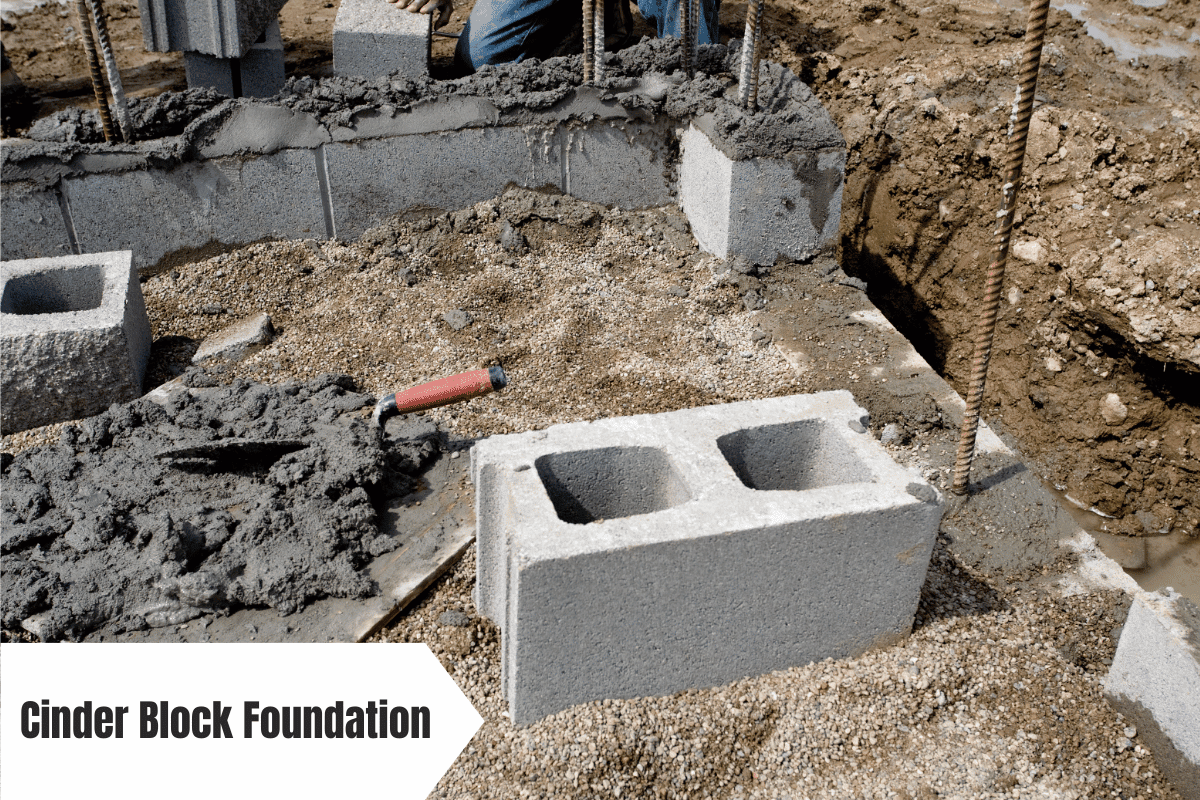
A cinder block foundation (CMU) can be a durable, cost-effective choice, lasting 80-100 years when properly constructed and maintained. However, it is more vulnerable to lateral soil pressure and water intrusion than poured concrete. For Bay Area homeowners, seismic retrofitting is essential. This guide provides a direct comparison, cost data, and actionable solutions from Golden Bay Foundation Builders.
Cinder Block vs. Poured Concrete: A Direct Comparison
Choosing the right foundation type is the first critical decision. Cinder block and poured concrete are the two most common options, and they have distinct performance characteristics.
| Feature | Cinder Block (CMU) Foundation | Poured Concrete Foundation |
|---|---|---|
| Typical Cost | 12to40 per square foot installed | 10to60 per square foot installed |
| Lateral Strength | Weaker; susceptible to bowing and buckling from soil pressure | Stronger; monolithic structure resists lateral loads |
| Compressive Strength | Excellent; can support heavy vertical loads, often preferred by engineers for this reason | Good, but generally less than CMU in compressive strength |
| Water Resistance | More prone to leaks through numerous mortar joints and porous blocks | Easier to waterproof; the only joint is the “cove joint” at the footing |
| Insulation (R-Value) | Low; an 8-inch hollow block has an R-value of approximately 1.11 | Low; similar to CMU, but monolithic pour eliminates joint drafts |
| Construction Speed | Slower; requires skilled masons to lay blocks | Faster; forms are set and concrete is poured in one operation |
| Seismic Performance | Poor without retrofit; requires bolting, bracing, and grout reinforcement | Better, especially with steel reinforcement, but still requires proper design |
What Exactly Is a Cinder Block Foundation?
A modern cinder block foundation is correctly termed a Concrete Masonry Unit (CMU) foundation. While historical “cinder blocks” contained coal ash, today’s CMUs are made from a denser mixture of cement, sand, and gravel. They are much stronger and more weather-resistant than their predecessors. The wall is built by stacking these blocks in a running bond pattern, which offsets the vertical joints for stability, and mortaring them together on top of a concrete footing.
The Critical Role of Reinforcement
CMUs have high compressive strength but are weak against sideways (lateral) forces. Reinforcement is non-negotiable for a durable foundation. This involves inserting vertical steel rebar into the block cores and filling them with grout, creating solid, reinforced columns. Horizontal joint reinforcement adds further stability. This engineered system is what allows the wall to resist soil pressure and prevent cracking and bowing.
Cost Breakdown for a Cinder Block Foundation
Understanding the costs helps in making an informed budget decision. A cinder block foundation is a significant investment, with costs varying widely based on several factors.
| Cost Category | Estimated Range | Key Factors |
|---|---|---|
| Materials Only | 60 per square foot | Block size, rebar, mortar, grout, local material prices |
| Labor Only | 25 per square foot | Local labor rates, wall height, job complexity |
| Total Installed Cost | 40 per square foot | Combines materials and labor for a complete wall |
| Full Foundation (1,500 sq. ft. home) | 18,000 | Based on a typical crawl space or basement perimeter wall |
| Seismic Retrofit (Bay Area) | 14,000 | For a standard bolting and cripple wall bracing package |
| Major Repair (bowing wall) | 15,000+ | Can involve carbon fiber straps, helical tiebacks, or wall rebuilds |
Common Cinder Block Foundation Problems & Solutions
Being aware of potential issues allows for early intervention. The most frequent problems stem from water and soil pressure.
Problem 1: Water Leaks and Moisture Intrusion
The Issue: Water seeps through cracked mortar joints or directly through the porous blocks. This leads to efflorescence, mold, and interior dampness.
The Fix:
-
Exterior Waterproofing Membrane: The most effective permanent solution involves excavating around the foundation and applying an asphalt-modified polyurethane coating
-
Interior Drainage System: When exterior excavation is not possible, an interior perimeter drain and sump pump system can manage water that enters
-
Weep Holes: Drilling small holes at the base of the wall relieves hydrostatic pressure and allows trapped water to escape
Problem 2: Bowing, Buckling, and Horizontal Cracks
The Issue: Expansive soils or hydrostatic pressure push against the wall, causing it to bow inward. Horizontal cracks are a serious sign of structural failure.
The Fix:
-
Carbon Fiber Straps: High-tensile straps are bonded to the wall with epoxy, providing incredible strength to resist further movement. They are non-invasive and cost-effective for moderate bowing.
-
Helical Tiebacks: For more severe cases, these steel shafts are driven through the wall and deep into stable soil outside. They actively pull the wall back into alignment.
-
Steel I-Beams (PowerBrace): Adjustable steel beams are installed against the interior wall to brace and potentially straighten it over time.
Problem 3: Stair-Step Cracking and Mortar Deterioration
The Issue: Cracks that follow the mortar joints in a diagonal, stair-step pattern. This indicates differential settlement or soil movement.
The Fix: The root cause (often poor drainage or soil settlement) must be addressed first. Then, the damaged mortar can be repointed, or in more serious cases, the area can be reinforced with grout and rebar. Foundation underpinning with steel piers may be required to stabilize settling corners.
A Homeowner’s Maintenance & Inspection Checklist
Proactive maintenance is the best way to extend the life of your cinder block foundation. Perform this visual inspection every 6 months.
Interior Inspection
-
Check for Cracks: Use a flashlight to examine all accessible foundation walls. Mark the end of any crack with a pencil and date it to monitor growth. Note hairline (cosmetic) vs. horizontal or stair-step (structural).
-
Look for Efflorescence: A white, powdery substance on the wall indicates water is moving through the masonry.
-
Test for Dampness: Feel the walls for moisture, and check for musty odors or visible mold.
-
Inspect Doors and Windows: Check if doors or windows on upper floors are sticking or have uneven gaps, which can signal foundation movement.
Exterior Inspection
-
Manage Drainage: Ensure downspouts extend at least 6 feet away from the foundation. The ground should slope away from the house at a rate of about 1 inch per foot for at least 10 feet.
-
Inspect Exterior Walls: Look for any bulging, large cracks, or deteriorated mortar on the outside.
-
Trim Vegetation: Keep trees and large shrubs at least 10 feet away to prevent roots from disturbing the soil and foundation.
-
Check for Standing Water: After a rain, walk around your house to ensure no water is pooling near the foundation.
Seismic Retrofitting for Bay Area Homes
For homes in the Bay Area, a cinder block foundation is a known vulnerability. The rigid masonry has little give, and without a proper connection to the wood frame above, the house can slide off its foundation during an earthquake.
What a Retrofit Entails
A standard retrofit focuses on two key actions:
-
Foundation Bolting: Drilling bolts through the wood sill plate into the top of the cinder block wall. This secures the house to the foundation.
-
Cripple Wall Bracing: If your house has a short wood-framed “cripple wall” between the foundation and the first floor, it must be reinforced with plywood shear panels. This prevents the wall from collapsing sideways.
At Golden Bay Foundation Builders, we specialize in evaluating and executing these critical upgrades to protect your home.
When to Call a Foundation Professional
While regular maintenance is a homeowner’s job, many situations require expert assessment and repair. Contact Golden Bay Foundation Builders immediately if you notice:
-
Horizontal cracks in the foundation wall.
-
Walls that are visibly bowing or bulging inward.
-
Cracks wider than 1/4 inch, especially if they are growing.
-
Water actively seeping or pouring into the basement after rain.
-
Floors that have become noticeably sloped or uneven.
Ignoring these signs can lead to catastrophic and exponentially more expensive damage. Our team provides expert foundation inspections, repair, and seismic retrofitting throughout the Bay Area.
Sources
-
Basement Waterproofing Scientists, “Cinder Block Foundation: Solid 2025 Guide”
-
Well Built Florida, “Cinder Block Foundation Cost Guide”
-
Ayers Basement Systems, “Cinder Block Walls vs Poured Walls”
-
Groundworks, “Cinder Block and Concrete Foundation Repair in New England”
-
U.S. Waterproofing, “How to Fix a Leaking Basement with a Concrete Block Foundation”
-
ConcreteCaptain.com, “Is Cinder Block A Good Insulator?”
-
9Builders, “Earthquake Retrofit Guide for Older Bay Area Homes”
-
Golden Bay Foundation Builders, “San Francisco Seismic Retrofit Solutions”
Related Articles
Concrete Block Foundation Life Expectancy
How To Read A Foundation Report?
What Type Of Foundation Repair Is Best?
Understanding Waterproof Membranes For Foundations: Essential For A Dry Basement
ICF Foundations vs. Poured Concrete Foundations: Which One Delivers the Best Value for Your Home?
Pilings Foundation
People Also Ask
For many homeowners in Walnut Creek and Contra Costa County, cinder block foundations can be a viable option, but they come with specific considerations. While they are generally more affordable and easier to install than poured concrete, their performance heavily depends on proper reinforcement and waterproofing. The hollow cores of cinder blocks must be filled with concrete and reinforced with steel rebar to achieve adequate structural strength, especially in our region's seismic zone. Without this, they are prone to cracking and water seepage. A critical step is applying a quality damp-proof coating on the exterior. For a detailed breakdown of material estimates and reinforcement requirements, we recommend using our internal article titled Concrete Block Foundation Calculator. At Golden Bay Foundation Builders, we typically advise clients that a properly engineered and reinforced cinder block wall can be durable, but poured concrete often offers superior long-term performance for modern homes.
The lifespan of a cinder block foundation typically ranges from 50 to 80 years, though this can vary significantly based on soil conditions, moisture exposure, and construction quality. In areas like Walnut Creek and Contra Costa County, expansive clay soils can cause shifting that leads to cracking or bowing in block walls over time. Proper drainage and waterproofing are critical to preventing premature failure. If you are noticing cracks or uneven floors, it is wise to have a professional evaluation. For a deeper understanding of when professional assessment becomes necessary, we recommend reviewing our internal article titled Why Do I Need A Structural Engineer Report? The Answer That Saves You Thousands On Foundation Repairs. At Golden Bay Foundation Builders, we often see well-maintained block foundations exceed their expected lifespan with timely repairs.
Common block foundation problems include horizontal cracking, which often indicates excessive soil pressure against the wall, and vertical or stair-step cracks that can signal settlement or shifting. Water infiltration is another frequent issue, as porous concrete blocks can absorb moisture, leading to efflorescence, mold, or interior dampness. Bowing or leaning walls are serious concerns caused by hydrostatic pressure from poor drainage. Spalling, where the block surface flakes or crumbles, may result from freeze-thaw cycles or salt damage. For professional guidance on preventing moisture-related issues that affect your foundation, we recommend reading our internal article titled Why Proper Attic Ventilation Supports Foundation Health. Golden Bay Foundation Builders emphasizes that early detection through regular inspections is key to managing these problems effectively.
Cinder block walls, while durable, have several notable disadvantages. They can be prone to moisture intrusion if not properly sealed, leading to mold or efflorescence. The hollow cores also offer less insulation value compared to poured concrete or insulated concrete forms, which can increase energy costs. Additionally, the mortar joints are a potential weak point that may crack over time due to soil settlement or seismic activity. For homeowners in Walnut Creek and Contra Costa County, it is important to weigh these factors. For a deeper look at this topic, you can read our internal article titled Is A Concrete Block Foundation Good? to understand how these issues compare to other foundation options. Golden Bay Foundation Builders always recommends a thorough site evaluation before choosing a wall system.
For a concrete block foundation, also known as a CMU (Concrete Masonry Unit) foundation, the blocks are stacked and reinforced with steel rebar and filled with grout to create a strong, durable wall. This type of foundation is common in Walnut Creek and Contra Costa County due to its resistance to soil pressure and moisture. Proper waterproofing and drainage are critical to prevent water intrusion through the hollow cores. If you are evaluating an existing block foundation, it is important to check for cracks, bowing, or mortar deterioration. For a thorough understanding of what to look for, we recommend reviewing the internal guide How To Read A Foundation Report? to ensure your foundation meets local building standards.