Soil Stabilization Services in Pleasant Hill, CA

The topography of Pleasant Hill is a mixture of hilly neighborhoods, developed residential and flat spots that have their unique soil problem. There is a change in the soil conditions around the year in properties around Chilpancingo Parkway, Boyd Road, and curvy lanes around Poets Corner. The houses nearer to the Pleasant Hill Park, Contra Costa Boulevard and the Denkinger Road corridor are built on the older fill or compacted soils which may be softened during wet winters and hardened unevenly during the dry season. Such fluctuations commonly result in the instability of the soil that has been so silent in influencing the building foundation, drainage routes, and the overall structural integrity in the long term.

Minor alterations, such as the slight settling of walkways, cracks along exterior surfaces, or puddles around the premises can indicate that the ground supporting the structure is no longer giving even support. Our team knows the micro-regional variations in the Pleasant Hill and gives you stabilization solutions that enhance the soil beneath your residential and ensure that its structures do not deteriorate before the situation gets worse.

How Soil Stabilization Prevents Structural Damage

Shifting, softening or weakening soil exerts stress on foundations, slabs, and retaining walls. When the supporting base is not even, the structures start to bend, tilt or settle in a manner that will not be able to stand the test of time. Gradual movement can be caused by seasonal variation of moisture in Pleasant Hill, drainage along hillsides, as well as the compaction of older soil.

Our stabilization techniques enhance the soil stabilization, enhance load bearing capacity and conserve future displacement. This goes a long way in eliminating the risks of settlement of foundations, cracking exterior surfaces and drainage. Through appropriate stabilization method, property owners will have a long-term security and will experience more confidence in the building security.

What Is Soil Stabilization and Why It Matters

It is paramount to know the impact of soil stability on the whole property before laying plans to repair or make some improvements. The stabilization of the soil enhances the strength of the ground, minimizes the vulnerability to moisture and also enables the soil to preserve a constant bearing capacity with the passage of time. The climatic conditions and the landscape in Pleasant Hill render stabilization especially significant.

Enhancing Soil bearing strength

We fortify weak or moving layers of soil to enable it withstand structural weight without settling or sinking out of shape.

Lessening Moisture-Inked Soil Moveability

Through enhancing soil strength, we also restrict seasonal swellings and contractions due to changes in seasonal rainfall.

Designing Structural Ground Stability on a Long-Term Basis

Even when weather and soil changes occur foundations, slabs, and landscaping features are made to be stable.

Foundation Underpinning Services San Francisco Bay Area | Golden Bay Foundation Repair

Why Property Owners Trust Our Certified Soft Story Retrofit Experts

The process of soil stabilization involves an in-depth knowledge of the surface situation as well as deep layers which affect the performance of a building. Numerous homes in Pleasant Hill, particularly on a sloping plot or more antique development, have reinforcement to ensure that they do not gradually shift. 

The most common situations that can lead to when your property requires stabilization include:

  • Observable settlement in patios, driveways or walkways.
  • Soil erosion on the perimeter of foundation.
  • Puddling of water in some of the yard spaces during rainy seasons.
  • Retaining walls beginning to lean or lose their position.
  • Cracks on the interior, which expand with the time.

We investigate the ability of these symptoms to relate to soil performance and suggest a corrective action that will be supported by established engineering practices.

Signs Your Property May Need Soil Stabilization

Soil movement may occur at an earlier stage in Pleasant Hill in properties close to the drainage paths in the hillsides or where there are high levels of groundwater. There are small indicators such as disproportionate exterior concrete, changing landscape, or emerging cracks around windows and doors which can be used as the signs of an underlying soil problem.

We determine the interaction between moisture, slope and soil composition below your property and develop stabilization measures based on that particular circumstance. The intervention that occurs early prevents the additional movement in addition to maintaining the integrity of the structure in the long term.

Testimonial

Verified Client Reviews

Secure Your Pleasant Hill Estates with Trustworthy Groundwork

A safe and long lasting building is based on stable soil. When it comes to avoiding issues in the future or just preventing them, in case you have observed the first signs of movement, our team is willing to assess your property and provide effective stabilization options. Contact us now to get reliable service under your home or building.

Noticing any of these problems at home?

We’re here to help! Swiftly addressing these concerns is key. Our experts will promptly inspect and repair your foundation, ensuring the lasting strength and safety of your home. Reach out without hesitation for reliable assistance.

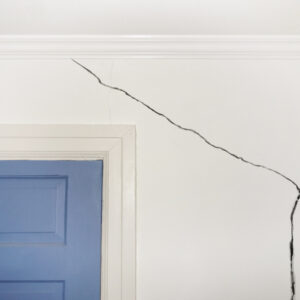
Crack in the wall of a home

Cracks in Interior Walls

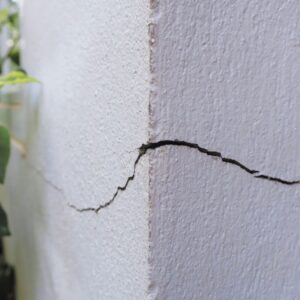
Cracks in exterior wall

Cracks in Exterior Walls

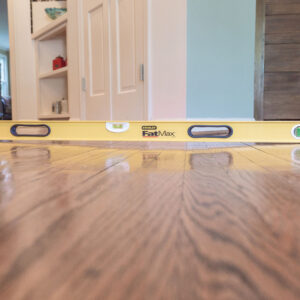
Sloping Floors

Sloping Floor

Foundation Repair Services

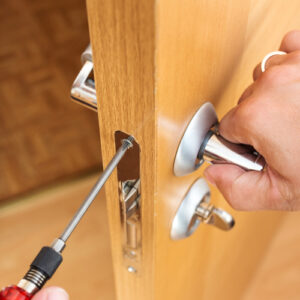
Sticking Door

Foundation Construction Services

Sticking Window

leaning-chimney

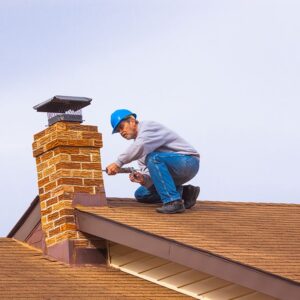
Chimney Leaning

Contact Us

East Bay Area

Communities We Serve.

We are happy to service communities throughout the East Bay Area and beyond. 

OUR SERVICES

Bay Area Foundation Contractor | Golden Bay Foundation Repair

img

Foundation Repair

Restore stability, fix cracks, and reinforce your foundation for lasting structural integrity
Read More
img

Foundation Inspection

Thoroughly assess foundation health, identify issues, and provide expert recommendations for maintenance.
Read More
img

Crawl Space Repair

Ensure a healthy crawl space environment by addressing moisture, insulation, and structural concerns.
Read More
img

Structural Replacement

Replace damaged or compromised structural elements with precision and quality craftsmanship.

Read More
img

Earthquake Retrofitting

Strengthen your property to withstand seismic activity, safeguarding against potential earthquake damage
Read More
img

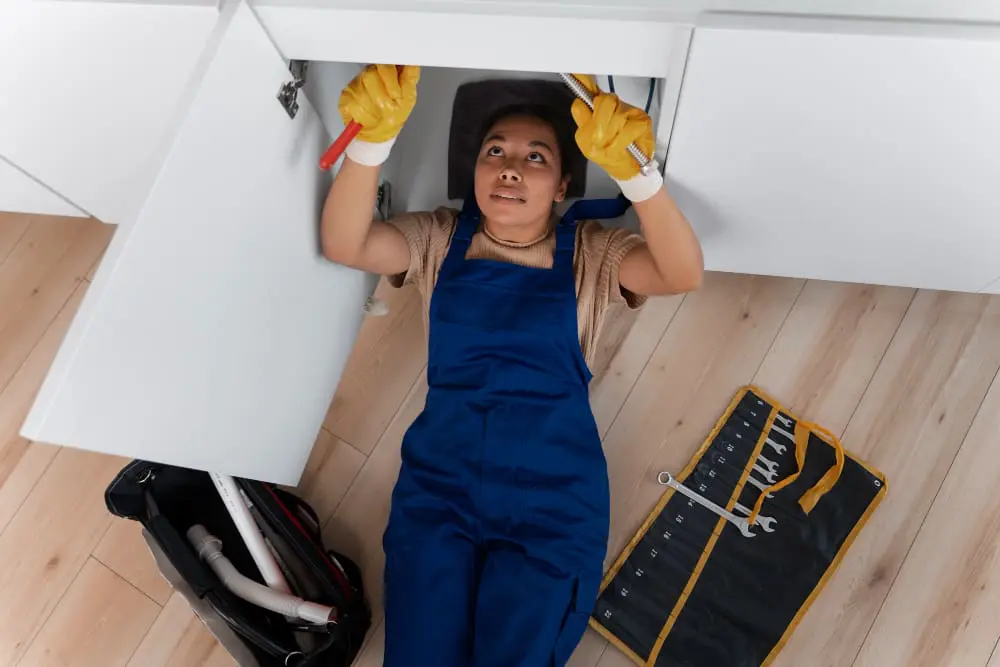
Stem Wall Repair

Expertly repair and reinforce stem walls to maintain the overall stability of your property.
Read More
img

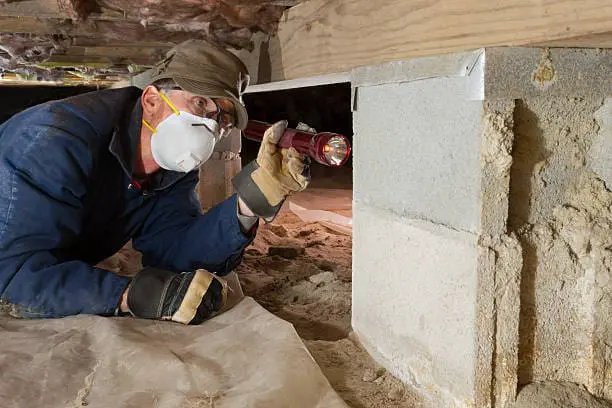
Drainage Services

Efficient drainage solutions to manage water runoff and prevent issues such as flooding and soil erosion. Our expert team designs and installs drainage systems tailored to your property's needs, ensuring effective water management.
Read More
img

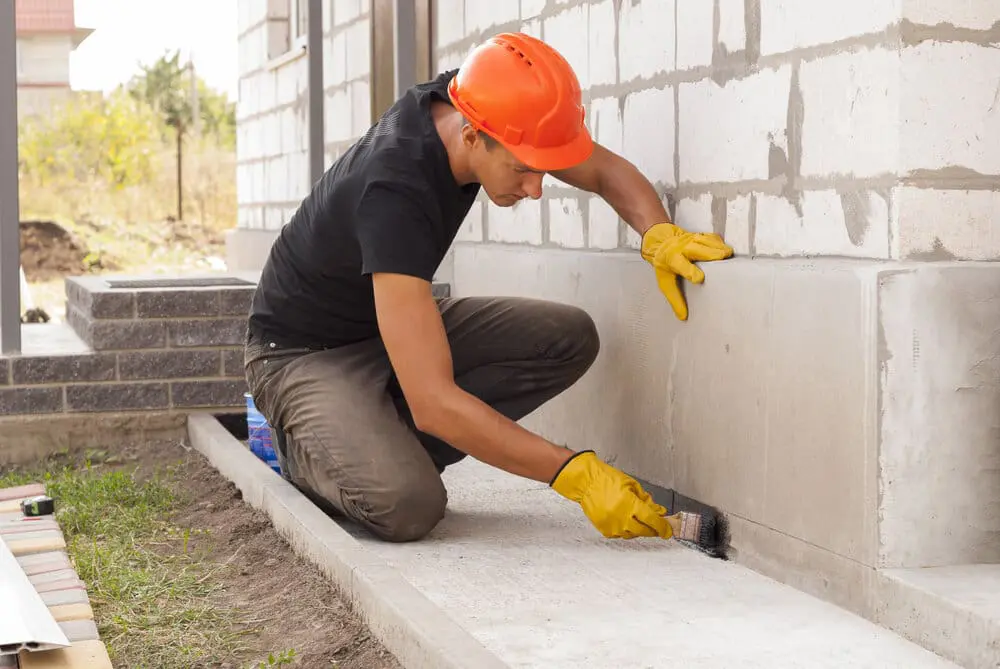
Push Pier Foundation Repair Systems

Stabilize sinking foundations with push piers that reach load-bearing soil. Restore structure and prevent further settlement.
Read More
img

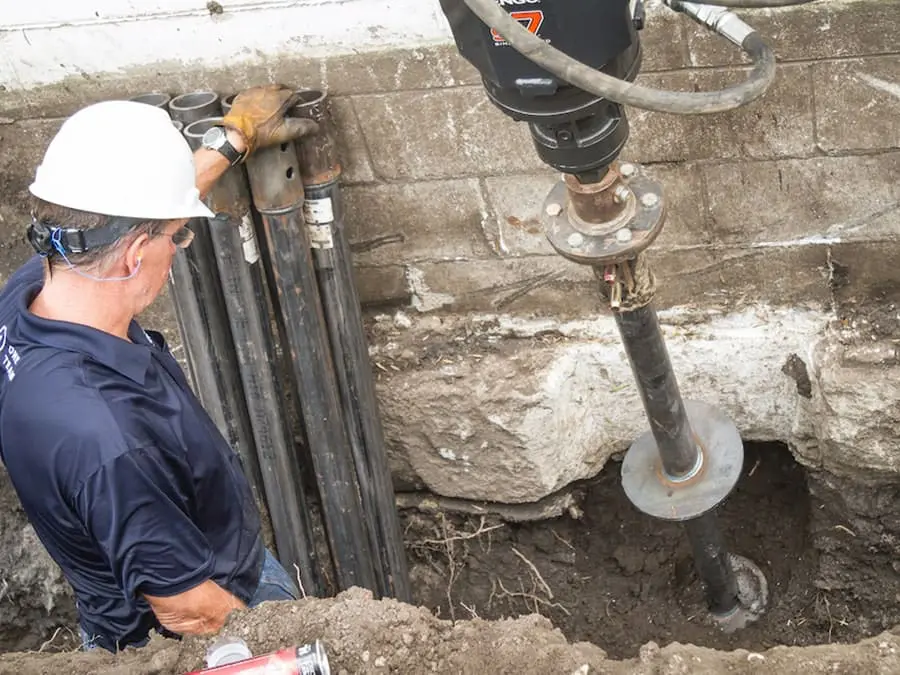
Foundation Replacement

Fully replace failing foundations with expert craftsmanship and durable materials for lasting structural strength.
Read More
img

Helical Pier & Push Pier Installation

Install helical and push piers to support foundations, lift settled areas, and ensure long-term stability.
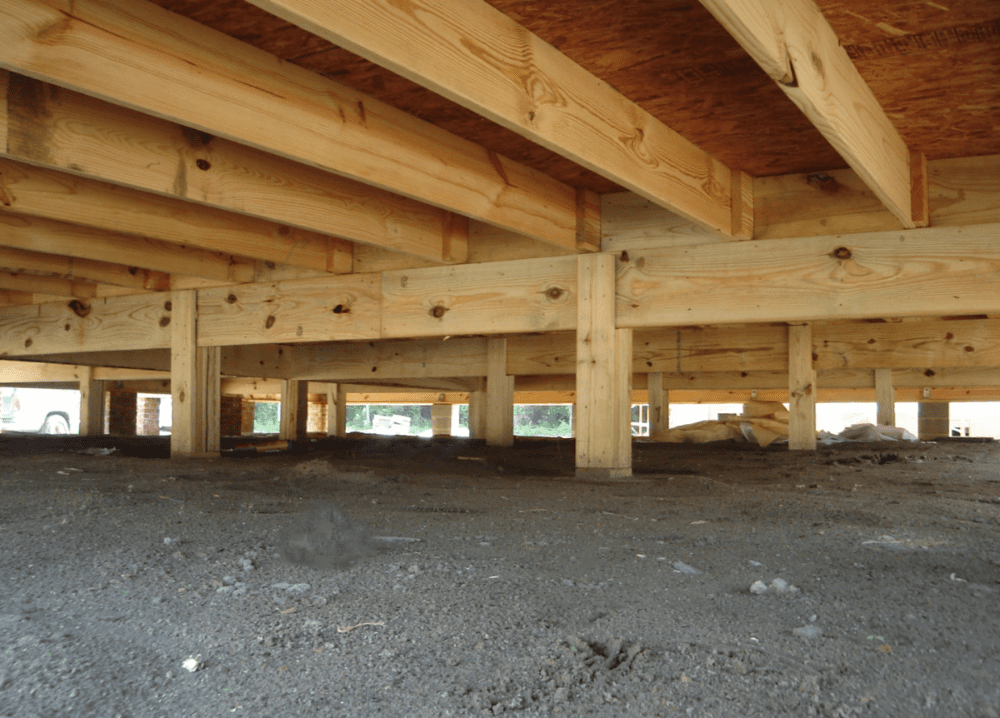
Read More
img

Pier and Beam Foundation Repair

Repair damaged beams, replace supports, and level flooring to restore the integrity of pier and beam foundations.
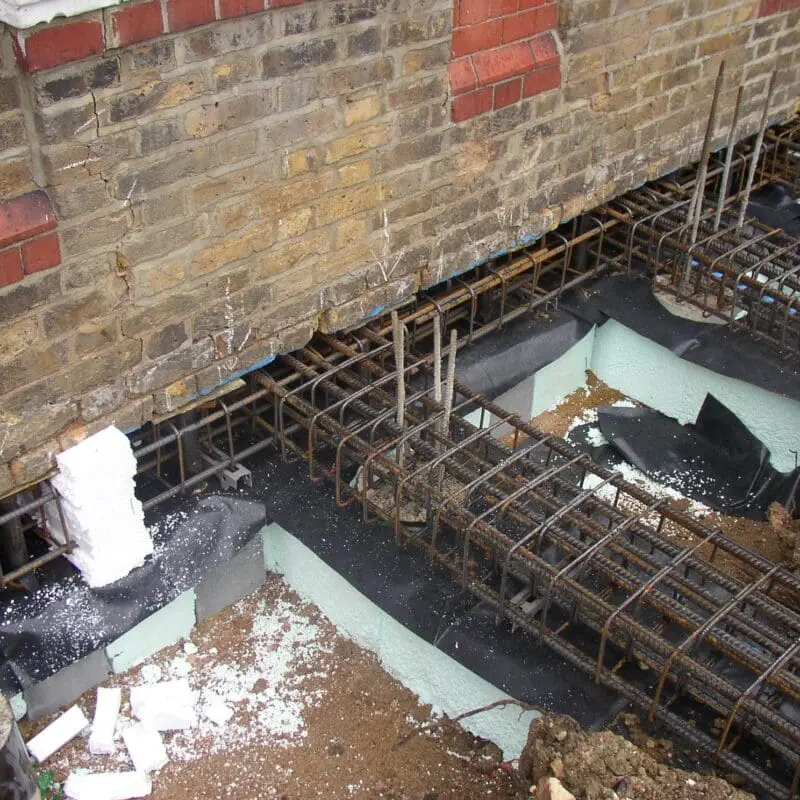
Read More
img

Underpinning Services

Strengthen weak foundations by adding support beneath them, preventing movement and future damage.
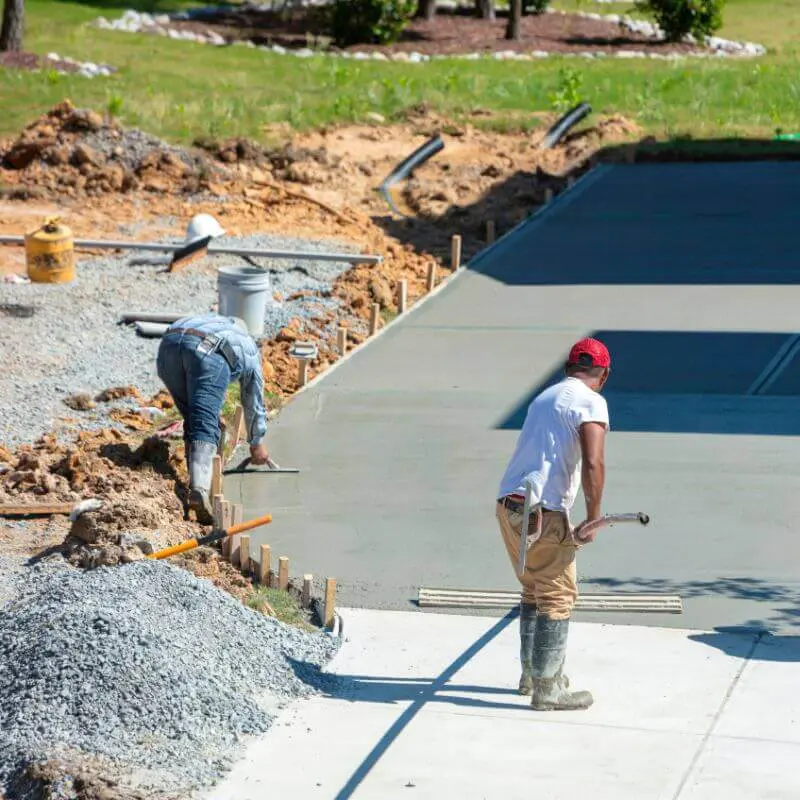
Read More
img

Slab Foundation Repair

Fix cracks and unevenness in slab foundations to restore level surfaces and prevent structural issues.
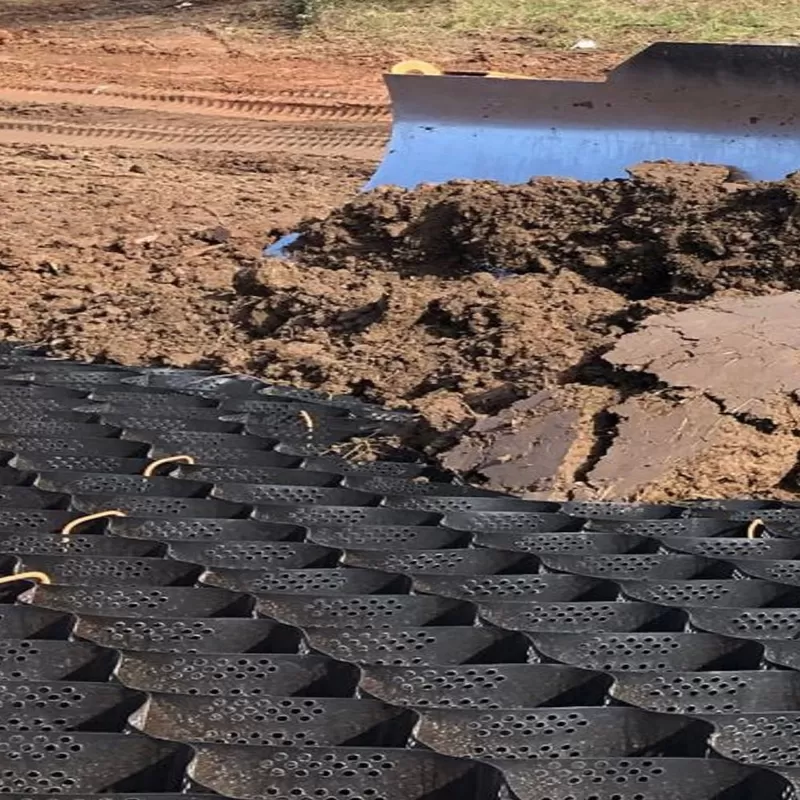
Read More
img

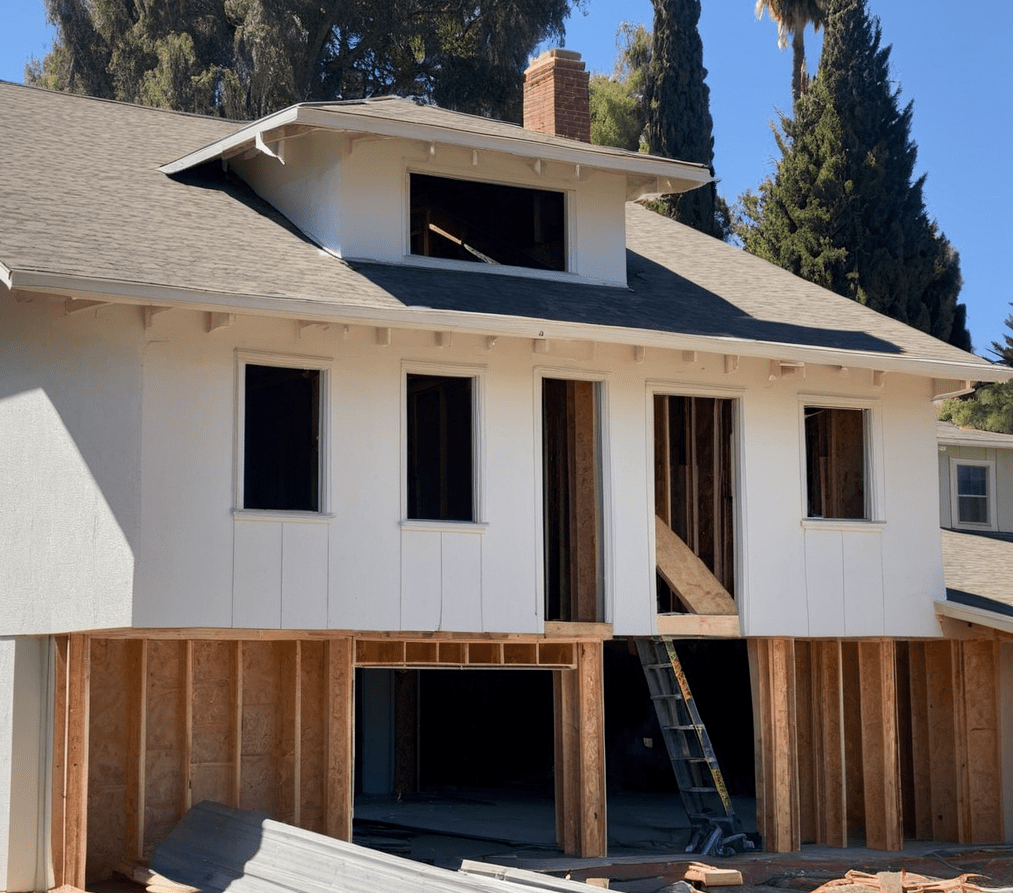
Soil Stabilization

Improve ground support by treating unstable soil, reducing foundation movement and settlement risks.
Read More
img

Certified Soft Story Retrofit Experts

Trust our certified experts to retrofit soft-story buildings with precision, meeting all seismic safety standards.

Read More

Related Articles

People Also Ask

Ground improvement and soil stabilization are related geotechnical techniques, but they have distinct scopes and objectives. Soil stabilization is a subset of ground improvement, specifically focused on altering the physical properties of the soil itself. This involves adding materials like lime, cement, or polymers to increase strength, reduce permeability, or control shrink-swell behavior. Ground improvement is a broader category encompassing any method used to enhance the engineering performance of the ground. This includes not only stabilization but also techniques like deep dynamic compaction, stone columns, and preloading. For a deeper dive into the chemical and mechanical processes involved in one key area, our resource The Science Behind Soil Stabilization For Stronger Foundations provides excellent detail. Ultimately, stabilization modifies the soil material, while ground improvement addresses the overall soil mass and its interaction with structures.

Soil modification and soil stabilization are both ground improvement techniques, but they serve different primary purposes and achieve distinct levels of improvement. Soil modification is a temporary or short-term process aimed at improving the immediate workability of soil, particularly for construction during wet conditions. It involves adding agents like lime or cement to reduce moisture content and plasticity, making the soil easier to compact and handle. In contrast, soil stabilization is a permanent, long-term treatment designed to significantly enhance the engineering properties of the soil, such as its strength, durability, and load-bearing capacity. This process creates a new, stable material, often using higher dosages of binders like cement, lime, or fly ash, to ensure the soil can support structures over the long term without significant deformation.

There is no single "best" soil stabilizer, as the optimal choice depends entirely on the specific soil type, project requirements, and environmental conditions. For cohesive soils like clay, chemical stabilizers such as lime or cement are highly effective, as they create strong pozzolanic reactions. For granular, sandy soils, mechanical stabilization with geotextiles or synthetic polymers is often preferred to improve load-bearing capacity. The key is a thorough geotechnical analysis to determine soil composition and plasticity. Industry best practice involves on-site testing with different additives to achieve the target strength and durability. For a deeper understanding of these chemical and mechanical processes, we recommend our internal article, The Science Behind Soil Stabilization For Stronger Foundations.

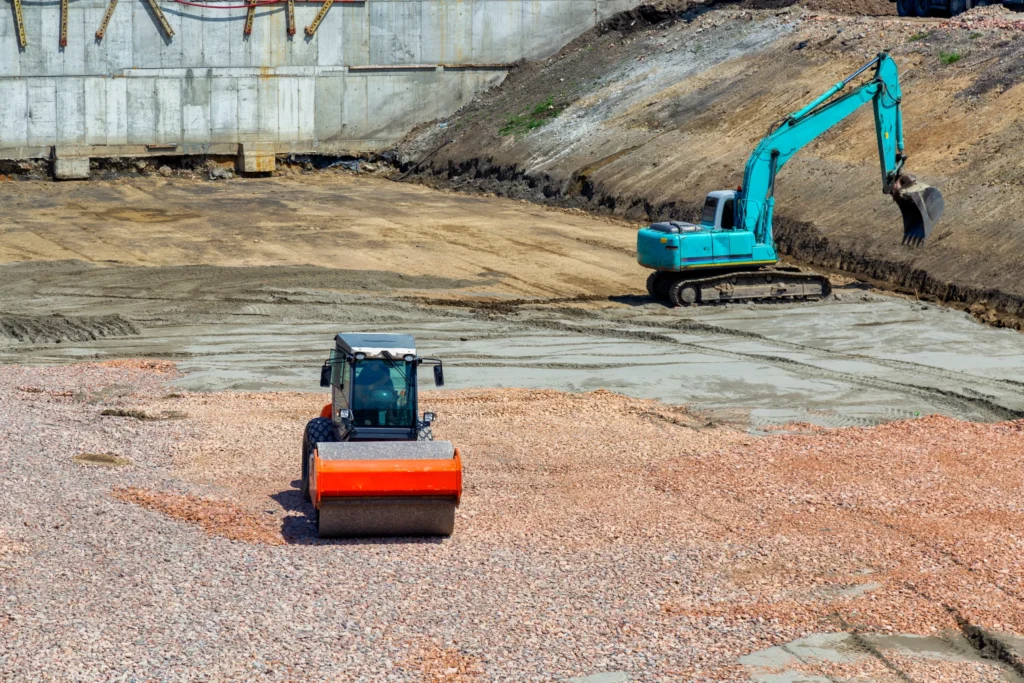
Improving soil stability is a fundamental aspect of construction and land development, ensuring a solid foundation for any structure. Key methods include mechanical compaction to increase density, the addition of chemical binders like lime or cement, and the use of geosynthetics such as geogrids for reinforcement. Proper drainage is also critical to prevent water from weakening the soil structure. The choice of technique depends on a thorough analysis of soil type, moisture content, and project requirements. For a deeper exploration of these techniques and their applications, we recommend reading our internal resource, Soil Stabilization. Adhering to these industry standards is essential for long-term structural integrity and safety.

Google Yelp

Overall Rating

5.0
★★★★★

99 reviews