

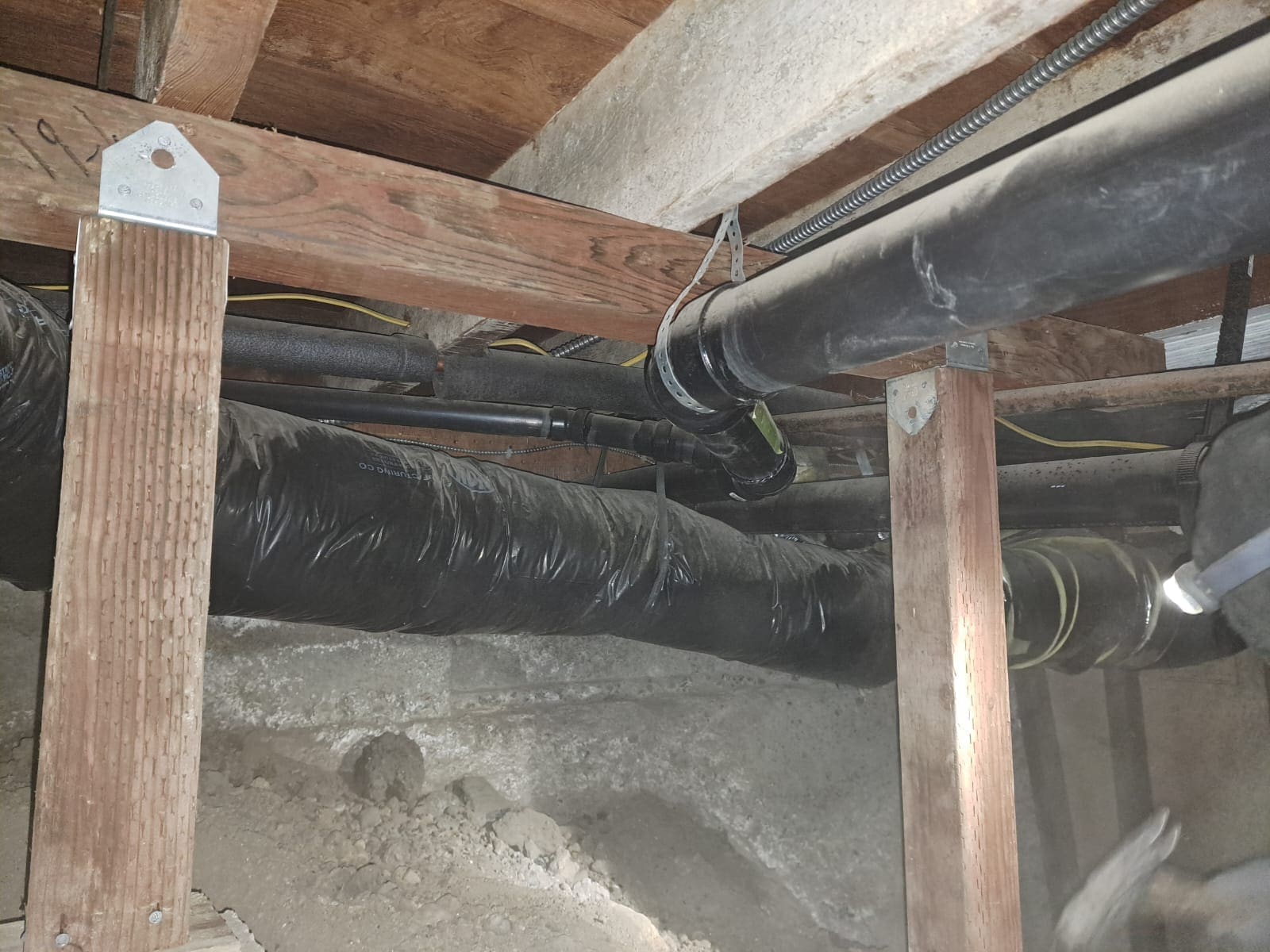
The Science Behind Soil Stabilization For Stronger Foundations (And Why Your House Will Thank You)
Ever get that slightly queasy feeling when you spot a new crack snaking up your living room wall? Or notice a door that suddenly refuses to close properly? Yeah, we’ve seen that look plenty of times when folks in Oakland, Walnut Creek, or Berkeley call us in a mild panic. And honestly? We get it. Your foundation isn’t just concrete and dirt—it’s literally what keeps your world upright. So, let’s chat about the unsung hero of a rock-solid Home: soil stabilization. Forget dry textbooks; we’re breaking it down like we’re sharing backyard BBQ tips.
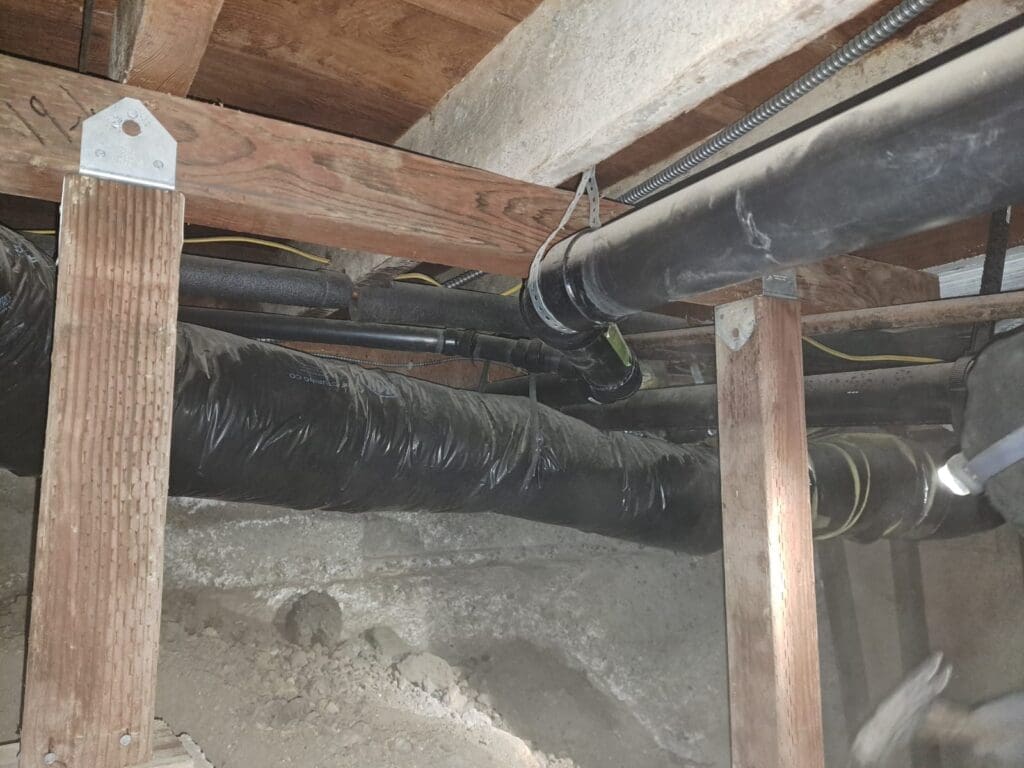
What Exactly is Soil Stabilization? (Spoiler: It’s Not Magic)
Okay, picture this: You’re building a sandcastle. Dry sand crumbles. Wet sand holds shape… until a wave wrecks it. Soil under your house? It’s way more dramatic. It swells when wet (thanks, Bay Area clay!), shrinks during droughts, and dances like it’s at a concert during earthquakes. Soil stabilization is basically giving that unruly soil a chill pill.
We use science-backed methods to make the ground behave. Think of it as:
- Mechanical stabilization: Compacting or adding gravel (like giving soil a firm handshake).
- Chemical stabilization: Injecting eco-friendly compounds that bind soil particles (soil’s version of superglue).
- Permeability control: Managing water flow so soil doesn’t throw a tantrum every rainy season.
Why care? Because unstable soil causes 90% of foundation headaches. And in earthquake country? It’s non-negotiable.
Why the Bay Area’s Soil is… Special (And Not in a Good Way)
Let’s be real: Our local dirt is dramatic. From Concord’s expansive clay to Berkeley’s hillside slopes, soil here loves to shift. Combine that with seismic activity, and you’ve got a foundation’s worst nightmare. IMO, skipping soil stabilization here is like building on Jell-O.
Common Bay Area Soil Types & Their Quirks
| Soil Type | Where It’s Found | Risks | Stabilization Fixes |
|—————–|————————|——————————–|———————————-|
| Expansive Clay | Walnut Creek, Clayton | Swells/shinks → cracks walls | Moisture control, lime injection |
| Loose Fill | Oakland, SF Hills | Sinks/settles unevenly | Compaction, grouting |
| Sandy Loam | Coastal Areas | Erodes easily | Polymer binders, drainage fixes |
See that “expansive clay” row? That’s why your neighbor in Walnut Creek has cracked walls every summer. FYI, stabilization isn’t just for new builds—it’s gold for existing Homes too.
When Your Foundation Cries for Help: The Telltale Signs
How do you know your soil’s throwing a fit? Look for:
- Doors/windows that stick or won’t latch
- Diagonal cracks near corners (especially after rain)
- Floors that slope like a poorly poured beer
- Gaps between walls/ceilings
If you spot these, don’t just Google “Foundation Repair near me” and hope for the best. Get a foundation inspection stat. At Golden Bay Foundation Builders, our inspections pinpoint why it’s happening—not just slap a Band-Aid on it. Because fixing a crack without stabilizing the soil? That’s like mopping the floor with the faucet still running.
Beyond Stabilization: Your Foundation Toolbox
Stabilizing soil is step one. But sometimes, your foundation needs backup. Here’s where we flex:
- Foundation underpinning services: When soil sinks, we extend supports deeper.
- Post and pier Foundation Repairs: Ideal for older Bay Area homes.
- Concrete stem wall repair: Fixes rot or shifting in stem walls (common after water damage).
- Seismic retrofit/earthquake brace and bolt: Because “waiting for the Big One” isn’t a plan.
- Crawl space repair: Moisture under the house? Yeah, that’s a soil issue in disguise.
Fun fact: We once rescued a floating foundation in Oakland that was tilting like the Leaning Tower of Pisa. Stabilized the soil then realigned the foundation. Saved the owner six figures vs. a full rebuild.
Why “Cheap Fixes” Cost You More (A Rant We Had to Share)
Look, we get it. When you see cracks, your brain screams “price!” But here’s the cold truth:
- Ignoring soil issues = recurring repairs. That $500 patch job? It’ll be $5k next year.
- DIY “solutions” (like injecting caulk into cracks) are like using duct tape on a broken leg.
- Foundation contractors who skip soil analysis? Run. Fast.
Golden Bay Foundation Builders won’t upsell you. We stabilize soil first because it’s usually 30-50% cheaper than major foundation repair later. Plus, our quotes are transparent—no hidden “gotchas.”
When to Call the Pros (Hint: Now’s Good)
Still wondering if you need help? Ask yourself:
- Is my house older than 1980? (Older = higher risk).
- Do I live on a hill in Berkeley or near a creek in Concord?
- Have I seen cracked walls or uneven floors?
If you answered yes, let’s chat. At Golden Bay Foundation Builders, we’ve handled everything from minor crawl space repair to full seismic retrofits in Walnut Creek. We’re local, we’re obsessed with soil science, and we actually enjoy explaining this stuff.
FAQs: Your Soil Stabilization Questions, Answered
Q: How much does soil stabilization cost?
A: Depends on your soil type and house size. Simple fixes? $3k–$7k. Major underpinning? $10k–$30k. But compare that to $100k+ for a failed foundation! We offer free ballpark estimates because nobody likes sticker shock.
Q: Can’t I just water my foundation during dry months?
A: Oh, sweet summer child. Overwatering makes clay swell too much, causing heave. Underwatering causes shrinkage. Our stabilization methods balance moisture permanently.
Q: Will stabilization fix my existing foundation cracks?
A: It stops new damage! Existing cracks need repair (like epoxy injection), but without stabilization, they’ll just reopen. We do both—like a tag team for your foundation.
Wrapping Up: Don’t Let Your House Play Jenga
Soil stabilization isn’t glamorous, but it’s the bedrock of a safe, stable home. Whether you’re in Oakland, Clayton, or anywhere in the Bay, unstable soil won’t fix itself. And searching for “soil stabilization services near me” at 2 AM? We’ve been there (metaphorically).
So, if your foundation’s whispering (or screaming) for help, call Golden Bay Foundation Builders. We’ll geek out on soil samples, give you a fair cost estimate, and make sure your house stays put. Because honestly? You’ve got better things to stress about. Like whether the Giants will win next year.
Ready to stop worrying and start stabilizing? Contact us today for a foundation inspection—let’s give your soil a new lease on life.
Related Articles
People Also Ask
To stabilize foundation soil, a geotechnical engineer should first assess the site to determine soil type and load-bearing capacity. Common methods include soil compaction, which increases density and reduces settlement, and chemical grouting to bind loose particles. For expansive clay soils, moisture control through proper drainage and grading is critical to prevent swelling and shrinkage. Installing deep foundations, like piers or piles, can transfer loads to more stable soil layers. In some cases, soil replacement or mixing with stabilizing agents like lime or cement is effective. At Golden Bay Foundation Builders, we emphasize that every solution must be tailored to the specific soil conditions and structural requirements. For hillside properties, refer to our detailed guide How To Stabilize Foundations On Hillside Properties Safely for specialized techniques.
Soil stabilisation works by altering the physical and chemical properties of the ground to increase its load-bearing capacity and reduce its tendency to shift or settle. This process typically involves mixing the existing soil with binding agents like cement, lime, or chemical polymers. These additives react with moisture in the soil, creating a stronger, more cohesive matrix that resists expansion from water absorption. For homeowners in Walnut Creek and Contra Costa County, where clay soils are common, this technique is critical to prevent foundation movement. At Golden Bay Foundation Builders, we understand that proper stabilisation addresses the root cause of soil instability. For a deeper look at long-term prevention, our internal article How To Prevent Foundation From Moving? explains how to stop foundation shifting before it starts.
For expansive soils common in Walnut Creek and Contra Costa County, the choice between lime and cement depends on the soil's plasticity index. Lime is generally superior for highly plastic clays, as it chemically alters the clay minerals to reduce swelling potential. Cement works better for granular or low-plasticity soils, providing rapid strength gain. For foundation work, we recommend a thorough soil analysis first. Golden Bay Foundation Builders often addresses these issues in our article Solutions For Foundation Heave In Expansive Soil Areas, which details proper stabilization techniques. A geotechnical engineer should determine the correct additive and dosage to ensure long-term stability and prevent future heave.
Soil stabilization is critical in construction because it directly determines the structural integrity and longevity of any foundation. Without proper stabilization, expansive soils can shift, swell, or settle unevenly, leading to cracks and structural failure. This process involves modifying the physical properties of the ground to increase its load-bearing capacity and reduce permeability. For homeowners in Walnut Creek and Contra Costa County, where soil conditions vary, this step is non-negotiable. At Golden Bay Foundation Builders, we emphasize that stabilization prevents costly future repairs by creating a uniform, solid base. For a deeper look into how this applies to regional projects, you can read our internal article titled Foundation Repair and Stabilization Service in Lafayette, CA. Proper stabilization is an investment in safety and durability.
For foundation work in Walnut Creek and Contra Costa County, both cement and lime stabilization serve distinct purposes. Cement stabilization is typically preferred for sandy or granular soils, as it rapidly increases compressive strength and reduces soil plasticity. Lime stabilization, on the other hand, is more effective for clay-rich soils common in the Bay Area, as it chemically alters clay minerals to reduce swelling and improve workability. The choice depends on a proper soil analysis. Golden Bay Foundation Builders recommends consulting a geotechnical engineer to determine the best method for your specific site conditions. For a deeper understanding of regional soil challenges, please review our internal article The Complete Guide To Soil Stabilization For Bay Area Foundations, which details best practices for local foundation stability.