Soil Stabilization Services in Albany, CA

Testimonial

Verified Client Reviews

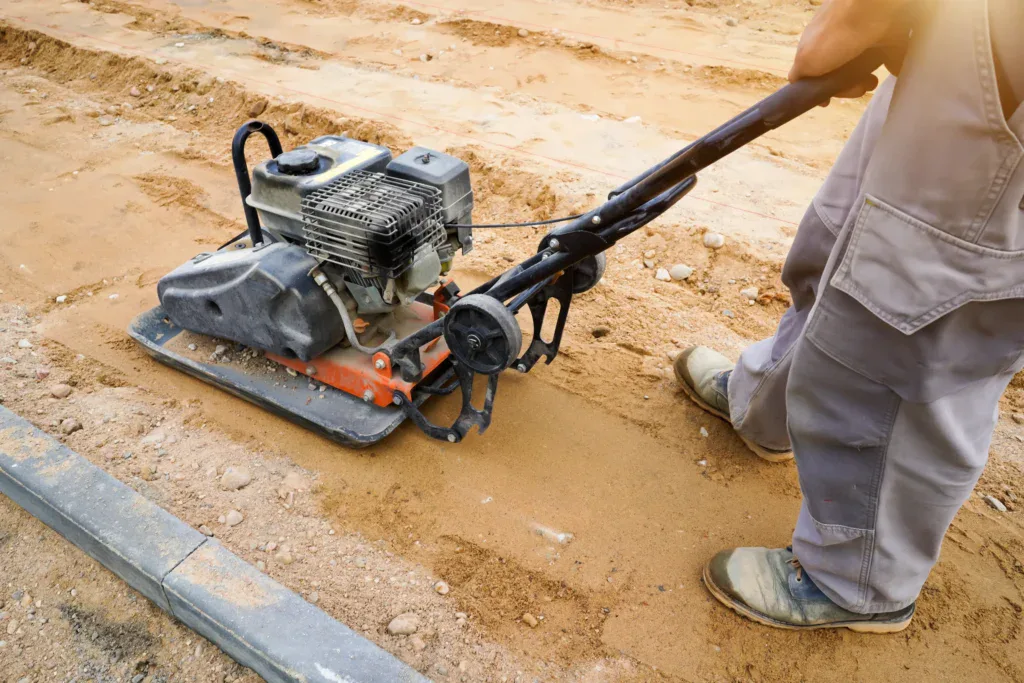
The narrow plan of Albany and the combination of soil types and the proximity of the Bay make the grounds change than most of the homeowners care to think. The real estate around Solano Avenue, Marin Avenue and the quaint residential lanes of Thousand oaks usually occupy clay soils which literally swell following a rain and narrow during dry summer seasons. Homes nearer to Albany Hill, the Cerrito Creek and waterfront near the Golden Gate Fields have had further changes in the soil due to the changes in moisture, the effect of the hill side pressure and the aged fill material that had been deposited several decades earlier during the building of the neighborhood.

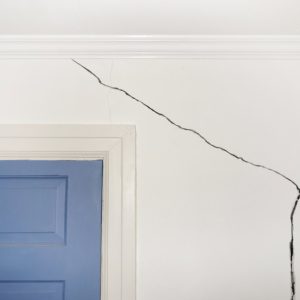
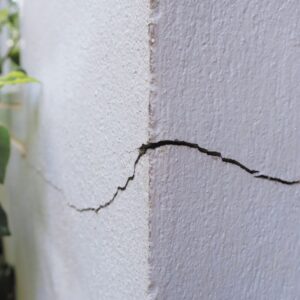
Such situations usually evoke the first signs of soil instability: the driveways start to sink, ground starts to divide at the edges of the foundations, small cracks are observed on the surface of the ground, or the walls are no longer placed correctly on the landscape. Since Albany has a combination of old houses, hillside nooks and low-rise apartments, which are both affected by ground water, soil stabilization becomes the necessary procedure in securing foundations, hardscapes, and future constructions. 

Agricultural Land Soil Stabilization

The small agricultural patches, community gardens and open soils in Albany are highly benefiting in terms of stabilization particularly where the expansion or erosion of the clay interferes with the planting and irrigation systems.

Stabilization of soil enhances the architectural stability of the soil and crops, vines or landscaping can grow within the soil without the shifting soil during changes in seasons. Moisture of soil is retained better due to stabilization, which also enhances the root zones and minimizes nutrient loss due to soil erosion or runoff. The increased consistency of the soil provides the farming fields with a better and reliable foundation of long-term productivity.

Stabilizing Soil to Industrial Locations

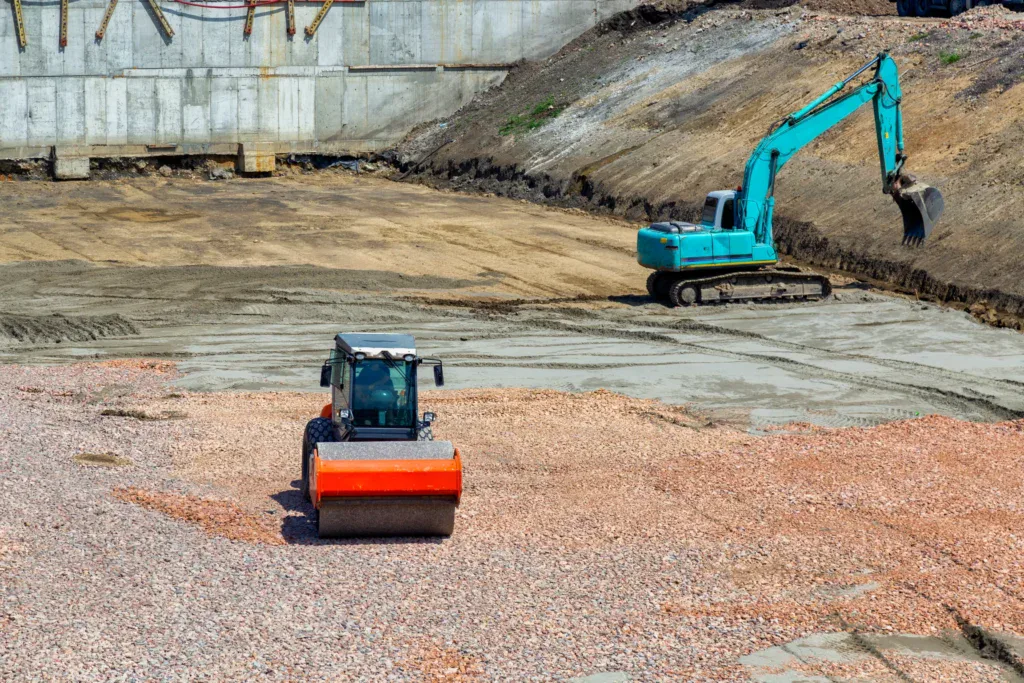
The industrial plants in Albany, especially plants located along the freeway path, Eastshore Highway, and warehouses, are dependent on firm soil to take the burden of heavy machinery, extensive slab foundations and unrestrained regular use.

Strengthening Soil to carry great Structural Loads

Industrial properties require soil that can sustain weight which is heavy without compression. We reinforce deeper layers to ensure that the ground is firm and is deep enough to support machinery, stores, and heavy traffic activities.

Lessening Settlement Under Big Concrete Slabs

Industrial slabs are prone to settlement in cases of low resistance of the soil underneath. Stabilization reduces the downward movement ensuring the surfaces are level and minimizing repair expenses in the long-run.

Moisture-Induced Soil Softening Prevention

The change of groundwater, in the vicinity of the Bay, can be used to soften industrial site soil. Our soil stabilization techniques assist soil to withstand absorption of moisture and ensure the same support even during the change of seasons.

Our Professional Soil Stabilization Services You Can Count On

Our company is very specific and scientific in the way we view soil reinforcement and make sure that each Albany house is provided with a solution that aligns with the terrain and moisture specifications.

Accurate Soil Assessment of Accurate Planning

We study the density, moisture, and compaction, and the soil composition in order to determine the precise layers that bring about instability. This enables us to model the stabilization treatments very precisely.

Methods that fit the Landscape and Climate of Albany

The property being close to the Bay, on a high place close to Albany Hill, or in the older residential neighborhoods, we use reinforcement methods depending on the soil behavior in the area.

Consistent Results Supported by time-tested experience

Our professionals make sure that the soil will be stable during the periods of moisture, pressure on the hillside and during the long-term structural loads. This is a long-term assurance to both the homeowners and the builders as well as the property managers.

How Clay Expansion Causes Foundation Issues

The clay soils in Albany swell during rainy seasons and shrink during dry seasons a process that exposes foundations to constant pressure. In the long run, this swelling and shrinking may crack slabs, move footings and push soil off structural edges.

We cause the soil to react to the moisture as it would otherwise, thus preventing the motion in the foundation resulting in the displacement. Stabilizing these zones maintains the household plane, decreases the long-term upkeep, and safeguards the structural framework against seasonal earth conditions.

Protect Your Albany Soil Before Problems Grow

Our team will be able to determine your soil conditions, locate the layers that are the cause of the instability, and strengthen them with methods that would be applicable to the environment of Albany. Get in touch with us and ensure reliable long-term soil support to your project or home.

Noticing any of these problems at home?

We’re here to help! Swiftly addressing these concerns is key. Our experts will promptly inspect and repair your foundation, ensuring the lasting strength and safety of your home. Reach out without hesitation for reliable assistance.

Crack in the wall of a home

Cracks in Interior Walls

Cracks in exterior wall

Cracks in Exterior Walls

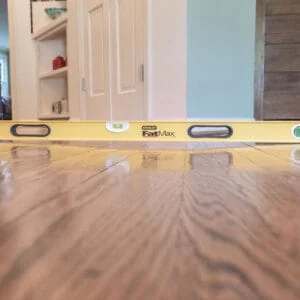
Sloping Floors

Sloping Floor

Foundation Repair Services

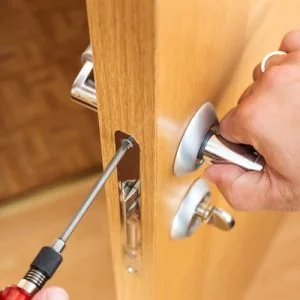
Sticking Door

Foundation Construction Services

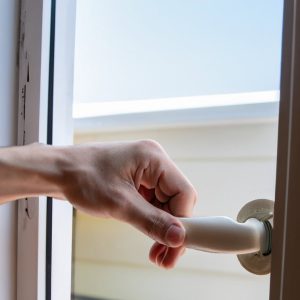
Sticking Window

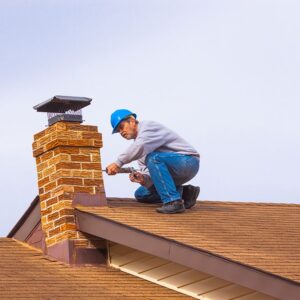
leaning-chimney

Chimney Leaning

Contact Us

East Bay Area

Communities We Serve.

We are happy to service communities throughout the East Bay Area and beyond. 

OUR SERVICES

Bay Area Foundation Contractor | Golden Bay Foundation Repair

img

Foundation Repair

Restore stability, fix cracks, and reinforce your foundation for lasting structural integrity

Read More
img

Foundation Inspection

Thoroughly assess foundation health, identify issues, and provide expert recommendations for maintenance.

Read More
img

Crawl Space Repair

Ensure a healthy crawl space environment by addressing moisture, insulation, and structural concerns.

Read More
img

Structural Replacement

Replace damaged or compromised structural elements with precision and quality craftsmanship.

Read More
img

Earthquake Retrofitting

Strengthen your property to withstand seismic activity, safeguarding against potential earthquake damage

Read More
img

Stem Wall Repair

Expertly repair and reinforce stem walls to maintain the overall stability of your property.

Read More
img

Drainage Services

Efficient drainage solutions to manage water runoff and prevent issues such as flooding and soil erosion. Our expert team designs and installs drainage systems tailored to your property's needs, ensuring effective water management.

Read More
img

Push Pier Foundation Repair Systems

Stabilize sinking foundations with push piers that reach load-bearing soil. Restore structure and prevent further settlement.

Read More
img

Foundation Replacement

Fully replace failing foundations with expert craftsmanship and durable materials for lasting structural strength.

Read More
img

Helical Pier & Push Pier Installation

Install helical and push piers to support foundations, lift settled areas, and ensure long-term stability.

Read More
img

Pier and Beam Foundation Repair

Repair damaged beams, replace supports, and level flooring to restore the integrity of pier and beam foundations.

Read More
img

Underpinning Services

Strengthen weak foundations by adding support beneath them, preventing movement and future damage.

Read More
img

Slab Foundation Repair

Fix cracks and unevenness in slab foundations to restore level surfaces and prevent structural issues.

Read More
img

Soil Stabilization

Improve ground support by treating unstable soil, reducing foundation movement and settlement risks.

Read More
img

Certified Soft Story Retrofit Experts

Trust our certified experts to retrofit soft-story buildings with precision, meeting all seismic safety standards.

Read More

People Also Ask

Soil stabilization is a long-term solution, but its lifespan depends heavily on the method used and site conditions. Chemical stabilization using lime or cement can last for decades, often exceeding 30 years, when properly applied to expansive clay soils common in Walnut Creek and Contra Costa County. However, mechanical compaction and drainage improvements may require maintenance every 10 to 20 years if the soil shifts due to drought or heavy rain. For a deeper understanding of how soil conditions affect foundation longevity, we recommend reading our internal article titled Why Slab Foundations Are Prone To Cracking In Dry Climates. At Golden Bay Foundation Builders, we always assess soil stability before any foundation work to ensure lasting results.

The primary difference between soil stabilization and soil improvement lies in their goals and methods. Soil stabilization focuses on altering the physical properties of the soil to increase its load-bearing capacity and durability, often through mechanical means like compaction or chemical additives like cement or lime. This process creates a stronger, less permeable base for foundations. Soil improvement, on the other hand, is a broader term that includes any technique to enhance soil performance, such as drainage, reinforcement with geotextiles, or even removing and replacing poor soil. For homeowners in Walnut Creek CA and Contra Costa County, understanding this distinction is crucial. At Golden Bay Foundation Builders, we typically recommend stabilization for sites with expansive clay soils to prevent foundation shifting, while improvement methods may be used for general site preparation to ensure long-term structural integrity.

For residential foundation projects, soil stabilization generally falls into two main categories: mechanical and chemical. Mechanical stabilization involves physically altering the soil's composition, often by mixing in or compacting additional materials like gravel or sand to improve load-bearing capacity. Chemical stabilization, on the other hand, uses additives such as cement, lime, or fly ash to bind soil particles together, reducing swelling and shrinkage. The choice between these methods depends on the specific soil type and moisture conditions at your site. For a deeper understanding of how these techniques ensure a durable foundation, we recommend reviewing our internal article The Science Behind Soil Stabilization For Stronger Foundations. At Golden Bay Foundation Builders, we always conduct a thorough soil analysis before recommending the best approach for your property in Walnut Creek.

For residential foundation work in Walnut Creek and Contra Costa County, the most commonly used soil stabilizers are Portland cement, lime, and fly ash. Portland cement is frequently mixed with expansive clay soils to reduce shrink-swell potential and increase load-bearing capacity. Lime is effective for treating highly plastic clays, improving workability and strength through a chemical reaction. Fly ash, a byproduct of coal combustion, can be used as a cost-effective alternative to cement in certain soil conditions. At Golden Bay Foundation Builders, we always recommend a professional geotechnical evaluation to determine the specific stabilizer type and application rate for your project's soil conditions, as improper use can lead to long-term structural issues.

Google Yelp

Overall Rating

5.0
★★★★★

108 reviews