The landscape of Oakland varies between steep heights of Montclair and Piedmont Pines to the more dense flatlands of Fruitvale, East Oakland, and West Oakland with various soil conditions that change in other ways. The neighborhoods located above Skyline Boulevard, such as Hillside, are subjected to erosion, expansive clay, and slope movements due to rainfalls and groundwater. In the meantime, homes around Jack London Square and San Pablo Avenue, as well as the older industrial areas, frequently are on fill which is responsive to moisture or collapses under pressure.
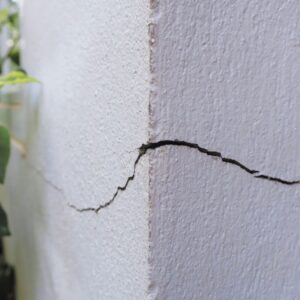
Minor indications such as the sinking of steps, cracks becoming wider at the ground level, or soil that is dragging off at building edges are common warning signs that there is more instability beneath the surface of the building. The combination of reclaimed land, hill slope pressure and different soil profiles of the city of Oakland complicates stabilization as one of the most important measures in ensuring structural performance in the long run. The team uses more modern techniques of reinforcement that are specialty-made in reference to the terrain, weather conditions, and development history of the area of Oakland.
One of the structural challenges that is a prevalent occurrence in the city of Oakland is foundation settlement particularly in soils that are dominantly composed of clay or fill that was older. The process of stabilization reinforces weak spots before they lead to long term damage. The swelling and shrinking of Clay soils during seasons of rain and hot summer respectively characterize neighborhoods such as the Oakland Hills.
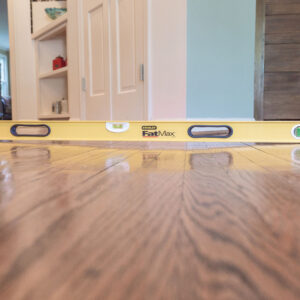
This cycle removes soil on the foundation making uneven support. Stabilization also helps to stabilize the reaction of the soil to moisture to ensure that there is consistency in foundation performance. In flatlands constructed using older fill, the stabilization enhances the density and compression and prevents the sinking effect with time to form cracks and uneven floors.
The basis of an effective construction schedule is the reliable soil. Weak, moving, and loosely packed soil may slow down projects and lead to structural problems in the future.
When the soil is predictable, the contractor is able to proceed without fear of settlement that is not expected. Stabilization produces a consistent support which is easy to prepare foundations.
Wobbly soil may lead to misalignment of formwork, footing or slab breaking. Stabilized soil eliminates these setbacks enabling construction to flow in a straight manner.
Rain may make the clay soils in Oakland soft thus leading to delays. The stabilized soil has improved draining capacity and will not be saturated thus making places workable even during wet seasons.
When the soil becomes un-dense, washed out or suffers weight loss, sinkholes are formed. Although the city of Oakland is not associated with large sinkholes, local depressions and soil cavities may also occur in those places where the fill is older or where there is a change in the groundwater level.
Our practice incorporates engineering skills and techniques that suit with the numerous types of soils that are found in Oakland. We consider every location, density, behavior of moisture, and slope pressure and develop the appropriate solution. Our techniques are time-tested and are not prone to change due to seasonal precipitation, slope, and earthquakes something the Oakland properties are not new to.
We promise quality workmanship and sustainability in the long term so that homeowners, contractors, and developers can operate with confidence. Our strengthening of the soil under your structure will guarantee more durability, less maintenance, and safer soil support of your property during the entire lifetime of the property.
David was a lifesaver when it came to fixing our foundation issues. He thoroughly explained the problem areas and worked efficiently. We felt confident in the repairs and appreciated his attention to detail.

Steady, well-organized repair service focused on structural safety and durability.
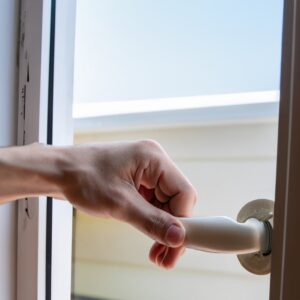
After noticing doors sticking and cracks in our drywall here in Warm Springs, we called for a foundation inspection. The team was incredibly thorough, using laser levels to measure settling and explaining everything in plain terms.

Nisan was very helpful on guiding me via the permit process for earthquake retrofit. Work was executed quickly. Thanks
We were very happy with the results of our inspection with Ryan! He explained the settling in homes and what things we should look for, and was very professional, friendly, and efficient. Thanks!
Had a great experience working with Kyndell from Golden Bay Foundation Builders. I recently purchased the home and was looking for help with earthquake retrofitting options. He inspected my foundation carefully and determined that past bolting was likely adequate. He had suggestions about monitoring the foundation. He was very thoughtful and detailed in his approach, and worked to determine what was best for the home. In this case, that meant no need for additional work now. But if I need any additional assistance in the future, will be calling him again.
We needed crawl space repairs due to pests and moisture damage. They sealed it up, reinforced the beams, and added vapor barriersnow it’s dry and structurally sound. Excellent service from start to finish!
Our home needed retrofitting, and they did an amazing job reinforcing the foundation. They preserved the home’s character while making it structurally sound. If you need an expert who respects older homes, these are your guys.
We had a terrible experience with another contractor before finding these guys. They corrected the shoddy work, fixed our foundation properly, and treated us with respect. Finally, a business that stands by their word and does quality work.
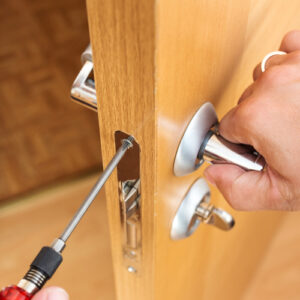
We had a sinking foundation that caused doors to stick, but they fixed it with piers and proper leveling. Their team was professional, answered all our questions, and even followed up afterward. No more sticking doorsjust a solid, stable home.
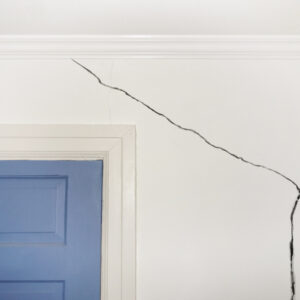
We’re here to help! Swiftly addressing these concerns is key. Our experts will promptly inspect and repair your foundation, ensuring the lasting strength and safety of your home. Reach out without hesitation for reliable assistance.


We are happy to service communities throughout the East Bay Area and beyond.

Restore stability, fix cracks, and reinforce your foundation for lasting structural integrity
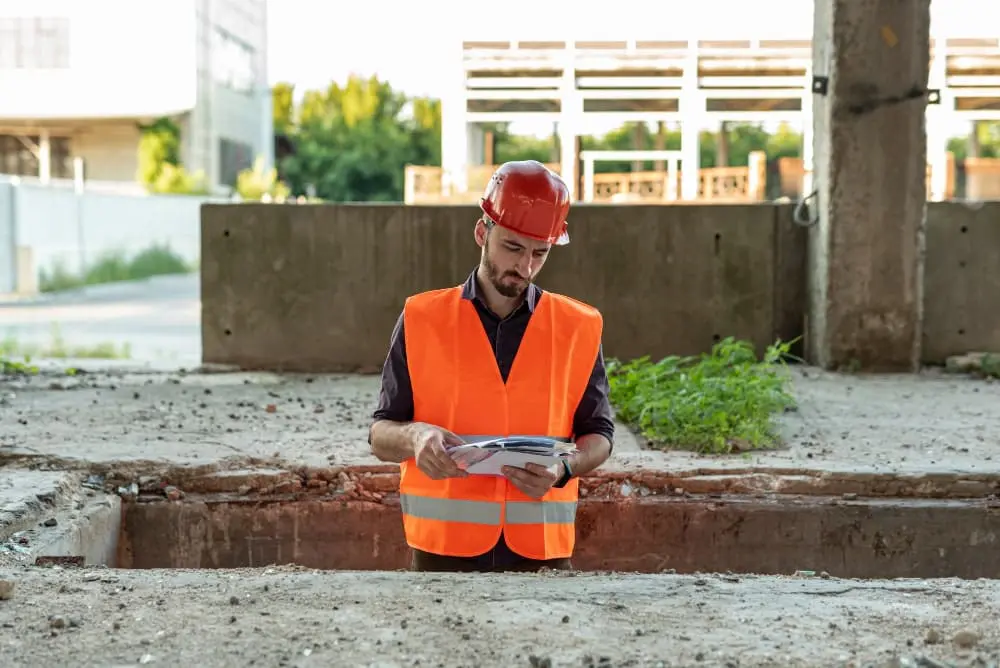
Thoroughly assess foundation health, identify issues, and provide expert recommendations for maintenance.
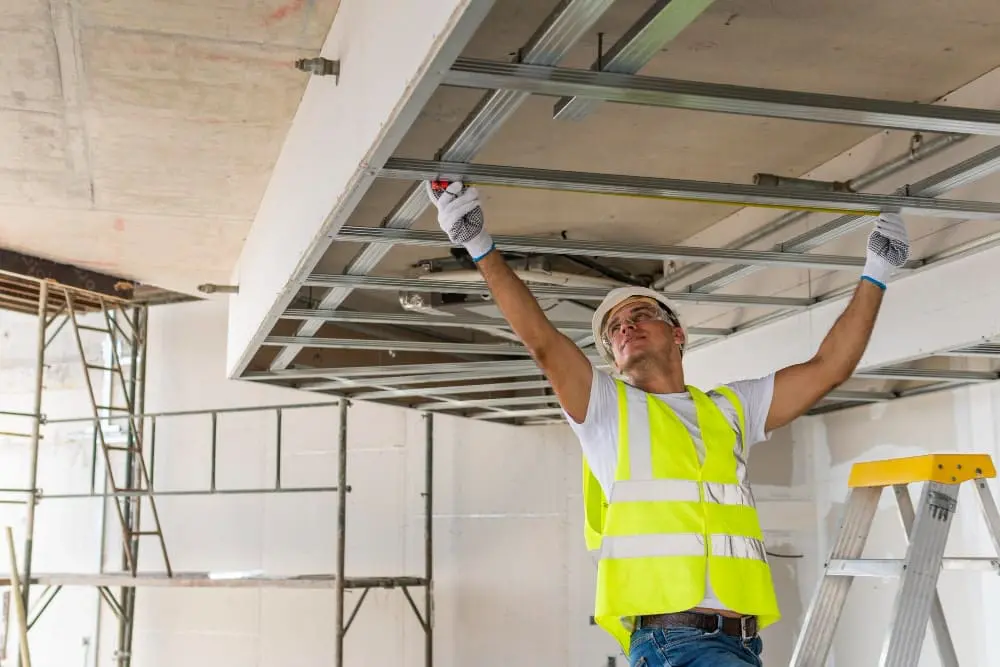
Ensure a healthy crawl space environment by addressing moisture, insulation, and structural concerns.
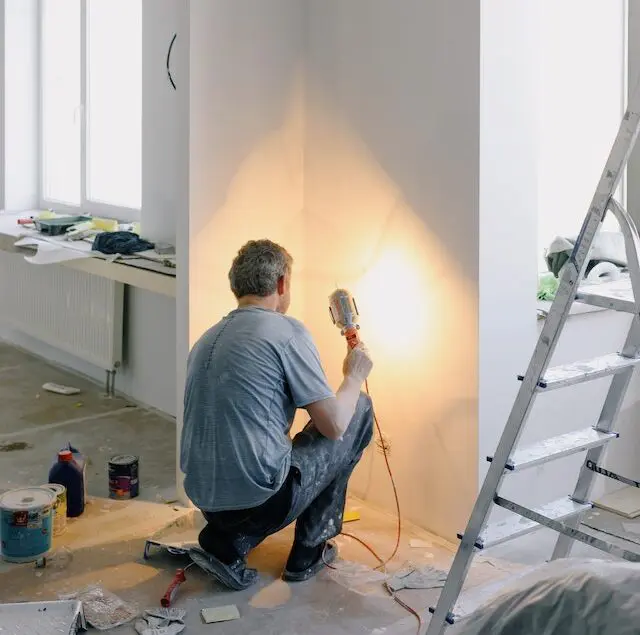
Replace damaged or compromised structural elements with precision and quality craftsmanship.

Strengthen your property to withstand seismic activity, safeguarding against potential earthquake damage
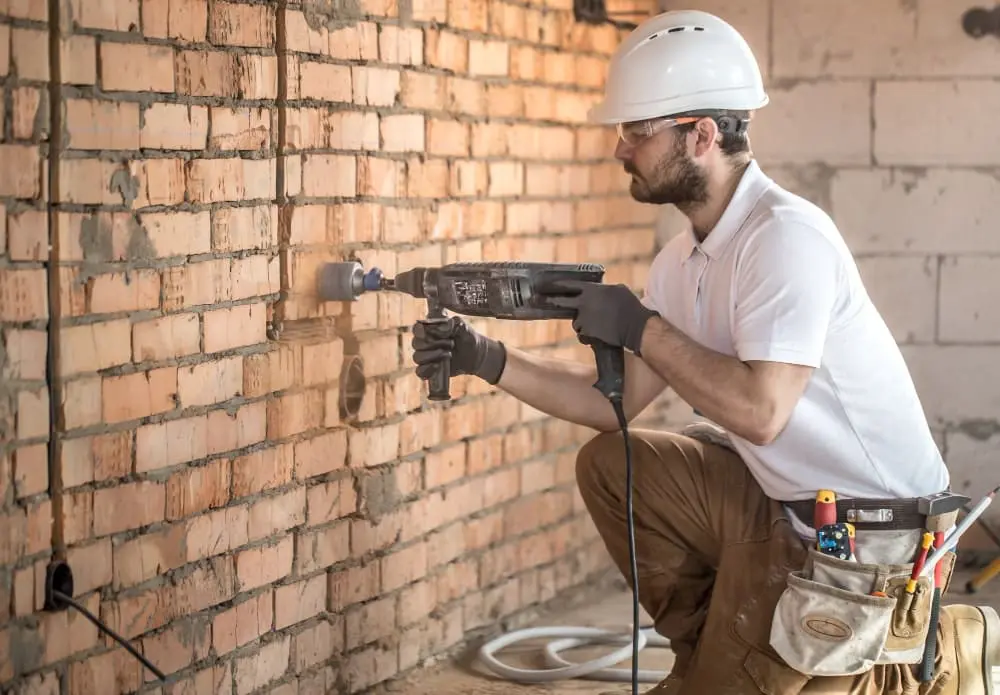
Expertly repair and reinforce stem walls to maintain the overall stability of your property.
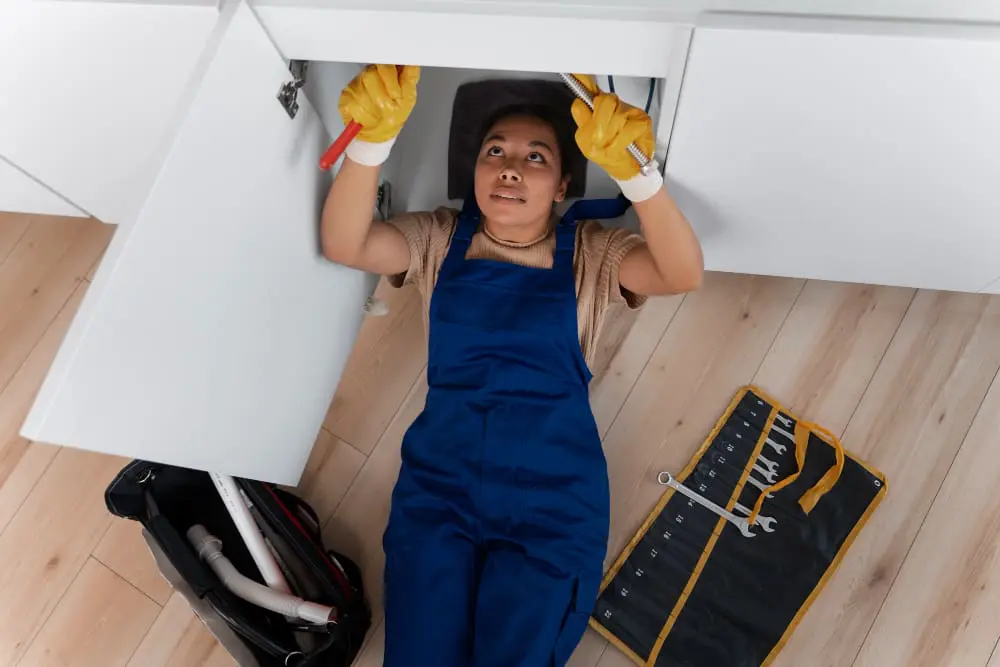
Efficient drainage solutions to manage water runoff and prevent issues such as flooding and soil erosion. Our expert team designs and installs drainage systems tailored to your property's needs, ensuring effective water management.
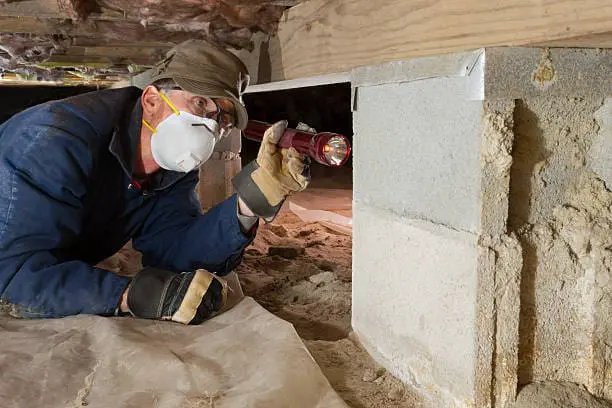
Stabilize sinking foundations with push piers that reach load-bearing soil. Restore structure and prevent further settlement.
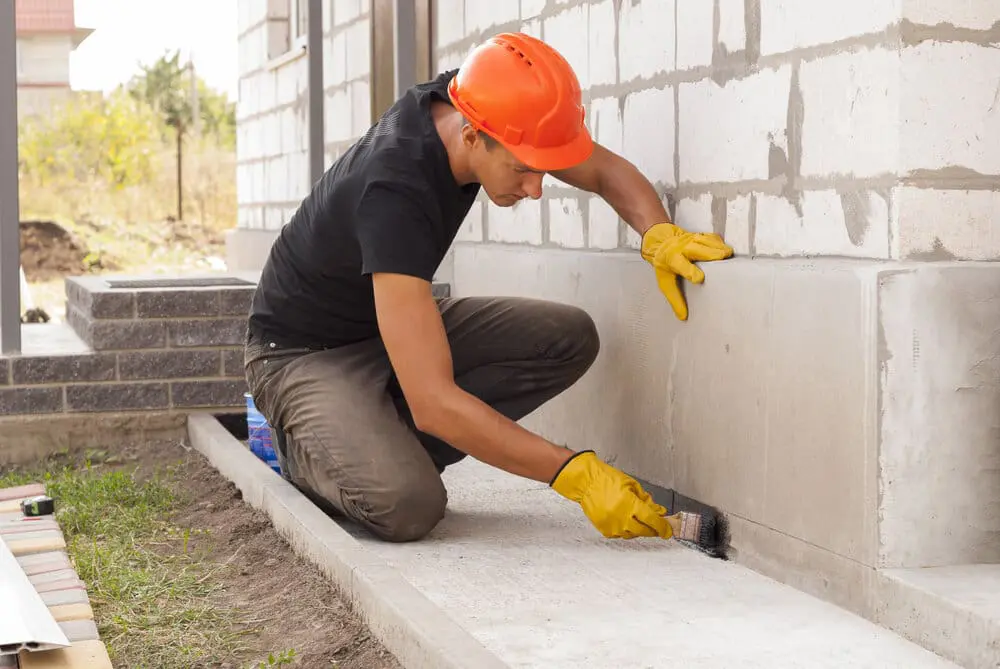
Fully replace failing foundations with expert craftsmanship and durable materials for lasting structural strength.
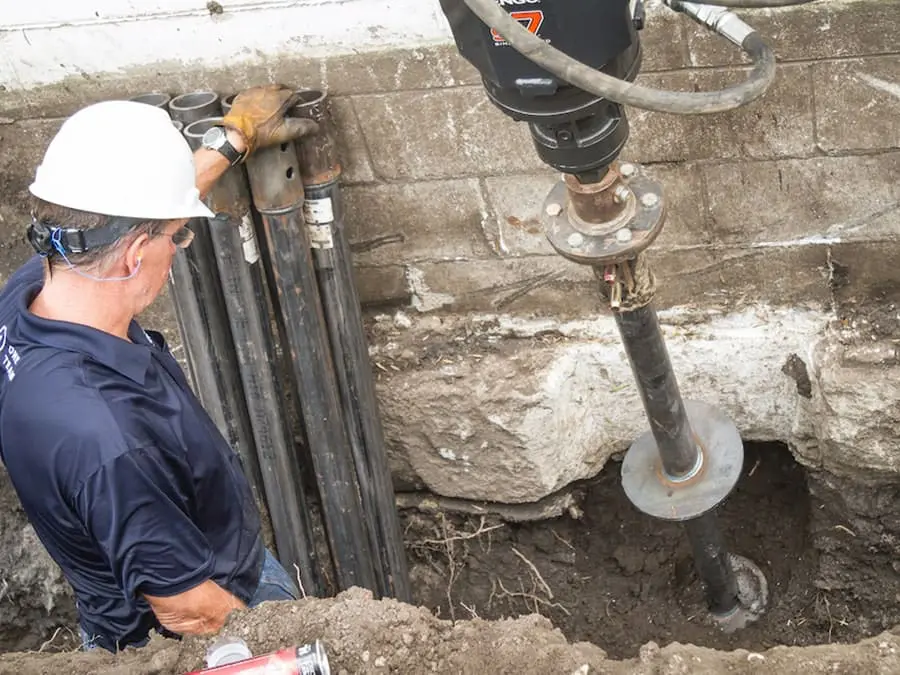
Install helical and push piers to support foundations, lift settled areas, and ensure long-term stability.
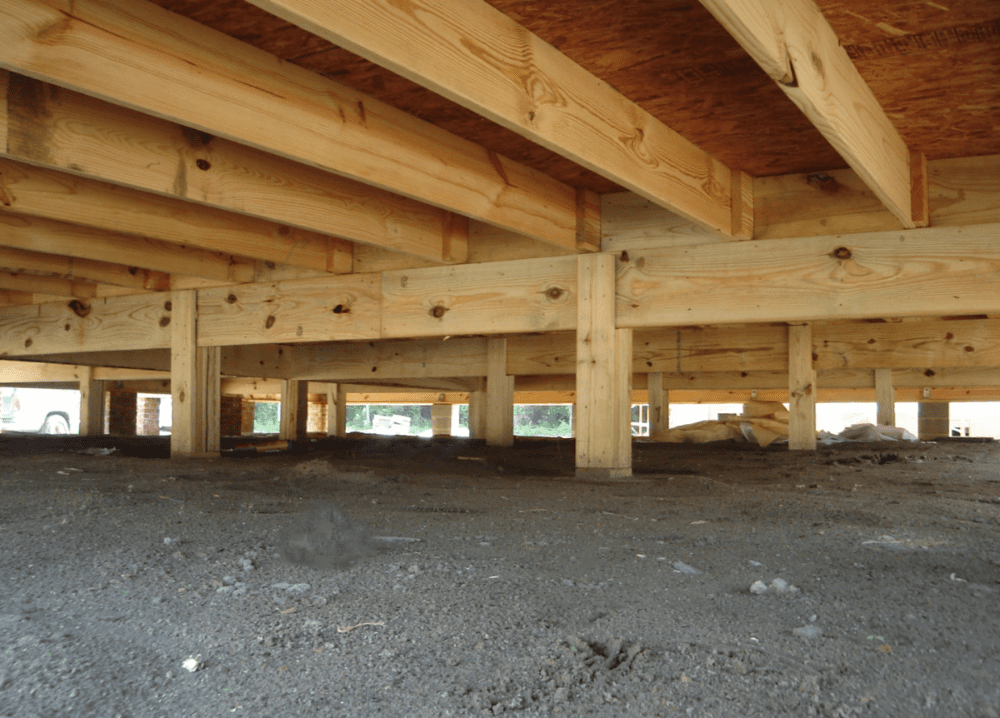
Repair damaged beams, replace supports, and level flooring to restore the integrity of pier and beam foundations.
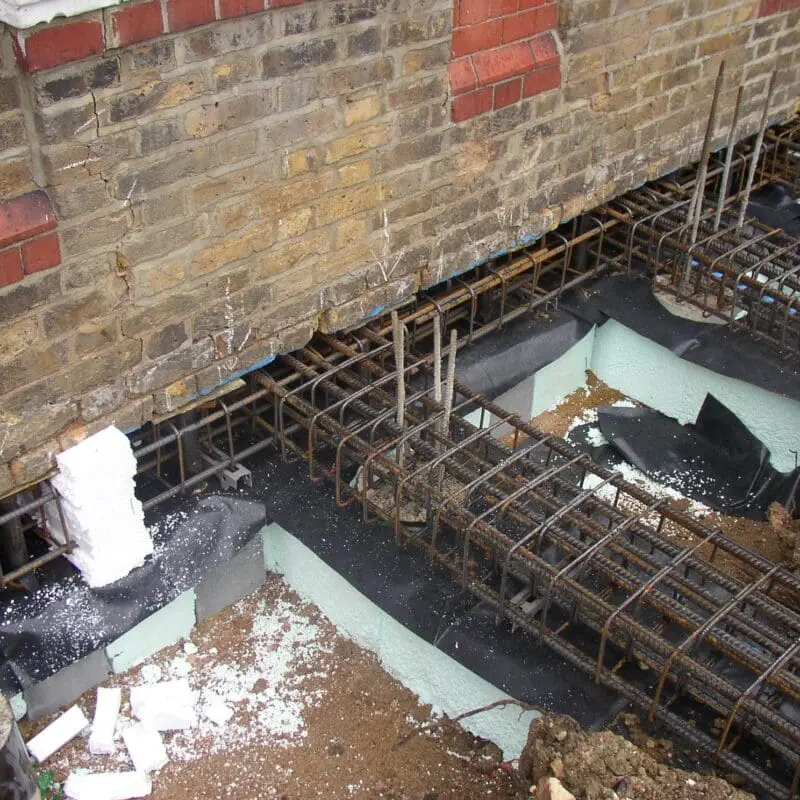
Strengthen weak foundations by adding support beneath them, preventing movement and future damage.
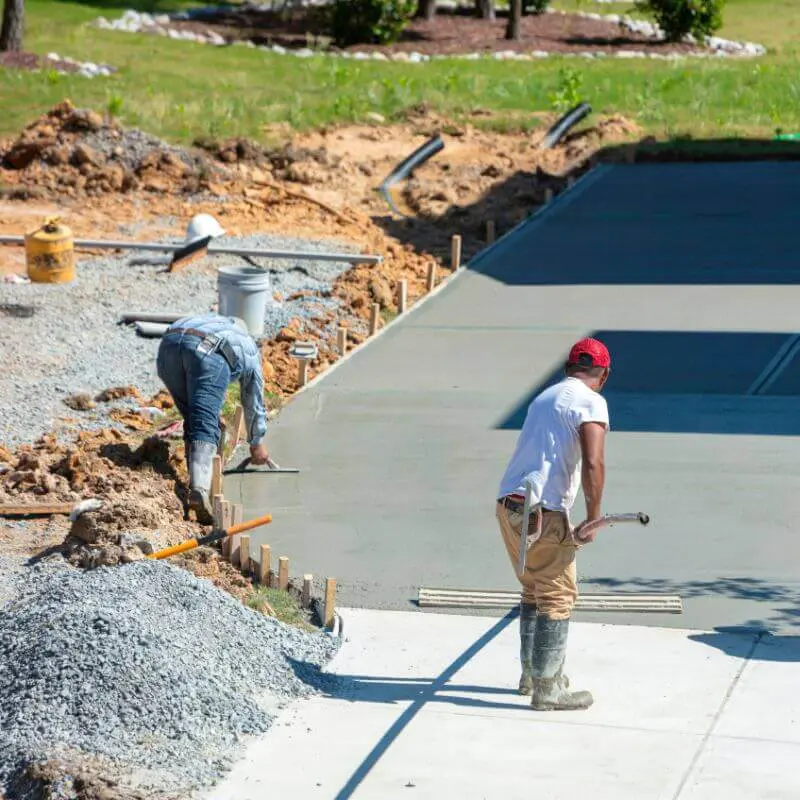
Fix cracks and unevenness in slab foundations to restore level surfaces and prevent structural issues.
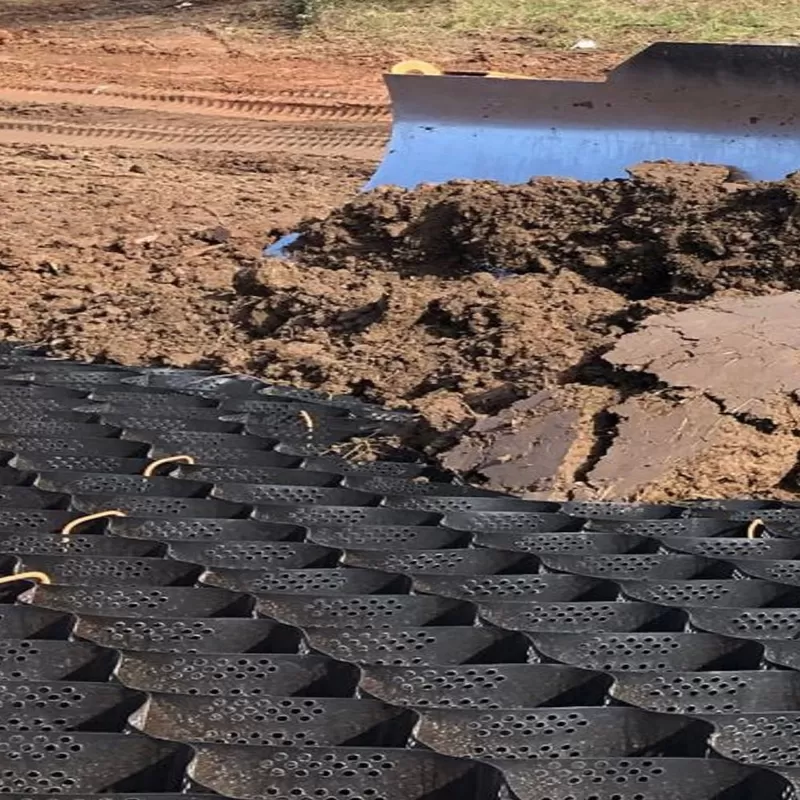
Improve ground support by treating unstable soil, reducing foundation movement and settlement risks.
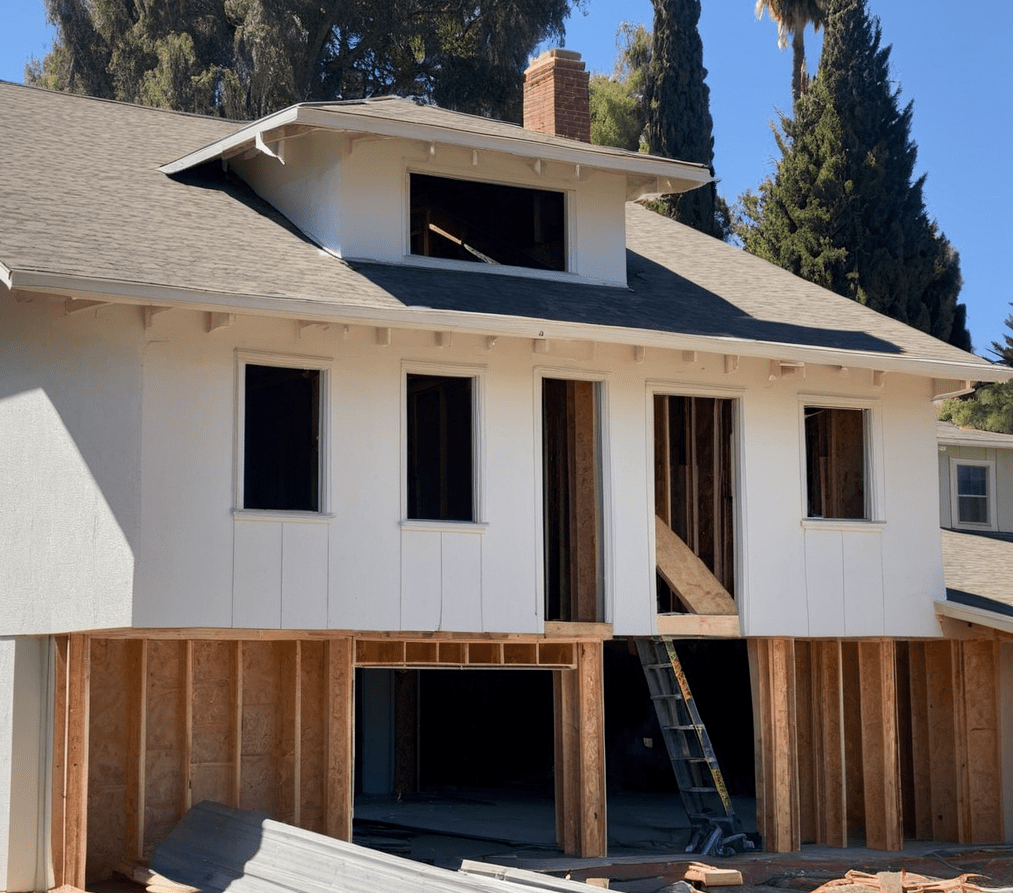
Trust our certified experts to retrofit soft-story buildings with precision, meeting all seismic safety standards.

Ground improvement and soil stabilization are related but distinct geotechnical engineering practices. Ground improvement is a broad term encompassing any technique used to enhance the engineering properties of soil, such as increasing bearing capacity or reducing settlement. This includes methods like deep dynamic compaction, stone columns, and preloading. Soil stabilization is a specific subset of ground improvement focused on chemically or mechanically altering the soil itself to improve its strength and durability, often using agents like lime, cement, or fly ash. For a deeper dive into the chemical processes involved, see our internal article The Science Behind Soil Stabilization For Stronger Foundations. Both approaches are critical for creating a reliable platform for construction on challenging sites.
There is no single "best" soil stabilizer, as the optimal choice depends entirely on the specific soil type, project requirements, and environmental conditions. For cohesive soils like clay, chemical stabilizers such as lime or cement are often highly effective, as they create strong pozzolanic reactions. For granular, sandy soils, mechanical stabilization with geosynthetics or the use of polymers might be more suitable. The key is a thorough geotechnical analysis to determine soil composition and plasticity. Industry best practice involves on-site testing with different additives to achieve the target strength, durability, and permeability. For a deeper dive into the principles of selecting and applying these materials, refer to our detailed resource, The Science Behind Soil Stabilization For Stronger Foundations. Professional consultation is always recommended to ensure a stable, long-lasting foundation.
Lime stabilization, while effective for improving certain soils, has several notable disadvantages. The process can be significantly slower than cement stabilization, requiring longer curing times before construction can proceed, which impacts project schedules. It is also less effective for soils with high organic content or high plasticity, where results can be inconsistent. The handling of quicklime poses health and safety risks, as it is caustic and requires strict protective measures for workers. Furthermore, the long-term durability of lime-stabilized layers can be compromised in environments with frequent freeze-thaw cycles or severe moisture fluctuations. The process also typically requires specialized equipment and skilled operators, potentially increasing initial project costs compared to other methods.
Properly stabilizing the soil around a foundation is a critical preventative measure against structural damage. The process begins with a professional assessment to identify soil type, moisture content, and drainage issues. Common stabilization techniques include installing proper surface and subsurface drainage to direct water away, which is the primary cause of soil movement. For expansive clays, techniques like deep watering or installing root barriers may be necessary. In severe cases, chemical stabilization or mechanical compaction by professionals might be required. A key component is ensuring effective water management, as detailed in our internal article, The Role Of Drainage Systems In Protecting Your Foundation. Consistent maintenance and addressing moisture imbalances are fundamental to long-term soil stability.
Golden Bay Foundation Builders: Your Bay Area Foundation Pros. At Golden Bay Foundation Builders, we embody the essence of professionalism and steadfast dedication to excellence. Our unwavering commitment to providing top-tier foundation solutions reflects our core values and drives every aspect of our work. Searching for a foundation repair specialist near you? Give us a call.

Contractor’s License #1112835
Bond: #66828987
Website By Anna Tambini | SEO by Sitelinx
99 reviews