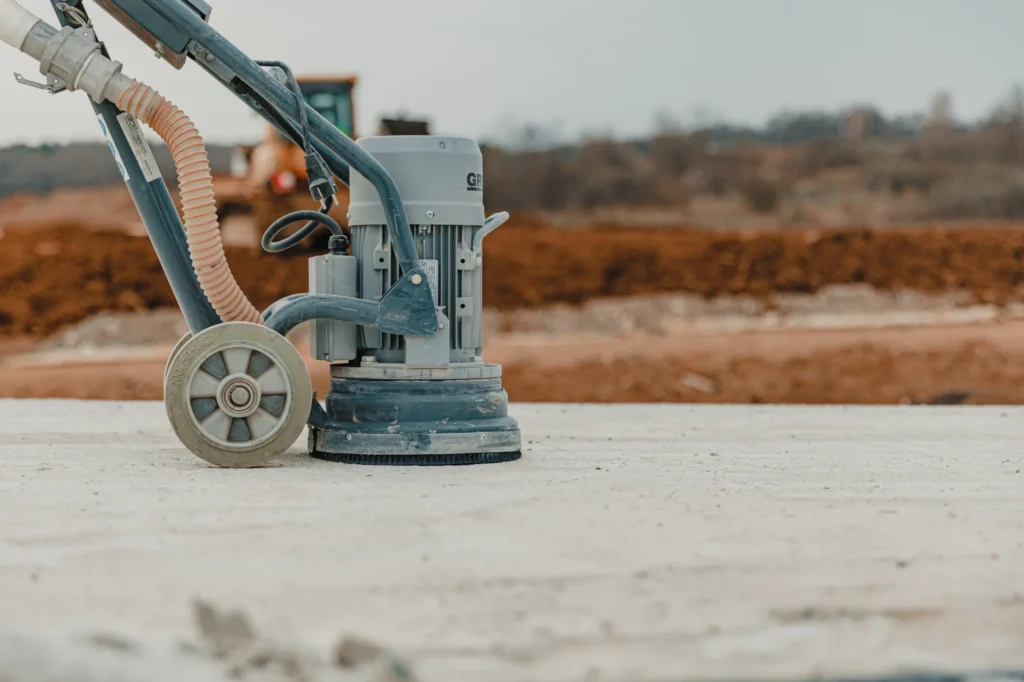
Berkeley has an uneven topography, with steep residential areas above Grizzly Peak and Panoramic hill to the older, flat areas around North Berkeley, Westbrae and Central Berkeley, which have patterns of soils that fluctuate drastically over the course of the year. In the meantime, the low-lying flats of San Pablo Avenue, Aquatic Park, and the Addison Street are subject to older fill material and variable groundwater level, which seems to be the cause of long-term settlement and softening of the soil.
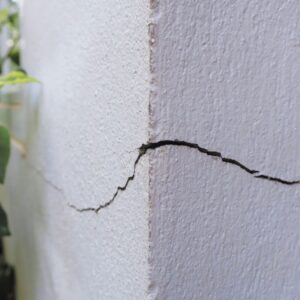
Such changes can be manifested in their initial signs that may include things like cracking walkways, soil pulling away at the perimeter walls, sinking outdoor surfaces or movement associated with moisture at the foundation edges. The erosion, seasonal variations in moisture and Berkeley decades of development combine to make soil stabilization a vital solution to assure the reliable structural support. The solutions stabilization proposed by our team is tailored to the specifics of the soil behavior in Berkeley so that the current structures and the new construction projects would have safer grounds.
Stabilization starts with the reliable soil testing. The hillsides and flats of Berkeley have to be tested using different methods since soils of each type will not react to pressure, water and load in the same way. The samples of soils are taken and tested to determine the density, composition, moisture content and compaction.
Laboratory tests indicate the ability of the soil to carry structural weight, the behavior of the soil under the wet or dry conditions and the susceptibility of the soil to erosion or settlement. Our stabilization process is informed by this information, and the techniques are aligned to the needs of the property and the local conditions. Correct testing also mitigates future risks by correcting the deficiencies of soil at the point.
Contractors should know the behavior of the soil under the property before any works on the soil stabilization can start. The combination of the topography of hillsides and a mixture of old patterns of development and the specifics of Berkeley and clay makes the task of evaluation a detailed and careful process.
Our group works on the extent to which the soil takes in water, retains water and responds to changes in seasons. This assists in identifying that soil instability is either due to expansion, shrinkage or softening.
Not all the soil issues are on the surface. We examine more profoundly the pockets of soil where settlement usually commences. Such lower layers are often compacted or washed away in time, making the general support less strong.
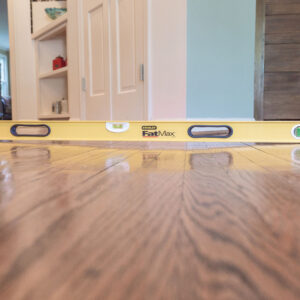
We will consider the impact of soil movement on the house which has already taken place. The cracks in the foundations, the use of uneven floors, or other exterior displacement assists us in knowing where the reinforcements need to be done most.
The stabilization projects are informed by safety and structural reliability. Many older houses, hillside architectures, and landworks can be found in Berkeley, and each of them deserves careful design and accurate construction.
Complex Terrain Precision: We map the soil behavior on steep lots and uneven elevations to make sure that the soil would not give way in any direction. This helps to avoid slope creep and minimize pressure on retaining walls and foundations at a lower level.
Enhanced Strengthening of Moisture- active soil: Our crew uses the methods of stabilization which help to resist the extreme swelling and contraction present in the clay soils of Berkeley to ensure that the structures are stable even when the seasons change.
Quality Workmanship Supported by Structural Know-Hows: Our engineers will test the structural requirements with the soil conditions such that the stabilization will help to support the ground as well as the home resting on it. The two-fold strategy is what makes every project adequate to the current safety standards.
Stabilization prevents various types of soil movement particularly those affected by the fluctuation of ground water, erosion of hill sides as well as decaying fill. Soluble or loose soil under concrete slabs is enhanced to avoid its sinking and cracking.
Eroded slopes are also strengthened in order to minimize the washouts and in order to keep the home in place in case of lateral movement. Water runoff causes soil voids that are filled and compacted back to the required uniform ground support. These enhancements provide a firm and predictable foundation that can resist seasonal fluctuations and structural long-term pressure.
David was a lifesaver when it came to fixing our foundation issues. He thoroughly explained the problem areas and worked efficiently. We felt confident in the repairs and appreciated his attention to detail.

Steady, well-organized repair service focused on structural safety and durability.
After noticing doors sticking and cracks in our drywall here in Warm Springs, we called for a foundation inspection. The team was incredibly thorough, using laser levels to measure settling and explaining everything in plain terms.

Nisan was very helpful on guiding me via the permit process for earthquake retrofit. Work was executed quickly. Thanks
We were very happy with the results of our inspection with Ryan! He explained the settling in homes and what things we should look for, and was very professional, friendly, and efficient. Thanks!
Had a great experience working with Kyndell from Golden Bay Foundation Builders. I recently purchased the home and was looking for help with earthquake retrofitting options. He inspected my foundation carefully and determined that past bolting was likely adequate. He had suggestions about monitoring the foundation. He was very thoughtful and detailed in his approach, and worked to determine what was best for the home. In this case, that meant no need for additional work now. But if I need any additional assistance in the future, will be calling him again.
We needed crawl space repairs due to pests and moisture damage. They sealed it up, reinforced the beams, and added vapor barriersnow it’s dry and structurally sound. Excellent service from start to finish!
Our home needed retrofitting, and they did an amazing job reinforcing the foundation. They preserved the home’s character while making it structurally sound. If you need an expert who respects older homes, these are your guys.
We had a terrible experience with another contractor before finding these guys. They corrected the shoddy work, fixed our foundation properly, and treated us with respect. Finally, a business that stands by their word and does quality work.
We had a sinking foundation that caused doors to stick, but they fixed it with piers and proper leveling. Their team was professional, answered all our questions, and even followed up afterward. No more sticking doorsjust a solid, stable home.
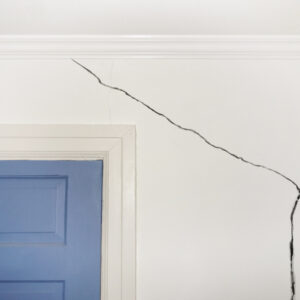
We’re here to help! Swiftly addressing these concerns is key. Our experts will promptly inspect and repair your foundation, ensuring the lasting strength and safety of your home. Reach out without hesitation for reliable assistance.


We are happy to service communities throughout the East Bay Area and beyond.

Restore stability, fix cracks, and reinforce your foundation for lasting structural integrity
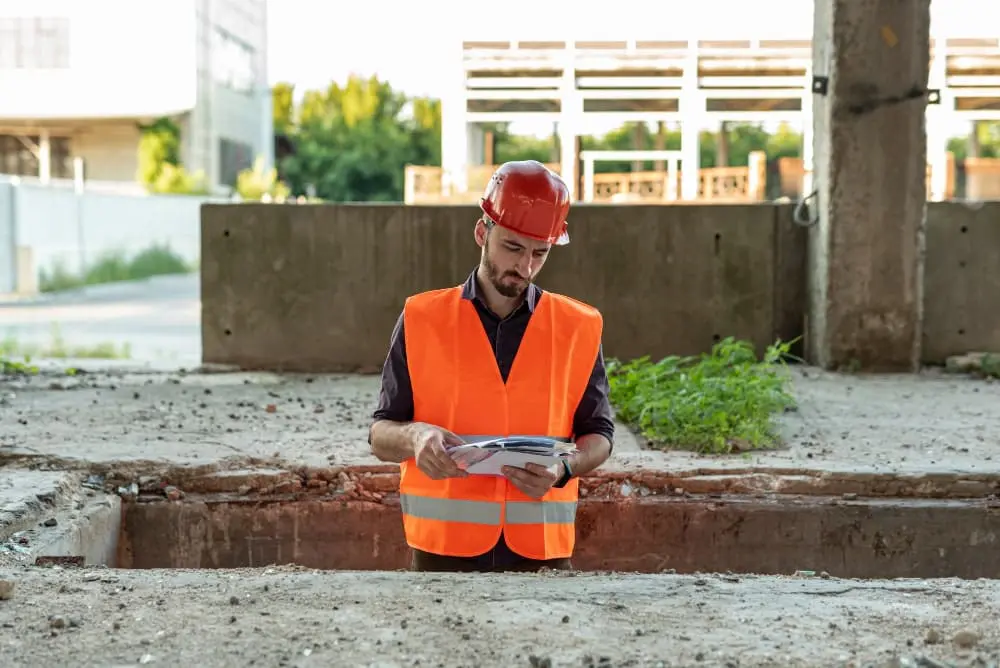
Thoroughly assess foundation health, identify issues, and provide expert recommendations for maintenance.
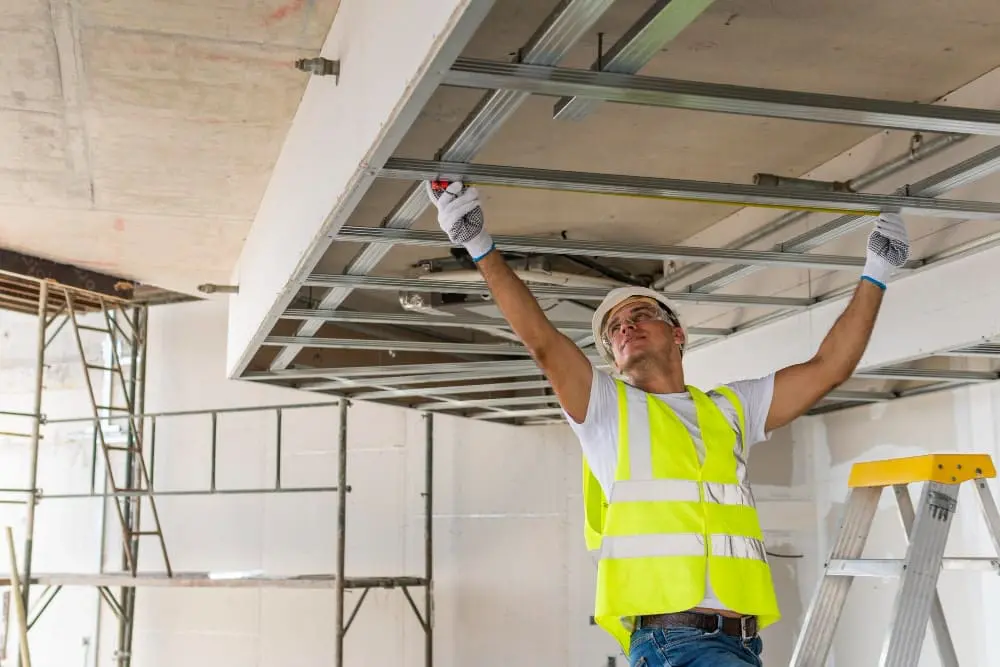
Ensure a healthy crawl space environment by addressing moisture, insulation, and structural concerns.
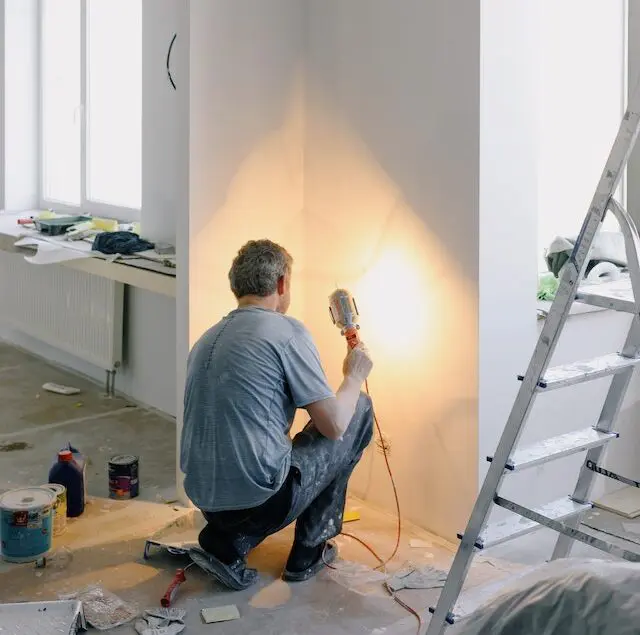
Replace damaged or compromised structural elements with precision and quality craftsmanship.

Strengthen your property to withstand seismic activity, safeguarding against potential earthquake damage
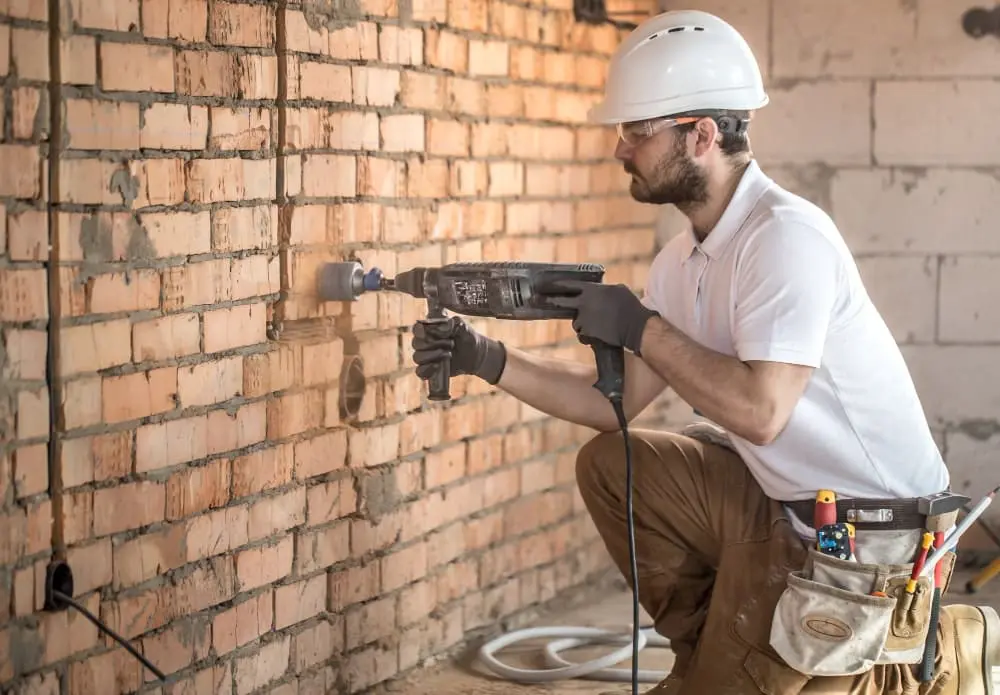
Expertly repair and reinforce stem walls to maintain the overall stability of your property.
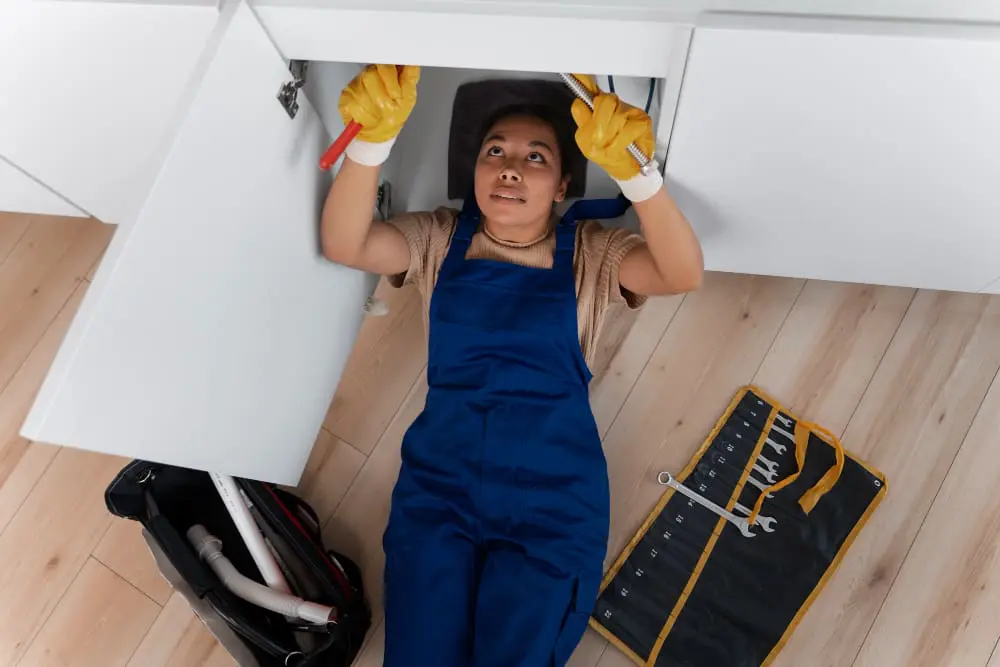
Efficient drainage solutions to manage water runoff and prevent issues such as flooding and soil erosion. Our expert team designs and installs drainage systems tailored to your property's needs, ensuring effective water management.
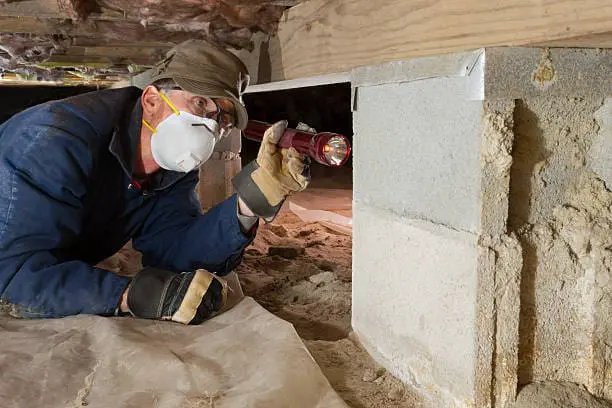
Stabilize sinking foundations with push piers that reach load-bearing soil. Restore structure and prevent further settlement.
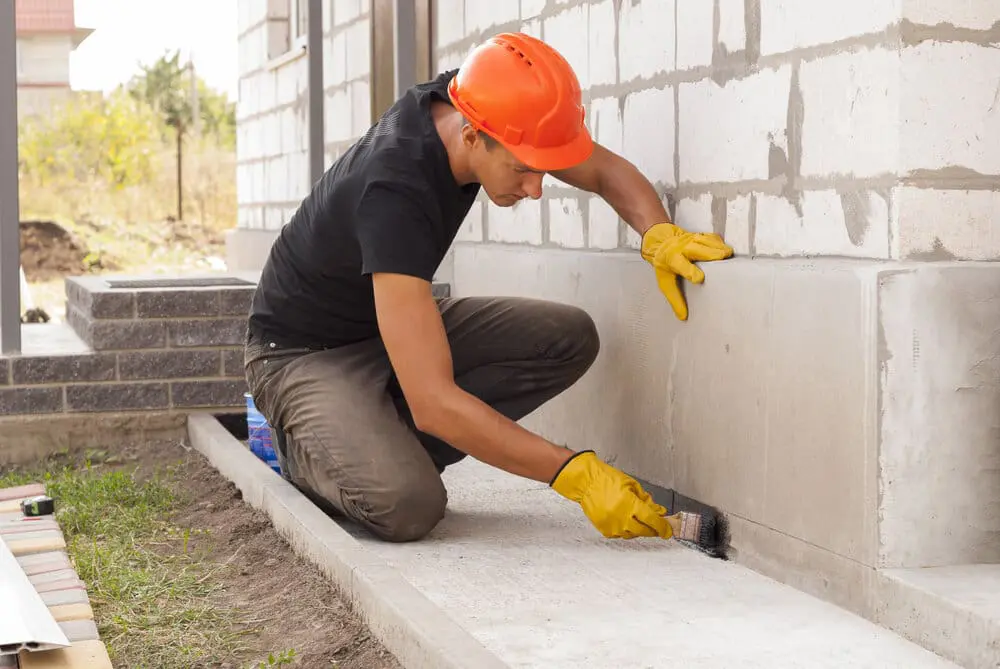
Fully replace failing foundations with expert craftsmanship and durable materials for lasting structural strength.
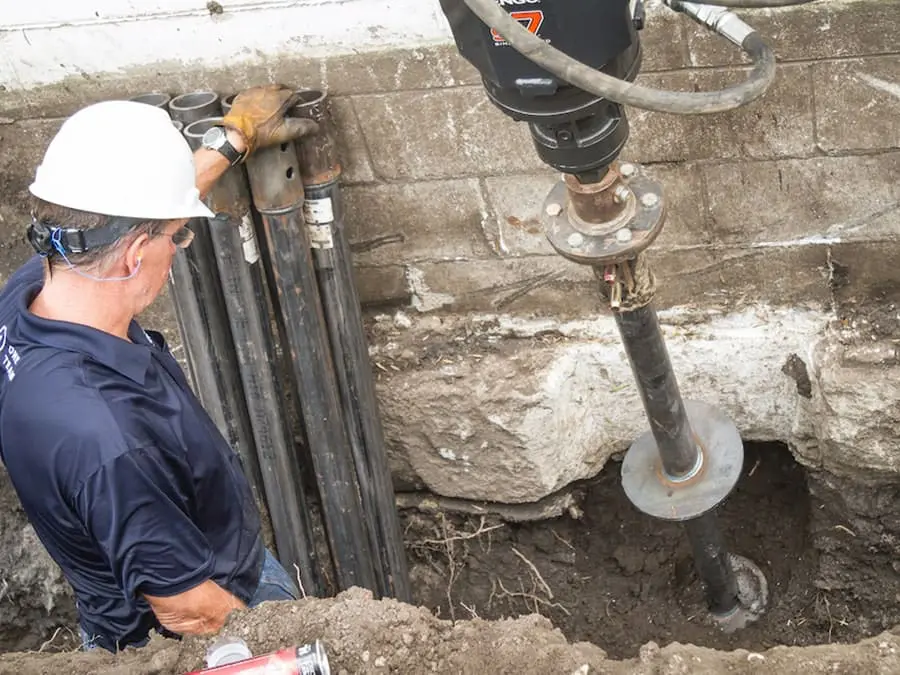
Install helical and push piers to support foundations, lift settled areas, and ensure long-term stability.
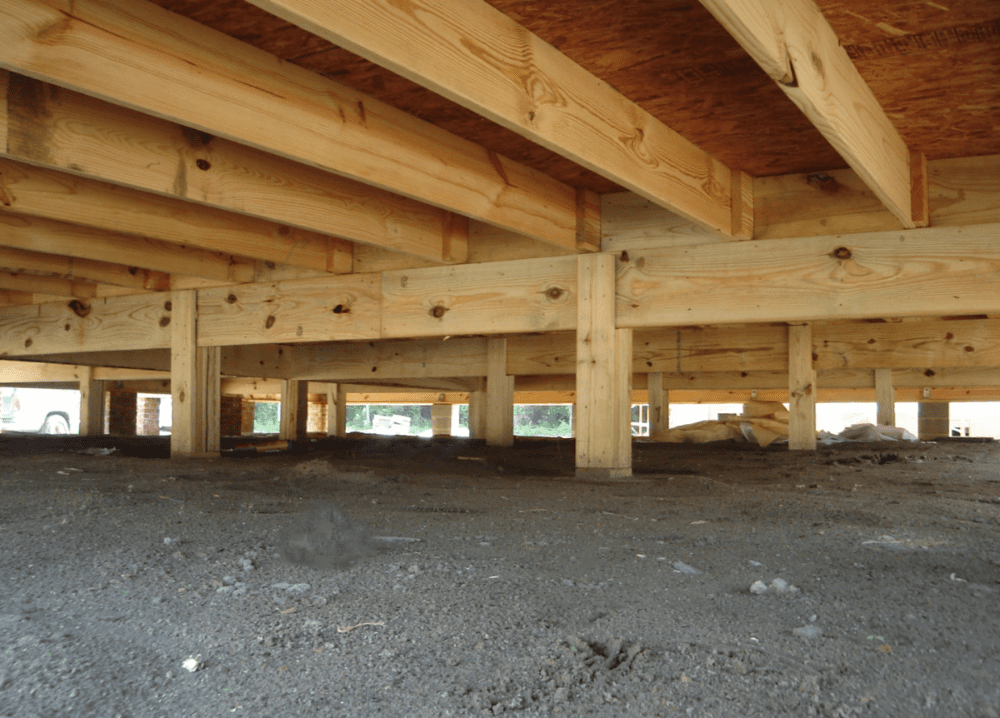
Repair damaged beams, replace supports, and level flooring to restore the integrity of pier and beam foundations.
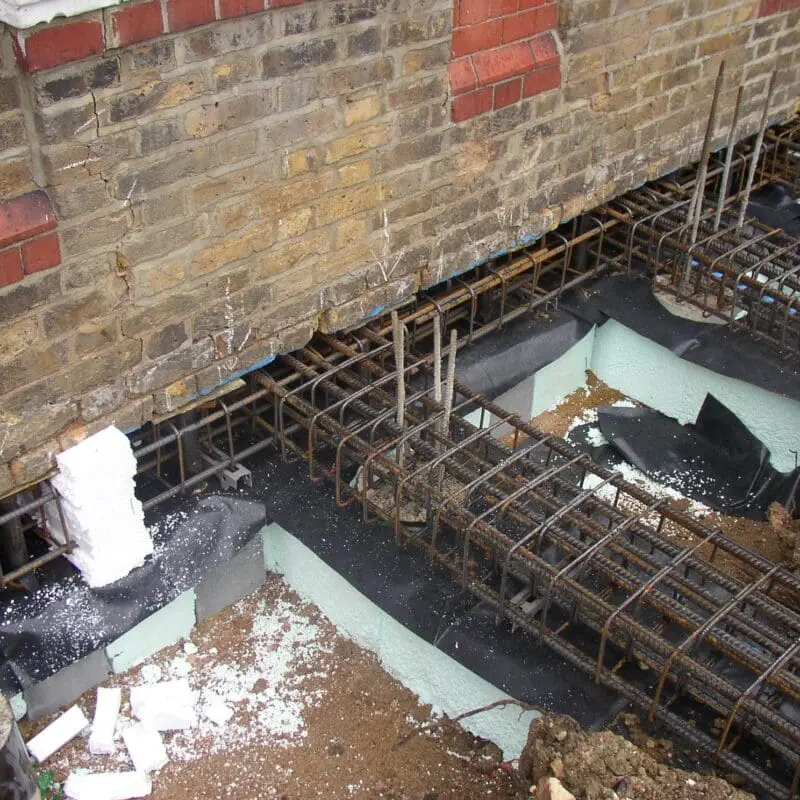
Strengthen weak foundations by adding support beneath them, preventing movement and future damage.
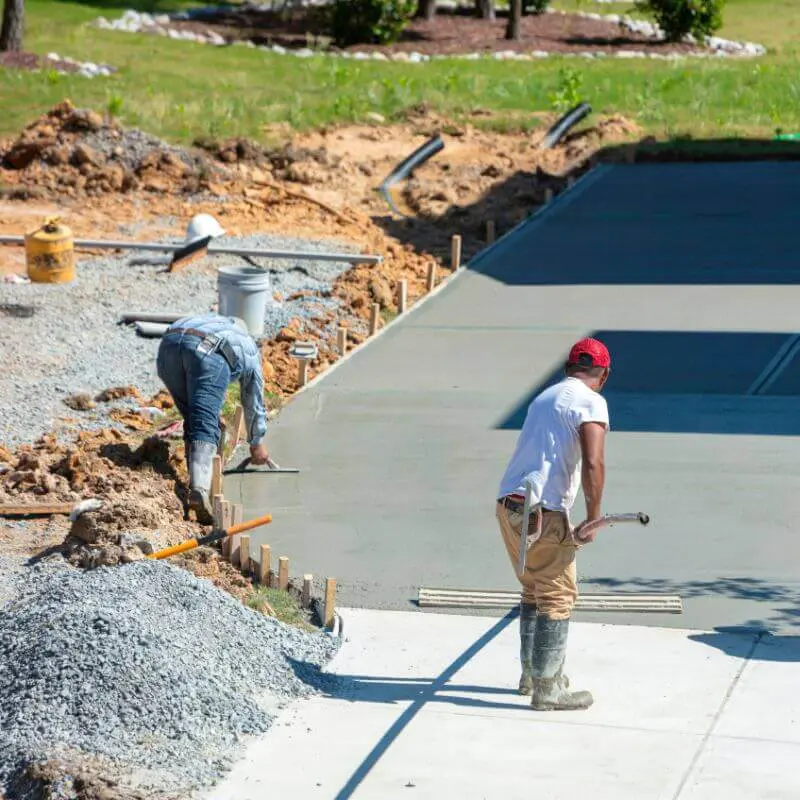
Fix cracks and unevenness in slab foundations to restore level surfaces and prevent structural issues.
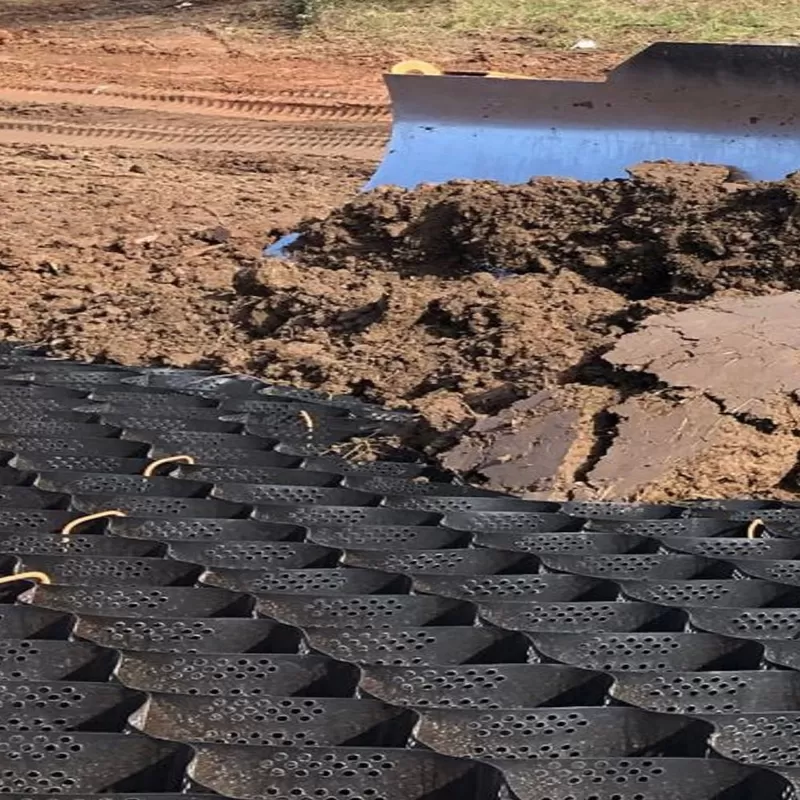
Improve ground support by treating unstable soil, reducing foundation movement and settlement risks.
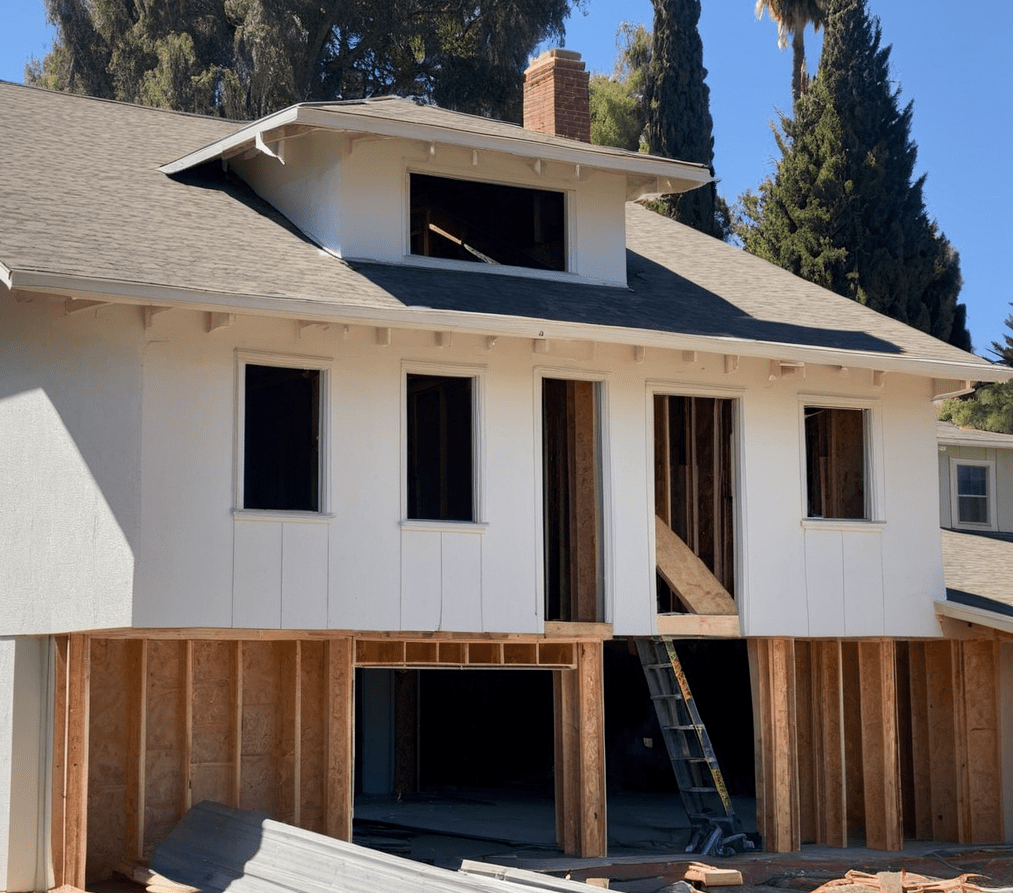
Trust our certified experts to retrofit soft-story buildings with precision, meeting all seismic safety standards.

Ground improvement and soil stabilization are related geotechnical techniques, but they have distinct scopes and objectives. Soil stabilization is a subset of ground improvement. Specifically, soil stabilization refers to the process of altering the physical or chemical properties of a soil to enhance its engineering performance—such as increasing its strength, durability, or reducing its permeability—often through the addition of materials like lime, cement, or polymers. Ground improvement is a broader term encompassing all methods used to enhance the properties of the ground, which includes stabilization, but also techniques like deep compaction, vibro-replacement, and the installation of vertical drains. The goal is to make the ground suitable for construction, whether by modifying the soil itself or by reinforcing the soil mass. For a deeper dive into one key method, our internal article, The Science Behind Soil Stabilization For Stronger Foundations, provides excellent detail on modern chemical and mechanical stabilization practices.
Soil modification and soil stabilization are both ground improvement techniques, but they differ in purpose and permanence. Soil modification is a temporary process aimed at improving the immediate workability of soil, typically for construction during wet conditions. It involves adding agents like lime or cement to reduce moisture content and plasticity, making the soil easier to compact and handle. In contrast, soil stabilization is a permanent treatment designed to enhance the soil's long-term engineering properties, such as strength, durability, and load-bearing capacity. This often uses higher doses of binders like cement, fly ash, or polymers to create a chemically altered, stable matrix. Modification is about short-term handling, while stabilization provides a lasting structural foundation.
There is no single "best" soil stabilizer, as the optimal choice depends entirely on the specific soil type, project requirements, and environmental conditions. For cohesive soils like clay, chemical stabilizers such as lime or cement are often highly effective, as they create strong, permanent bonds. For granular soils, mechanical stabilization with geotextiles or synthetic polymers might be the preferred method. The key is a thorough geotechnical analysis to understand the soil's composition and plasticity. A professional engineer can then prescribe the correct stabilizer and application rate to ensure long-term stability and load-bearing capacity. For a deeper dive into the methods and chemistry involved, we recommend our internal article, The Science Behind Soil Stabilization For Stronger Foundations.
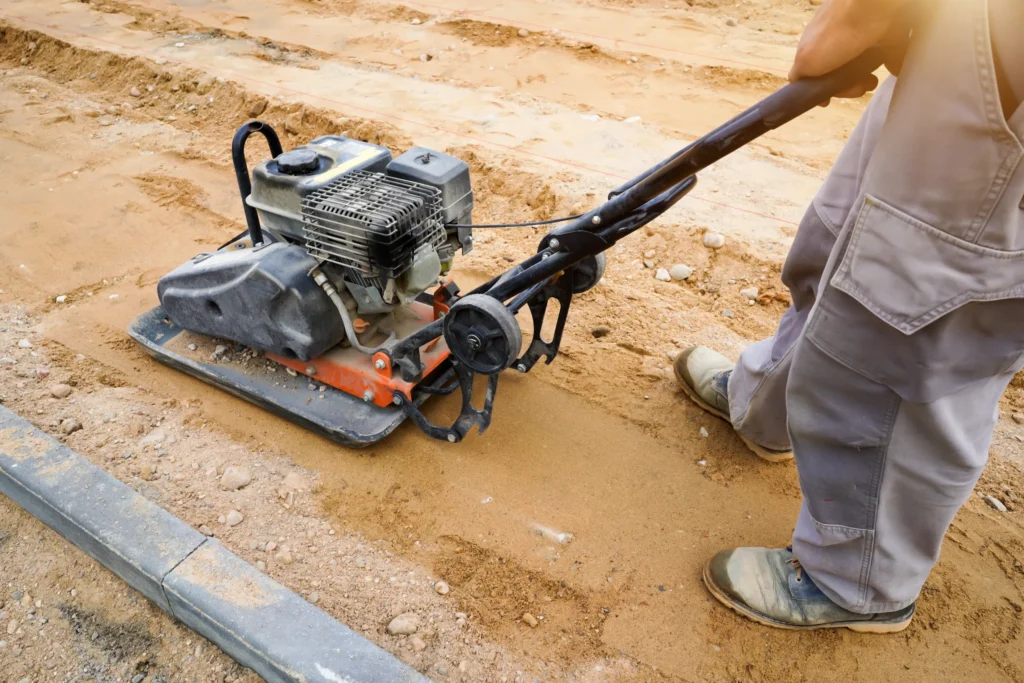
Improving soil stability is a fundamental aspect of construction and land development. Key methods include mechanical compaction to increase density and reduce voids, and the addition of stabilizing agents like lime, cement, or fly ash, which chemically alter the soil to enhance its load-bearing capacity and reduce plasticity. Proper drainage is critical, as water is a primary cause of instability; installing systems to control groundwater and surface runoff is essential. For a deeper exploration of chemical processes and advanced techniques, our internal resource, Soil Stabilization, provides comprehensive guidance. Engineers must always conduct thorough geotechnical investigations to select the most appropriate and cost-effective stabilization strategy for the specific soil conditions on site.
Golden Bay Foundation Builders: Your Bay Area Foundation Pros. At Golden Bay Foundation Builders, we embody the essence of professionalism and steadfast dedication to excellence. Our unwavering commitment to providing top-tier foundation solutions reflects our core values and drives every aspect of our work. Searching for a foundation repair specialist near you? Give us a call.

Contractor’s License #1112835
Bond: #66828987
Website By Anna Tambini | SEO by Sitelinx
99 reviews