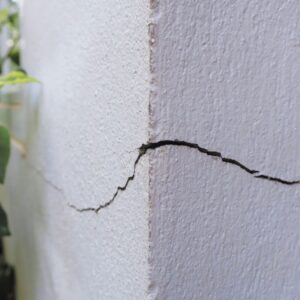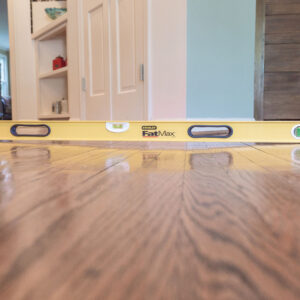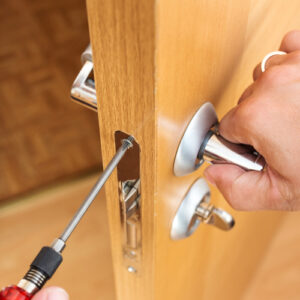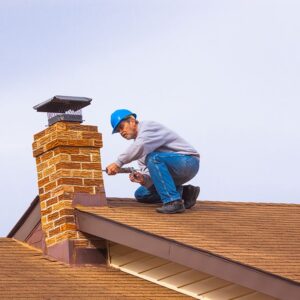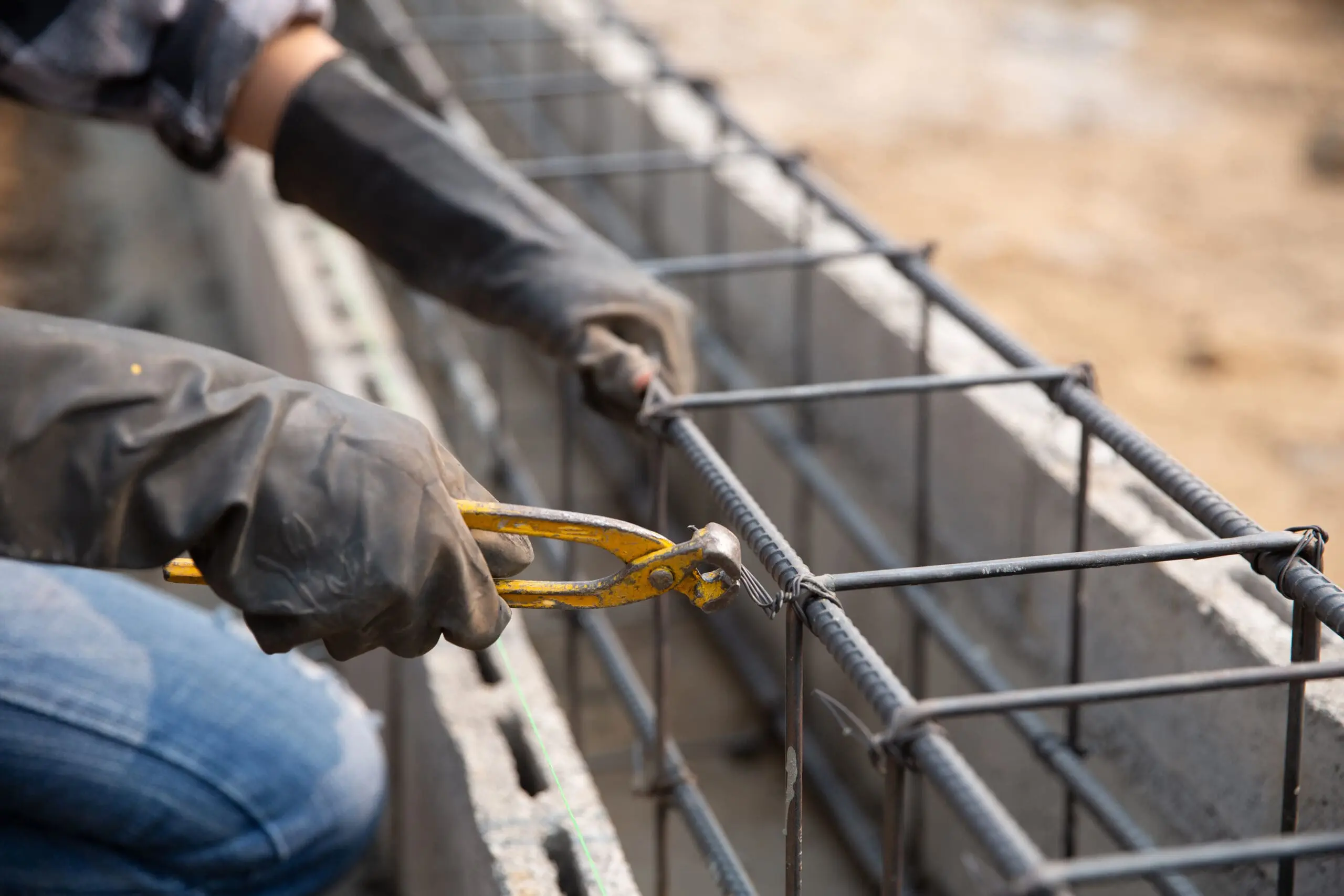
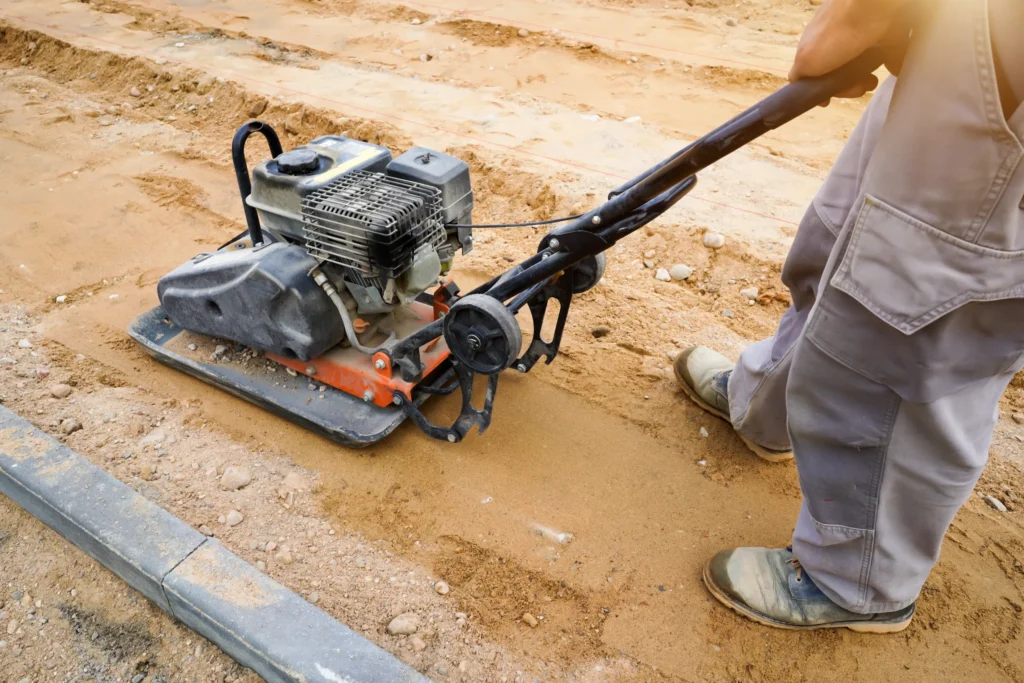
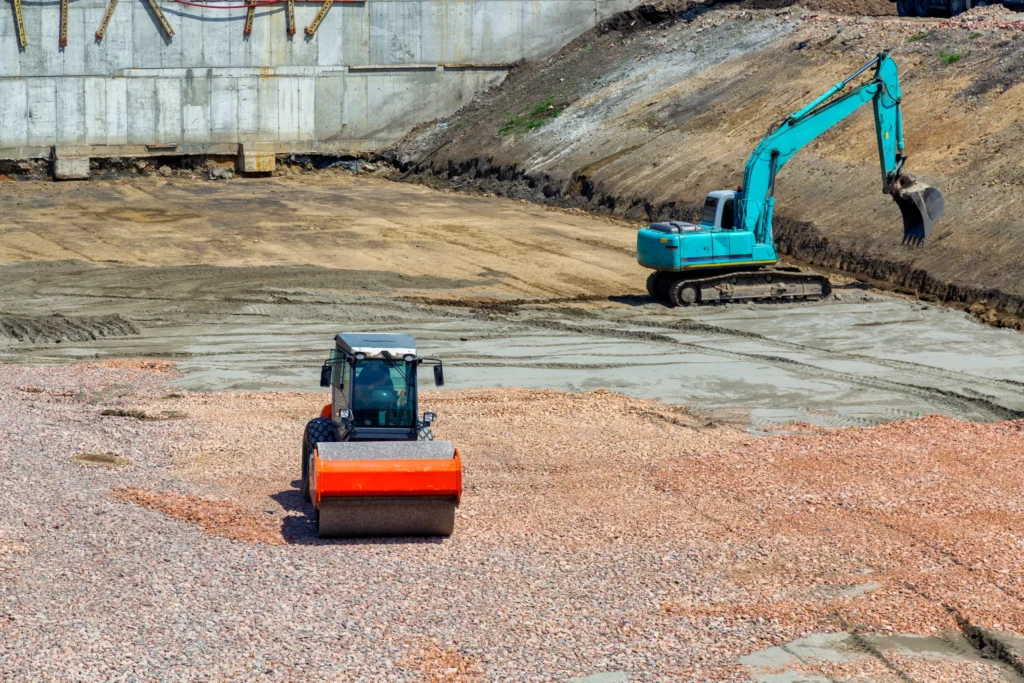
The narrow plan of Albany and the combination of soil types and the proximity of the Bay make the grounds change than most of the homeowners care to think. The real estate around Solano Avenue, Marin Avenue and the quaint residential lanes of Thousand oaks usually occupy clay soils which literally swell following a rain and narrow during dry summer seasons. Homes nearer to Albany Hill, the Cerrito Creek and waterfront near the Golden Gate Fields have had further changes in the soil due to the changes in moisture, the effect of the hill side pressure and the aged fill material that had been deposited several decades earlier during the building of the neighborhood.
Such situations usually evoke the first signs of soil instability: the driveways start to sink, ground starts to divide at the edges of the foundations, small cracks are observed on the surface of the ground, or the walls are no longer placed correctly on the landscape. Since Albany has a combination of old houses, hillside nooks and low-rise apartments, which are both affected by ground water, soil stabilization becomes the necessary procedure in securing foundations, hardscapes, and future constructions.
The small agricultural patches, community gardens and open soils in Albany are highly benefiting in terms of stabilization particularly where the expansion or erosion of the clay interferes with the planting and irrigation systems.
Stabilization of soil enhances the architectural stability of the soil and crops, vines or landscaping can grow within the soil without the shifting soil during changes in seasons. Moisture of soil is retained better due to stabilization, which also enhances the root zones and minimizes nutrient loss due to soil erosion or runoff. The increased consistency of the soil provides the farming fields with a better and reliable foundation of long-term productivity.
The industrial plants in Albany, especially plants located along the freeway path, Eastshore Highway, and warehouses, are dependent on firm soil to take the burden of heavy machinery, extensive slab foundations and unrestrained regular use.
Industrial properties require soil that can sustain weight which is heavy without compression. We reinforce deeper layers to ensure that the ground is firm and is deep enough to support machinery, stores, and heavy traffic activities.
Industrial slabs are prone to settlement in cases of low resistance of the soil underneath. Stabilization reduces the downward movement ensuring the surfaces are level and minimizing repair expenses in the long-run.
The change of groundwater, in the vicinity of the Bay, can be used to soften industrial site soil. Our soil stabilization techniques assist soil to withstand absorption of moisture and ensure the same support even during the change of seasons.
Our company is very specific and scientific in the way we view soil reinforcement and make sure that each Albany house is provided with a solution that aligns with the terrain and moisture specifications.
Accurate Soil Assessment of Accurate Planning
We study the density, moisture, and compaction, and the soil composition in order to determine the precise layers that bring about instability. This enables us to model the stabilization treatments very precisely.
Methods that fit the Landscape and Climate of Albany
The property being close to the Bay, on a high place close to Albany Hill, or in the older residential neighborhoods, we use reinforcement methods depending on the soil behavior in the area.
Consistent Results Supported by time-tested experience
Our professionals make sure that the soil will be stable during the periods of moisture, pressure on the hillside and during the long-term structural loads. This is a long-term assurance to both the homeowners and the builders as well as the property managers.
The clay soils in Albany swell during rainy seasons and shrink during dry seasons a process that exposes foundations to constant pressure. In the long run, this swelling and shrinking may crack slabs, move footings and push soil off structural edges.
We cause the soil to react to the moisture as it would otherwise, thus preventing the motion in the foundation resulting in the displacement. Stabilizing these zones maintains the household plane, decreases the long-term upkeep, and safeguards the structural framework against seasonal earth conditions.
David was a lifesaver when it came to fixing our foundation issues. He thoroughly explained the problem areas and worked efficiently. We felt confident in the repairs and appreciated his attention to detail.

Steady, well-organized repair service focused on structural safety and durability.
After noticing doors sticking and cracks in our drywall here in Warm Springs, we called for a foundation inspection. The team was incredibly thorough, using laser levels to measure settling and explaining everything in plain terms.

Nisan was very helpful on guiding me via the permit process for earthquake retrofit. Work was executed quickly. Thanks
We were very happy with the results of our inspection with Ryan! He explained the settling in homes and what things we should look for, and was very professional, friendly, and efficient. Thanks!
Had a great experience working with Kyndell from Golden Bay Foundation Builders. I recently purchased the home and was looking for help with earthquake retrofitting options. He inspected my foundation carefully and determined that past bolting was likely adequate. He had suggestions about monitoring the foundation. He was very thoughtful and detailed in his approach, and worked to determine what was best for the home. In this case, that meant no need for additional work now. But if I need any additional assistance in the future, will be calling him again.
We needed crawl space repairs due to pests and moisture damage. They sealed it up, reinforced the beams, and added vapor barriersnow it’s dry and structurally sound. Excellent service from start to finish!
Our home needed retrofitting, and they did an amazing job reinforcing the foundation. They preserved the home’s character while making it structurally sound. If you need an expert who respects older homes, these are your guys.
We had a terrible experience with another contractor before finding these guys. They corrected the shoddy work, fixed our foundation properly, and treated us with respect. Finally, a business that stands by their word and does quality work.
We had a sinking foundation that caused doors to stick, but they fixed it with piers and proper leveling. Their team was professional, answered all our questions, and even followed up afterward. No more sticking doorsjust a solid, stable home.
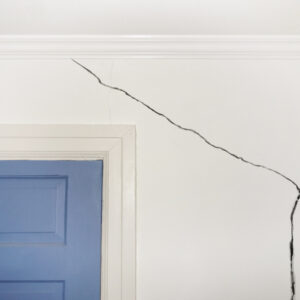
We’re here to help! Swiftly addressing these concerns is key. Our experts will promptly inspect and repair your foundation, ensuring the lasting strength and safety of your home. Reach out without hesitation for reliable assistance.


We are happy to service communities throughout the East Bay Area and beyond.

Restore stability, fix cracks, and reinforce your foundation for lasting structural integrity
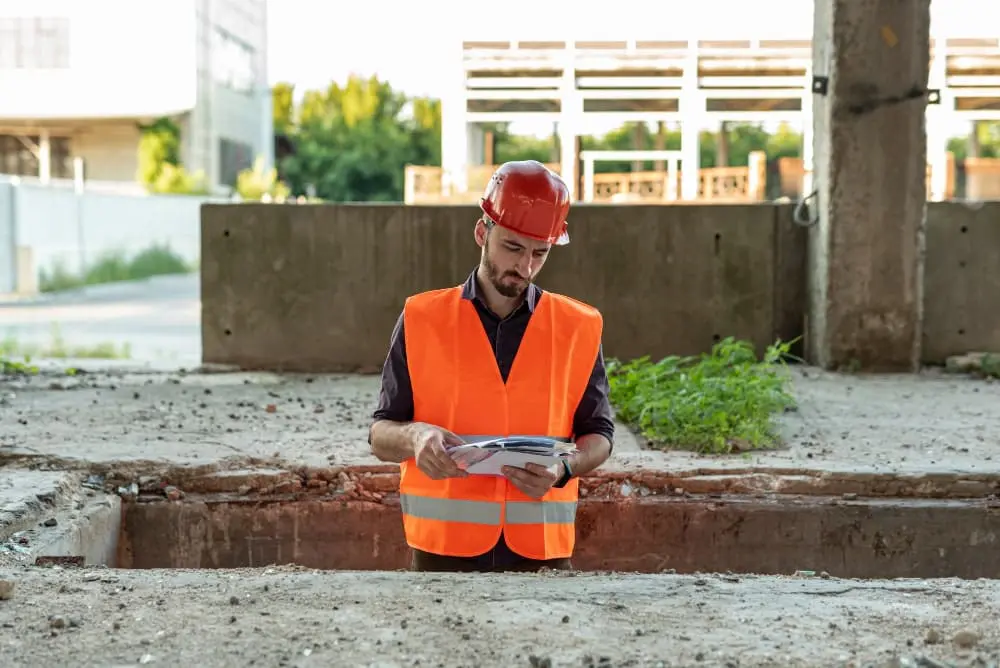
Thoroughly assess foundation health, identify issues, and provide expert recommendations for maintenance.
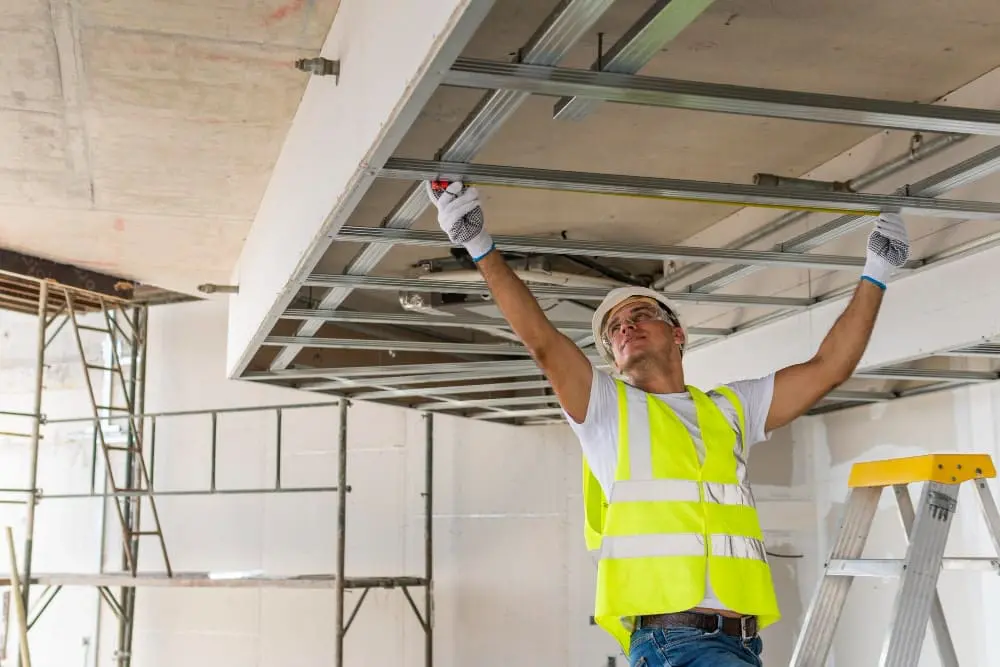
Ensure a healthy crawl space environment by addressing moisture, insulation, and structural concerns.
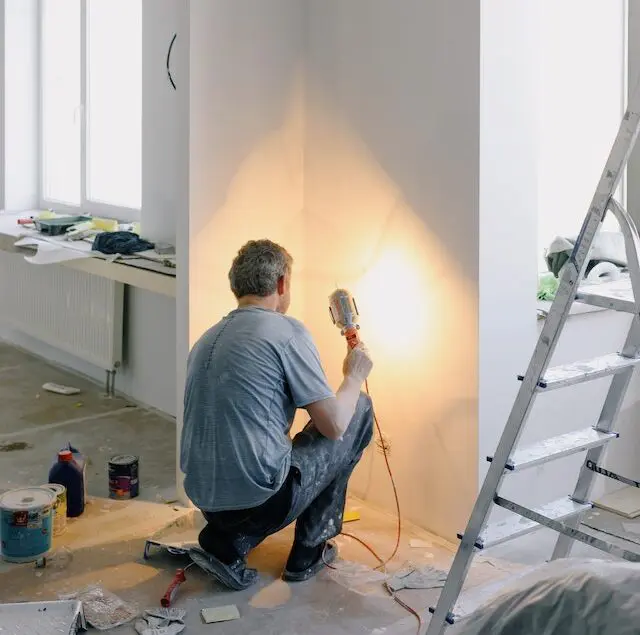
Replace damaged or compromised structural elements with precision and quality craftsmanship.

Strengthen your property to withstand seismic activity, safeguarding against potential earthquake damage
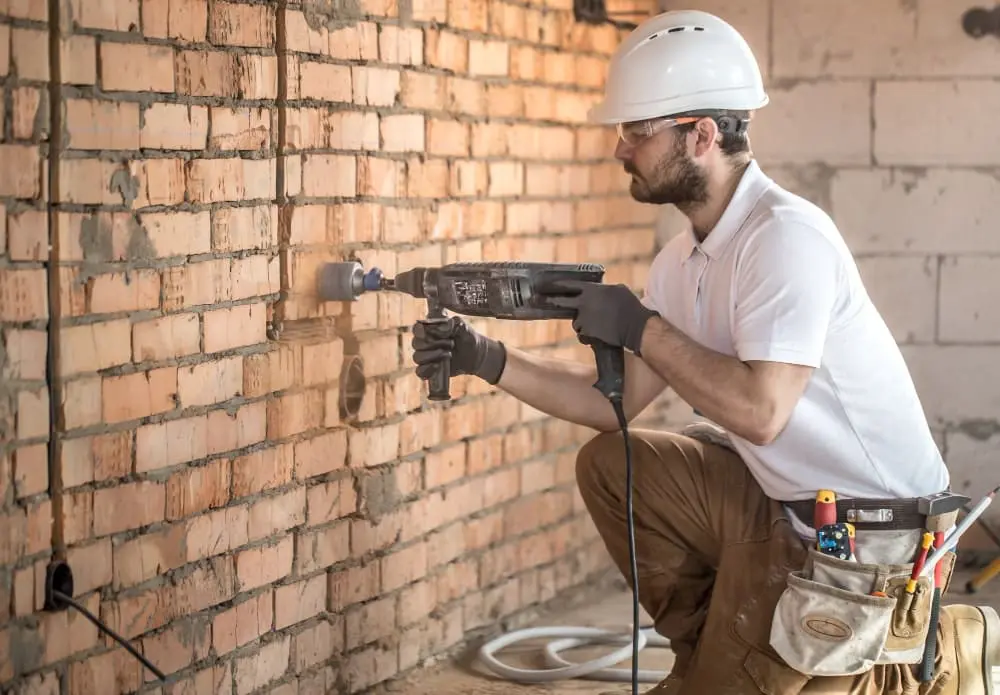
Expertly repair and reinforce stem walls to maintain the overall stability of your property.
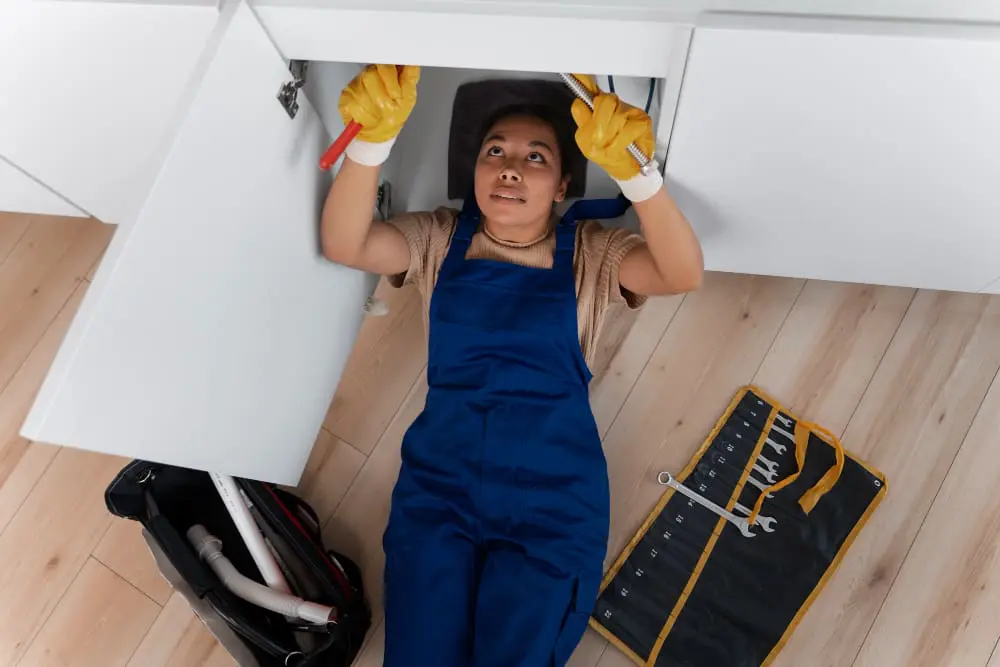
Efficient drainage solutions to manage water runoff and prevent issues such as flooding and soil erosion. Our expert team designs and installs drainage systems tailored to your property's needs, ensuring effective water management.
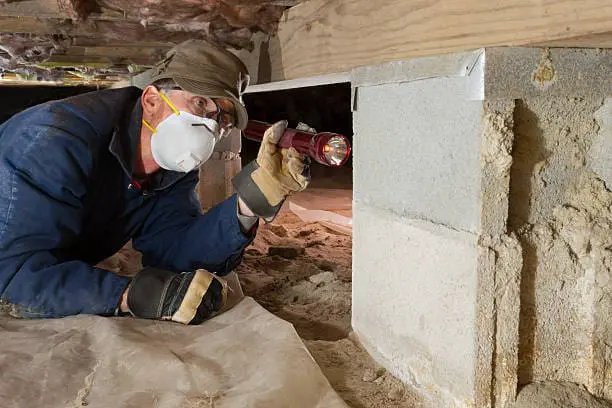
Stabilize sinking foundations with push piers that reach load-bearing soil. Restore structure and prevent further settlement.
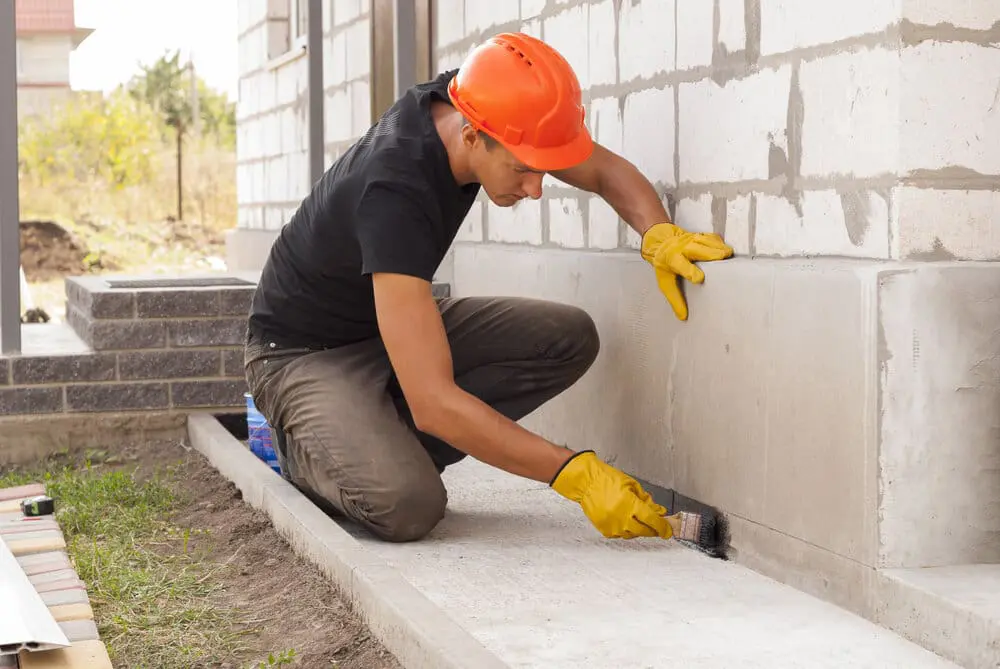
Fully replace failing foundations with expert craftsmanship and durable materials for lasting structural strength.
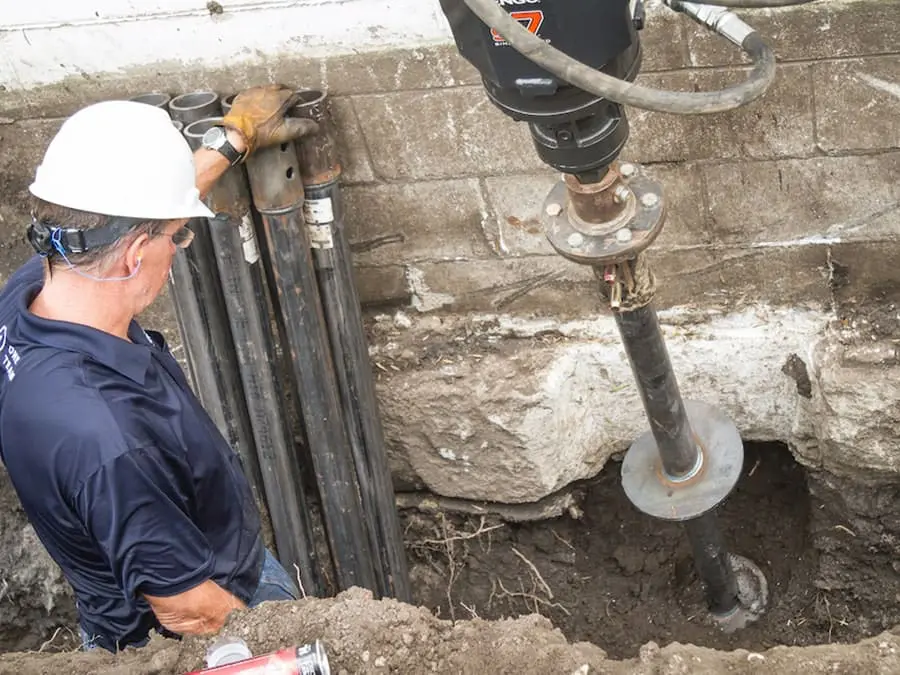
Install helical and push piers to support foundations, lift settled areas, and ensure long-term stability.
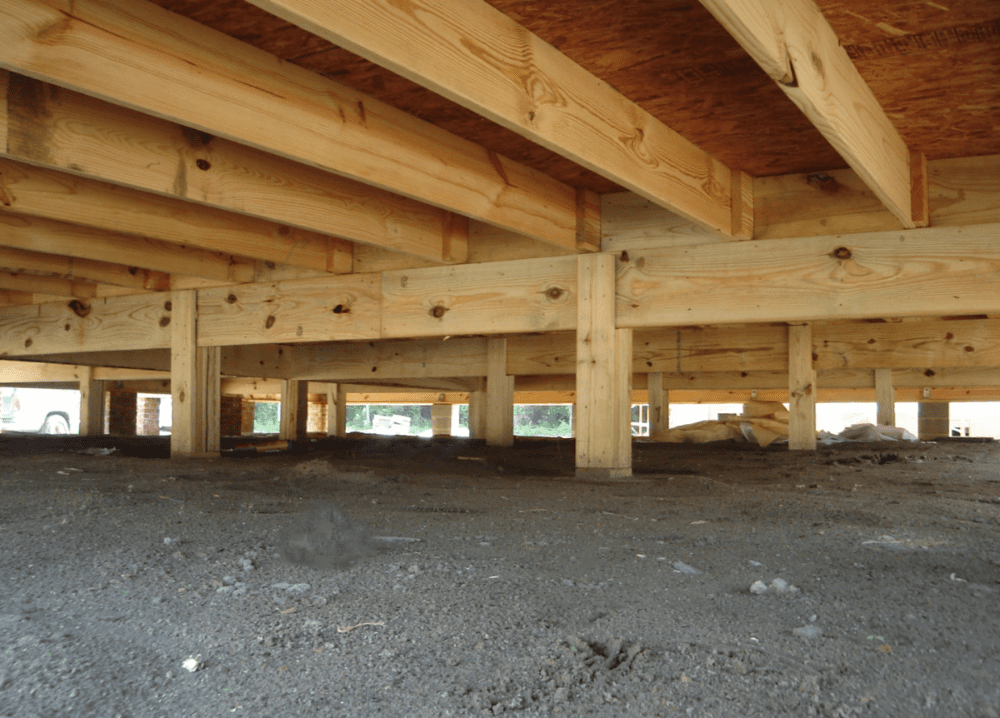
Repair damaged beams, replace supports, and level flooring to restore the integrity of pier and beam foundations.
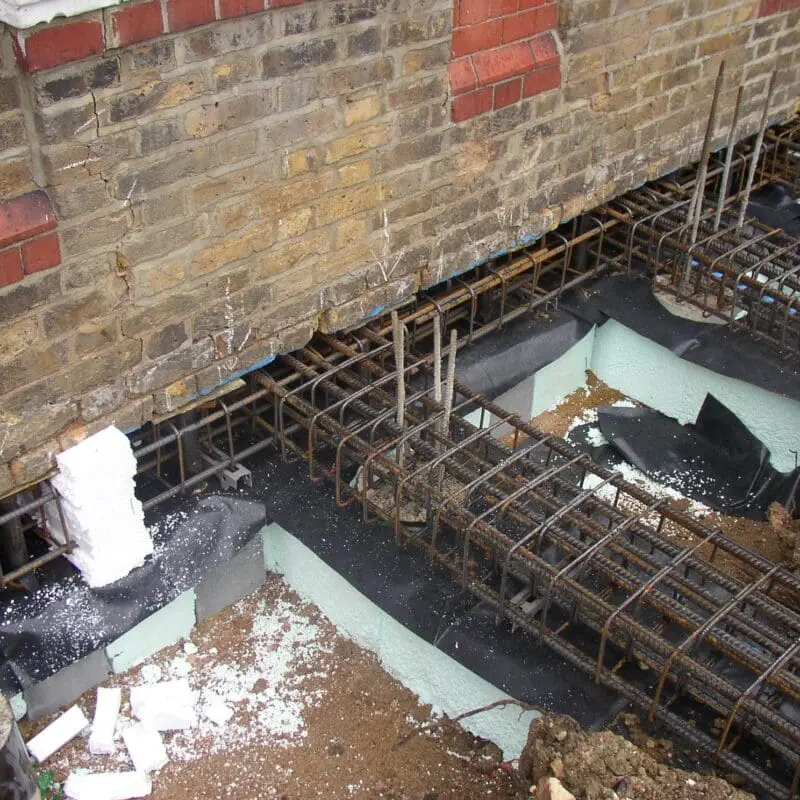
Strengthen weak foundations by adding support beneath them, preventing movement and future damage.
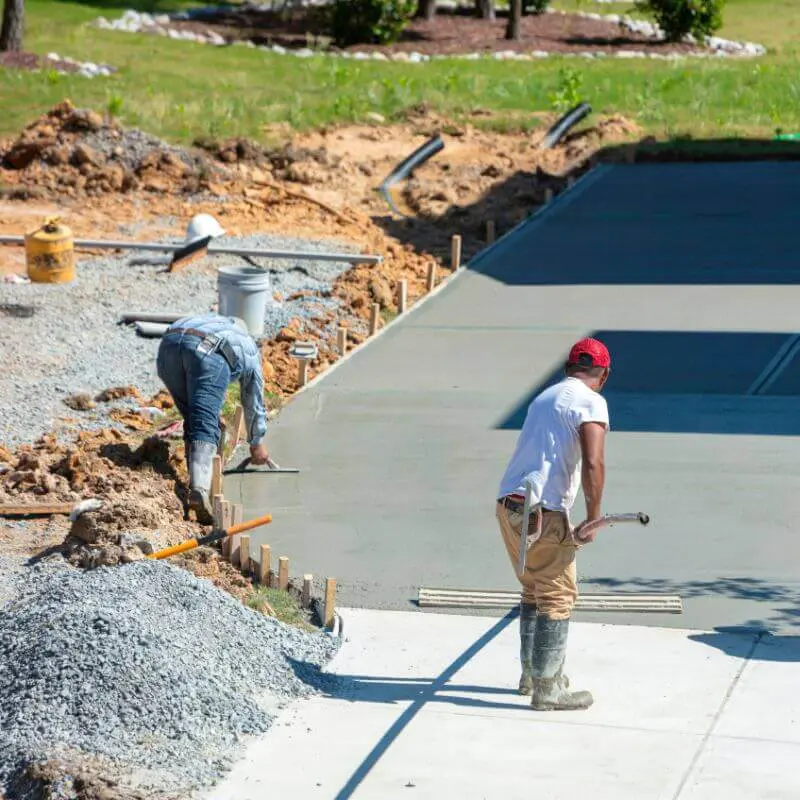
Fix cracks and unevenness in slab foundations to restore level surfaces and prevent structural issues.
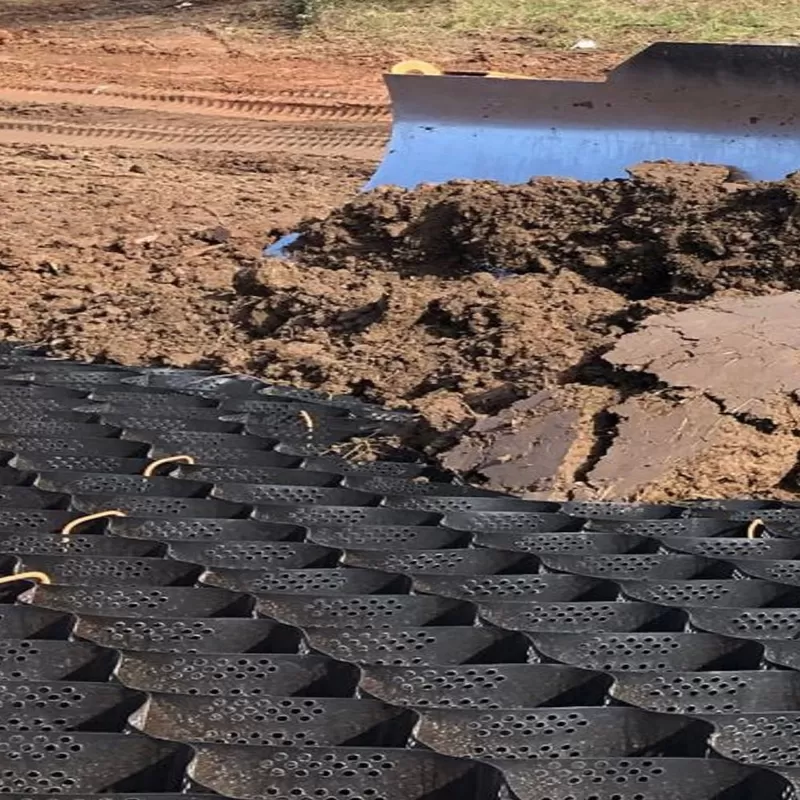
Improve ground support by treating unstable soil, reducing foundation movement and settlement risks.
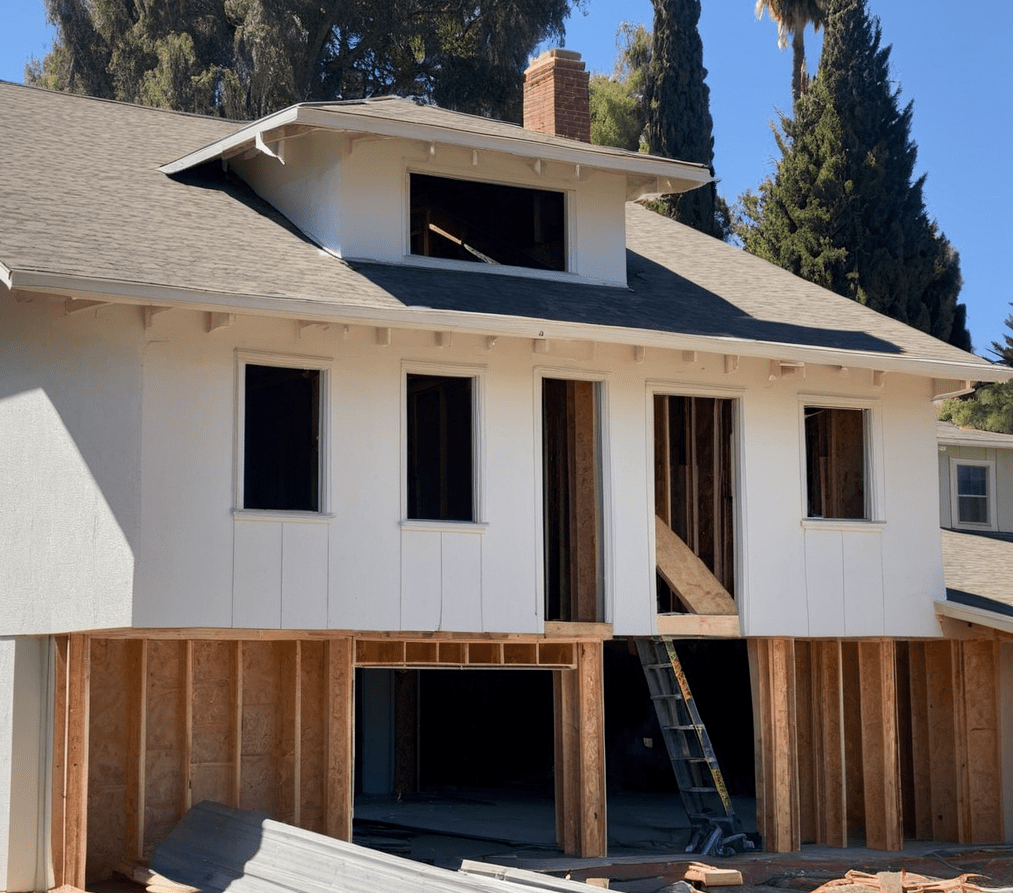
Trust our certified experts to retrofit soft-story buildings with precision, meeting all seismic safety standards.

Soil stabilization and ground improvement are related geotechnical techniques but differ in scope and application. Soil stabilization specifically refers to the process of altering soil properties to enhance its engineering performance, such as increasing strength, reducing permeability, or controlling shrink-swell behavior. This is often achieved through chemical additives like lime or cement, or mechanical means like compaction. Ground improvement is a broader term encompassing a wide range of techniques, including stabilization, to modify the ground's characteristics for construction. It includes methods like deep dynamic compaction, vibro-replacement, and the use of geosynthetics. Essentially, all soil stabilization is a form of ground improvement, but ground improvement includes many other strategies beyond just modifying the soil's inherent properties.
There is no single "best" soil stabilizer, as the optimal choice depends entirely on the specific soil type, project requirements, and environmental conditions. For cohesive soils like clay, chemical stabilizers such as lime or cement are often highly effective, as they create strong, permanent bonds. For granular soils, mechanical stabilization with geotextiles or synthetic polymers might be the preferred method. The key is a thorough geotechnical analysis to determine soil composition and plasticity. Industry standards emphasize that proper site preparation and mixing are as critical as the stabilizer itself. For a deeper dive into the principles of selecting and applying these materials, our internal resource, The Science Behind Soil Stabilization For Stronger Foundations, provides a comprehensive scientific overview.
Improving soil stability is a fundamental aspect of construction and land development, ensuring a solid foundation for any structure. Key methods include mechanical compaction to increase density, the addition of chemical binders like lime or cement, and the use of geosynthetics such as geogrids for reinforcement. Proper drainage is also critical to prevent water from weakening the soil structure. The choice of technique depends on a thorough geotechnical investigation of soil type, moisture content, and project requirements. For a deeper dive into proven techniques and material applications, we recommend our detailed internal article on Soil Stabilization. Adhering to these industry standards mitigates settlement and erosion risks, ensuring long-term structural integrity.
A soil stabilizer is a chemical or mechanical agent used to improve the physical properties of soil, making it stronger, more durable, and less susceptible to water damage. It works by binding soil particles together, increasing density and load-bearing capacity. This process is crucial for creating a solid foundation for construction projects like roads, building pads, and parking lots. Chemical stabilizers, such as lime, cement, or proprietary compounds, alter the soil's chemistry. Mechanical stabilization involves physically mixing in aggregates. The goal is to transform weak, expansive, or erodible soil into a stable engineering material that can support structures and withstand traffic and weather. For a deeper dive into methods and applications, see our resource on Soil Stabilization.
Golden Bay Foundation Builders: Your Bay Area Foundation Pros. At Golden Bay Foundation Builders, we embody the essence of professionalism and steadfast dedication to excellence. Our unwavering commitment to providing top-tier foundation solutions reflects our core values and drives every aspect of our work. Searching for a foundation repair specialist near you? Give us a call.

Contractor’s License #1112835
Bond: #66828987
Website By Anna Tambini | SEO by Sitelinx
99 reviews