Soil Stabilization

Your Premier Soil Stabilization Solutions in the Bay Area

Understanding Soil Stabilization

Hey there! So, you’re staring at a patch of land that’s more unpredictable than your uncle’s BBQ grill flare-ups, huh? Maybe your backyard is sinking like a bad soufflé, or your construction site feels like it’s auditioning for a mud-wrestling championship. Whatever the drama, unstable soil is the ultimate party crasher. But guess what? Golden Bay Foundation Builders—your friendly Contra Costa County soil whisperers—are here to turn that hot mess into a solid, reliable foundation. Let’s nerd out over dirt (yes, dirt!) and how to make it behave.

How to do it right

What Even Is Soil Stabilization? (And Why Should You Care?)

Picture this: soil stabilization is like couples therapy for your dirt and your project. It’s all about improving the soil’s strength, durability, and resistance to water so it stops acting like a diva. Whether you’re building a driveway, prepping for a landscaping project, or laying the groundwork for a new structure, stabilized soil is your BFF. At Golden Bay Foundation Builders, we’ve seen it all—from clay that swells like a balloon in rain to sandy soil that vanishes faster than your motivation on a Monday. Our job? Make sure your soil stops throwing tantrums and starts pulling its weight.

Mechanical Stabilization

This is the OG of soil stabilization. Think heavy machinery, compaction, and mixing in materials like gravel or crushed stone. It’s brute force, but it works.

Chemical Stabilization

Lime, cement, or fancy polymers get mixed into the soil to create a chemical reaction. Translation: Your dirt goes from “meh” to “marvelous.”

Biological Stabilization

If you’re near the Delta and need erosion control, we’ve got your back. Golden Bay Foundation Builders loves blending practicality with Mother Nature’s flair.

Key Benefits

Benefits of Our Soil Stabilization Services

Testimonial

Verified Client Reviews

Soil Stabilization Showdown: Which Method Wins?

Still unsure which technique fits your project? Here’s a cheat sheet:

TechniqueBest For…ProsCons
MechanicalQuick fixes, small projectsFast, budget-friendlyNot ideal for extreme conditions
ChemicalClay, long-term stabilityDurable, customizableHigher upfront cost
BiologicalEco-projects, erosionSustainable, visually appealingSlower results

“But Wait, I Have Questions!”

<p>Depends on the method! Mechanical can wrap in a day or two. Chemical might take a week (including curing). Biological? Grab a lawn chair—it could take months.</p>

<p>Mechanical stabilization usually wins for budget-friendly projects. But remember: Cheap ≠ lasting. If you need a forever fix, chemical stabilization is worth the splurge.</p>

<p>Sure, if you enjoy guessing games and regret. Soil stabilization requires expertise (and heavy machinery you probably don’t have). Let’s save your back—and your project—by calling pros.</p>

The Three Musketeers of Soil Stabilization

Let’s break down the three main methods we use to tame unruly soil. Spoiler: They’re all rockstars in their own right.

1. Mechanical Stabilization: The “No-Nonsense Gym Bro” Approach

What it is: This is the OG of soil stabilization. Think heavy machinery, compaction, and mixing in materials like gravel or crushed stone. It’s brute force, but it works.

Why it rocks:

  • Instant gratification: Results are immediate. Compact that soil, and boom—it’s ready for action.

  • Cost-effective: Perfect for smaller projects or tight budgets.

  • Versatile: Works on most soil types, especially if you’re dealing with loose or overly wet dirt.

Ever tried building on soil that’s softer than a marshmallow? Yeah, not fun. Mechanical stabilization is like giving your soil a caffeine hit—it wakes up and gets sturdy.

Pro Tip: If you’re in Contra Costa County and your soil has the consistency of wet cake batter, give us a shout. Golden Bay Foundation Builders lives for this stuff.


2. Chemical Stabilization: The “Mad Scientist” Method

What it is: Lime, cement, or fancy polymers get mixed into the soil to create a chemical reaction. Translation: Your dirt goes from “meh” to “marvelous.”

Why it rocks:

  • Long-term fix: Chemically stabilized soil stays strong for years, even when Mother Nature throws a tantrum.

  • Customizable: Adjust the recipe based on your soil’s unique drama.

  • Great for clay: Got shrink-swell soil that’s moodier than a teenager? Chemicals calm it down.

Fun Story: We once stabilized a client’s clay-heavy lot in Concord using lime. Two years later, that foundation is still sitting pretty—no cracks, no drama. Science for the win!

FYI: Chemical stabilization isn’t a DIY project. Mixing the wrong stuff can backfire (trust us, we’ve seen the memes). Let Golden Bay Foundation Builders handle the chemistry set.


3. Biological Stabilization: The “Eco-Warrior” Solution

What it is: Plants, grasses, or even enzymes are used to reinforce the soil. It’s like giving your dirt a yoga routine—gentle, sustainable, and surprisingly effective.

Why it rocks:

  • Eco-friendly: Perfect for green projects or erosion control.

  • Low maintenance: Once established, plants do most of the work.

  • Aesthetic bonus: Turns a barren lot into a lush, Instagram-worthy space.

IMO, biological stabilization is underrated. Sure, it’s slower than chemical or mechanical methods, but watching roots knit your soil together? Pure magic.

Ready to Give Your Soil a Reality Check?

Look, we get it. Soil stabilization sounds about as thrilling as watching paint dry. But here’s the thing: Stable soil is the unsung hero of every successful project. Whether you’re building a patio, fixing a slope, or prepping for a commercial site, cutting corners here is like skimping on coffee grounds—it’ll bite you later.

At Golden Bay Foundation Builders, we’re not just contractors; we’re soil therapists. We’ve been fixing Contra Costa County’s dirt dramas for over a decade, and we’ve got the stories (and before/after pics) to prove it.

So, if your soil’s acting up, let’s chat. No robotic sales pitches, no confusing jargon—just straight talk and solutions that work. Because life’s too short to fight with dirt.

P.S. Your soil might be high-maintenance, but dealing with us? Easy peasy.

Contact Us

Ensuring your property's foundation is stable is paramount. At Golden Bay Foundation Builders, we're committed to delivering reliable and efficient soil stabilization services across Contra Costa County. Contact us today to schedule a consultation and fortify your property's future.

Noticing any of these problems at home?

We’re here to help! Swiftly addressing these concerns is key. Our experts will promptly inspect and repair your foundation, ensuring the lasting strength and safety of your home. Reach out without hesitation for reliable assistance.

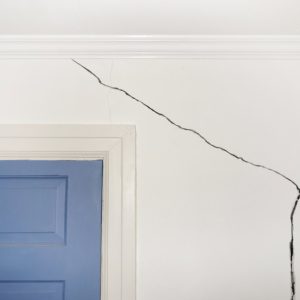
Crack in the wall of a home

Cracks in Interior Walls

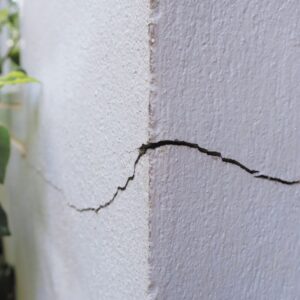
Cracks in exterior wall

Cracks in Exterior Walls

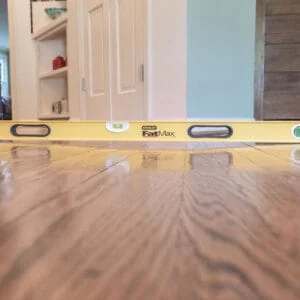
Sloping Floors

Sloping Floor

Foundation Repair Services

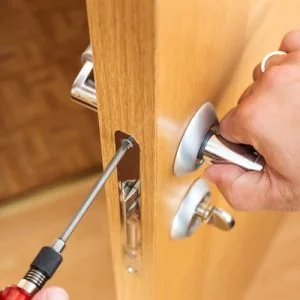
Sticking Door

Foundation Construction Services

Sticking Window

leaning-chimney

Chimney Leaning

Contact Us

East Bay Area

Communities We Serve.

We are happy to service communities throughout the East Bay Area and beyond. 

OUR SERVICES

Bay Area Foundation Contractor | Golden Bay Foundation Repair

img

Foundation Repair

Restore stability, fix cracks, and reinforce your foundation for lasting structural integrity

Read More
img

Foundation Inspection

Thoroughly assess foundation health, identify issues, and provide expert recommendations for maintenance.

Read More
img

Crawl Space Repair

Ensure a healthy crawl space environment by addressing moisture, insulation, and structural concerns.

Read More
img

Structural Replacement

Replace damaged or compromised structural elements with precision and quality craftsmanship.

Read More
img

Earthquake Retrofitting

Strengthen your property to withstand seismic activity, safeguarding against potential earthquake damage

Read More
img

Stem Wall Repair

Expertly repair and reinforce stem walls to maintain the overall stability of your property.

Read More
img

Drainage Services

Efficient drainage solutions to manage water runoff and prevent issues such as flooding and soil erosion. Our expert team designs and installs drainage systems tailored to your property's needs, ensuring effective water management.

Read More
img

Push Pier Foundation Repair Systems

Stabilize sinking foundations with push piers that reach load-bearing soil. Restore structure and prevent further settlement.

Read More
img

Foundation Replacement

Fully replace failing foundations with expert craftsmanship and durable materials for lasting structural strength.

Read More
img

Helical Pier & Push Pier Installation

Install helical and push piers to support foundations, lift settled areas, and ensure long-term stability.

Read More
img

Pier and Beam Foundation Repair

Repair damaged beams, replace supports, and level flooring to restore the integrity of pier and beam foundations.

Read More
img

Underpinning Services

Strengthen weak foundations by adding support beneath them, preventing movement and future damage.

Read More
img

Slab Foundation Repair

Fix cracks and unevenness in slab foundations to restore level surfaces and prevent structural issues.

Read More
img

Soil Stabilization

Improve ground support by treating unstable soil, reducing foundation movement and settlement risks.

Read More
img

Certified Soft Story Retrofit Experts

Trust our certified experts to retrofit soft-story buildings with precision, meeting all seismic safety standards.

Read More

Related Articles

People Also Ask

Soil stabilization refers to the process of altering soil properties to improve its engineering performance. This includes increasing its strength, durability, and resistance to water penetration, making it suitable for construction projects like road bases, foundations, and embankments. Techniques range from mechanical methods like compaction to chemical methods using agents such as lime, cement, or fly ash. The primary goal is to create a stable, solid platform that can support structural loads and withstand environmental stresses over time. For a deeper exploration of methods and applications, please refer to our detailed resource on this topic: Soil Stabilization. Proper stabilization is a cornerstone of sustainable and long-lasting infrastructure development.

The choice between lime and cement for soil stabilization depends on the soil type and project goals. Lime is highly effective for fine-grained, clay-rich soils, as it reduces plasticity and improves workability through a pozzolanic reaction, making it ideal for subgrades and embankments. Cement is versatile and best for granular soils, providing high strength and durability, commonly used in base courses and for creating soil-cement pavements. Cement generally offers faster strength gain, while lime is better for long-term moisture resistance and plasticity reduction. Professional soil testing is essential to determine the correct stabilizer, dosage, and application method to meet specific engineering requirements and ensure long-term stability.

Soil stabilization is a critical process in construction to improve the physical properties of weak or unsuitable soil, ensuring it can support the structural loads of a building. Common methods include mechanical stabilization, which involves compaction and the addition of graded aggregates, and chemical stabilization, which uses agents like lime, cement, or fly ash to bind soil particles. The choice of technique depends on soil type, moisture content, and project requirements. Proper stabilization prevents issues like settlement and erosion. For a deeper understanding of the engineering principles, we recommend reading our internal article, The Science Behind Soil Stabilization For Stronger Foundations. This resource details the geotechnical science that ensures long-lasting foundation integrity.

There is no single "best" soil stabilizer, as the optimal choice depends entirely on the specific soil type, project requirements, and environmental conditions. For cohesive soils like clay, chemical stabilizers such as lime or cement are often highly effective, as they create strong, permanent bonds. For granular soils, mechanical stabilization with geotextiles or synthetic polymers might be the preferred method. The key is a thorough geotechnical analysis to determine soil composition and plasticity. Industry standards emphasize that proper site preparation and mixing are as critical as the stabilizer itself. For a deeper dive into the principles of selecting and applying these materials, our internal resource, The Science Behind Soil Stabilization For Stronger Foundations, provides a comprehensive scientific overview.

Google Yelp

Overall Rating

5.0
★★★★★

99 reviews