The topography of San Ramon, hillside developments, and mixed soils profile predetermine the importance of ground stability as the factor of long-term structural performance. The houses in Dougherty Valley, Windemere, and the highlands at the areas around Bollinger Canyon are usually placed on a soil that is heavy on clay and thus expands and contracts severely during winter seasons and summer days of dry heat respectively. In the meantime, the benefits around Crow Canyon, the Alcosta Boulevard, and the older flat land communities have their soil conditions which are affected by years of development, utility works, and the changing ground water patterns.
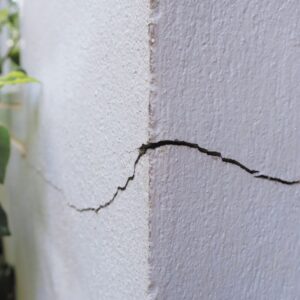
The first indications of ground depleting of uniform support are early ones, like soil slipping off foundations, sinking patio slabs, or cracks appearing along the lower parts of walls. The topography, climate and the density of development of San Ramon needs stabilization techniques to enhance the performance of the soil and avoid structural damage that may occur in the long run.
The solid soil has a lot of value to the safety of property, their appearance and long-term value. In San Ramon where there is the habit of the cycle of pressure and moisture on the hills, reinforced soil is used to safeguard the infrastructure and the investment that is identified with the house.
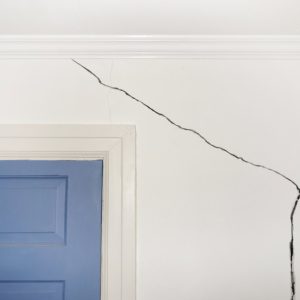
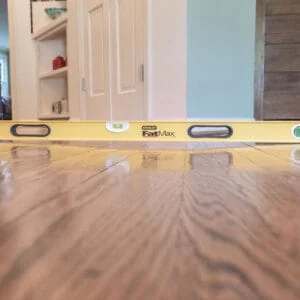
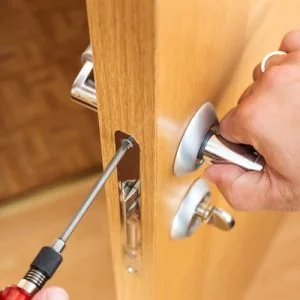
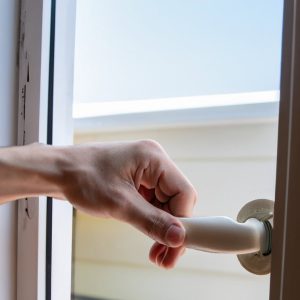
Once a soil starts on the move, the homeowner can observe sloping floors, cracks developing around the windows and doors, or the hardscaping sinking out of position. Such problems are the signs of vulnerability under the carpet and they may lead to the fall of property prices unless they are dealt with. The stabilization of soil provides that the foundation is maintained stable to ensure the structural integrity of the home and to maintain its long term monetary value.
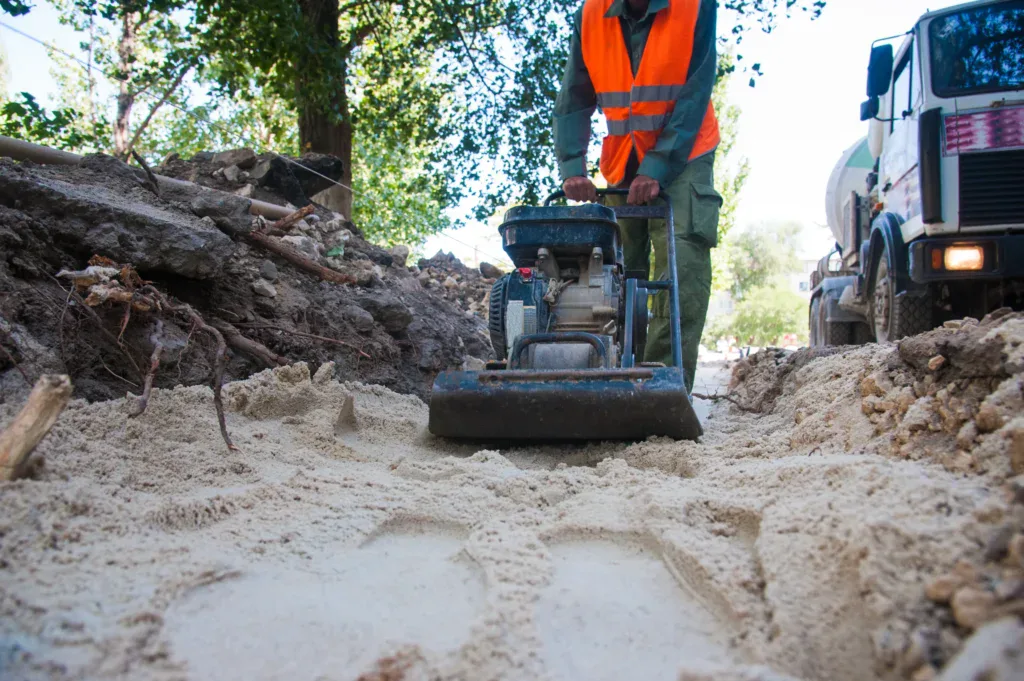
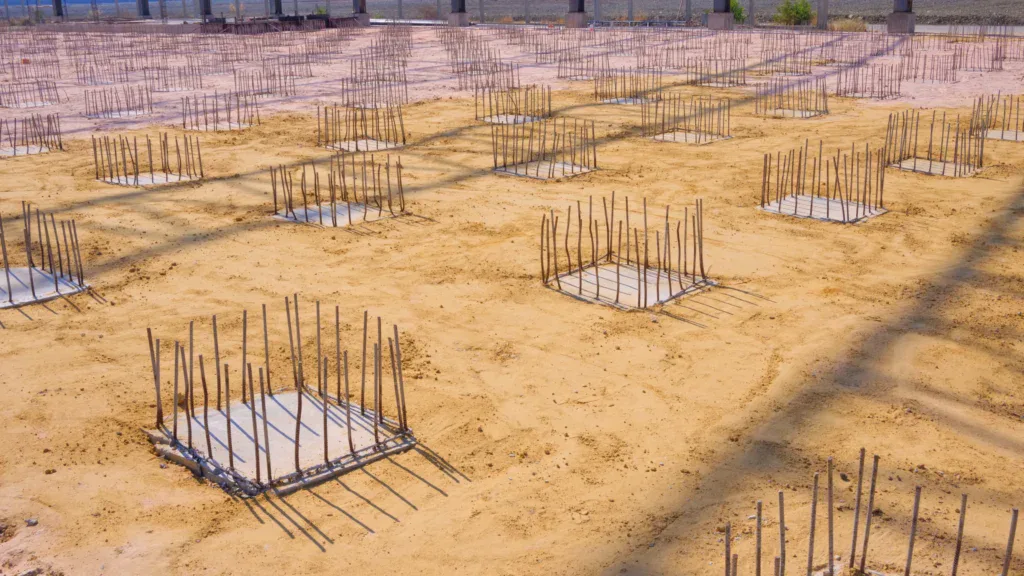
Soil preparations prior to construction guarantee the durability of performance and save the settling matters, which normally arise after the construction. Recent innovations in San Ramon depend on the soil stabilization to ensure that the foundations, driveways and retaining walls are always supported.
We start with the reinforcement of the layers of soil that will support the weight of the new construction. This aids in avoiding premature settlement, non-uniform floors, and stress fractures that often emerge when the soils do not have a uniform density.
San Ramon soils that are rich in clay enlarge and contract with moisture in the seasons. Stabilization minimizes these movements; therefore, the building is placed on a stable ground throughout the year and not floating under slabs and footings.
Unfavorable soil conditions may result in the project delay and unpredictable costs. We make sure the project runs smoothly by stabilizing soil prior to the commencement of the building to weigh out chances of expensive foundation corrections, which may occur in the future.
We have engineering precision which supports our soil stabilization techniques whereby each property receives a reinforcement based on their specific soil challenges.
Careful Assessment with State of art Diagnostic Tests
We evaluate the density of the soil, the behavior of the moisture and the distribution of loads to find out precisely where the weak areas are. This enables us to create a specific stabilization strategy as opposed to using general solutions.
Methods Suited to the Topography of Teotihuacan
Our techniques accommodate the local issues of heavy clay soils, hillside slopes and groundwater alterations, which impact local properties. This also provides long-term stability even in complicated environments.
Stable Performance Supported by Established Results
We strengthen the soil in such a manner that it becomes stable with the seasonal cycles of moisture and does not move around thus causing damages to structures and hardscapes over time.
Early resolution of soil problems before the foundation develops is a way of saving on cost due to expensive and hard to fix foundation problems. The stability of the soil enhances the capacity of the ground to bear structural loads, which limit settling, cracking and movement of soil downwards.
We examine the interaction of water, pressure and soil composition beneath and near the house. After identifying the weak zones, the stabilization methods are used to reduce or even halt the movement of the soil completely. Early fortification of soil safeguards the base, minimizes maintenance during the long run and maintains the structural integrity of the house.
David was a lifesaver when it came to fixing our foundation issues. He thoroughly explained the problem areas and worked efficiently. We felt confident in the repairs and appreciated his attention to detail.
Steady, well-organized repair service focused on structural safety and durability.
After noticing doors sticking and cracks in our drywall here in Warm Springs, we called for a foundation inspection. The team was incredibly thorough, using laser levels to measure settling and explaining everything in plain terms.
Nisan was very helpful on guiding me via the permit process for earthquake retrofit. Work was executed quickly. Thanks
We were very happy with the results of our inspection with Ryan! He explained the settling in homes and what things we should look for, and was very professional, friendly, and efficient. Thanks!
Had a great experience working with Kyndell from Golden Bay Foundation Builders. I recently purchased the home and was looking for help with earthquake retrofitting options. He inspected my foundation carefully and determined that past bolting was likely adequate. He had suggestions about monitoring the foundation. He was very thoughtful and detailed in his approach, and worked to determine what was best for the home. In this case, that meant no need for additional work now. But if I need any additional assistance in the future, will be calling him again.
We needed crawl space repairs due to pests and moisture damage. They sealed it up, reinforced the beams, and added vapor barriersnow it’s dry and structurally sound. Excellent service from start to finish!
Our home needed retrofitting, and they did an amazing job reinforcing the foundation. They preserved the home’s character while making it structurally sound. If you need an expert who respects older homes, these are your guys.
We had a terrible experience with another contractor before finding these guys. They corrected the shoddy work, fixed our foundation properly, and treated us with respect. Finally, a business that stands by their word and does quality work.
We had a sinking foundation that caused doors to stick, but they fixed it with piers and proper leveling. Their team was professional, answered all our questions, and even followed up afterward. No more sticking doorsjust a solid, stable home.
We’re here to help! Swiftly addressing these concerns is key. Our experts will promptly inspect and repair your foundation, ensuring the lasting strength and safety of your home. Reach out without hesitation for reliable assistance.


We are happy to service communities throughout the East Bay Area and beyond.

Restore stability, fix cracks, and reinforce your foundation for lasting structural integrity

Thoroughly assess foundation health, identify issues, and provide expert recommendations for maintenance.

Ensure a healthy crawl space environment by addressing moisture, insulation, and structural concerns.

Replace damaged or compromised structural elements with precision and quality craftsmanship.

Strengthen your property to withstand seismic activity, safeguarding against potential earthquake damage

Expertly repair and reinforce stem walls to maintain the overall stability of your property.

Efficient drainage solutions to manage water runoff and prevent issues such as flooding and soil erosion. Our expert team designs and installs drainage systems tailored to your property's needs, ensuring effective water management.

Stabilize sinking foundations with push piers that reach load-bearing soil. Restore structure and prevent further settlement.

Fully replace failing foundations with expert craftsmanship and durable materials for lasting structural strength.

Install helical and push piers to support foundations, lift settled areas, and ensure long-term stability.

Repair damaged beams, replace supports, and level flooring to restore the integrity of pier and beam foundations.

Strengthen weak foundations by adding support beneath them, preventing movement and future damage.

Fix cracks and unevenness in slab foundations to restore level surfaces and prevent structural issues.

Improve ground support by treating unstable soil, reducing foundation movement and settlement risks.

Trust our certified experts to retrofit soft-story buildings with precision, meeting all seismic safety standards.

There is no single "best" soil stabilizer, as the optimal choice depends entirely on the specific soil type, project requirements, and environmental conditions. For cohesive soils like clay, chemical stabilizers such as lime or cement are often highly effective, as they create strong pozzolanic reactions. For granular, sandy soils, mechanical stabilization with geotextiles or synthetic polymers may be more suitable to bind particles. The key is a thorough geotechnical analysis to determine soil composition, plasticity, and moisture content. Industry best practice involves on-site testing with different additives to achieve the target strength and durability. For a deeper understanding of these chemical and mechanical processes, we recommend our internal article, The Science Behind Soil Stabilization For Stronger Foundations.
Improving soil stability is a fundamental aspect of construction and land development. Key methods include mechanical compaction to increase density and reduce voids, and the introduction of stabilizing agents like lime, cement, or fly ash to chemically alter the soil's properties. Proper drainage is critical, as water is a primary cause of instability; installing systems to control moisture content is essential. For organic or very weak soils, techniques like soil replacement or the use of geosynthetics (geogrids, geotextiles) provide reinforcement. A thorough geotechnical investigation is always the first step to determine the appropriate solution. For a deeper dive into these techniques, refer to our internal resource Soil Stabilization.
Properly stabilizing the soil around a foundation is critical for preventing settlement and structural damage. The process begins with a professional assessment to identify soil type and moisture issues. For expansive clay soils, maintaining consistent moisture is key; this often involves installing soaker hoses or drip irrigation systems to create a hydration perimeter. For poorly draining soils, regrading the landscape to ensure a slope away from the foundation and installing French drains or surface channels is essential to divert water. In severe cases, underpinning with piers or chemical soil stabilization may be required. A comprehensive approach always integrates effective drainage, as detailed in our resource, The Role Of Drainage Systems In Protecting Your Foundation, which explains how managing water is the cornerstone of long-term soil and foundation stability.
The choice between lime and cement for soil stabilization depends on the soil type and project goals. Lime is highly effective for fine-grained, clay-rich soils, as it chemically reacts to reduce plasticity and improve workability, making it ideal for subgrade preparation in wet conditions. Cement is generally better for granular soils, providing high compressive strength and durability, which is crucial for base courses in pavements or foundations. The decision requires professional soil testing to determine composition and engineering requirements. Industry standards emphasize that improper selection can lead to failure; thus, consulting a geotechnical engineer to analyze specific site conditions is essential for a successful, long-lasting stabilization outcome.
Golden Bay Foundation Builders: Your Bay Area Foundation Pros. At Golden Bay Foundation Builders, we embody the essence of professionalism and steadfast dedication to excellence. Our unwavering commitment to providing top-tier foundation solutions reflects our core values and drives every aspect of our work. Searching for a foundation repair specialist near you? Give us a call.

Contractor’s License #1112835
Bond: #66828987
Website By Anna Tambini | SEO by Sitelinx
99 reviews