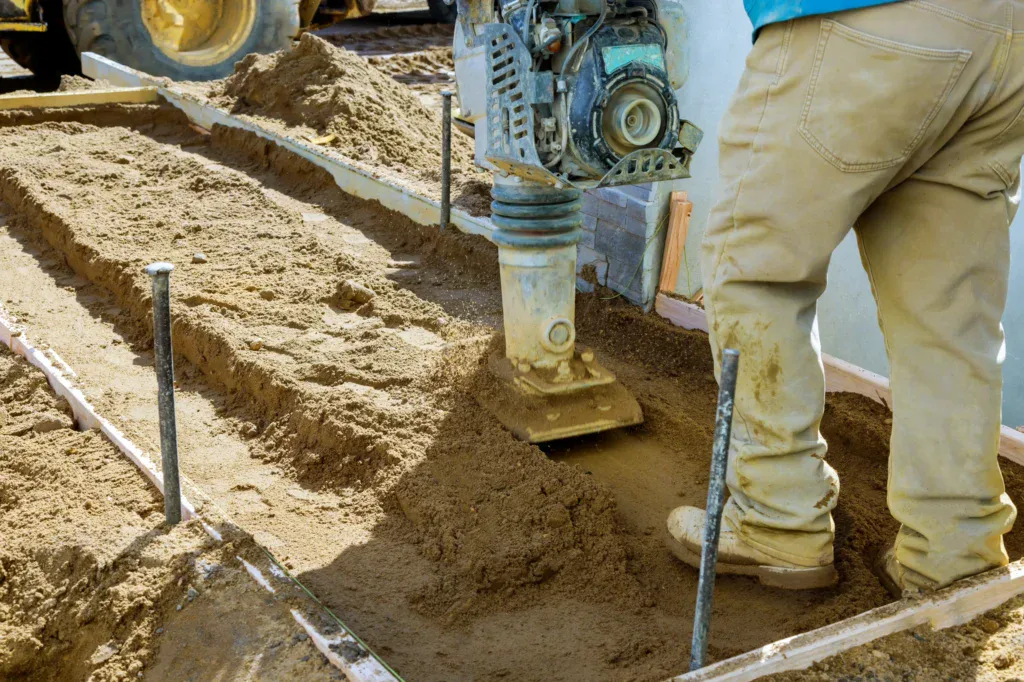
Soil Stabilization Services in Bay Point, CA

The geology of Bay Point (between the coastlands along the Suisun Bay, and the districts along the Willow Pass Road, Evora Road, and Driftwood Drive) produces the soil conditions under the influence of the moisture level, changes in groundwater, and the decades of development of the region. Homes along Port Chicago highway and Pacifica Avenue have a tendency to cause a change in the ground water that causes a softening of the land whereas hill side pockets situated over Loftus road and Bella Vista drive are prone to erosion or slope creep during rainy seasons. The subdivisions as well as the flatter ones closer to the Leland Road can have their soil pockets shrink, swell, or compress as time goes by.

Such shifting situations are frequent manifested in uneven foot pavements, fractured concrete surfaces, soil drifting down the foundation edges or mild movements around retaining walls. Our crew will be offering stabilization options aimed at strengthening the special soil conditions that are present all over the residential and business regions of Bay Point.

Why High-Risk Building Reinforcement Trusts Us

Bay Point also has homes on hills, older constructions, and the buildings that are close to water influenced soil all of which need reliable reinforcement. The owners rely on our crew to survey soil performance under soft story buildings, multi-story houses, and areas where erosion or ground water intrusion has been experienced.

Our stabilization plans assist the ground and the structure over the ground so that their reliability is present over a long period irrespective of the conditions in the site.

How Groundwater Impacts Soil Stability

Bay point relies primarily on groundwater on its soil behaviour. At times when the elevations are high during storms or even seasonal changes, the soil is moist and therefore lacks load bearing capacity. The shrinking of groundwater results in the shrinking of soil that can create empty spaces beneath structural surfaces.

Determining Fluctuation Patterns

We evaluate the shift in the groundwater levels throughout the seasons, in order to identify the weak points of the soil support.

Determining the Moisture Sensitivity in Wet Soils

To counter swelling, softening, and long-term compression of soil, methods of stabilization are adopted.

Stabilizing Soil Under High-Moisture Regions

We make the deep soil layers strong to ensure that the foundations and the exterior characteristics do not move even when the groundwater level increases.

Eco-Friendly Soil Stabilization Solutions

In areas related to the environment near the bay, sustainable reinforcement is necessary. We use environmentally friendly methods of stabilization that fortify soil without using heavy chemicals.

Enhancement of Soil through Low-Impact Techniques: We apply materials and procedures that minimize the disturbance of the environment.

Improving Soil Structure While Preserving Natural Drainage: Stabilization makes the soil stronger, but it does not interfere with natural water drainage.

Investing in Long-Term Soil Health: Our solutions rebuild the earth and reduce the ecological footprint.

These alternatives are durable but facilitating environmental accountability.

Cost-Effective Soil Stabilization Options

Although it is costly to stabilize the soil during early stages, it avoids the costly process of repairing it later. We are also strategic in how we run our business and make sure that the costs are reasonable.

Based on the assessment of the type of soil, load demanded and moisture patterns, we suggest alternatives that offer good performance and do not involve wasteful expenditure. Proper reinforcement will minimize settlement, inhibit erosion-related problems and lengthen the life of hardscaping and foundations without major reconstruction.

Testimonial

Verified Client Reviews

Ready for Solid Ground?

When you have observed mud movement, settlement or waterness problems in and around your property at Bay point, then it is time to take action. Our team will be able to measure your soil and implement specific stabilization procedures depending on the area. Act now and have a more stable and reliable base under your house or project.

Noticing any of these problems at home?

We’re here to help! Swiftly addressing these concerns is key. Our experts will promptly inspect and repair your foundation, ensuring the lasting strength and safety of your home. Reach out without hesitation for reliable assistance.

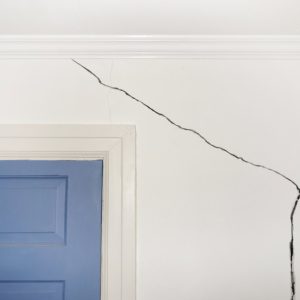
Crack in the wall of a home

Cracks in Interior Walls

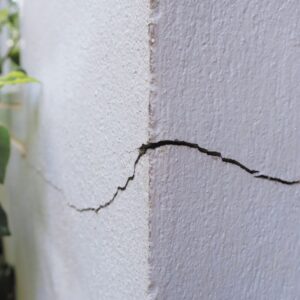
Cracks in exterior wall

Cracks in Exterior Walls

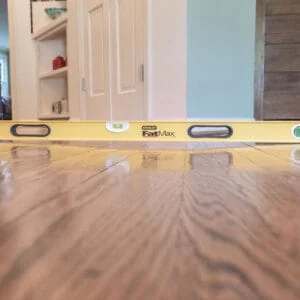
Sloping Floors

Sloping Floor

Foundation Repair Services

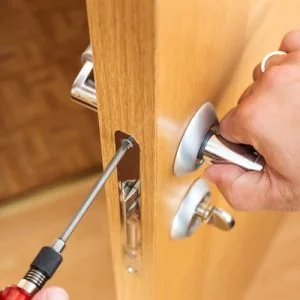
Sticking Door

Foundation Construction Services

Sticking Window

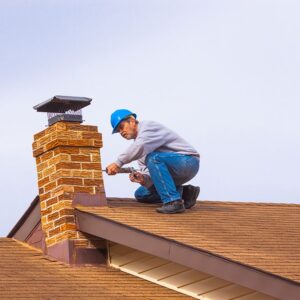
leaning-chimney

Chimney Leaning

Contact Us

East Bay Area

Communities We Serve.

We are happy to service communities throughout the East Bay Area and beyond. 

OUR SERVICES

Bay Area Foundation Contractor | Golden Bay Foundation Repair

img

Foundation Repair

Restore stability, fix cracks, and reinforce your foundation for lasting structural integrity

Read More
img

Foundation Inspection

Thoroughly assess foundation health, identify issues, and provide expert recommendations for maintenance.

Read More
img

Crawl Space Repair

Ensure a healthy crawl space environment by addressing moisture, insulation, and structural concerns.

Read More
img

Structural Replacement

Replace damaged or compromised structural elements with precision and quality craftsmanship.

Read More
img

Earthquake Retrofitting

Strengthen your property to withstand seismic activity, safeguarding against potential earthquake damage

Read More
img

Stem Wall Repair

Expertly repair and reinforce stem walls to maintain the overall stability of your property.

Read More
img

Drainage Services

Efficient drainage solutions to manage water runoff and prevent issues such as flooding and soil erosion. Our expert team designs and installs drainage systems tailored to your property's needs, ensuring effective water management.

Read More
img

Push Pier Foundation Repair Systems

Stabilize sinking foundations with push piers that reach load-bearing soil. Restore structure and prevent further settlement.

Read More
img

Foundation Replacement

Fully replace failing foundations with expert craftsmanship and durable materials for lasting structural strength.

Read More
img

Helical Pier & Push Pier Installation

Install helical and push piers to support foundations, lift settled areas, and ensure long-term stability.

Read More
img

Pier and Beam Foundation Repair

Repair damaged beams, replace supports, and level flooring to restore the integrity of pier and beam foundations.

Read More
img

Underpinning Services

Strengthen weak foundations by adding support beneath them, preventing movement and future damage.

Read More
img

Slab Foundation Repair

Fix cracks and unevenness in slab foundations to restore level surfaces and prevent structural issues.

Read More
img

Soil Stabilization

Improve ground support by treating unstable soil, reducing foundation movement and settlement risks.

Read More
img

Certified Soft Story Retrofit Experts

Trust our certified experts to retrofit soft-story buildings with precision, meeting all seismic safety standards.

Read More

Related Articles

People Also Ask

Soil stabilization and ground improvement are related geotechnical techniques but differ in scope and application. Soil stabilization specifically refers to modifying the engineering properties of existing soil, such as increasing its strength or reducing its permeability, often through chemical or mechanical means like adding lime or cement. Ground improvement is a broader term encompassing any method used to enhance the performance of problematic ground, which includes stabilization but also extends to techniques like deep dynamic compaction, vertical drains, or even structural solutions like piles and geosynthetics. Essentially, all soil stabilization is a form of ground improvement, but not all ground improvement methods are strictly stabilization; improvement can involve replacing or bypassing poor soil entirely.

There is no single "best" soil stabilizer, as the optimal choice depends entirely on the specific soil type, project requirements, and environmental conditions. For cohesive soils like clay, chemical stabilizers such as lime or cement are often highly effective, as they create strong pozzolanic reactions. For granular, sandy soils, mechanical stabilization with geotextiles or synthetic polymers may be more suitable to bind particles. The key is a thorough geotechnical analysis to determine soil composition, plasticity, and moisture content. Industry best practice involves on-site testing with different additives to achieve the target strength and durability. For a deeper understanding of these chemical and mechanical processes, we recommend our internal article, The Science Behind Soil Stabilization For Stronger Foundations.

Improving soil stability is a fundamental aspect of construction and land development. Key methods include mechanical compaction to increase density and reduce voids, and the introduction of stabilizing agents like lime, cement, or fly ash to chemically alter the soil's properties. Proper drainage is critical, as water is a primary cause of instability; installing systems to control moisture content is essential. For organic or very weak soils, techniques like soil replacement or the use of geosynthetics (geogrids, geotextiles) provide reinforcement. A thorough geotechnical investigation is always the first step to determine the appropriate solution. For a deeper dive into these techniques, refer to our detailed resource on Soil Stabilization.

A soil stabilizer is a chemical or mechanical agent used to improve the physical properties of soil, making it more suitable for construction. It works by increasing the soil's load-bearing capacity, reducing its susceptibility to water damage, and minimizing erosion. Common stabilizers include cement, lime, fly ash, and modern synthetic polymers. The process is crucial for creating a stable base for roads, foundations, and other infrastructure, ensuring long-term durability and safety. For a deeper dive into the methods and materials used in this essential process, refer to our detailed internal article on Soil Stabilization. Proper soil stabilization is a cornerstone of reliable and sustainable construction.

Google Yelp

Overall Rating

5.0
★★★★★

99 reviews