Soil Stabilization Services in Martinez, CA

The diverse topography of Martinez, which is characterized by the hillside communities close to Alhambra Valley, and old flatland communities on the Marina Vista Avenue, Howe Road and Pine Street, generates soil conditions which may change dramatically on account of the weather and groundwater trends. Houses along the Carquinez Strait are built on sensitivity to moisture, which swells and becomes soft in the wet season, and those along the creek of Alhambra or Morello Avenue may have areas of settlement due to run-off, erosion, or due to old fill. The well-established neighborhoods near the Center Avenue and the Vine Hill may also experience soil movement which begins small but develops greatly with the changing of the moisture cycles.

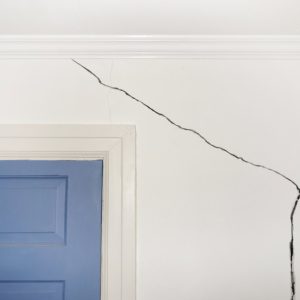
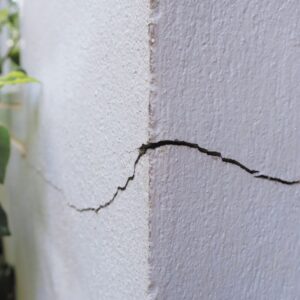
Such initial indicators as the sinking of the concrete pads, dislocation between soil and the foundation leading edge, or the expansion of cracks over the exterior surfaces usually indicates that the soil beneath your house is losing its footing. Our team is the one that analyzes the soil composition of the Martinez area and strengthens the ground performance before such modifications can evolve into expensive foundation or structure related problems.

Use of Soil Strengtheners to Support Heavy Structures

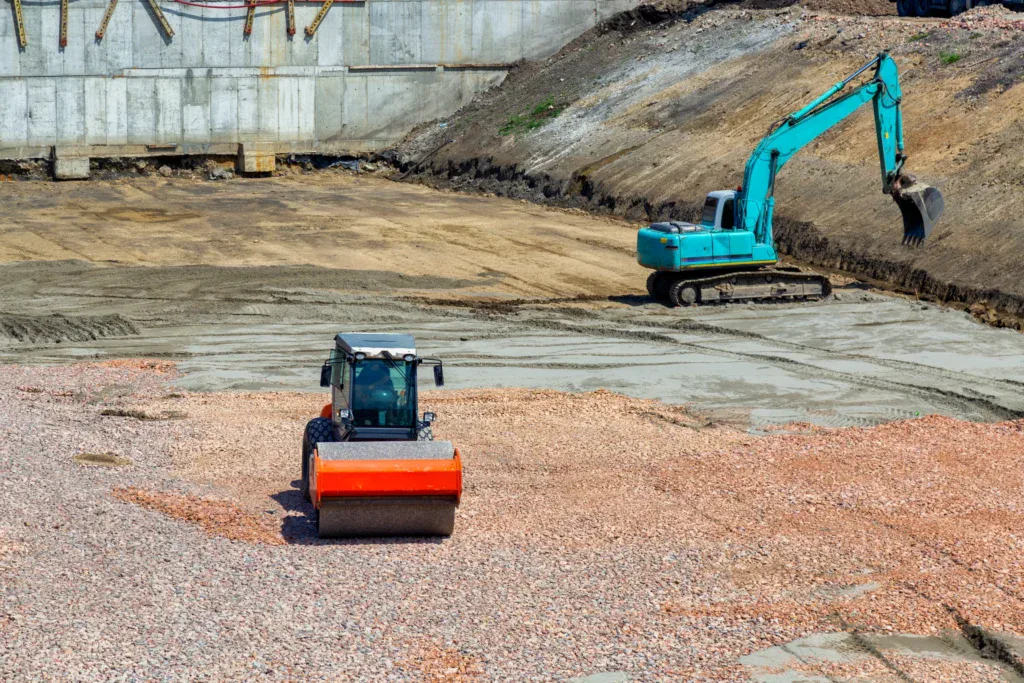
Huge houses, revetment walls, and commercial houses need soil that has high load-bearing capacity. At Martinez, aging fill material or heavy clay soil may lose its strength over time and cause stress to the structural components.

Our team measures density, moisture retention, and soil action under heavy structures and implements some means of stabilization based on the weight and format of the property. This removes the uneven sinking, lessens the soil movement over a long period and enhances the support system of the building in general.

How Soil Stabilization Prevents Settlement

What makes soil stabilization essential to the long-term structural stability is a realization of how soil stabilization prevents settlement. We examine the interaction of soil layers with moisture, pressure and the structural load before any reinforcement is started.

Lessening Soil Compression Downwards

We reinforce the deeper layers of soil such that the ground no longer heaves irregularly with the weight of the house.

Constraining Growth and Contraction due to Moisture

This stabilized soil ensures the same support during the wet winters and dry summer of Martinez.

To form a Firm, Uniform Base Under Structural Elements

This is done by enhancing the stability of ground thus eliminating the small movements which ultimately cause severe settlement.

Commercial Construction Soil Stabilization

The business development in Martinez, particularly the areas around Pacheco Boulevard, Escobar Street, and the commercial downtown area rely on the sound performance of the soil in order to remain structurally stable. A stabilization of the soil before commencing construction, ensures that unnecessary setbacks are negated, on the way and after the construction process.

  • Preparing Subgrade Layers for Construction Loads: We develop soil layers to carry large foundations and infrastructures.
  • Improving Ground Uniformity Beneath Footings and Slabs: Stabilized soil minimizes the differing settlement which is the problem in commercial construction.
  • Ensuring Lasting Stability for High-Traffic Areas: Parking, walkways and heavy traffic surfaces can be reinforced in terms of ground support.

These measures provide the commercial properties with durability that is applicable in the long term.

Superiority in Every Soft Story Retrofit Project

More than half of the buildings in Martinez were built prior to the modern seismic and soil requirements. That is why the soil stabilization contributes significantly to the enhancement of the soft-story buildings. Our team analyzes the soil interaction of the lower-level framing, detects the areas that may be subjected to the degradation, and implements specific reinforcement.

We then combine soil stabilization and seismic retrofitting in order to make the whole support system stronger. Such combination provides a supportive structure to soft-story buildings, which can endure the movement of soils in the ground and even the shaking of the ground.

Testimonial

Verified Client Reviews

Build on Stronger Soil

When your property is being impacted by the shifting ground or early settlement, then it is time to strengthen it. Our team analyses the soil conditions in Martinez and offers stabilization solutions that would work in your location. Call us today to have reliable ground support of your home or project.

Noticing any of these problems at home?

We’re here to help! Swiftly addressing these concerns is key. Our experts will promptly inspect and repair your foundation, ensuring the lasting strength and safety of your home. Reach out without hesitation for reliable assistance.

Crack in the wall of a home

Cracks in Interior Walls

Cracks in exterior wall

Cracks in Exterior Walls

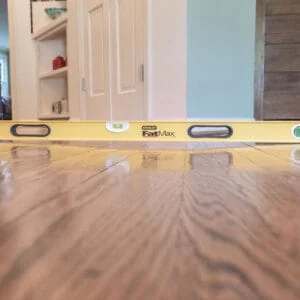
Sloping Floors

Sloping Floor

Foundation Repair Services

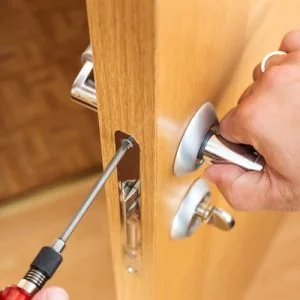
Sticking Door

Foundation Construction Services

Sticking Window

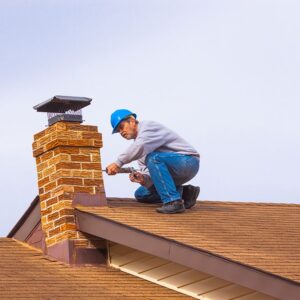
leaning-chimney

Chimney Leaning

Contact Us

East Bay Area

Communities We Serve.

We are happy to service communities throughout the East Bay Area and beyond. 

OUR SERVICES

Bay Area Foundation Contractor | Golden Bay Foundation Repair

img

Foundation Repair

Restore stability, fix cracks, and reinforce your foundation for lasting structural integrity

Read More
img

Foundation Inspection

Thoroughly assess foundation health, identify issues, and provide expert recommendations for maintenance.

Read More
img

Crawl Space Repair

Ensure a healthy crawl space environment by addressing moisture, insulation, and structural concerns.

Read More
img

Structural Replacement

Replace damaged or compromised structural elements with precision and quality craftsmanship.

Read More
img

Earthquake Retrofitting

Strengthen your property to withstand seismic activity, safeguarding against potential earthquake damage

Read More
img

Stem Wall Repair

Expertly repair and reinforce stem walls to maintain the overall stability of your property.

Read More
img

Drainage Services

Efficient drainage solutions to manage water runoff and prevent issues such as flooding and soil erosion. Our expert team designs and installs drainage systems tailored to your property's needs, ensuring effective water management.

Read More
img

Push Pier Foundation Repair Systems

Stabilize sinking foundations with push piers that reach load-bearing soil. Restore structure and prevent further settlement.

Read More
img

Foundation Replacement

Fully replace failing foundations with expert craftsmanship and durable materials for lasting structural strength.

Read More
img

Helical Pier & Push Pier Installation

Install helical and push piers to support foundations, lift settled areas, and ensure long-term stability.

Read More
img

Pier and Beam Foundation Repair

Repair damaged beams, replace supports, and level flooring to restore the integrity of pier and beam foundations.

Read More
img

Underpinning Services

Strengthen weak foundations by adding support beneath them, preventing movement and future damage.

Read More
img

Slab Foundation Repair

Fix cracks and unevenness in slab foundations to restore level surfaces and prevent structural issues.

Read More
img

Soil Stabilization

Improve ground support by treating unstable soil, reducing foundation movement and settlement risks.

Read More
img

Certified Soft Story Retrofit Experts

Trust our certified experts to retrofit soft-story buildings with precision, meeting all seismic safety standards.

Read More

Related Articles

People Also Ask

Soil stabilization and ground improvement are related geotechnical techniques but differ in scope and application. Soil stabilization specifically refers to modifying the engineering properties of an existing soil, such as increasing its strength or reducing its permeability, often through chemical or mechanical means like adding lime or cement. Ground improvement is a broader term encompassing any method used to enhance the performance of soil in situ, which includes stabilization but also extends to techniques like deep dynamic compaction, vibro-compaction, or the installation of vertical drains. Essentially, all soil stabilization is a form of ground improvement, but not all ground improvement methods are strictly stabilization, as some physically reconfigure the soil structure without chemical alteration.

There is no single "best" soil stabilizer, as the optimal choice depends entirely on the specific soil type, project requirements, and environmental conditions. For cohesive soils like clay, chemical stabilizers such as lime or cement are often highly effective, as they create strong pozzolanic reactions. For granular, sandy soils, mechanical stabilization with geotextiles or synthetic polymers might be more suitable to bind particles. The key is a thorough geotechnical analysis to identify soil composition and plasticity. Industry best practice involves on-site testing with different additives to determine the most cost-effective and durable solution for achieving the required bearing capacity and stability. For a deeper dive into the chemical and mechanical processes involved, refer to our internal article The Science Behind Soil Stabilization For Stronger Foundations.

Improving soil stability is a fundamental aspect of construction and land development. Key methods include mechanical techniques like compaction and the addition of geotextiles or geogrids for reinforcement. Chemical stabilization involves mixing agents such as lime, cement, or fly ash into the soil to alter its properties, increasing strength and reducing plasticity. Proper drainage is also critical, as water content greatly affects soil behavior; installing systems to control moisture prevents erosion and subsidence. For a comprehensive guide on modern techniques and material selection, refer to our detailed internal resource, Soil Stabilization. A professional site assessment by a geotechnical engineer is always recommended to determine the most effective and economical approach for your specific soil conditions.

A soil stabilizer is a substance or mechanical process used to improve the physical properties of soil, increasing its strength, durability, and resistance to water. It works by binding soil particles together, which reduces erosion, dust, and the potential for settlement. Common stabilizers include cement, lime, fly ash, and modern synthetic polymers. This process is crucial in construction for creating a stable base for roads, foundations, and building pads, transforming weak, expansive, or otherwise unsuitable soil into a reliable engineering material. For a deeper technical dive into methods and materials, refer to our internal resource Soil Stabilization. Proper stabilization is a cornerstone of sustainable and long-lasting infrastructure projects.

Google Yelp

Overall Rating

5.0
★★★★★

98 reviews