Soil Stabilization Services in Alamo,CA

Testimonial

Verified Client Reviews

The unique landscape feature of Alamo (rolling hills, estate areas, and creek-filled corridors) forms the soil conditions that must be considered carefully before any type of construction or reinforcement occurs. Homes around Stone Valley Road, Roundhill Country Club and Livorna Estates are located on land that has been systematized by decades of moisture and motion across the hillsides. Homes in Hemme Avenue, Miranda Avenue, and slopes off Las Trampas Ridge are usually faced with drifting clay soil which swells up during the rainy seasons and subsides in a disproportional manner during dry seasons. Such natural alterations may weaken the soil below foundations, driveways, retaining walls and soft-story structures.

Even minor clues, such as insignificant changes in grades, premature cracking of exterior slabs, or pulling of the soil away at the wall of the perimeter can warn that the ground, however, is slowly losing its stability. Our work team offers the soil stabilization services based on the specificity of the Alamo topography to make sure that houses and building projects have a good stable base, which project can guarantee the quality of future safety and functionality.

How Moisture Affects Soil Stability

One of the most significant things that affect the soil of Alamo is moisture. The presence of a lot of water during the rain season in slopes with clay makes the soil to swell. The soil shrinks when affected by summer heat leaving cracks that undermine foundations and exterior surfaces. Houses located along drainage systems or slopes run off areas can experience faster soil erosion as water runs under or around the building.

We measure moisture trends of the soil, find out where it grows excessively or decreases, and reinforce the areas with special stabilization techniques. This will help avoid seasonal changes and the resultant long term structural problems and will also help increase the overall ground consistency.

Soil Stabilization for Construction Projects

It is important to make sure that the soil can sustain the new load before any construction in Alamo is done, be it home addition, retaining wall, outbuilding, or foundation repair. Stabilization of soil enhances safety and also avoids the expensive problems in the future.

Enhancing The Layers of Subgrade Soils to be depended upon

We strengthen layers of soil in the lower levels to ensure that the weight of the construction is not concentrated on one side and is not prone to movement.

Minimizing Settlement Before, During and After Building

Our stabilization techniques reduce down movement which may happen during and after construction as the soil contracts with the new load of a building.

Enhancing Long-term Behavior of Grounds

When the performance of soil is improved, the chances of cracking, tilting or separation of the ground during changing of seasons are minimized.

What Makes Our Soft Story Retrofit Services Stand Out

Building performance of the soil is very important in hillside communities, which are constructed using soft stories. When the soil moves under first-level framing, the whole support system may be exposed. Our team combines soil retention with structural reinforcement and we are able to reinforce the ground and weak points of the building.

Homeowners contact us when they noticed:

  • Observable accretion of pavements or walks.
  • Lower-level wall cracking/displacement.
  • Splits that occur around the posts or support beams.
  • Sloping floors on the soft-story level.
  • Seasonal storm erosion of soil.

Engineered techniques are applied to stabilize ground layers, to enhance distribution of loads, and to strengthen the framing of soft stories to ensure that the whole building functions safely throughout the year.

Mechanical Soil Stabilization Methods

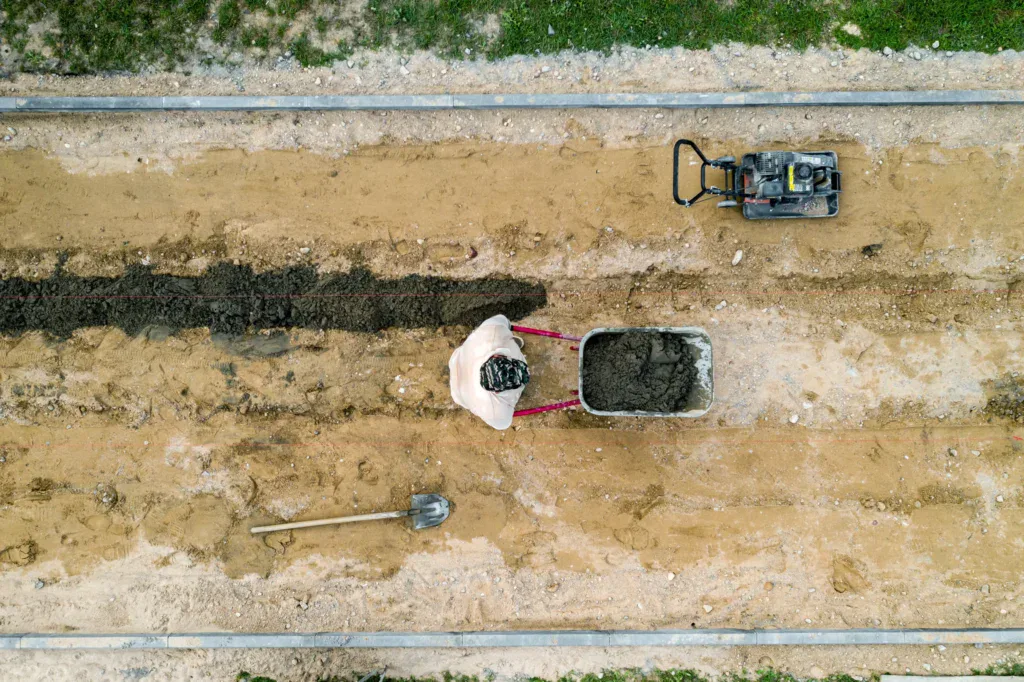
Mechanical stabilization is among the best methods of enhancing soil performance on an uneven terrain of Alamo. We also develop a more predictable and consistent base upon which foundations and other enhancements are to be made by modifying soil structure and density.

We evaluate the current composition of the soil, where compaction or reinforcement must be done and use the techniques to promote the load bearing capacity. This kind of stabilization may minimize susceptibility to seasonal moisture changes and hillside motion, which may secure the structure on top.

Build Your Alamo Property with Tested Soil Support

Every powerful structure is based on stable soil. You might be building or trying to deal with the onset of movement, our team is able to assess your property and put in place solutions that ensure the ground is safe. Call us today to book a soil test and secure your Alamo home or project with long-term stability which is guaranteed to be reliable.

Noticing any of these problems at home?

We’re here to help! Swiftly addressing these concerns is key. Our experts will promptly inspect and repair your foundation, ensuring the lasting strength and safety of your home. Reach out without hesitation for reliable assistance.

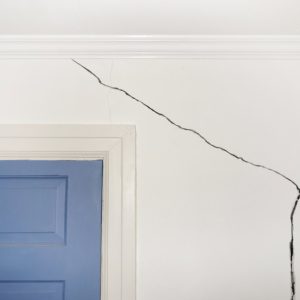
Crack in the wall of a home

Cracks in Interior Walls

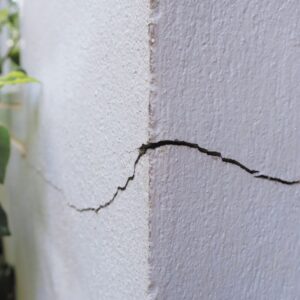
Cracks in exterior wall

Cracks in Exterior Walls

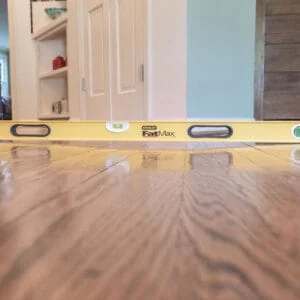
Sloping Floors

Sloping Floor

Foundation Repair Services

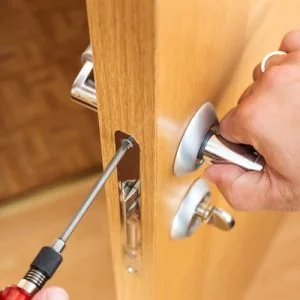
Sticking Door

Foundation Construction Services

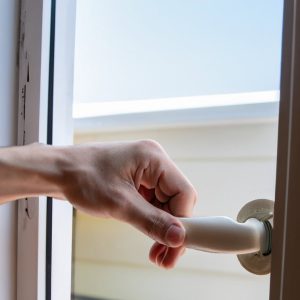
Sticking Window

leaning-chimney

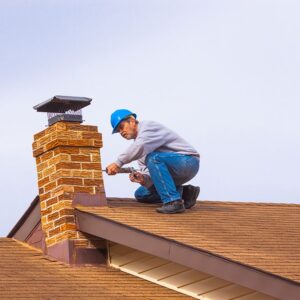
Chimney Leaning

Contact Us

East Bay Area

Communities We Serve.

We are happy to service communities throughout the East Bay Area and beyond. 

OUR SERVICES

Bay Area Foundation Contractor | Golden Bay Foundation Repair

img

Foundation Repair

Restore stability, fix cracks, and reinforce your foundation for lasting structural integrity

Read More
img

Foundation Inspection

Thoroughly assess foundation health, identify issues, and provide expert recommendations for maintenance.

Read More
img

Crawl Space Repair

Ensure a healthy crawl space environment by addressing moisture, insulation, and structural concerns.

Read More
img

Structural Replacement

Replace damaged or compromised structural elements with precision and quality craftsmanship.

Read More
img

Earthquake Retrofitting

Strengthen your property to withstand seismic activity, safeguarding against potential earthquake damage

Read More
img

Stem Wall Repair

Expertly repair and reinforce stem walls to maintain the overall stability of your property.

Read More
img

Drainage Services

Efficient drainage solutions to manage water runoff and prevent issues such as flooding and soil erosion. Our expert team designs and installs drainage systems tailored to your property's needs, ensuring effective water management.

Read More
img

Push Pier Foundation Repair Systems

Stabilize sinking foundations with push piers that reach load-bearing soil. Restore structure and prevent further settlement.

Read More
img

Foundation Replacement

Fully replace failing foundations with expert craftsmanship and durable materials for lasting structural strength.

Read More
img

Helical Pier & Push Pier Installation

Install helical and push piers to support foundations, lift settled areas, and ensure long-term stability.

Read More
img

Pier and Beam Foundation Repair

Repair damaged beams, replace supports, and level flooring to restore the integrity of pier and beam foundations.

Read More
img

Underpinning Services

Strengthen weak foundations by adding support beneath them, preventing movement and future damage.

Read More
img

Slab Foundation Repair

Fix cracks and unevenness in slab foundations to restore level surfaces and prevent structural issues.

Read More
img

Soil Stabilization

Improve ground support by treating unstable soil, reducing foundation movement and settlement risks.

Read More
img

Certified Soft Story Retrofit Experts

Trust our certified experts to retrofit soft-story buildings with precision, meeting all seismic safety standards.

Read More

People Also Ask

Soil stabilization is a long-term solution, but its lifespan depends on the method used and site conditions. For chemical stabilizers like lime or cement, the effects can last 10 to 20 years or more when properly installed and maintained. Mechanical compaction, if done correctly, provides permanent improvement to soil density, though it may degrade over decades if exposed to extreme moisture cycles. In the Walnut Creek area, where expansive clay soils are common, stabilization helps reduce movement that can damage foundations. For a detailed look at how soil conditions affect concrete slabs, refer to our internal article Why Slab Foundations Are Prone To Cracking In Dry Climates. At Golden Bay Foundation Builders, we recommend periodic inspections to ensure the stabilization remains effective, especially after major droughts or heavy rains.

For soil stabilization, the choice between lime and cement depends on the soil type. Lime is generally better for clay-rich soils, as it reduces plasticity and improves workability through a chemical reaction. Cement is more effective for sandy or granular soils, providing higher early strength and faster setting. Both methods increase load-bearing capacity, but cement is often preferred for immediate structural support. At Golden Bay Foundation Builders, we evaluate soil conditions on every project to recommend the appropriate stabilizer, ensuring long-term foundation durability in Walnut Creek and Contra Costa County. A professional geotechnical assessment is always recommended before selecting a stabilizer.

Soil stabilization and soil improvement are distinct geotechnical processes. Soil stabilization typically involves altering the physical properties of soil, such as its density or water content, to increase its load-bearing capacity and reduce settlement. This is often achieved through mechanical methods like compaction or by adding chemical binders like cement or lime. Soil improvement, on the other hand, is a broader term that includes any technique used to enhance soil performance, including drainage, reinforcement, or even replacing weak soil entirely. For projects in Walnut Creek CA and Contra Costa County, understanding this difference is crucial for foundation longevity. Golden Bay Foundation Builders recommends consulting a geotechnical engineer to determine which method best suits your site's specific soil conditions.

The two primary types of stabilization are mechanical stabilization and chemical stabilization. Mechanical stabilization involves physically altering the soil's composition, often by mixing it with other materials or through compaction to increase its density and load-bearing capacity. Chemical stabilization, on the other hand, involves adding chemical agents like cement, lime, or fly ash to the soil to create a chemical reaction that improves its strength and durability. For a deeper understanding of these methods and how they apply to your project, we recommend reading our internal article Soil Stabilization. At Golden Bay Foundation Builders, we always assess site conditions to determine the most effective stabilization approach for long-lasting results.

Google Yelp

Overall Rating

5.0
★★★★★

108 reviews