Soil Stabilization Services in Orinda, CA

The topography of Orinda is also characterized by the rolling landscape with wooded neighborhoods and houses fitted in tight valleys where soil does not act in the same manner as in one street to another. Houses around Orinda Village, along Moraga Way and in Glorietta are usually located on deep layers of clay that swell when it rains in winter and shrink when it is dry and hot in summer. The neighborhoods of Sleepy Hollow, Wilder, and Dalewood have even more hillside pressure with gravity and runoff slowly moving the soil under foundations, retaining walls, and exterior slabs. Even the less active residential areas around the Ivy Drive and Donna Maria Way have to grapple with the minor changes of moisture that undermine the structure of soils over time.

All these influences of the environment define the way the earth supports your house. Minor signs, like settling of patios, spreading of diagonal cracks on stucco, or the separation of soil and foundations edges are more likely to manifest deeper instability which will only aggravate over time. We are the team, which is specialized in soil fortification on the various terrains of Orinda in making sure that the present and future construction plans are supported in the long term.

Why Poor Soil Conditions Lead to Foundation Failure

The soil that becomes non-supportive to structural loads is the one that loses its density or absorbs excess water. This frequently occurs in Orinda whereby the clay soils contract and swell continuously, or where the foundations may be washed away by erosion caused by runoff on the hillsides.

We analyze the behavior of each layer of soil to moisture and pressure and resort to the stabilization techniques to make the ground stronger and avoid movement. Early control of the behavior of the soil will ensure the structural system as a whole will not suffer any damage in the long run.

Soil Stabilization for Residential Properties

The stabilization of soil is an important factor that helps to maintain the integrity of the Orinda homes. We measure the density and water content in soils, and the slope before implementing any solution so that the most efficient method of the reinforcement is identified.

Enhancement of the Soil Carrying Capacity

We strengthen deeper layers of soil to ensure that it does not sink or provide a weak support under your house.

Lessening Soil Swellings and Annual Translocation

The wet winters and dry summers of Orinda have made the ground to be held in place by the use of stabilization.

Making Ground Beneath and Ground Around the Foundation Strong

Even the foundation is supported by stabilized soil, which minimizes the possibility of cracks and structural distortion.

Trusted by Building Owners for Safe, Accurate Retrofitting

Orinda retrofitting of properties needs a profound understanding on the interaction of the soil with the construction. The older houses in the area were constructed prior to the harnessing of modern geotechnical techniques, and, therefore, their foundation is based on the uniformity of the ground stability.

The owners of the building typically contact us when they realize:

  • Autosomal movement of soil towards the lower walls.
  • Driveways are drifting or settling.
  • Support posts will shift slightly with time.
  • The development of uneven floors on the lower floor.
  • Ponding of water following storms of foundation lines.

We assess the state of the soil, drainage direction and slope characteristics to develop retrofitting and stabilization measures that stabilize the ground as well as the building resting on the ground.

Stabilizing Soil Before Building an Extension

The soil has to be in good positions that will carry the extra weight before the addition of a new room, expansion of the second floor, and an accessory structure. This is particularly crucial in the case of hillsides where soils that are not reinforced can either slide or become uneven when new forces are exerted on them.

We assess the area of expansion, study the current performance of the soil and implement the stabilization methods which form a stable base which is uniform. This will avoid settlement, cracking, and movement in the future as the new structure starts to take over with the previous structure.

Testimonial

Verified Client Reviews

Make Your Orinda Property Strong with Soil Support

When you have observed that the ground is shifting or want to make some structural adjustments, then you should reinforce your soil. Our experts would be able to inspect your property and offer stabilization options that would fit specific to the terrain of Orinda. Contact us now to have the power of a strong soil and save your house in the future.

Noticing any of these problems at home?

We’re here to help! Swiftly addressing these concerns is key. Our experts will promptly inspect and repair your foundation, ensuring the lasting strength and safety of your home. Reach out without hesitation for reliable assistance.

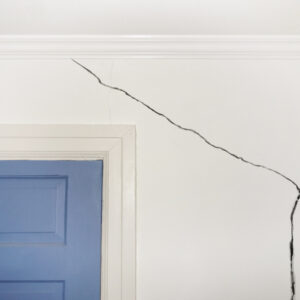
Crack in the wall of a home

Cracks in Interior Walls

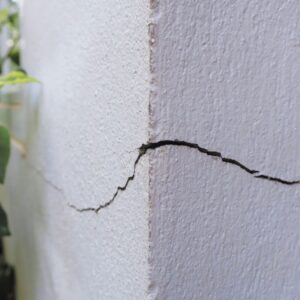
Cracks in exterior wall

Cracks in Exterior Walls

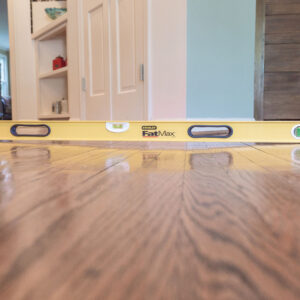
Sloping Floors

Sloping Floor

Foundation Repair Services

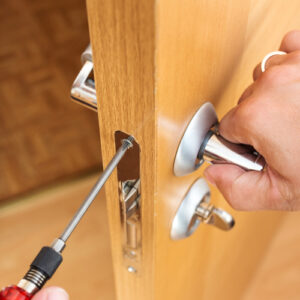
Sticking Door

Foundation Construction Services

Sticking Window

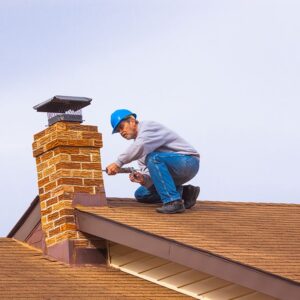
leaning-chimney

Chimney Leaning

Contact Us

East Bay Area

Communities We Serve.

We are happy to service communities throughout the East Bay Area and beyond. 

OUR SERVICES

Bay Area Foundation Contractor | Golden Bay Foundation Repair

img

Foundation Repair

Restore stability, fix cracks, and reinforce your foundation for lasting structural integrity
Read More
img

Foundation Inspection

Thoroughly assess foundation health, identify issues, and provide expert recommendations for maintenance.
Read More
img

Crawl Space Repair

Ensure a healthy crawl space environment by addressing moisture, insulation, and structural concerns.
Read More
img

Structural Replacement

Replace damaged or compromised structural elements with precision and quality craftsmanship.

Read More
img

Earthquake Retrofitting

Strengthen your property to withstand seismic activity, safeguarding against potential earthquake damage
Read More
img

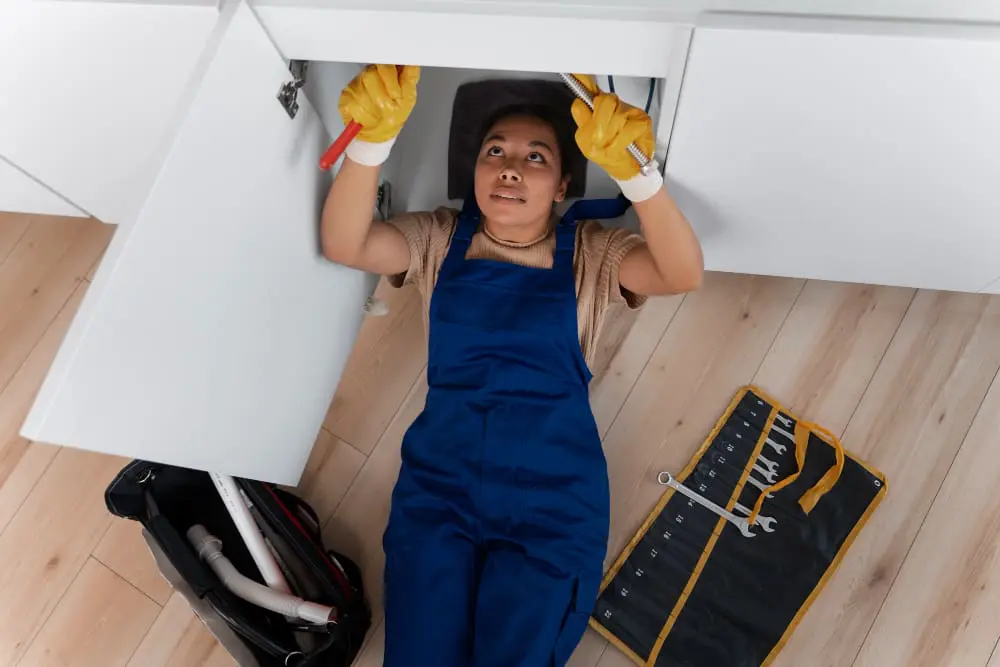
Stem Wall Repair

Expertly repair and reinforce stem walls to maintain the overall stability of your property.
Read More
img

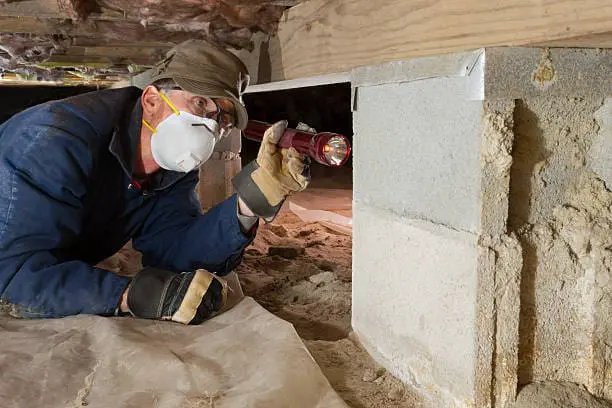
Drainage Services

Efficient drainage solutions to manage water runoff and prevent issues such as flooding and soil erosion. Our expert team designs and installs drainage systems tailored to your property's needs, ensuring effective water management.
Read More
img

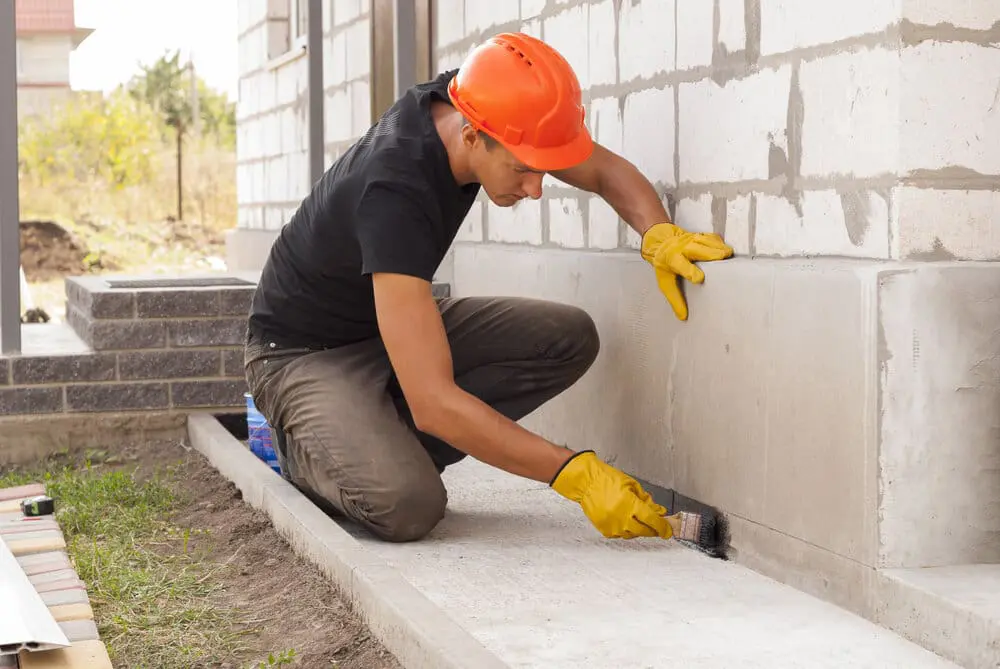
Push Pier Foundation Repair Systems

Stabilize sinking foundations with push piers that reach load-bearing soil. Restore structure and prevent further settlement.
Read More
img

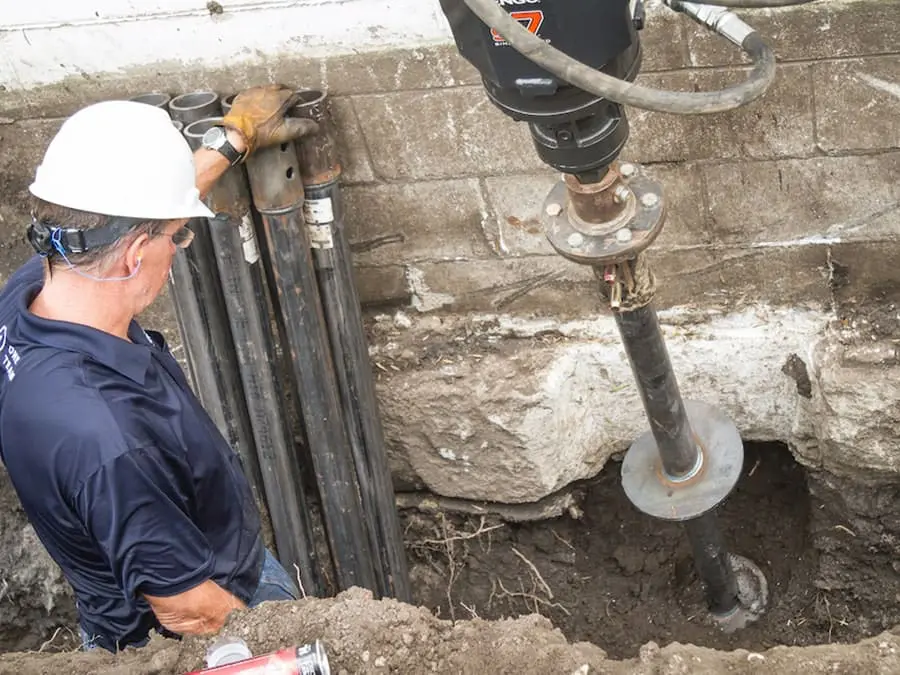
Foundation Replacement

Fully replace failing foundations with expert craftsmanship and durable materials for lasting structural strength.
Read More
img

Helical Pier & Push Pier Installation

Install helical and push piers to support foundations, lift settled areas, and ensure long-term stability.
Read More
img

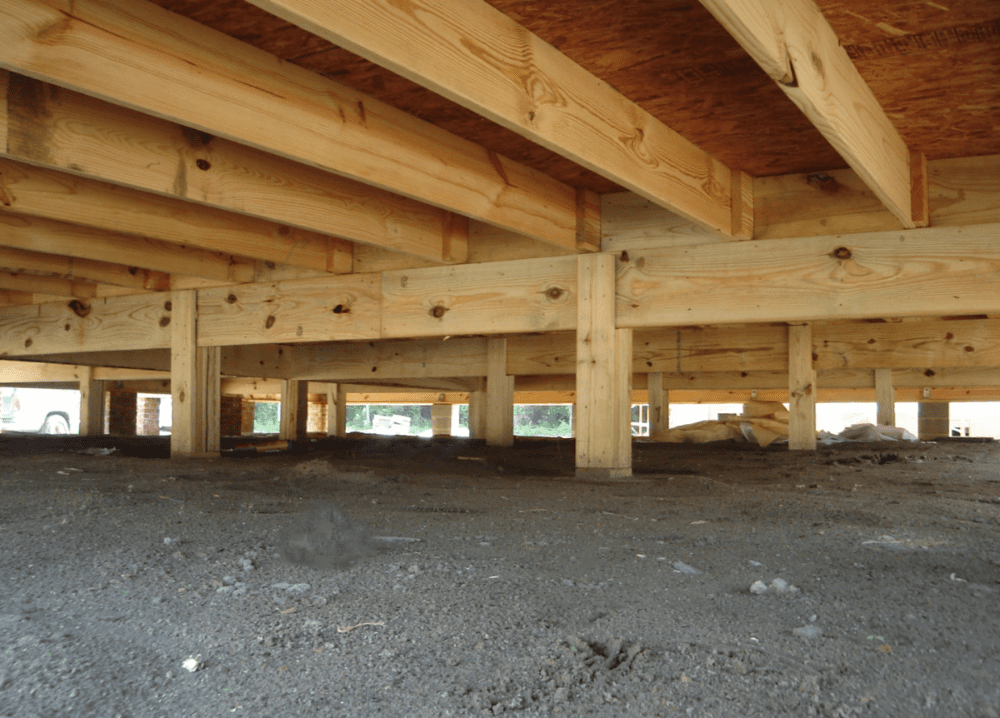
Pier and Beam Foundation Repair

Repair damaged beams, replace supports, and level flooring to restore the integrity of pier and beam foundations.
Read More
img

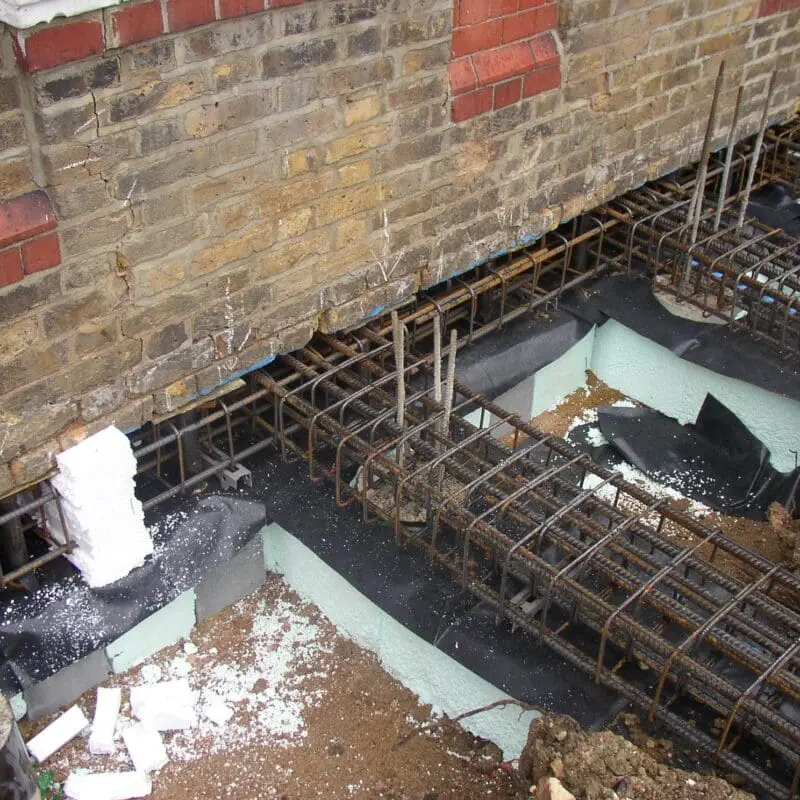
Underpinning Services

Strengthen weak foundations by adding support beneath them, preventing movement and future damage.
Read More
img

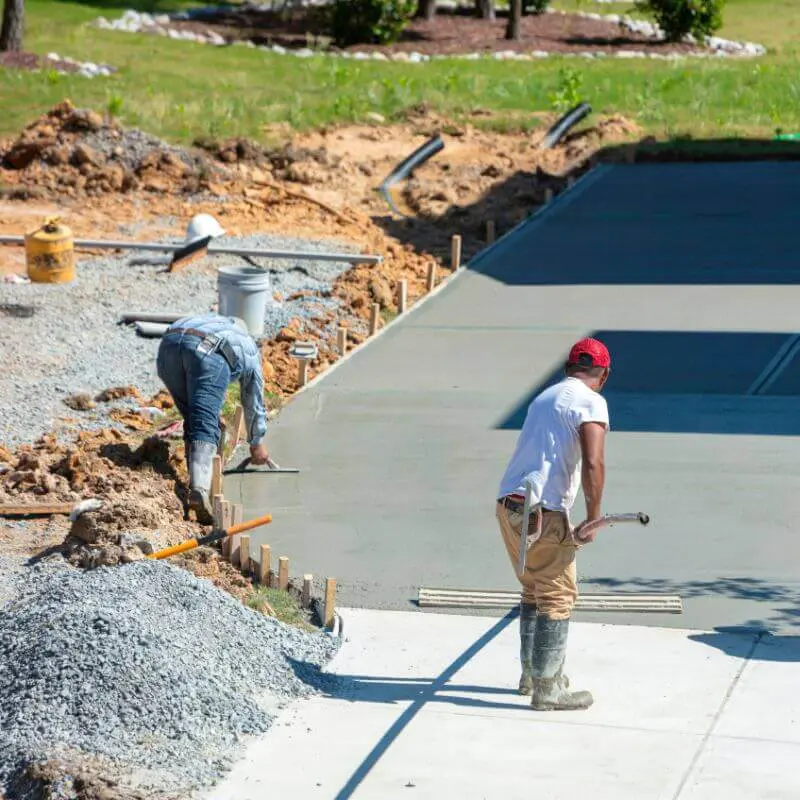
Slab Foundation Repair

Fix cracks and unevenness in slab foundations to restore level surfaces and prevent structural issues.
Read More
img

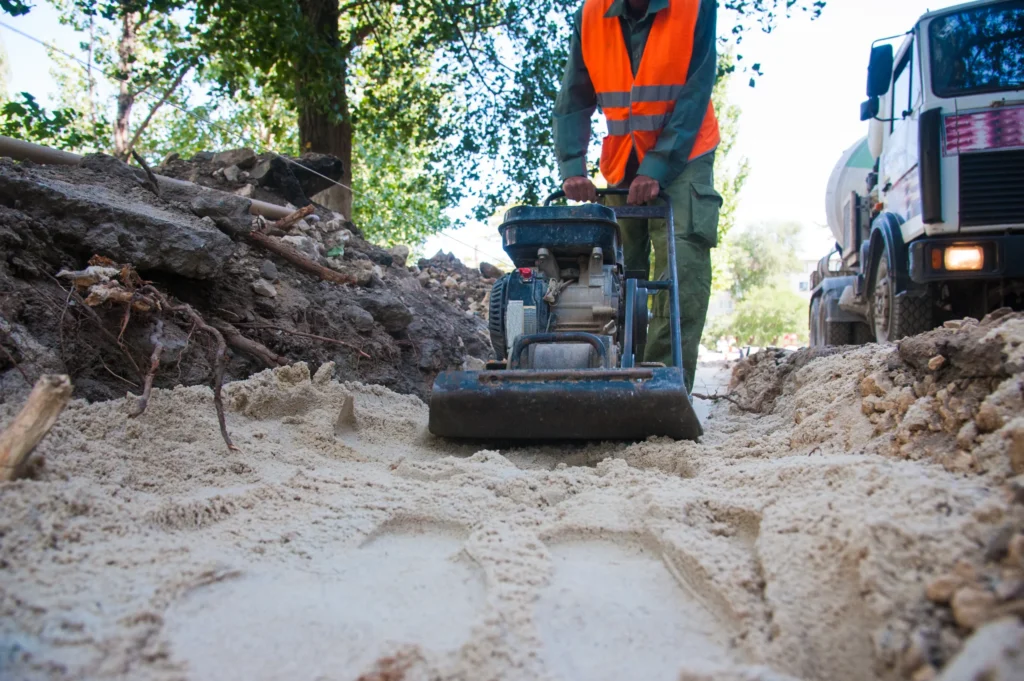
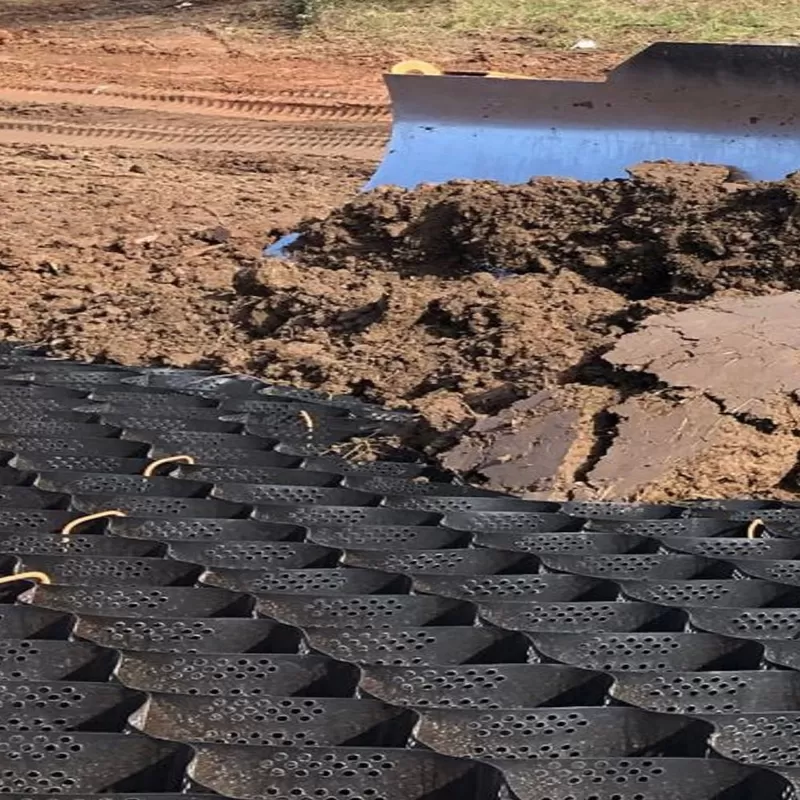
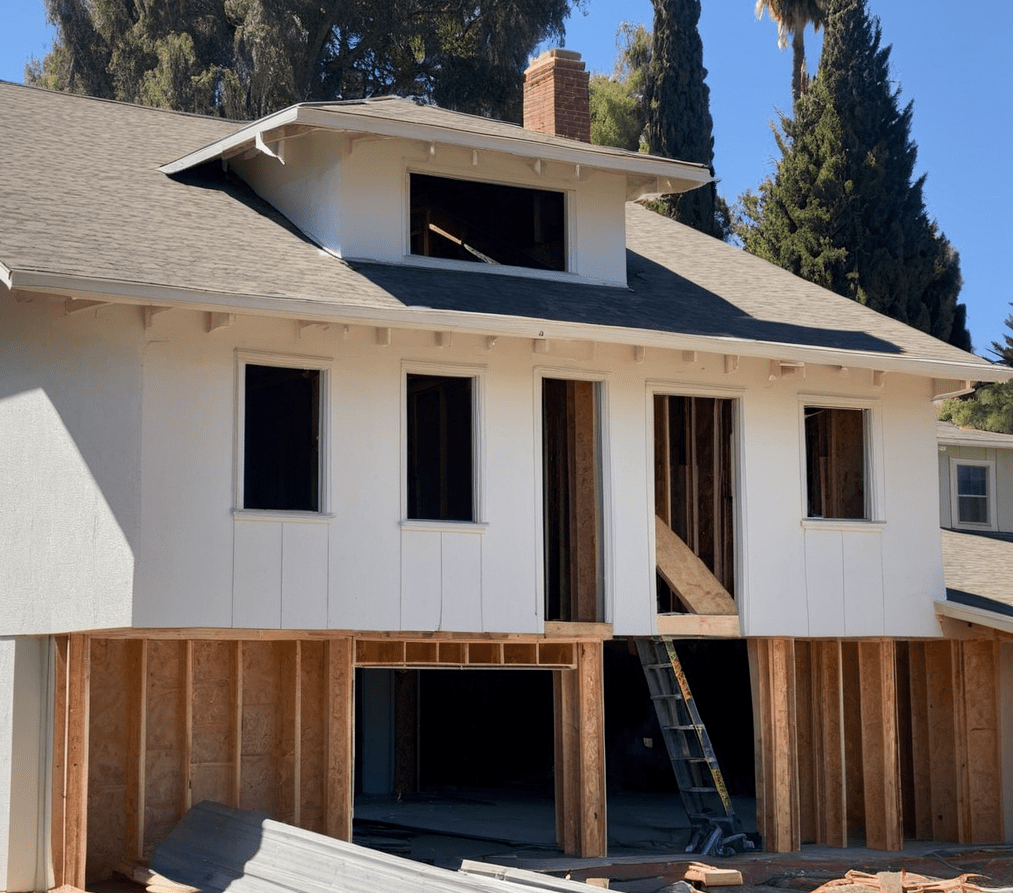
Soil Stabilization

Improve ground support by treating unstable soil, reducing foundation movement and settlement risks.
Read More
img

Certified Soft Story Retrofit Experts

Trust our certified experts to retrofit soft-story buildings with precision, meeting all seismic safety standards.

Read More

People Also Ask

Soil stabilization and ground improvement are related geotechnical techniques but differ in scope and application. Soil stabilization specifically refers to the process of altering soil properties to enhance its engineering performance, such as increasing strength or reducing permeability, often through chemical or mechanical means like adding lime or cement. Ground improvement is a broader umbrella term encompassing a wide range of techniques, including stabilization, to treat problematic ground conditions for construction. It includes methods like deep compaction, vertical drains, and soil reinforcement. Essentially, all soil stabilization is a form of ground improvement, but not all ground improvement methods are strictly stabilization; some modify the soil structure or drainage without chemically altering the soil itself.

Properly stabilizing the soil around a foundation is critical for preventing settlement and structural damage. The primary method involves ensuring excellent drainage to control water, as expansive soils that swell with moisture and shrink during droughts are a leading cause of instability. Installing a comprehensive system of gutters, downspouts, and grading that slopes away from the house is essential. For more severe issues, solutions may include installing French drains or root barrier systems to manage tree roots. In some cases, professional underpinning or the injection of stabilizing compounds like polyurethane foam may be necessary. For a deeper understanding of managing water, a key component of soil stabilization, refer to our internal article The Role Of Drainage Systems In Protecting Your Foundation.

The best cement for soil stabilization is typically Portland cement, specifically Type I, II, or V, depending on environmental conditions. It is widely used due to its consistent quality, availability, and proven performance in creating a durable, water-resistant matrix when mixed with soil. The choice depends on soil type: for clayey soils, cement effectively reduces plasticity and increases strength, while for sandy soils, it provides cohesion. The general industry standard involves a thorough geotechnical investigation to determine the optimal cement content, often between 3% to 10% by dry weight of soil, to achieve the required compressive strength and durability for the intended application, such as road subgrades or building foundations.

Soil injections can be an effective method for addressing specific soil and foundation issues. This technique involves injecting specialized materials, such as polyurethane foam or cementitious grout, deep into the ground beneath a structure. The primary goal is to stabilize and lift settled concrete slabs or to fill voids that have developed due to soil erosion or compaction. When performed correctly by experienced professionals, soil injection provides a minimally invasive solution that can restore structural integrity without the need for extensive excavation. Its success depends heavily on accurate diagnosis of the soil problem, proper material selection, and precise application to ensure uniform support and long-term stability.

Google Yelp

Overall Rating

5.0
★★★★★

99 reviews