Soil Stabilization Services in Hercules,CA

The topography of Hercules is characterized by steep residential ridges, redeveloped shoreline and long established neighborhoods developed by the San Pablo Bay. Due to the pressure of clay layers and slope, homes in the area around the Sycamore Avenue, Victoria-by-the-Bay, and the hillside streets near Refugio Valley go through the yearly process of expansion and contraction of the soil. In the meantime, the city more close to the waterfront, North Shore Business Park, and the older areas along Willow Avenue have sandy soils and varying moisture levels which over time undermine the stability of the ground. 

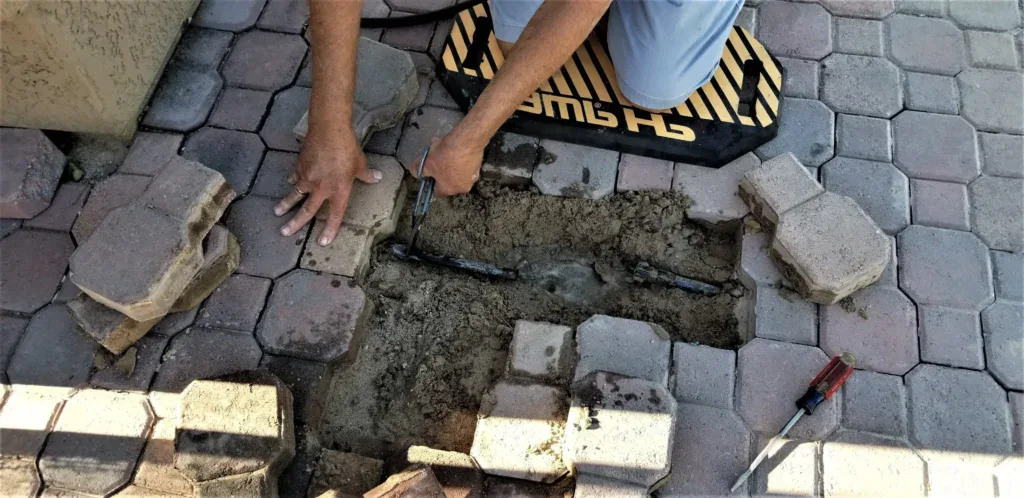
Minor indications such as moving paving, the ground moving away along the foundation line, the cracks of the ground-level walls widening, or the giving ground of external surfaces tell frequently of deeper instability below the premises. Since Hercules has coastal wind exposure, hill-side erosion and soil due to historical grading, stabilization produces a reliable base in which natural processes are still in the process of evolution. Our crew provides the soil reinforcement based on the mixed terrain and moisture patterns in the city.

Techniques for Stabilizing Sandy Soil

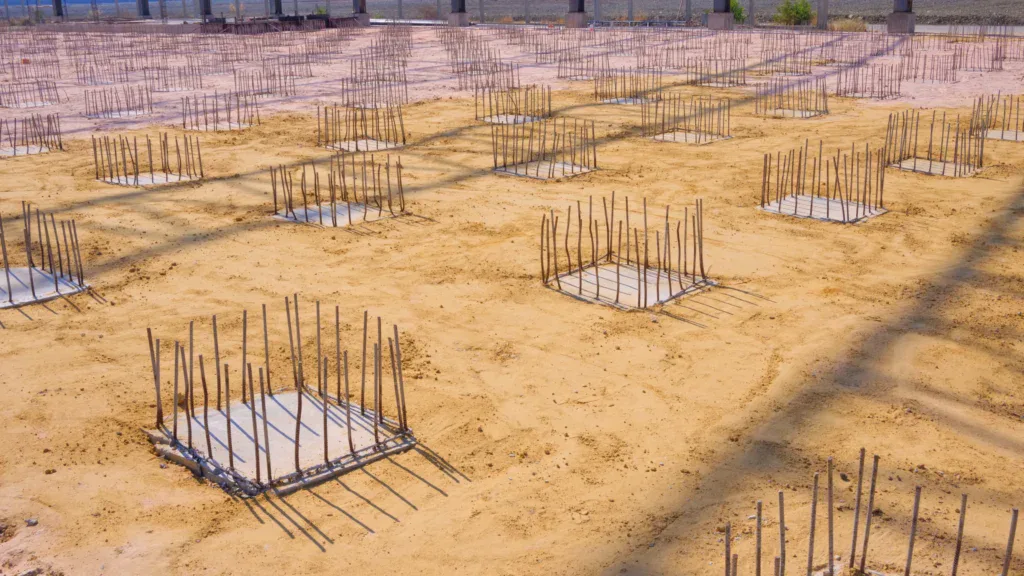
Sandy soils are prevalent in the shoreline regions of Hercules and in new construction sites and although it drains easily, it is usually low in the structural capacity to bear regular loads. The extent of response to pressure of the soil is evaluated by measuring the grain size, moisture behavior, and compaction levels. 

Stabilization serves to hold the particles linked and minimize the motion of foot traffic, water flow, or coastal winds. When treated, the sandy soil becomes heavier and it could resist erosion and also provide more predictable ground behavior of the residential and commercial buildings.

Proper Soil Preparation for Durable Foundations

In the construction of a new addition, or when strengthening a structure that has already been built, the preparation of the soil defines the results of the foundation performance with time. The composite soil profiles of Hercules will have to be analyzed site-specifically before any construction.

Enhancing Layers of Weak Soils Before Construction

 We detect and treat areas that are weak where moisture or compaction problems can cause the settlement to be uneven. The stabilization of these layers at an early stage will mean that the foundation will be based on stable and stable soil.

Enhancing Stability in Moisture-Active Areas

Areas affected by bay winds or seasonal levels of water can become soft or loosened without notice. Stabilization decreases moisture sensitivity, which means that the soil remains stable throughout the year and makes it firm and supportive.

Avoiding Future Structural Movement

Our techniques reduce long-term settling and provide the base with protection as the building ages by augmenting density, lessening voids, and enhancing soil response to load.

How to Strengthen Soil on Sloped Land

Hercules has slope terrain that is experiencing constant soil creep, erosion and pressure of the soil due to rainfall and gravity. These conditions may compromise foundations, retaining walls and driveways unless special reinforcement is applied to the soil.

  • Lessening Erosion by Slope-Specific Treatments: We consider the motion of water on the slope and apply the stabilization procedures that make the soil more cohesive and stop the process of the surface material sliding during the storms or irrigation periods. These preserves grade even on steep grounds.
  • Improvement Soil Structure Under Retaining Wall: We strengthen retaining wall areas behind and under the retaining walls to discourage horizontal movement of soil that leads to leaning and bulging. Strong soil provides guarantee in safety of wall systems and keeps the structure on track.
  • Hillside Foundations Against Soil Creep: On hillside residential buildings adjacent to Refugio Valley, the gradual movement of soil may cause foundation loads to become distorted. Stabilization enhances weight and minimizes soil movement such that the house does not move downhill regardless of the slope pressure.

Your Project Deserves the Best—Here’s Why We Deliver

Our team consists of the highly developed soil analysis, engineering experience, and the methods that were tested on the various terrain of Hercules and proved to be effective. The stabilization plans will be property-specific based on the soil type, elevation and exposure to moisture.

The expertise of builders, homeowners, and developers is sought after since we do not deal with quick fixes, but a stable ground in the long-term. With better results in the performance of your soil at all levels, we will defend your investment and will regain the confidence in the structural preparedness of your land.

Testimonial

Verified Client Reviews

Establish a Long-term Sturdiness in Your Hercules Property

The problem of soil instability does not resolve itself but continues to increase as the years progress. Our professionals will be able to inspect your property, identify areas of weakness in the soil, and implement specific reinforcement that will exactly match the landscape of Hercules. Get your ground support reliable before your project or home suffers complications that can be avoided by contacting us today.

Noticing any of these problems at home?

We’re here to help! Swiftly addressing these concerns is key. Our experts will promptly inspect and repair your foundation, ensuring the lasting strength and safety of your home. Reach out without hesitation for reliable assistance.

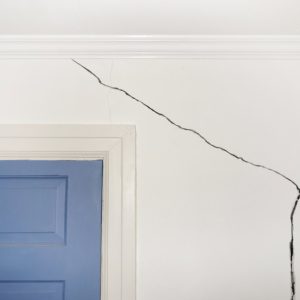
Crack in the wall of a home

Cracks in Interior Walls

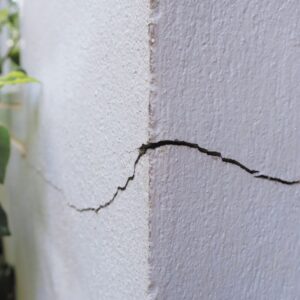
Cracks in exterior wall

Cracks in Exterior Walls

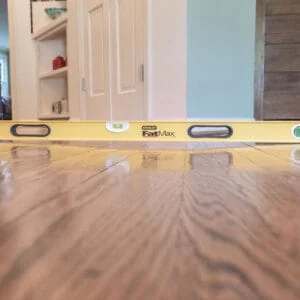
Sloping Floors

Sloping Floor

Foundation Repair Services

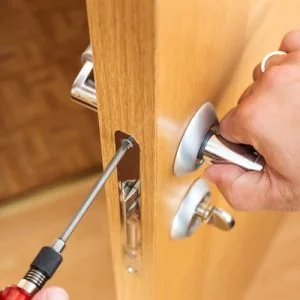
Sticking Door

Foundation Construction Services

Sticking Window

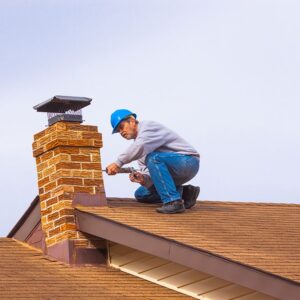
leaning-chimney

Chimney Leaning

Contact Us

East Bay Area

Communities We Serve.

We are happy to service communities throughout the East Bay Area and beyond. 

OUR SERVICES

Bay Area Foundation Contractor | Golden Bay Foundation Repair

img

Foundation Repair

Restore stability, fix cracks, and reinforce your foundation for lasting structural integrity

Read More
img

Foundation Inspection

Thoroughly assess foundation health, identify issues, and provide expert recommendations for maintenance.

Read More
img

Crawl Space Repair

Ensure a healthy crawl space environment by addressing moisture, insulation, and structural concerns.

Read More
img

Structural Replacement

Replace damaged or compromised structural elements with precision and quality craftsmanship.

Read More
img

Earthquake Retrofitting

Strengthen your property to withstand seismic activity, safeguarding against potential earthquake damage

Read More
img

Stem Wall Repair

Expertly repair and reinforce stem walls to maintain the overall stability of your property.

Read More
img

Drainage Services

Efficient drainage solutions to manage water runoff and prevent issues such as flooding and soil erosion. Our expert team designs and installs drainage systems tailored to your property's needs, ensuring effective water management.

Read More
img

Push Pier Foundation Repair Systems

Stabilize sinking foundations with push piers that reach load-bearing soil. Restore structure and prevent further settlement.

Read More
img

Foundation Replacement

Fully replace failing foundations with expert craftsmanship and durable materials for lasting structural strength.

Read More
img

Helical Pier & Push Pier Installation

Install helical and push piers to support foundations, lift settled areas, and ensure long-term stability.

Read More
img

Pier and Beam Foundation Repair

Repair damaged beams, replace supports, and level flooring to restore the integrity of pier and beam foundations.

Read More
img

Underpinning Services

Strengthen weak foundations by adding support beneath them, preventing movement and future damage.

Read More
img

Slab Foundation Repair

Fix cracks and unevenness in slab foundations to restore level surfaces and prevent structural issues.

Read More
img

Soil Stabilization

Improve ground support by treating unstable soil, reducing foundation movement and settlement risks.

Read More
img

Certified Soft Story Retrofit Experts

Trust our certified experts to retrofit soft-story buildings with precision, meeting all seismic safety standards.

Read More

Related Articles

People Also Ask

There is no single "best" soil stabilizer, as the optimal choice depends entirely on the specific soil type, project requirements, and environmental conditions. For cohesive soils like clay, chemical stabilizers such as lime or cement are highly effective, as they create strong pozzolanic reactions. For granular, sandy soils, mechanical stabilization with geotextiles or synthetic polymers is often preferred to improve load-bearing capacity. The key is a thorough geotechnical analysis to determine soil composition and plasticity. Modern projects increasingly use eco-friendly bio-enzymes for certain applications. For a deep dive into the chemical and mechanical processes involved, we recommend our internal article, The Science Behind Soil Stabilization For Stronger Foundations. Professional consultation is always advised to select the correct stabilizer for long-term foundation integrity.

Soil stabilization and ground improvement are related geotechnical techniques but differ in scope and application. Soil stabilization specifically refers to the process of altering soil properties to enhance its engineering performance, such as increasing strength or reducing permeability, often through chemical or mechanical means like adding lime or cement. Ground improvement is a broader umbrella term encompassing a wide range of techniques, including stabilization, to modify the ground's characteristics for construction. It includes methods like deep compaction, vertical drains, and soil reinforcement. Essentially, all soil stabilization is a form of ground improvement, but not all ground improvement techniques are strictly stabilization; some physically reconfigure the soil structure or drainage without chemically altering its composition.

A soil stabilizer is a chemical or mechanical agent used to improve the physical properties of soil, making it stronger and more durable for construction. It works by altering the soil's chemistry or binding its particles together, which increases load-bearing capacity, reduces permeability, and controls dust and erosion. Common stabilizers include cement, lime, fly ash, and synthetic polymers. This process is crucial for creating a solid foundation for roads, building pads, and other infrastructure, ensuring long-term stability and reducing maintenance costs. For a deeper dive into the methods and materials involved, see our internal resource on Soil Stabilization.

Common soil stabilization methods include mechanical, chemical, and biological techniques. Mechanical stabilization involves physical processes like compaction, grading, or the addition of aggregates to improve soil density and load-bearing capacity. Chemical stabilization uses agents such as lime, cement, or fly ash to alter soil properties, increasing strength and reducing plasticity. Biological methods, like using vegetation or microbial treatments, enhance soil cohesion and erosion control. The choice of method depends on soil type, project requirements, and environmental conditions. For a deeper dive into modern techniques and best practices, refer to our detailed resource on Soil Stabilization. Proper stabilization is crucial for ensuring the long-term durability and safety of construction foundations.

Google Yelp

Overall Rating

5.0
★★★★★

98 reviews