Soil Stabilization Services in Castro Valley,CA

Testimonial

Verified Client Reviews

Due to the topography of the area, which is formed by hills and lowlands with streams and the traditionally established residential areas, Castro Valley presents ground conditions that change significantly as the seasons change. Houses located along Lake Chabot road and in Crow Canyon and in the higher streets around Cull Canyon are usually built on clay soils that swell up during the wet winters and contract as the soil dries up in summer. In the meantime, the soil around Somerset Avenue, Stanton Avenue, and more densely populated areas along Castro Valley Boulevard are affected by the change in ground water, deteriorating fill and decades of human development. 

Sinking walkways, pulling away of soil along the line of foundation, cracks on the pavements or small movements in retaining walls are early signs that show that the soil under the property is starting to lose homogeneous support. Due to the combination of hillside land with low-lying and moisture-reactive areas in Castro Valley, the stabilization will be necessary regarding the structural safety in the long term. Our group offers localized soil reinforcement initiatives specifically designed to handle the complicated soil activity of the region and the changes in its heights.

How to Prevent Soil Erosion Naturally

The hillsides and the locations near the creek are highly vulnerable to erosion in Castro Valley. Natural erosion control minimizes soil erosion, protects landscaping and also conserves some of the features of structure such as retaining walls and fences. We examine the influences of rainfall, irrigation, and slope gradient on the movement of the soil. 

Preventive measures of natural erosion can consist of enhancing the density of the soil through treatments and redistribution of the gradient to manage water flow in a safe manner and shielding the exposed sections with vegetation which roots deeply in the soil. With such improvements, it is possible to minimize washout and allow the soil to cling on to its structure during storms or seasonal run-offs. These are natural procedures that help in promoting healthier long term soil performance.

Soil Stabilization for Roads, Highways, and Pavements

Surfaces in transportation of Castro Valley, both winding hillside routes and heavy residential streets, rely on soil that is stable in order to keep safe and operational. It is necessary to make certain that the ground upon which pavement will be reinforced or resurfaced is stabilized first to ensure future cracking or subsidence does not occur.

Creating Strong Subgrades for Traffic Loads

These involve strengthening the soil in the area under roads and on the pavements so that they can withstand the weight of vehicles and change of environment. These layers are reinforced to avoid rutting, surface cracks and early pavement failure particularly in the high traffic routes.

Reducing Distortion Caused by Moisture Cycles

Castro Valley soils tend to become soft due to the occurrence of heavy rainfall and tend to become hard due to dry periods. These variations are suppressed by stabilization, which helps to make road surfaces smooth and predictable all year round.

Supporting Long-Term Pavement Durability

Long-term pavements are supported by stabilized soils that discourage settling of the pavements that causes uneven pavements and tripping. This enhances safety and saves on the necessity to resurface and maintain with a lot of expenses.

The Importance of Proper Drainage in Soil Stability

Drainage is of great importance to have stable soil. Devoid of sound management of water, soil may soften, swell, or erode all of which brings about foundation stress.

Determining Drainage Weak Areas on the Land

We assess the movement of water over the land during rainy seasons and irrigations. Water pools areas and excessive speed of water are reinforced with stabilization and better water redirection.

Increasing Soil Resistance to Water Saturation

The stabilized soil has decreased the absorption rates that is, it does not lose its shape during heavy rain. This helps stop the soil undergoing softening and sliding under the structural loads.

Erosion Prevention- Regulated Water Movement

Adequate drainage will prevent water accumulating at the foundations or around edges of hillsides. This positively influences the risk of erosion that can weaken the structural support in the long run.

How Our Soil Stabilization Services Improve Ground Strength

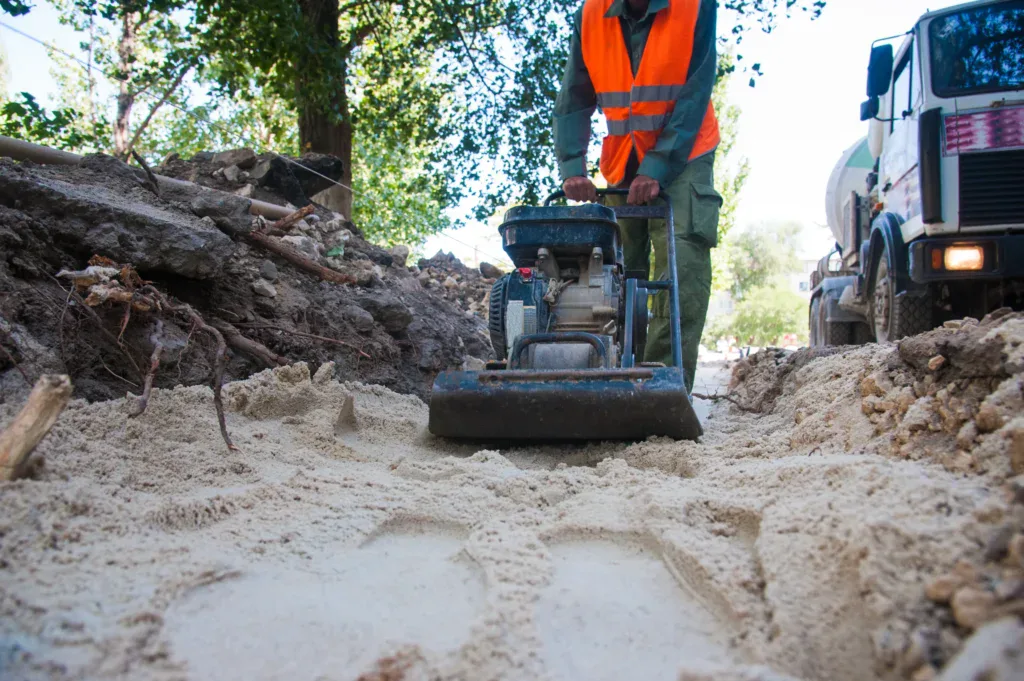
Each Castro Valley property possesses its own soil conditions-some of them are liable to slipping, others to swelling or settlement. The stabilizing of the ground around and under your structure makes it reliable to endure the changes in the season.

After the treatment the soil is made more solid, strong and capable of supporting foundations, pavement and other outdoor decorations. This enhances ground strength thus minimizes the maintenance cost, eliminates structural movement as well as guarantees stability of homes and construction projects in the long term both in Castro Valley.

Strengthen Your Castro Valley Soil Now

Unless soil problems are addressed in time, they develop rapidly. Our experts are able to inspect your premises, identify the areas of issues and implement stabilization methods tailored to the topography of Castro Valley. Call us now and strengthen your foundation and defend your house or project against all future times. Connect with us today to reinforce your ground and protect your home or project for years to come.

Noticing any of these problems at home?

We’re here to help! Swiftly addressing these concerns is key. Our experts will promptly inspect and repair your foundation, ensuring the lasting strength and safety of your home. Reach out without hesitation for reliable assistance.

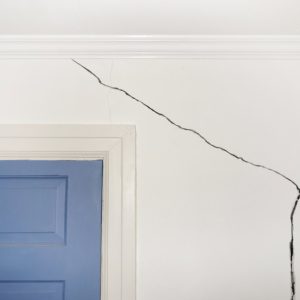
Crack in the wall of a home

Cracks in Interior Walls

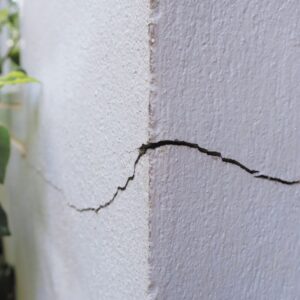
Cracks in exterior wall

Cracks in Exterior Walls

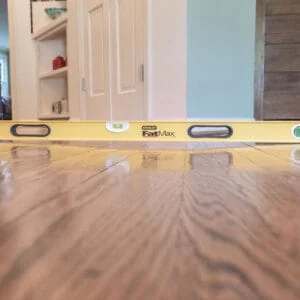
Sloping Floors

Sloping Floor

Foundation Repair Services

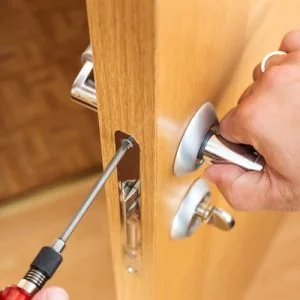
Sticking Door

Foundation Construction Services

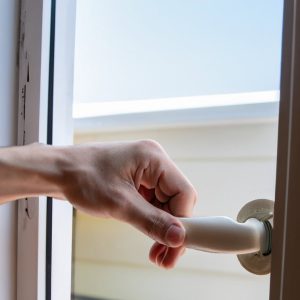
Sticking Window

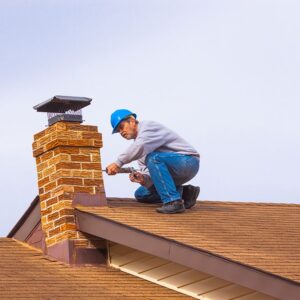
leaning-chimney

Chimney Leaning

Contact Us

East Bay Area

Communities We Serve.

We are happy to service communities throughout the East Bay Area and beyond. 

OUR SERVICES

Bay Area Foundation Contractor | Golden Bay Foundation Repair

img

Foundation Repair

Restore stability, fix cracks, and reinforce your foundation for lasting structural integrity

Read More
img

Foundation Inspection

Thoroughly assess foundation health, identify issues, and provide expert recommendations for maintenance.

Read More
img

Crawl Space Repair

Ensure a healthy crawl space environment by addressing moisture, insulation, and structural concerns.

Read More
img

Structural Replacement

Replace damaged or compromised structural elements with precision and quality craftsmanship.

Read More
img

Earthquake Retrofitting

Strengthen your property to withstand seismic activity, safeguarding against potential earthquake damage

Read More
img

Stem Wall Repair

Expertly repair and reinforce stem walls to maintain the overall stability of your property.

Read More
img

Drainage Services

Efficient drainage solutions to manage water runoff and prevent issues such as flooding and soil erosion. Our expert team designs and installs drainage systems tailored to your property's needs, ensuring effective water management.

Read More
img

Push Pier Foundation Repair Systems

Stabilize sinking foundations with push piers that reach load-bearing soil. Restore structure and prevent further settlement.

Read More
img

Foundation Replacement

Fully replace failing foundations with expert craftsmanship and durable materials for lasting structural strength.

Read More
img

Helical Pier & Push Pier Installation

Install helical and push piers to support foundations, lift settled areas, and ensure long-term stability.

Read More
img

Pier and Beam Foundation Repair

Repair damaged beams, replace supports, and level flooring to restore the integrity of pier and beam foundations.

Read More
img

Underpinning Services

Strengthen weak foundations by adding support beneath them, preventing movement and future damage.

Read More
img

Slab Foundation Repair

Fix cracks and unevenness in slab foundations to restore level surfaces and prevent structural issues.

Read More
img

Soil Stabilization

Improve ground support by treating unstable soil, reducing foundation movement and settlement risks.

Read More
img

Certified Soft Story Retrofit Experts

Trust our certified experts to retrofit soft-story buildings with precision, meeting all seismic safety standards.

Read More

People Also Ask

The lifespan of soil stabilization depends on the method used and site conditions. Chemical stabilization with lime or cement can last for decades, often exceeding 30 years, when properly designed for the soil type and climate. Mechanical compaction provides long-term support if drainage is maintained to prevent re-saturation. In areas like Walnut Creek, where seasonal moisture changes are common, the durability of stabilization is directly tied to preventing future water intrusion. For a deeper understanding of how soil conditions affect foundations, you can read our article Why Slab Foundations Are Prone To Cracking In Dry Climates. Golden Bay Foundation Builders recommends annual inspections to monitor for any shifts that might indicate the stabilization has been compromised.

Soil stabilization and soil improvement are distinct geotechnical processes. Soil stabilization typically involves chemically altering the soil's properties, often using additives like cement or lime, to increase its strength and durability for load-bearing foundations. This is common in areas with weak or expansive soils. Soil improvement, on the other hand, is a broader term that includes mechanical methods, such as compaction or drainage, to enhance the soil's natural characteristics without necessarily changing its chemical makeup. For projects in Walnut Creek CA and Contra Costa County, understanding this difference is crucial for selecting the right approach. At Golden Bay Foundation Builders, we evaluate soil conditions to determine whether stabilization or improvement best suits your foundation needs.

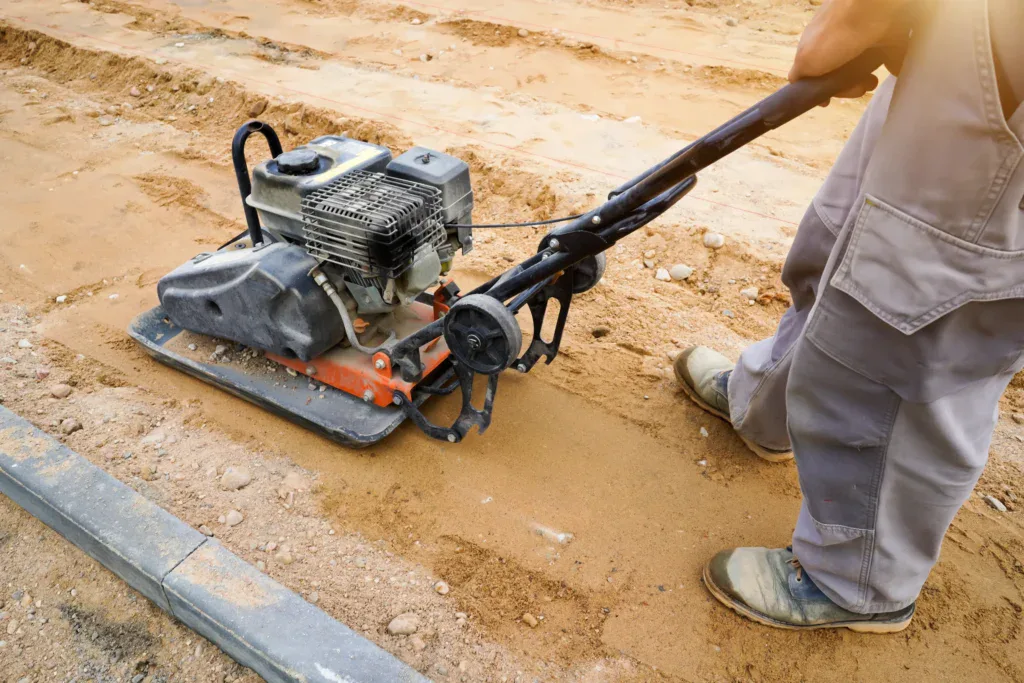
To stabilize soil around your foundation, the first step is to ensure proper drainage away from the home. Grading the soil so it slopes at least 6 inches over 10 feet helps prevent water pooling near the base. For existing erosion or loose soil, compacting the area with a hand tamper or plate compactor is essential. Adding a layer of clay-based soil can also reduce shifting. For more severe issues like expansive clay or hillside erosion, professional assessment is recommended. For detailed guidance on hillside properties, refer to our internal article How To Stabilize Foundations On Hillside Properties Safely. Golden Bay Foundation Builders emphasizes that consistent moisture control and soil compaction are key to preventing foundation movement.

A soil stabilizer is a material or chemical agent used to improve the physical and engineering properties of soil, making it stronger, more durable, and less susceptible to water damage. In foundation construction, stabilizers like lime, cement, or polymers are mixed into the soil to increase its load-bearing capacity and reduce swelling or shrinkage. This process is critical for preventing future foundation settlement or cracking, especially in areas with expansive clay soils. For homeowners in Walnut Creek and Contra Costa County, proper soil stabilization ensures a stable base for your home's foundation. At Golden Bay Foundation Builders, we always assess soil conditions before any project to recommend the right stabilization method for long-term structural integrity.

Google Yelp

Overall Rating

5.0
★★★★★

108 reviews