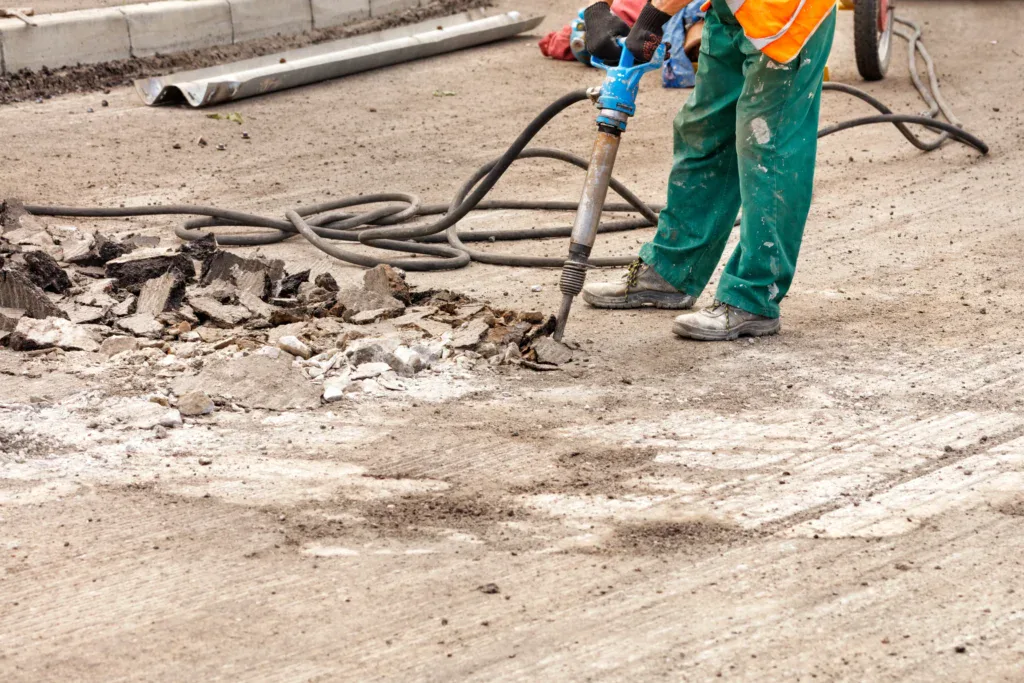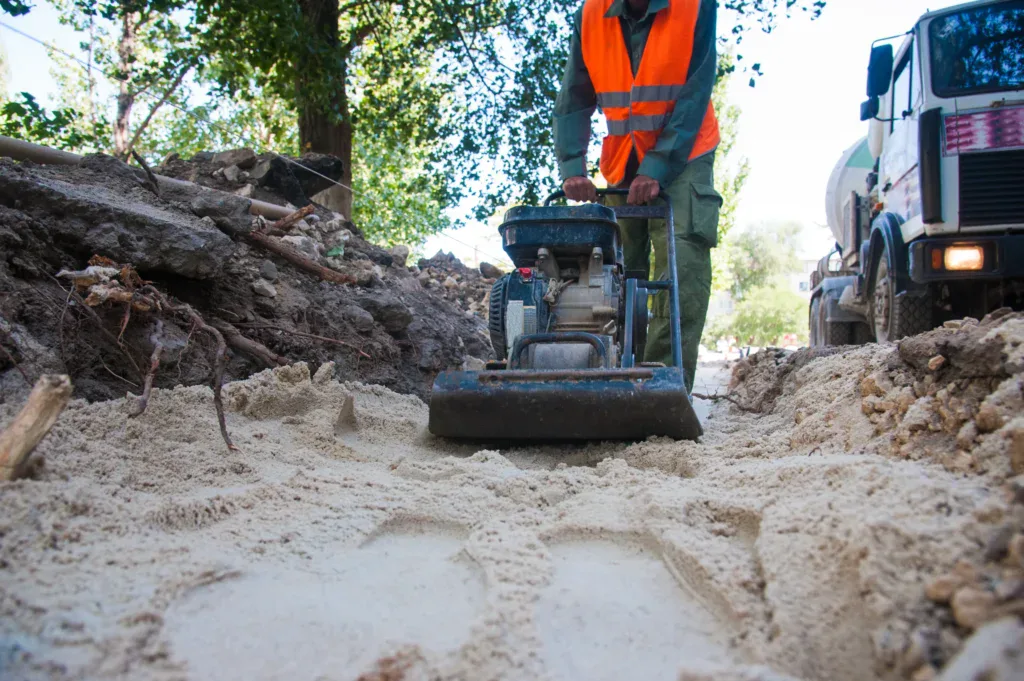
The unique topography of Piedmont with steep residential streets, curving hillside lots and established neighborhoods, creates soil conditions that change significantly with the seasons. Homes close to the Piedmont Park and Crocker Highland and the lower flatter flat lands bordering the city of Oakland experience entirely different moisture patterns and soil profiles than the hills, and thus experience different degrees of soil settlement and lateral movement.
The ground under buildings may become weak or may not be able to provide consistent support due to seasonal moisture, which is in contact with the sloping and compacted soils in Piedmont. Our group focuses on soil stabilization, which helps to make the earth of Piedmont stable, based on its steep slope, old houses, and landscaping which has to be affected by moisture or not, which will provide the reliability of the ground in the long run of the existing buildings and the constructional work planned in the future.
Soil stability is crucial in the retaining of walls in all areas of Piedmont and specifically on high-gradient slopes. Once the soil behind or under the wall starts moving, then the whole structure is in danger. The soil stabilization stops the alteration of lateral pressure which makes the retaining walls weak.
We make the soil behind us stiffer to eliminate the possibility of bulging, cracking, or total failure. Our team determines the impact of water runoff, clay expansion, and pressure on the hillsides to the wall and provides the measures of stabilization that will strengthen the soil and the structural system. This method secures landscapes, hardscapes and houses that are located on an intricate hillscape.
The stabilization of soil depends on the knowledge of the way soil density, water holding, and structure alter under the changing environmental pressures. We also consider the reactions of the soil to water intake, load weight and natural hill slope movement before selecting a treatment approach.
We scan the soil profile under the property to the fullest to ascertain the density of the soil layers, its softness, and its sensitivity to moisture. This analysis gives us the opportunity to direct our attack to the specific soil areas which are causing the shifting, expansion or compression.
The response of soil to the weight of building is very essential. We examine distribution of the loads on the ground and also recognize places where the stress is leading to soil displacement or settlement. This is to make sure that our stabilization plan is targeted at the source of movement.
Having known the condition of the soil, we improve the strength and resilience of the soil by applying the methods that render the soil more dense, less sensitive to moisture as well as more homogeneously based. The process provides the properties in Piedmont with a stable ground despite the steep terrain and weather patterns in the city.
Older neighborhoods along the Oakland border and higher-elevation regions where erosion takes place naturally would have loose or weakened soil. This kind of soil is not dense enough or cohesive enough that can hold foundations, walkways or exterior enhancements.
Determining Areas of Soil Erosion or Weakening
We find pockets where eroded soil density has reduced, or where soil moisture has reduced or was poor at compaction. Such zones usually lead to unequal settlement and movement of the surrounding buildings.
Regaining Soil Strength by means of special approaches
By the process of stabilization, we make the soil denser and enhance its capacity to support the structural loads. This averts repetitious settlement and reinstates credible ground performance.
Sloped and Flat Lot Long-Term Stability
Stabilized soil is the one that will not alter its structure seasonally and decrease the chances of slipping in the hilly lots and avoid the further softening in the flat ones.
The soil should be strengthened and assessed appropriately before any new construction, addition or hardscape installation. The combination of steep grades and clay soil of Piedmont demands preparation so that the ground will be capable of bearing the weight of other structure.
We examine load paths, moisture conditions and soil composition and use stabilization methods that produce a strong and uniform subgrade. This is a preparation that will reduce settlement in the future, prevent the new building against movement and start the construction of the project with a stable foundation.
Steady, well-organized repair service focused on structural safety and durability.
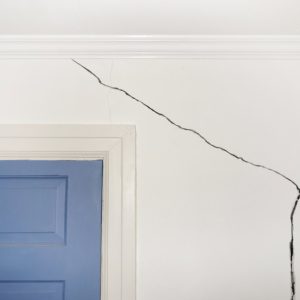
After noticing doors sticking and cracks in our drywall here in Warm Springs, we called for a foundation inspection. The team was incredibly thorough, using laser levels to measure settling and explaining everything in plain terms.
Nisan was very helpful on guiding me via the permit process for earthquake retrofit. Work was executed quickly. Thanks
We were very happy with the results of our inspection with Ryan! He explained the settling in homes and what things we should look for, and was very professional, friendly, and efficient. Thanks!
Had a great experience working with Kyndell from Golden Bay Foundation Builders. I recently purchased the home and was looking for help with earthquake retrofitting options. He inspected my foundation carefully and determined that past bolting was likely adequate. He had suggestions about monitoring the foundation. He was very thoughtful and detailed in his approach, and worked to determine what was best for the home. In this case, that meant no need for additional work now. But if I need any additional assistance in the future, will be calling him again.
We needed crawl space repairs due to pests and moisture damage. They sealed it up, reinforced the beams, and added vapor barriersnow it’s dry and structurally sound. Excellent service from start to finish!
Our home needed retrofitting, and they did an amazing job reinforcing the foundation. They preserved the home’s character while making it structurally sound. If you need an expert who respects older homes, these are your guys.
We had a terrible experience with another contractor before finding these guys. They corrected the shoddy work, fixed our foundation properly, and treated us with respect. Finally, a business that stands by their word and does quality work.
We had a sinking foundation that caused doors to stick, but they fixed it with piers and proper leveling. Their team was professional, answered all our questions, and even followed up afterward. No more sticking doorsjust a solid, stable home.
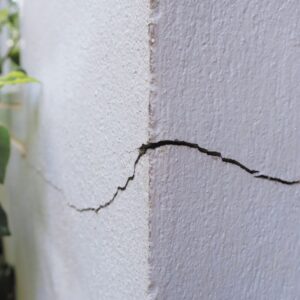
A quick inspection by the crew revealed minor cracks that could’ve turned into big problems. They fixed them affordably and even gave tips to prevent future issues. So glad we called them before things got worse proactive and professional!
We’re here to help! Swiftly addressing these concerns is key. Our experts will promptly inspect and repair your foundation, ensuring the lasting strength and safety of your home. Reach out without hesitation for reliable assistance.


We are happy to service communities throughout the East Bay Area and beyond.

Restore stability, fix cracks, and reinforce your foundation for lasting structural integrity

Thoroughly assess foundation health, identify issues, and provide expert recommendations for maintenance.

Ensure a healthy crawl space environment by addressing moisture, insulation, and structural concerns.

Replace damaged or compromised structural elements with precision and quality craftsmanship.

Strengthen your property to withstand seismic activity, safeguarding against potential earthquake damage

Expertly repair and reinforce stem walls to maintain the overall stability of your property.

Efficient drainage solutions to manage water runoff and prevent issues such as flooding and soil erosion. Our expert team designs and installs drainage systems tailored to your property's needs, ensuring effective water management.

Stabilize sinking foundations with push piers that reach load-bearing soil. Restore structure and prevent further settlement.

Fully replace failing foundations with expert craftsmanship and durable materials for lasting structural strength.

Install helical and push piers to support foundations, lift settled areas, and ensure long-term stability.

Repair damaged beams, replace supports, and level flooring to restore the integrity of pier and beam foundations.

Strengthen weak foundations by adding support beneath them, preventing movement and future damage.

Fix cracks and unevenness in slab foundations to restore level surfaces and prevent structural issues.

Improve ground support by treating unstable soil, reducing foundation movement and settlement risks.

Trust our certified experts to retrofit soft-story buildings with precision, meeting all seismic safety standards.

Ground improvement and soil stabilization are related geotechnical techniques but differ in their primary objectives and methods. Ground improvement is a broad term encompassing any process used to enhance the engineering properties of soil, such as increasing bearing capacity, reducing settlement, or improving drainage. Techniques include deep dynamic compaction, vibro-compaction, and the installation of stone columns. Soil stabilization is a specific subset of ground improvement focused on altering the soil's physical or chemical properties to increase its strength and durability, often for pavement subgrades or erosion control. This is typically achieved by mechanically mixing in additives like cement, lime, or fly ash. In essence, all soil stabilization is ground improvement, but not all ground improvement methods are stabilization, as some physically reconfigure the soil structure without chemical alteration.
The soil in the Piedmont region is predominantly characterized by a thick layer of red clay subsoil, formally classified as Ultisols. These are highly weathered, acidic soils formed from the underlying crystalline rocks like granite and gneiss. The topsoil is often a sandy or clay loam, but the distinctive red subsoil, rich in iron and aluminum oxides, is a defining feature. These soils are typically low in natural fertility and organic matter, requiring careful management for agriculture. Proper practices include regular liming to correct acidity, incorporation of organic compost to improve structure and nutrient-holding capacity, and the use of cover crops to prevent the severe erosion to which these slopes are prone.
Soil modification and soil stabilization are both ground improvement techniques, but they differ in purpose and permanence. Soil modification is a temporary process aimed at improving the immediate workability of soil, typically for construction during wet conditions. It involves adding agents like lime or cement to reduce moisture content and plasticity, making the soil easier to compact and handle. In contrast, soil stabilization is a permanent treatment designed to enhance the soil's long-term engineering properties, such as strength, durability, and load-bearing capacity. Stabilization often uses higher doses of binders and involves thorough mixing and curing to create a cemented, stable matrix that withstands environmental stresses over the project's lifespan.
A soil stabilizer is a chemical or mechanical agent used to improve the physical properties of soil, making it more suitable for construction. It works by increasing the soil's load-bearing capacity, reducing its plasticity, and enhancing its resistance to water penetration and erosion. Common stabilizers include cement, lime, fly ash, and modern synthetic polymers. The process is crucial for creating a stable, durable base for roads, building foundations, and other infrastructure projects, preventing future settlement and structural failure. For a deeper dive into methods and materials, refer to our internal resource on soil improvement techniques, Soil Stabilization. Proper stabilization is a cornerstone of sustainable and resilient construction.
For soil stabilization in the Piedmont region, which features clay-rich and often expansive soils, the best services employ a comprehensive, site-specific approach. Key methods include mechanical stabilization through proper compaction and grading, chemical stabilization using lime or cement to treat clay, and structural solutions like deep foundations or retaining walls for slopes. The top contractors will first conduct a thorough geotechnical investigation to understand soil composition and drainage issues. They should be licensed, insured, and have proven experience with local geology. Industry standards emphasize creating a stable, impermeable base that controls erosion, manages water, and prevents future settlement, ensuring long-term integrity for construction projects. Always request detailed proposals and local references.
Golden Bay Foundation Builders: Your Bay Area Foundation Pros. At Golden Bay Foundation Builders, we embody the essence of professionalism and steadfast dedication to excellence. Our unwavering commitment to providing top-tier foundation solutions reflects our core values and drives every aspect of our work. Searching for a foundation repair specialist near you? Give us a call.

Contractor’s License #1112835
Bond: #66828987
Website By Anna Tambini | SEO by Sitelinx
98 reviews