

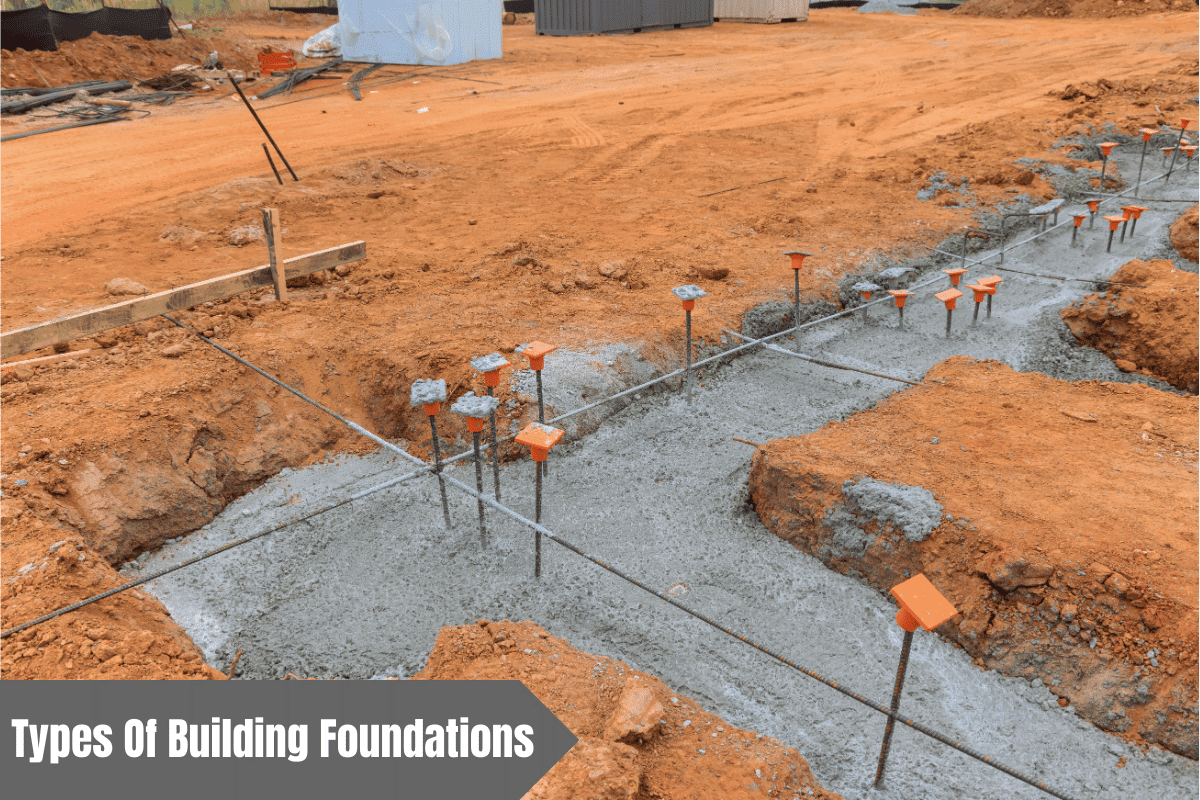
Hey there, future Homeowner or curious DIYer! Let’s talk about something every building needs but rarely gets the spotlight: foundations. You know, that thing holding your house up so it doesn’t sink into the earth like a sad soufflé? At Golden Bay Foundation Builders, we’ve seen it all—from “oops, that’s not level” disasters to “how is this still standing?” miracles. Today, I’m breaking down the most common types of building foundations, why they matter, and how to pick the right one (spoiler: we can help with that).
Why Foundations Matter (No, Really)
Before we geek out over concrete and footings, let’s get real: a bad foundation is like bad Wi-Fi—it ruins everything. Cracks in walls, doors that won’t close, and that one corner of your kitchen that’s definitely sloping. Trust me, you don’t want to learn this the hard way.
At Golden Bay, we’ve spent years fixing foundation fails (and preventing them). Whether you’re building new or renovating, picking the right foundation is like choosing the right shoes for a hike—skip the flip-flops if you’re climbing a mountain.
1. Slab-on-Grade: The “No-Basement” Classic
Slab-on-grade
is the vanilla ice cream of foundations—simple, reliable, and everywhere. It’s a single layer of concrete poured directly onto the ground. No frills, no crawl space, just a solid slab holding your house up.
Pros:
- Cost-effective: Perfect if you’re watching your budget.
- Low maintenance: No creepy crawly spaces to worry about.
- Quick installation: Pour, set, done.
Cons:
- No storage: Say goodbye to basement movie nights.
- Hard to repair: If something goes wrong, you’re jackhammering your floor.
FYI, we’ve poured more slabs than we can count here at Golden Bay. They’re great for warmer climates where frost heave isn’t a concern. But if you’re in a frost-prone area? Maybe skip the slab unless you love cracks.
2. Crawl Space: The Under-House Ninja Zone
Ever wanted a mini basement just big enough to army-crawl through? Enter the crawl space foundation. It lifts your house 1–3 feet off the ground, creating a shallow space for plumbing, electrical, and… well, spiders.
Pros:
- Accessible utilities: Fix leaks without tearing up floors.
- Better moisture control: Elevation helps in damp climates.
- Cheaper than a basement: Less digging = fewer dollar signs.
Cons:
- Moisture issues: Requires good ventilation (or a dehumidifier army).
- Pest magnet: Raccoons, mice, and the occasional possum might RSVP.
We’ve seen crawl spaces save the day in flood-prone areas, but only if they’re sealed and insulated properly. Pro tip: Don’t skimp on vapor barriers. Your future self will thank you.
3. Basement: The Ultimate Flex (and Storage Solution)
Ah, the basement foundation—the suburban dream. Dig deep, pour walls, and voilà: extra living space, a man cave, or a panic room for when the in-laws visit.
Pros:
- Extra square footage: Turn it into a gym, studio, or secret lair.
- Protection from extreme weather: Tornado? Hide underground.
- Higher resale value: Buyers love bonus space.
Cons:
- Expensive: Digging deep isn’t cheap.
- Waterproofing nightmares: A leaky basement is a moldy nightmare.
At Golden Bay, we’ve waterproofed enough basements to fill a swimming pool. If you’re going this route, invest in drainage systems and sump pumps. And no, that “DIY waterproof paint” from the hardware store won’t cut it.
4. Pier & Beam: The Old-School Charm
are like the vintage jeans of construction—timeless, adjustable, and ideal for uneven terrain. Wooden or concrete piers anchor deep into the ground, supporting horizontal beams (and your house).
Pros:
- Great for slopes: No need to flatten your yard.
- Easy repairs: Adjust individual piers if things shift.
- Air circulation: Reduces moisture under the house.
Cons:
- Pest party: Termites love wooden piers.
- Costly long-term: Maintenance adds up over decades.
We’ve used pier and beam for historic Home restorations—it’s a lifesaver for preserving charm without compromising stability. Just keep an eye on those wooden supports. Termites are sneaky little jerks.
5. Pile Foundations: For When You’re Building on Jell-O
Got soggy soil or a beachfront property? Pile foundations are your BFF. Long columns (piles) are driven deep into the ground until they hit solid soil or rock. Think of them as stilts for your house.
Pros:
- Stability in weak soil: Perfect for marshes or sandy areas.
- Handles heavy loads: Skyscrapers use these for a reason.
Cons:
- Expensive and noisy: Pile drivers sound like a jackhammer symphony.
- Overkill for most homes: Unless you’re building a mansion, maybe stick to slabs.
Golden Bay once built a lakehouse on pile foundations—it’s still standing after 15 years of storms. But unless you’re on MTV Cribs, you probably don’t need this.
Foundation Comparison Cheat Sheet
| Type | Best For | Cost | Durability |
|---|---|---|---|
| Slab-on-Grade | Warm climates, tight budgets | $ | Moderate |
| Crawl Space | Damp regions, easy access | $$ | Moderate |
| Basement | Cold climates, extra space | $$$$ | High (if sealed) |
| Pier & Beam | Uneven terrain, historic homes | $$$ | Variable |
| Pile | Weak soil, heavy structures | $$$$$ | Very High |
3 Burning Foundation Questions (Answered)
1. “How much does a foundation actually cost?”
Depends on type, size, and soil. Slabs start around 5k,basementscanhit5k,basementscanhit50k+. Want specifics? Get a quote from our team.
2. “Can I fix a cracked foundation myself?”
IMO, please don’t. Foundation Repair is like brain surgery—leave it to pros. We’ve seen DIY “fixes” turn 500problemsinto500problemsinto10k disasters.
3. “How do I choose the right foundation?”
Consider climate, budget, soil, and long-term needs. Still confused? We’ve got a guide for that.
Final Thoughts: Don’t Build on Sand (Literally)
Choosing a foundation isn’t glamorous, but neither is watching your living room crack in half. Whether you’re team slab, basement, or pier and beam, do it right the first time. At Golden Bay Foundation Builders, we’ve been saving homes from “uh-oh” moments since day one.
Got questions? Need a pro to assess your soil? Drop us a line. And remember: a good foundation is like a good joke—solid delivery matters.
P.S. If your house is currently sliding downhill, call us. Like, now.
Related Articles
Structural Replacement Services in Orinda, CA
What Are The Different Types Of Crack Filling?
How Much Does A 2000 Square Foot Foundation Cost?
The Science Behind Soil Stabilization For Stronger Foundations
How to Choose the Right Foundation for Your House
People Also Ask
The four primary types of foundations are basement, crawlspace, slab-on-grade, and pier and beam. A basement foundation involves excavating a full story below the home, creating a usable living or storage space. A crawlspace foundation elevates the home slightly off the ground, allowing access to plumbing and wiring. A slab-on-grade foundation is a single concrete layer poured directly on the soil, offering durability and low maintenance. Pier and beam foundations use concrete piers to support a wooden frame, common in older homes. For a deeper look at older home structures, you can refer to our internal article Understanding Old House Foundation Types: Essential Insights for Homeowners. At Golden Bay Foundation Builders, we recommend choosing a foundation based on your soil type and local climate.
The seven most common types of foundations are: basement, crawl space, slab-on-grade, pier and beam, pile, raft (mat), and T-shaped. Each type is designed to suit specific soil conditions and structural loads. For homeowners in Walnut Creek and Contra Costa County, the crawl space foundation is especially popular due to its ability to provide access to utilities and protect against moisture in the local clay soils. For a detailed breakdown of this option, including construction methods and cost considerations, please refer to our internal article Crawl Space Foundation: The Complete Guide for Homeowners and Builders. Golden Bay Foundation Builders always recommends consulting a local engineer to determine the best foundation for your specific property.
The three main types of house foundations are basement, crawlspace, and slab-on-grade. A basement foundation provides a full underground level, offering additional living or storage space. A crawlspace foundation elevates the home slightly off the ground, allowing access to plumbing and wiring. A slab-on-grade foundation is a solid concrete pad poured directly on the ground, offering excellent termite resistance. For homeowners in Walnut Creek and Contra Costa County, understanding these options is crucial. For a deeper look at older properties, we recommend reading our internal article titled Understanding Old House Foundation Types: Essential Insights for Homeowners. Golden Bay Foundation Builders recommends consulting a structural engineer to determine the best foundation type for your specific soil conditions and home design.
For residential construction in Walnut Creek and Contra Costa County, the strongest foundation type is generally a reinforced concrete mat foundation, also known as a raft foundation. This design spreads the building’s weight over a large area, making it highly resistant to shifting soils and seismic activity. However, for most standard homes, a poured concrete foundation with steel rebar provides exceptional strength when properly engineered. The choice depends on soil conditions and structural loads. For a detailed comparison of modern options, please refer to our internal article ICF Foundations vs. Poured Concrete Foundations: Which One Delivers the Best Value for Your Home?. Golden Bay Foundation Builders always recommends consulting a structural engineer to match the foundation strength to your specific project requirements.
There are five primary types of foundation systems used in residential construction. The most common is a slab-on-grade, which is a single concrete layer poured directly on the ground. A crawlspace foundation elevates the home slightly, creating a ventilated space underneath. Basement foundations provide a full underground level, offering additional living or storage space. Pier and beam foundations use concrete piers to support the structure above the ground, ideal for unstable soil. Finally, a T-shaped foundation is a traditional method where a footing is poured before the wall, common in colder climates. For professional guidance on maintaining any of these systems, our internal article titled What Are The Different Types Of Crack Filling? provides detailed industry advice.