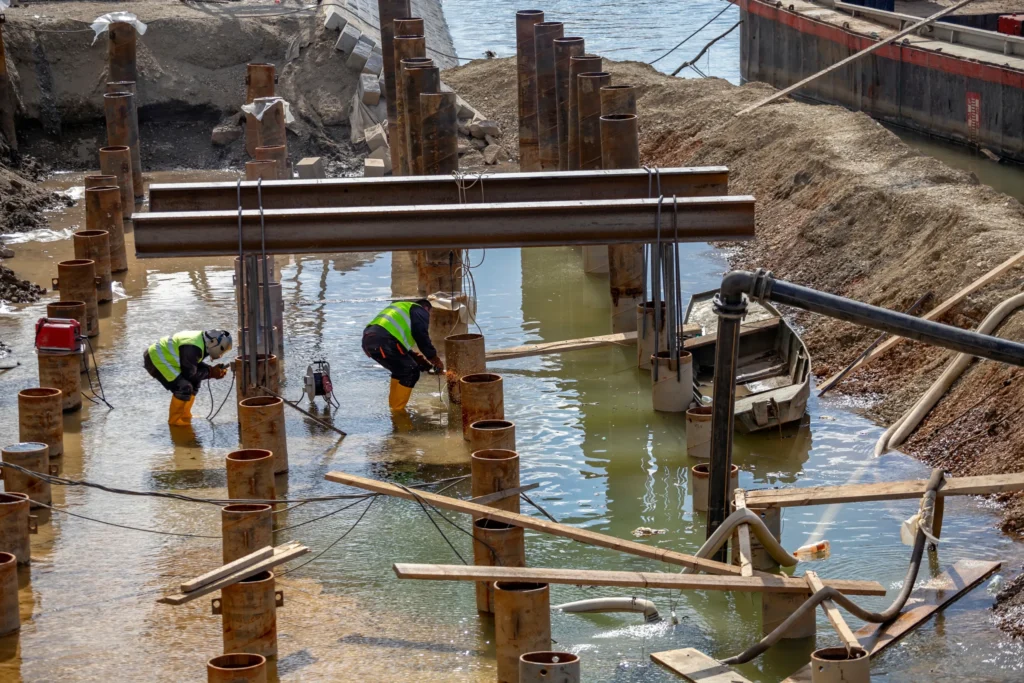
Helical Pier & Push Pier Installation Services in Clayton, CA

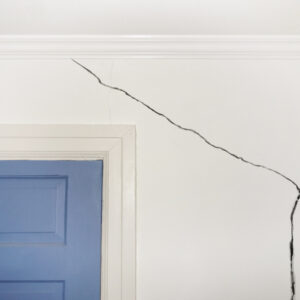
The scenic foothill neighborhoods of Clayton, including the rolling streets surrounding the Mount Diablo State Park, to the established communities on Clayton Road, Keller Ridge and Lydia Lane, are constructed on soil that moves significantly with the seasons. The massive clay in the area expands during wet winters and shrinks during summer when the heat dries the soil progressively changing the foundation of most houses. These natural movements cause over time settlement, sloping interior spaces, enlargement of drywall cracks and creation of gaps that surround doors and windows.

A structural change is also observed in even the long-established residential areas around Oakhurst, Marsh Creek Road, and Dana Hills, where decades of expansion, contraction, and slow erosion of the soil influence the performance of the foundations. The helical piers and push piers provide a profound and dependable method of strengthening these homes as they fix the building to firm ground strata that are much beneath the moving upper soils. With the appropriate system installed, Clayton homeowners will be able to build the stability, avoid additional decline, and ensure the integrity of their homes in the long term.

The History of Pier and Pile Foundations

The Pier systems have made a great step forward and the home owners have never had so much choice before.

The industry has grown in the following way:

  • Early societies made timber piles to help buildings in loose soil.
  • Piers made of concrete subsequently became common in large buildings.
  • The piles of steel that were used in the industrial era offered more profound and concrete support.
  • Helical piles were initially invented to be used in lighthouses in soft coastal soil.
  • The contemporary steel piers currently have coating that is resistant to corrosion.
  • Load-testing developments guarantee depth and capacity accuracy.
  • Today, the systems of piers integrate engineering data and innovative tools of installation.

This development has culminated into the effective, reliable pier solution systems that are applied in Clayton today.

Signs of Poor Pier Installation

Pier installations are not conducted properly and things may not be done right and a home may be left exposed to constant settlement.
The typical indicators of a failure to install piers in a proper manner are:
Sinking or new floor sloping.

Piers becoming inadequately deep because of poor soil refusal.
Cracks in the foundation that keep on increasing after installation.

Brackets that widen or move away towards the foundation.
Uneven lifting which leads to new interior stresses.

Observable cracks between the pier and footing.
Installation records not available or depth and load data not available.
In case of such symptoms, professional evaluation of the homeowner is needed in order to avoid additional structural loss.

Signs of Poor Pier Installation

Pier installations are not conducted properly and things may not be done right and a home may be left exposed to constant settlement.

The typical indicators of a failure to install piers in a proper manner are:

  • Sinking or new floor sloping.
  • Piers becoming inadequately deep because of poor soil refusal.
  • Cracks in the foundation that keep on increasing after installation.
  • Brackets that widen or move away towards the foundation.
  • Uneven lifting which leads to new interior stresses.
  • Observable cracks between the pier and footing.
  • Installation records not available or depth and load data not available.

In case of such symptoms, professional evaluation of the homeowner is needed in order to avoid additional structural loss.

Long-Term Maintenance After Pier Installation

The pier systems once installed properly only need minimal maintenance in the long run though there are some steps that should be followed by the homeowners to ensure that they are protecting their foundation.
Once installed, it should be maintained by regularly:
• Follow-up on drainage to ensure that the water is pushed out of the house.
• Directing and ensuring gutters and downspouts are used effectively.
• Observing of new cracks leading to unrelated soil movement.
• Checking crawl spaces or basements to see if they are moist.
• Observing a door or window that is out of place.
• Arrangement of regular visitations to hillside properties.
• Preventing landscaping encouraging moisture to run towards the foundation.
These are easy steps which can keep your pier system going decades long.

Testimonial

Verified Client Reviews

Make Your Clayton Home a Long-term Winner

Stability of foundation is a necessary condition- more particularly in land so active in its soil as Clayton. Our prefabricated pier systems are deep and reliable reinforcement that ensures that your home is not subject to constant settlement.

Get in touch with us now and set up a thorough foundation inspection and locate the pier solution that will provide long-term property security.

Noticing any of these problems at home?

We’re here to help! Swiftly addressing these concerns is key. Our experts will promptly inspect and repair your foundation, ensuring the lasting strength and safety of your home. Reach out without hesitation for reliable assistance.

Crack in the wall of a home

Cracks in Interior Walls

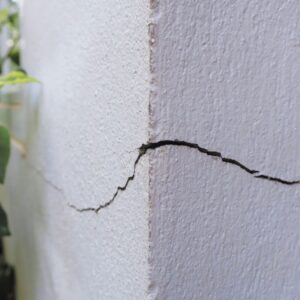
Cracks in exterior wall

Cracks in Exterior Walls

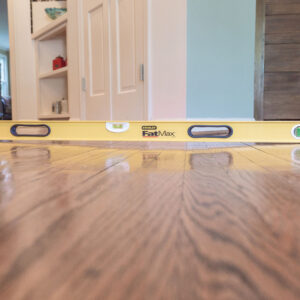
Sloping Floors

Sloping Floor

Foundation Repair Services

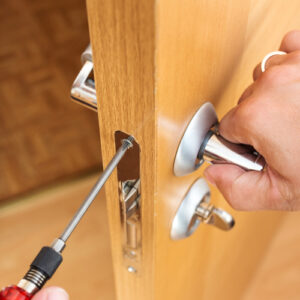
Sticking Door

Foundation Construction Services

Sticking Window

leaning-chimney

Chimney Leaning

Contact Us

East Bay Area

Communities We Serve.

We are happy to service communities throughout the East Bay Area and beyond. 

OUR SERVICES

Bay Area Foundation Contractor | Golden Bay Foundation Repair

img

Foundation Repair

Restore stability, fix cracks, and reinforce your foundation for lasting structural integrity
Read More
img

Foundation Inspection

Thoroughly assess foundation health, identify issues, and provide expert recommendations for maintenance.
Read More
img

Crawl Space Repair

Ensure a healthy crawl space environment by addressing moisture, insulation, and structural concerns.
Read More
img

Structural Replacement

Replace damaged or compromised structural elements with precision and quality craftsmanship.

Read More
img

Earthquake Retrofitting

Strengthen your property to withstand seismic activity, safeguarding against potential earthquake damage
Read More
img

Stem Wall Repair

Expertly repair and reinforce stem walls to maintain the overall stability of your property.
Read More
img

Drainage Services

Efficient drainage solutions to manage water runoff and prevent issues such as flooding and soil erosion. Our expert team designs and installs drainage systems tailored to your property's needs, ensuring effective water management.
Read More
img

Push Pier Foundation Repair Systems

Stabilize sinking foundations with push piers that reach load-bearing soil. Restore structure and prevent further settlement.
Read More
img

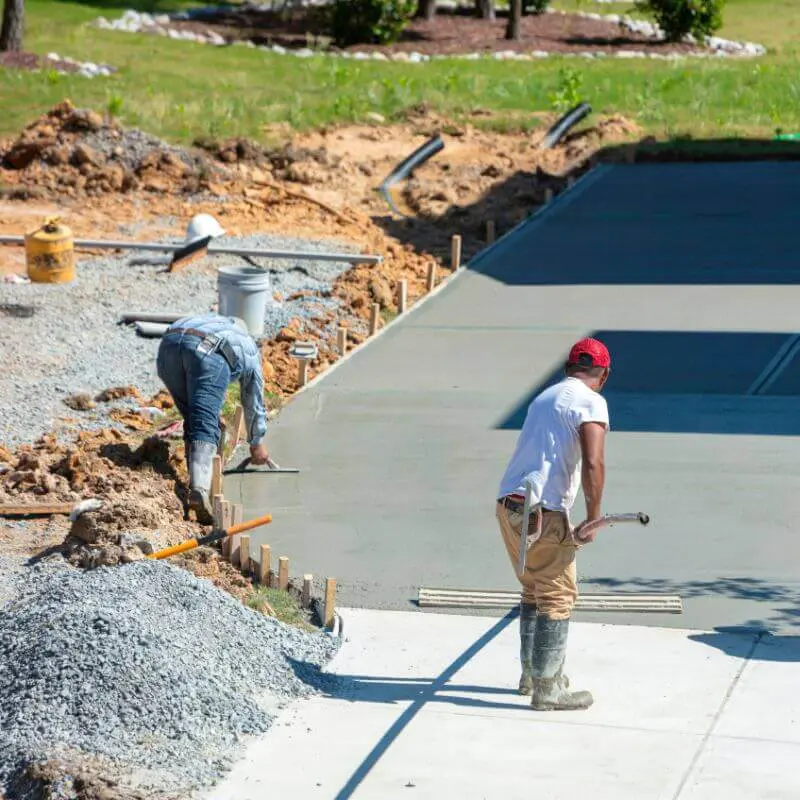
Foundation Replacement

Fully replace failing foundations with expert craftsmanship and durable materials for lasting structural strength.
Read More
img

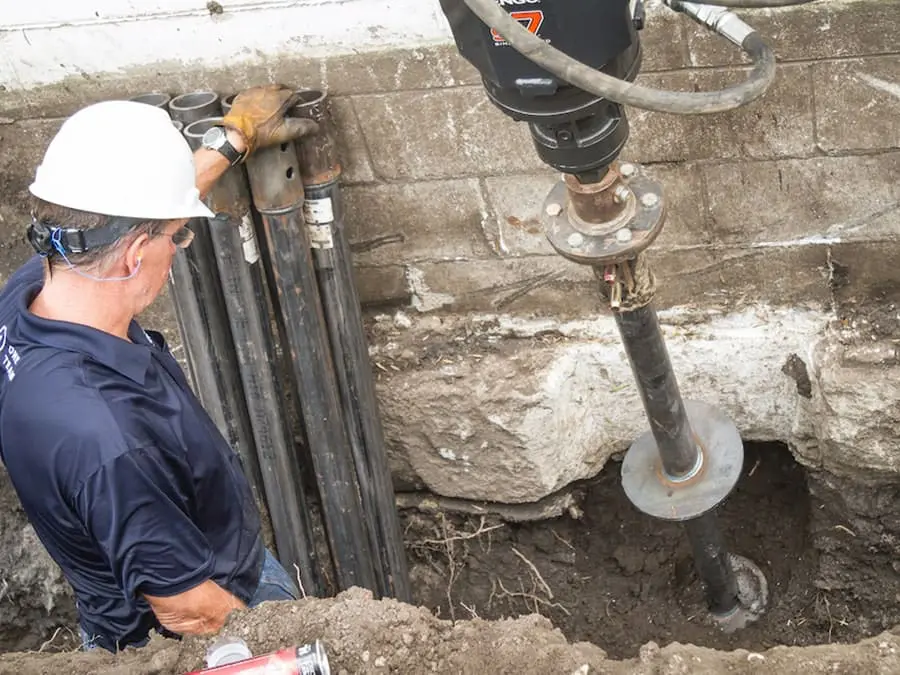
Helical Pier & Push Pier Installation

Install helical and push piers to support foundations, lift settled areas, and ensure long-term stability.
Read More
img

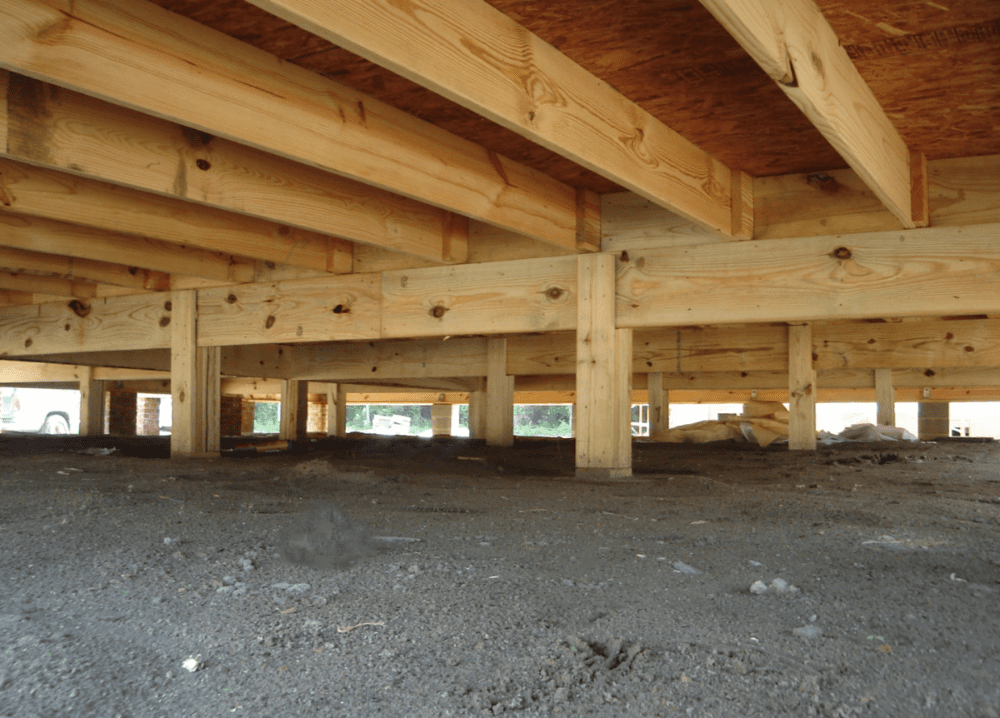
Pier and Beam Foundation Repair

Repair damaged beams, replace supports, and level flooring to restore the integrity of pier and beam foundations.
Read More
img

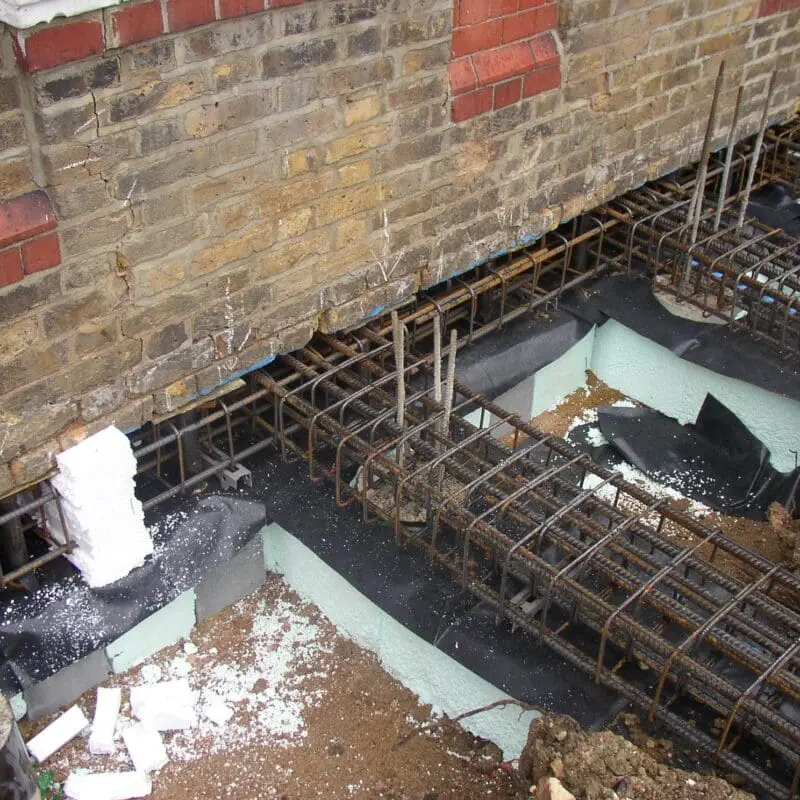
Underpinning Services

Strengthen weak foundations by adding support beneath them, preventing movement and future damage.
Read More
img

Slab Foundation Repair

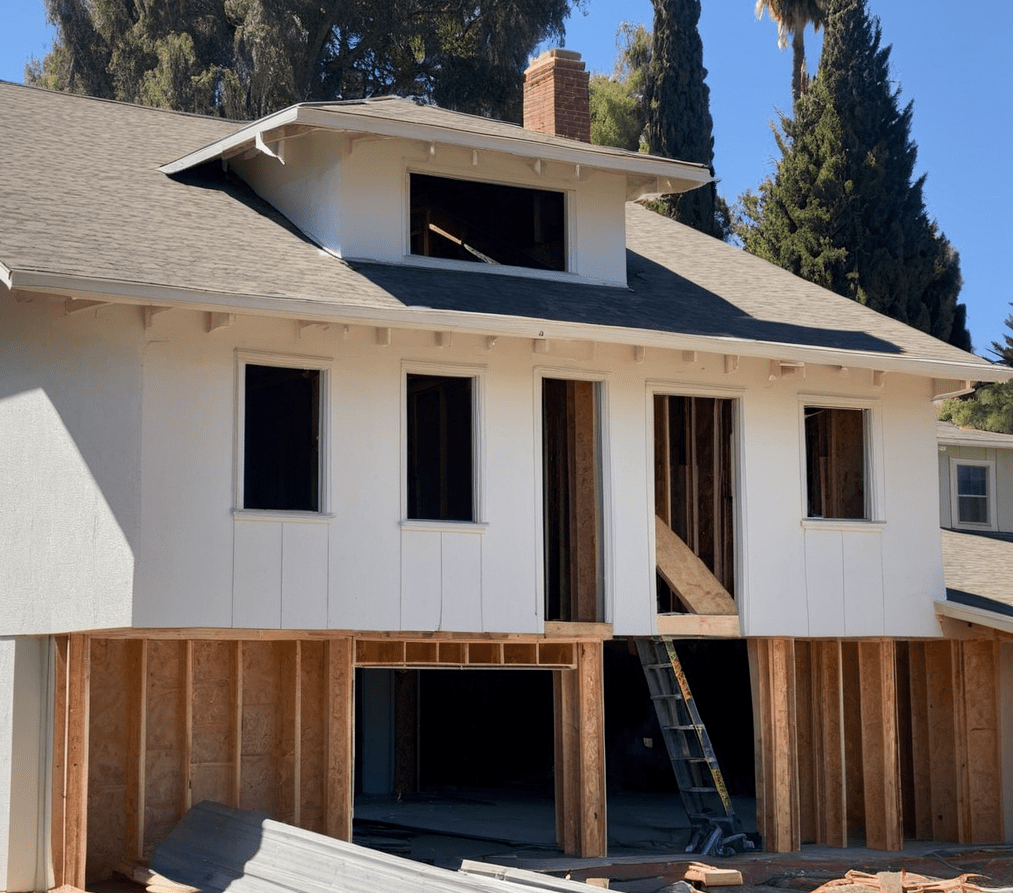
Fix cracks and unevenness in slab foundations to restore level surfaces and prevent structural issues.
Read More
img

Soil Stabilization

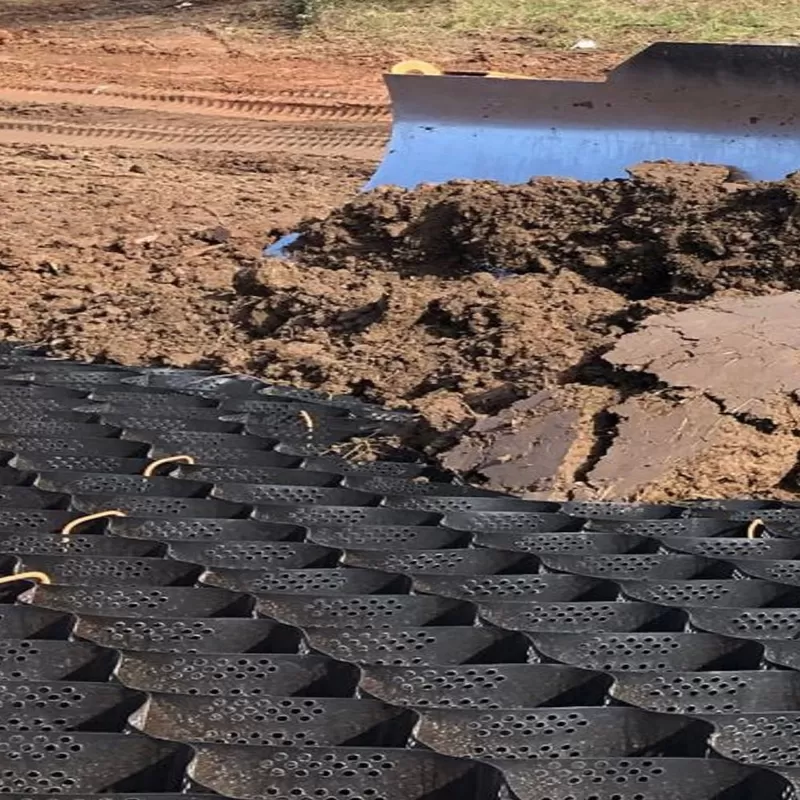
Improve ground support by treating unstable soil, reducing foundation movement and settlement risks.
Read More
img

Certified Soft Story Retrofit Experts

Trust our certified experts to retrofit soft-story buildings with precision, meeting all seismic safety standards.

Read More

People Also Ask

The cost to install a helical pier varies widely, typically ranging from $1,500 to $3,000 per pier, with total project costs often between $15,000 and $30,000. Key factors influencing price include soil conditions, accessibility, required depth and load capacity, the number of piers needed, and regional labor rates. For complex foundation repairs involving multiple piers or difficult sites, costs can be higher. It is crucial to obtain multiple detailed quotes from licensed contractors who conduct thorough on-site evaluations. A professional assessment ensures the solution matches the specific structural problem, providing long-term value and safety. For a detailed look at professional installation standards and services in one region, you can refer to our internal article, Helical Pier & Push Pier Installation Services in Richmond, CA.

The cost of helical chimney piers varies significantly based on several factors, including geographic location, soil conditions, accessibility, and the specific extent of the chimney's foundation settlement. On average, homeowners can expect to pay between $1,500 and $3,500 per pier, with most chimney repair projects requiring multiple piers. A typical project to stabilize a settling chimney often involves three to five piers, leading to a total project cost ranging from $4,500 to $15,000 or more. It is crucial to obtain multiple detailed quotes from licensed foundation repair specialists, as the price includes engineering assessment, equipment mobilization, installation, and warranty. Helical piers are a preferred, minimally invasive solution that provides a permanent repair by transferring the chimney's load to stable soil strata.

The cost comparison between push piers and helical piers is not straightforward, as pricing depends heavily on site-specific conditions. Generally, push piers can be less expensive for straightforward, accessible jobs where existing structures provide the necessary reaction load for installation. Helical piers often have higher material and installation costs due to specialized equipment and are favored for new construction or where headroom is limited. However, the most economical choice is determined by a professional geotechnical evaluation of soil conditions, load requirements, and access. The lowest initial cost does not always equate to the best long-term value; selecting the wrong system can lead to far more expensive repairs.

Helical piers, while highly effective for many foundation repair and new construction applications, do have some potential disadvantages. The primary drawback is their cost, which can be significantly higher than other methods like concrete piers or slabjacking, especially for very deep installations requiring specialized equipment and labor. Their effectiveness is also highly dependent on soil conditions; they perform poorly in loose, uncompacted soils or areas with large obstructions like boulders. Improper installation by an unqualified contractor can lead to failure, as precise torque monitoring is critical for ensuring load capacity. Furthermore, they are generally not suitable for repairing existing, severely deteriorated concrete footings that require full replacement. For these reasons, a thorough geotechnical evaluation is essential before specifying helical piers.

Google Yelp

Overall Rating

5.0
★★★★★

99 reviews