

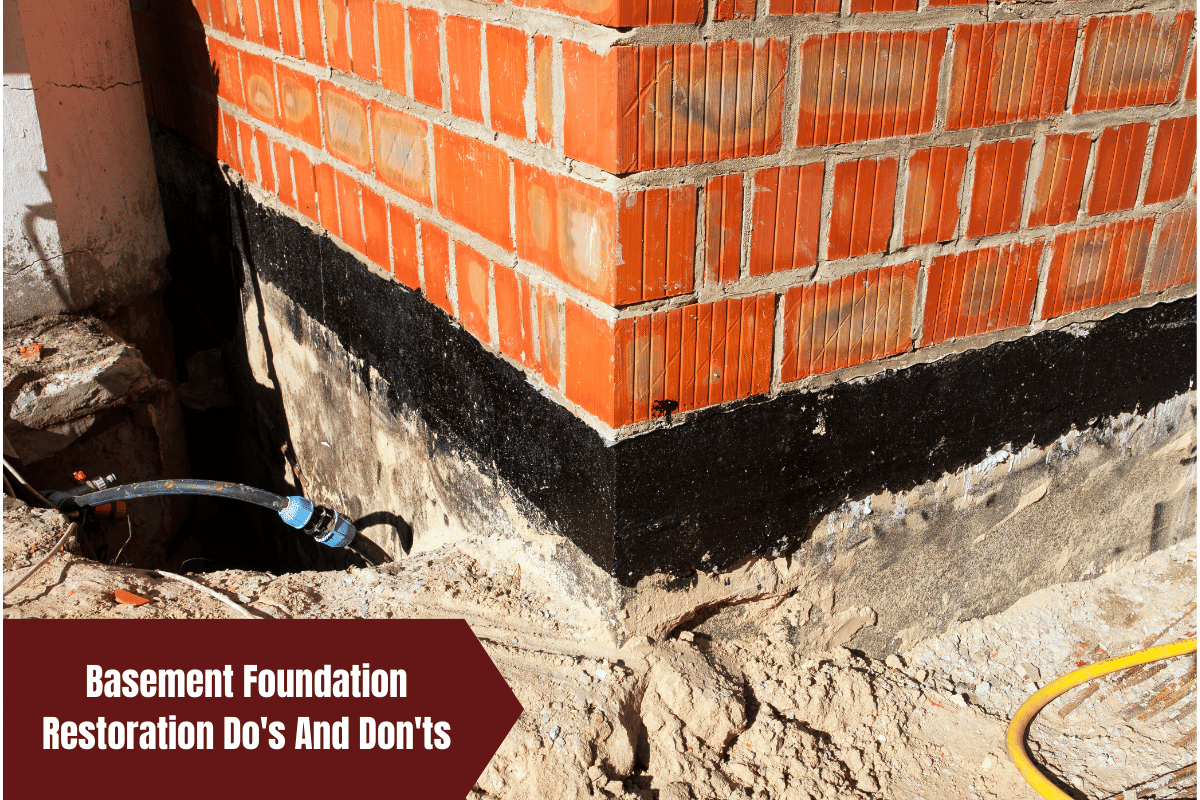
Ultimate Guide to Basement Foundation Restoration: Expert Tips for Homeowners
Restoring a basement foundation in the San Francisco Bay Area requires specialized structural engineering tailored to expansive smectite clay, active fault lines, and high water tables. Proper remediation restores structural load capacity, mitigates lateral hydrostatic pressures, and stabilizes differential settlement to ensure long-term stability and residential safety across variable local microclimates.
The unique geology of the Bay Area presents significant challenges for residential structural systems. According to damage statistics tracked by the American Society of Civil Engineers, expansive clay soils generate more financial damage to domestic infrastructure annually than floods, hurricanes, and tornadoes combined. When clay-rich soils absorb winter rains, they swell dramatically, exerting immense lateral pressure against basement stem walls. During hot summer months, the soil desorbs moisture and contracts, removing crucial lateral support and causing localized structural settlement.
In our field operations across the East Bay and Peninsula, we frequently encounter severe foundation failures caused by this continuous moisture cycle. For example, during a project on a 1920s hillside residence in the Berkeley Hills, we evaluated severe structural racking caused by expansive smectite clay creep. The home had suffered 2.8 inches of differential settlement along the downhill stem wall due to seasonal saturation. We resolved this issue by sinking eight steel helical piers 28 feet deep into solid Franciscan complex bedrock and installing horizontal earth anchors to resist lateral soil creep, successfully releveling the structure within 0.25 inches of original design specifications.
Subsurface geodynamics require specialized engineering controls rather than generic cosmetic fixes. Key environmental factors impacting Bay Area residential foundations include:
- High concentration of expansive clay soils that undergo severe volumetric expansion up to 10 percent when hydrated.
- Steep hillside topography prone to shallow landsliding, soil creep, and downslope structural movement.
- High seasonal water tables that increase basement floor slab uplift and hydrostatic wall pressures.
- Close proximity to major active strike-slip faults including the San Andreas, Hayward, and Calaveras systems.
Diagnostic Methods for Identifying Structural Settlement
Accurately diagnosing structural foundation movement requires distinguishing non-structural curing shrinkage from progressive differential settlement using high-precision floor level surveys and crack monitoring tools. Identifying distress early prevents catastrophic structural failure, stabilizes interior framing alignment, and establishes baseline geotechnical performance metrics for targeted engineering remediation across volatile soil profiles.
When evaluating a foundation, visual indicators provide critical evidence regarding underlying subsurface movement. Non-structural hairline cracks typically measure under 1.5 millimeters in width and occur during initial concrete curing without vertical displacement. Conversely, structural cracks expand over time, often exceeding 6 millimeters, and display horizontal shear or vertical stepping along concrete masonry block joints.
To properly identify foundation failure modes, we follow a conditional decision framework during field inspections:
- If your basement exhibits vertical hairline cracks under 1.5 millimeters wide without structural displacement, prioritize hydrophobic polyurethane injection to seal against moisture intrusion.
- If you observe stepped diagonal masonry cracks exceeding 6 millimeters with horizontal shear, install deep load-bearing steel underpinning systems to transfer structural loads.
- If basement stem walls display inward horizontal bowing due to hydrostatic soil force, install carbon fiber reinforced polymer straps or heavy-duty steel beam wall braces.
Structural inspection requires methodical data collection to confirm whether foundation movement has stabilized or remains active. We utilize optical transit levels, calibrated manometer fluid levels, and digital crack monitors to map foundation deflection. This empirical data ensures that structural repairs address the exact mechanical failure rather than symptom relief.
Advanced Foundation Underpinning and Seismic Retrofitting
Deep foundation underpinning stabilizes settling structures by transferring structural building loads past unstable surface soils down to competent bedrock or load-bearing strata using hydraulic piers. Combining deep piering with seismic retrofitting secures wood-frame cripple walls, preventing catastrophic lateral displacement during major seismic events along local active fault corridors.
In coastal fill and low-lying areas, foundation stability is further compromised by seismic risks. Geological research published by the United States Geological Survey indicates that approximately 25 percent of the San Francisco Bay Area sits within moderate to very high soil liquefaction hazard zones. During moderate to strong earthquake shaking, water-saturated unconsolidated soils temporarily lose shear strength and behave like a dense liquid, leading to rapid foundation sinking.
During a structural restoration project in the San Francisco Marina District, our team addressed a saturated basement foundation situated atop uncompacted historic mudfill. Ground moisture had created excessive hydrostatic pressure, causing severe horizontal cracking and differential foundation sinkage. We installed a dual-stage remediation system comprising twelve hydraulically driven push piers down 42 feet to dense Colma formation sand, coupled with an interior sub-slab perimeter drainage network and dual sump pumps to relieve hydrostatic head.
Executing a deep underpinning and structural stabilization project requires precise execution. We implement the following sequential engineering protocol for foundation underpinning:
- Excavate structural access pits at calculated load-bearing points beneath the foundation footing.
- Prepare the concrete footing profile using pneumatic tools to ensure smooth bracket attachment interface.
- Anchor heavy-duty steel foundation brackets underneath the prepped concrete footing section.
- Drive galvanized steel pier sections hydraulically into the subsurface soil until reaching specified engineering pressure end-bearing capacity.
- Transfer building weight onto the installed steel pier manifold using synchronized hydraulic jacks to lift and stabilize the structure.
Comprehensive Foundation Repair Technical Trade-Offs
Selecting the optimal foundation repair methodology requires evaluating structural load requirements, subsurface soil composition, site accessibility, and long-term financial expenditure profiles across competing engineering solutions. Comparing steel push piers, helical anchors, polyurethane grouting, and exterior drainage systems clarifies key technical trade-offs between load capacity, disturbance, and durability.
Engineered foundation repair requires selecting systems matched to specific site physics. Steel push piers offer exceptional load capacity for heavy multi-story structures but require adequate building weight to provide reaction force during driving operations. Helical piers excel in lighter structures or loose soils where screwed installation anchors mechanically into load-bearing strata regardless of building mass. Polyurethane grouting provides fast slab stabilization but does not offer deep structural support against deep-seated soil settlement.
The following matrix outlines the engineering performance parameters, installation characteristics, and investment ranges for core repair strategies:
| Repair Methodology | Ideal Soil Condition | Structural Load Capacity | Estimated Lifespan | Investment Range in USD |
|---|---|---|---|---|
| Steel Push Piers | Deep clay over hard bedrock or dense glacial till | High (Up to 75,000 lbs per pier) | 75+ Years | 2,000 USD to 3,500 USD per pier location |
| Helical Piers | Unconsolidated fill, sand, or high water table | Medium-High (Up to 50,000 lbs per pier) | 75+ Years | 1,800 USD to 3,200 USD per pier location |
| Carbon Fiber Wall Bracing | Bowing stem walls in expansive clay soils | High Tensile Resistance (200,000+ psi) | 50+ Years | 800 USD to 1,500 USD per vertical strap |
| Polyurethane Grouting | Voids under concrete basement slabs | Compression Support (Up to 100 psi) | 20 to 30 Years | 25 USD to 45 USD per square foot |
| Deep Exterior French Drain | Saturated silty soil with hydrostatic head | Non-Structural (Hydraulic Relief) | 20 to 25 Years | 70 USD to 120 USD per linear foot |
Selecting between these systems depends heavily on site geology and existing structural framing. Combining mechanical deep underpinning with subsurface moisture control yields the highest performance longevity. Skimping on geotechnical site characterization often results in secondary foundation movement and costly future interventions.
Preventive Drainage and Moisture Control Systems
Effective moisture management protects basement foundations by eliminating lateral hydrostatic pressure and minimizing the severe shrink-swell cycles characteristic of regional clay soils. Integrating exterior surface grading, deep perimeter French drains, and high-capacity sump pumps prevents subterranean water intrusion and preserves foundation structural integrity during heavy rainfall.
Managing subsurface hydrology is critical for homes built along the coastal zones and valleys of California. According to geological data from the California Geological Survey, extreme winter atmospheric rivers deliver high volumes of concentrated rainfall that rapidly saturate low-permeability clay formations. When water pools around perimeter footings, hydrostatic pressure forces moisture through microscopic concrete pores and construction cold joints.
We design foundation protection systems that isolate structural concrete from dynamic ground moisture changes. Surface water management must direct roof runoff and landscape drainage at least ten feet away from perimeter stem walls using non-perforated solid pipes sloped at a minimum two percent grade. Beneath the surface, perforated sub-drain pipes wrapped in geotextile filter fabric collect percolating groundwater and route it to an automated sump basin equipped with battery backup pumps.
Maintaining uniform moisture content in the clay soils surrounding a basement foundation reduces shrink-swell movement. Installing vapor barriers along interior basement surfaces prevents capillary moisture rise through concrete slabs. Combining effective site drainage with deep foundation support eliminates the primary mechanical drivers of residential foundation failure.
Frequently Asked Questions
How do homeowners know if foundation cracks require immediate professional repair?
Foundation cracks require immediate professional intervention if they exceed 6 millimeters in width, exhibit diagonal stepping along mortar lines, or accompany sagging floor frames. Cracks that exhibit vertical offset or widen over short timeframes indicate active structural differential settlement. Inward horizontal displacement of basement stem walls also signifies critical structural overload from hydrostatic earth pressures.
What is the expected cost range for underpinning a home foundation in the Bay Area?
Underpinning a residential foundation in the Bay Area typically ranges from 15,000 USD to 50,000 USD depending on pile depth, structural load requirements, and site accessibility. Complex projects involving severe hillside settlement or deep liquefaction zones requiring high pier counts can exceed 70,000 USD. A comprehensive geotechnical evaluation and structural engineering plan determine the final required scope and overall expenditure.
Can expansive clay soil damage a basement foundation without seismic activity?
Yes, expansive clay soil damages basement foundations independently of earthquakes through severe volumetric swelling during wet winters and shrinkage during dry summers. This continuous cycle generates immense lateral earth pressures during wet periods and removes underlying vertical footing support during dry periods. Over multiple seasons, this differential mechanical movement leads to severe foundation cracking, wall displacement, and structural racking.
How long does a typical deep steel pier underpinning system last?
High-capacity galvanized steel pier underpinning systems are engineered to last over 75 years when anchored into stable subterranean load-bearing strata. Corrosion-resistant coatings protect the structural steel components against soil moisture, acidity, and chemical oxidation. Because piers transfer building loads directly to stable bedrock or high-density soil layers, they provide permanent protection against surface soil movement.
Is seismic retrofitting necessary for older Bay Area homes with post and pier foundations?
Seismic retrofitting is essential for older post and pier foundations to prevent structural unseating and horizontal displacement during major regional earthquakes. Unreinforced posts lack shear bracing and can easily overturn when subjected to lateral ground acceleration. Installing continuous concrete stem wall footings, cripple wall plywood shear panels, and steel hold-down anchors secures the house frame directly to the foundation.
Sources
- American Society of Civil Engineers (ASCE): https://www.asce.org/
- United States Geological Survey (USGS) Bay Area Liquefaction Maps: https://www.usgs.gov/
- California Geological Survey (CGS) Geotechnical Hazard Resources: https://www.conservation.ca.gov/cgs
Related Articles
The Cost Of Foundation Repairs: Budgeting For Bay Area Homeowners
Pier and Beam Foundation Repair Services in Hercules, CA
Concrete Block Foundation Calculator
What Are The Top-rated Foundation Repair Companies Near California
Foundation Repair Warranties And California Homeowner Legal Rights
The Role Of Drainage Systems In Protecting Your Foundation Give
People Also Ask
The cost to repair a basement foundation varies widely, typically ranging from $2,000 to $10,000 for minor cracks, while major structural repairs can exceed $20,000. Factors influencing the price include the severity of the damage, the type of soil in Walnut Creek CA, and the repair method required. Common solutions like epoxy injections for hairline cracks are more affordable, whereas installing piers for sinking foundations involves significant labor and materials. For a detailed breakdown of foundation types and their associated repair costs, we recommend reviewing our internal article titled 'Comprehensive Guide to Building Foundations: Types, Benefits, and Selection Tips' at Comprehensive Guide to Building Foundations: Types, Benefits, and Selection Tips. At Golden Bay Foundation Builders, we always advise scheduling a professional inspection to get an accurate estimate tailored to your specific basement issues in Contra Costa County.
Whether homeowners insurance covers basement foundation repair depends entirely on the cause of the damage. Standard policies typically cover sudden and accidental events, such as a burst pipe flooding the basement or a tree falling onto the foundation. However, most policies explicitly exclude damage caused by earth movement, including earthquakes, landslides, and expansive soil settlement. Additionally, gradual issues like long-term soil erosion, poor drainage, or normal settling are considered maintenance problems and are not covered. For homeowners in Walnut Creek and Contra Costa County, where clay soils are common, foundation movement from soil expansion is a frequent exclusion. To understand the potential financial impact of a repair, you can use our internal article titled Foundation Repair Cost Calculator, which provides a detailed breakdown of costs. For personalized coverage questions, Golden Bay Foundation Builders always recommends reviewing your specific policy with your insurance agent.
For foundation repair in Walnut Creek and Contra Costa County, the late spring through early fall is generally considered the optimal time. During these months, the soil is typically drier and more stable, which allows for better compaction and curing of concrete. The consistent, dry weather also minimizes delays from rain, which can complicate excavation and compromise the integrity of new materials. However, every property has unique soil conditions. For a detailed breakdown of seasonal factors and how they affect different repair methods, please refer to our internal article What Is The Best Time Of Year For Foundation Repair?. Golden Bay Foundation Builders recommends scheduling a consultation to assess your specific foundation needs regardless of the season.
When addressing a crumbling basement foundation, the first step is to identify the root cause, which often involves moisture damage, sulfate attack, or poor original construction. For minor surface spalling, you can apply a parge coat or a specialized masonry repair mortar after cleaning the area. However, deeper crumbling indicates structural compromise. For significant issues, professional underpinning or wall reinforcement is necessary. At Golden Bay Foundation Builders, we recommend a thorough assessment before any repair. For more details on similar structural concerns, you can refer to our internal article titled Addressing Bowing Basement Walls: Causes And Fixes which provides deeper insight. Always prioritize drainage improvements to prevent future deterioration.
When evaluating basement foundation repair costs, it is important to understand that pricing varies based on the severity of the damage, the repair method required, and the specific soil conditions in your area. For homeowners in Walnut Creek and Contra Costa County, typical expenses can range from a few thousand dollars for minor crack injections to over $20,000 for major structural underpinning or wall stabilization. Factors like hydrostatic pressure, drainage issues, and the age of the home also influence the final estimate. For a detailed breakdown of regional pricing and service providers, we recommend reviewing our internal article What Are The Top-rated Foundation Repair Companies Near California. Golden Bay Foundation Builders always advises obtaining a professional on-site inspection to receive an accurate, customized quote for your property.