

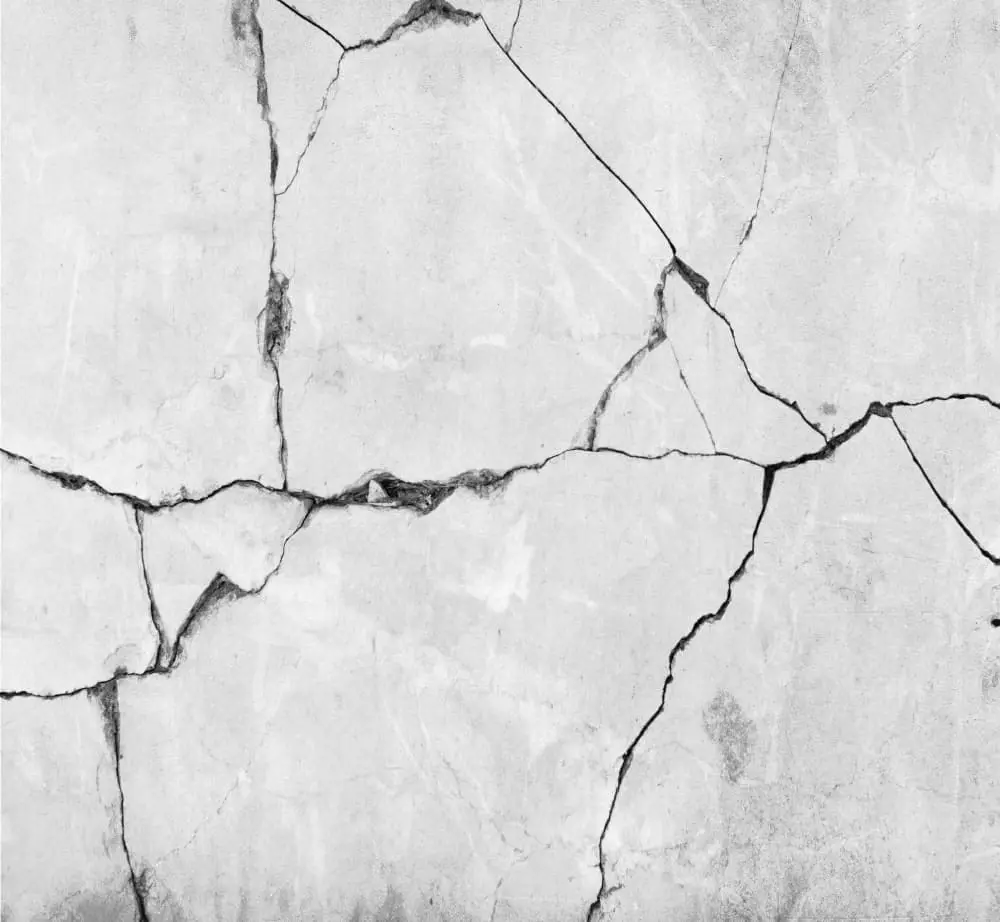
Ever notice how we happily debate paint colors for months but only think about our home’s foundation when something goes horribly wrong? Yeah, we get it. It’s the part of the house we never see, so out of sight, out of mind. That is, until a crack in the wall starts looking suspiciously like a map of the Mississippi River, or a door suddenly refuses to close. If you’re in the East Bay, staring at a cracked wall and wondering what your next move is, you’re in the right place. Let’s have a real talk about what’s happening under our feet.
The Silent Language of Your Foundation
Your foundation isn’t being dramatic; it’s just communicating. The trick is learning its language. A hairline crack in the drywall? Probably just the house settling in for a long nap. But a stair-step crack in the brick or a gap you can slide a coin into? That’s your foundation sending a certified letter. Foundation inspections are our version of a translator. We don’t just look at the symptom; we find the root cause. Is it moisture? Poor soil stabilization services from decades past? Or is our lovely Oakland and Berkeley geology saying hello? Knowing the why is the only way to fix the what.
The Usual Suspects: What’s Wrecking Your Foundation’s Day?
Let’s name and shame the culprits. In our area, it’s rarely just one thing.
- The Soil Shuffle: Expansive clay soil is the ultimate frenemy. It swells when wet and shrinks when dry, giving your foundation a yearly workout it never signed up for. This is where professional soil stabilization services become a game-changer.
- Thirsty Trees: That beautiful old oak in Walnut Creek or Clayton might be sipping moisture from under your house like a giant straw, causing the ground to sink.
- Water, Water Everywhere: Poor drainage is public enemy number one. If every rainstorm sends a river toward your house, you’re basically giving your foundation a bath it never wanted.
- Seismic Jitters: Let’s be real, we live on the Hayward Fault. A seismic retrofit isn’t just a fancy upgrade; for many older homes, it’s a necessary conversation about safety. Programs like Earthquake Brace and Bolt can help, but you need a qualified foundation contractor to do it right.
So, What Are Our Repair Options? A No-BS Breakdown
Okay, the inspection’s done. The problem is identified. Now what? The repair world isn’t one-size-fits-all. Here’s a quick look at the tools in the toolbox.
For Settled or Sinking Sections:
- Foundation Underpinning Services: Think of these as prosthetic legs for your foundation. We drive sturdy piers down to stable soil to lift and support the sinking areas. It’s major surgery, but it’s permanent.
- Pier and Beam/Pier and Post Adjustments: If you have a post and pier foundation, repair often involves adjusting, shimming, or replacing those piers and the beams they support. It’s one of the benefits of having a crawl space—actual access!
For Concrete and Masonry Issues:
- Concrete Stem Wall Repair: That concrete wall between your foundation and your floor framing can crack and crumble. Repair involves careful stabilization and often epoxy injections or carbon fiber straps.
- Sealing and Stabilizing Cracks: Not every crack needs underpinning. Often, strategic sealing and stabilization prevent water intrusion and stop the crack from growing.
The Supportive Upgrades:
- Crawl Space Repair: This includes everything from vapor barriers and dehumidifiers to reinforcing cripple walls. A healthy crawl space means a healthier house above it.
- Seismic Retrofitting: This involves bolting the house to its foundation and adding plywood shear walls to keep everything together when the ground shakes. It’s peace of mind you can literally feel.
The “How Much?!” Conversation: Understanding Cost
Let’s tackle the elephant in the room: cost. We know you’re searching “foundation repair cost near me” with a sense of dread. IMO, anyone who gives you a firm price over the phone without seeing your house is, well, let’s just say we wouldn’t trust them. The final number depends on a cocktail of factors:
- The Repair Method: Underpinning costs more than crack sealing. It’s that simple.
- Access: Is your crawl space a cozy 18 inches or a luxurious 4 feet?
- Extent of Damage: One corner sinking is different than the whole house doing the wave.
- Your Location: Labor and material costs in Concord vs. Berkeley can vary.
The table below gives you a very general idea, but remember, this is for estimation only. A proper inspection is non-negotiable.
| Service Type | Typical Scope | What It Addresses | General Price Range (Bay Area) |
|---|---|---|---|
| Foundation Inspection & Report | Professional assessment with detailed findings and recommendations. | Diagnosis of problems, planning for repairs or retrofits. | $500 – $1,200 |
| Seismic Retrofitting (Bolt & Brace) | Bolting house to foundation, adding plywood shear walls in crawl space. | Earthquake safety for older homes. May qualify for grant programs. | $3,000 – $7,000+ |
| Steel Push Piers (Underpinning) | Installing 5-10 steel piers to stable soil to lift and support foundation. | Significant settling or sinking of foundation sections. | $10,000 – $25,000+ |
| Crawl Space Encapsulation & Repair | Installing vapor barrier, dehumidifier, sealing vents, reinforcing walls. | Moisture control, mold prevention, improving air quality and stability. | $5,000 – $15,000+ |
Why You Shouldn’t Just Hire Any “Foundation Repair Near Me” Guy
Look, we’ve all been tempted. The guy with the truck who promises a cheap fix. But here’s the hard truth: foundation repair is a forever decision. A botched job doesn’t just fail; it can make future, proper repairs astronomically more expensive. You need a team that understands the unique soil and seismic challenges of the East Bay, from the hills of Oakland to the valleys of Walnut Creek. You need a company that pulls permits, does engineered work, and offers real warranties.
This is where we humbly toot our own horn. At Golden Bay Foundation Builders, we live and work here too. We see these problems every day in Berkeley, Concord, and everywhere in between. We don’t just slap on a band-aid; we design a solution that addresses the root cause for the long haul. We’re the people you call when you’re done with quick fixes and want the job done with integrity.
Your Burning Questions, Answered
Q: How do I know if my cracks are serious?
A: Width is a bigger clue than length. If you can fit a dime into a crack, it’s time for a professional opinion. Also, watch for doors/windows that stick, sloping floors, and gaps between walls and ceilings. When in doubt, get it checked out.
Q: Can I just fix the crack in my wall and be done with it?
A: That’s like taking painkillers for a broken arm without setting the bone. Cosmetic fixes are the last step. If the underlying foundation movement isn’t stabilized, that pretty new drywall will crack again, probably within a year.
Q: What’s a floating foundation, and do I have one?
A: A floating foundation (or slab-on-grade) is a single, thick concrete slab that “floats” on the soil. No basement, no crawl space. Common in many mid-century Bay Area homes. They have their own unique repair challenges, often involving cutting into the slab to install piers.
Wrapping This House Party Up
Your foundation is the literal bedrock of your home’s value, safety, and comfort. Ignoring its cries for help only leads to a more painful and expensive reckoning later. Whether it’s a simple concrete stem wall repair or a full-scale seismic retrofit, the key is to act with good information and the right partner.
So, stop losing sleep over that growing crack. Get a professional inspection, understand your options, and make a plan. And if you want to work with a local team that geeks out on soil reports and gets genuinely excited about making your house solid again, you know who to call. Golden Bay Foundation Builders is here to help you build from the ground up, the right way. Let’s get your home back on solid ground, literally 🙂