

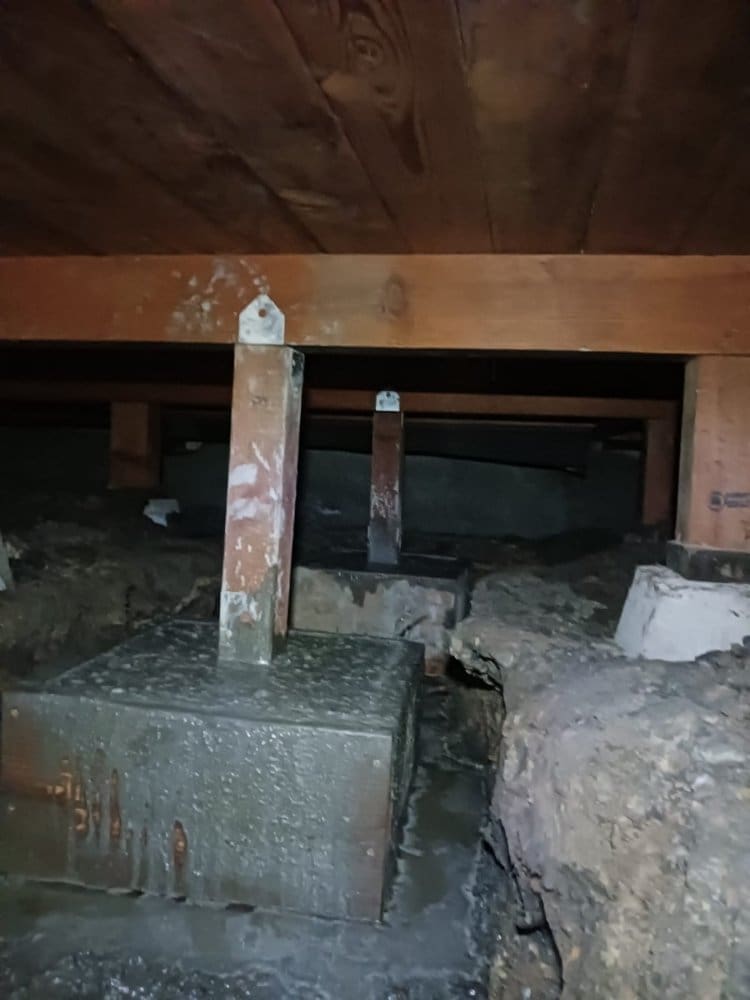
Standard Homeowners Insurance Policy Coverage for Frost Heave
Standard HO-3 homeowners insurance policies almost universally exclude frost heave and soil expansion from coverage due to the strict earth movement exclusion clause. Insurers classify ground freezing, clay swelling, and gradual soil shifting as uninsurable maintenance issues or natural land movements rather than sudden, fortuitous covered perils.
When moisture within expansive soil freezes, it expands by approximately nine percent, exerting powerful upward hydrostatic pressure against concrete slabs and footings. In regions across the Bay Area with dense montmorillonite clay soils, winter rainfall combined with freezing overnight temperatures creates localized frost heave. Most policyholders assume structural damage from frozen soil falls under weather-related hazard protections. However, insurance carriers categorize any movement of land—whether settling, rising, or heaving—under standard policy exclusion endorsements.
According to educational risk summaries provided by the Insurance Information Institute, home policies protect against discrete perils like windstorms or fire rather than geological shifting. Adjusters view freeze-thaw damage as a preventable byproduct of inadequate surface drainage, missing insulation, or routine climate exposure. Consequently, when structural cracks appear along stem walls or interior drywall during freezing spells, carriers typically issue immediate claim denials under the earth movement provision.
Rare Exceptions Where Insurance May Pay for Heave Damage
Homeowners insurance may cover secondary foundation or dwelling damage if heave results directly from a sudden, accidental covered peril such as a burst indoor water pipe. While the policy will not remediate land or soil, the resulting structural repairs to the dwelling may qualify under specific water damage clauses or foundation endorsements.
The critical factor in insurance evaluation is the legal concept of proximate cause. If a hidden main water line ruptures under a concrete slab, saturating the clay soil and triggering rapid soil heave, the plumbing collapse acts as the primary covered peril. In these specific scenarios, the policy may cover removing the concrete, repairing framing, and restoring damaged interior finishes. However, the insurer will rarely pay to regrade the property, stabilize outer yard soils, or correct original foundation design oversights.
Homeowners who carry specialized foundation water endorsements or accidental discharge riders enjoy higher success rates during claims processing. These supplemental coverages help bridge the gap between complete exclusions and structural restoration costs. Documenting the precise sequence of events with engineering reports and leak detection evidence is essential to prove the heave was caused by plumbing rather than natural environmental cycles.
Real-World Case Study: Resolving Complex Clay and Freeze Heave in the East Bay
During a severe winter cold snap in the Walnut Creek foothills, a homeowner experienced severe slab heave that lifted their living room floor by two inches due to trapped subterranean moisture and expansive freezing clay. We diagnosed a combined plumbing breach and localized frost heave, successfully stabilizing the structure through targeted helical underpinning and subsurface drainage.
Our diagnostic evaluation began with laser level mapping and subsurface core soil testing beneath the perimeter stem wall. We discovered that an unrecorded irrigation leak had saturated dense clay layers right before temperatures dropped below freezing for three consecutive nights. The combination of saturated clay and superficial frost depth generated over four thousand pounds per square foot of upward force, cracking the perimeter footings and binding interior doors.
To resolve the structural distortion permanently, we excavated beneath the compromised footings to drive heavy-duty steel helical piers forty feet deep into stable, non-expansive bedrock. We installed an active hydraulic lifting manifold to carefully relevel the slab while relieving excess pressure against interior load-bearing walls. Simultaneously, we integrated a deep perimeter drain and vapor control system to channel groundwater away from the perimeter foundation.
We compiled a comprehensive forensic engineering report detailing how the initial subterranean water line leak triggered the rapid heave event. Utilizing our detailed technical documentation, the homeowner successfully appealed an initial denial with their carrier, securing twenty-eight thousand US dollars in structural framing and interior restoration coverage. This project highlights why accurate physical diagnosis and root-cause identification are critical when dealing with foundation heave claims.
Trade-Off Analysis: Foundation Repair Strategies vs. Insurance Feasibility
Selecting between insurance claim filings and direct structural remediation requires balancing high coverage denial risks against permanent engineering solutions. Investing in deep foundation underpinning and subsurface water management completely halts recurring heave, whereas relying strictly on insurance claims leaves underlying soil instability untreated.
Every repair option involves specific trade-offs regarding upfront financial investment, policy eligibility, and long-term structural durability. The table below outlines common foundation remediation methods used across the Bay Area alongside their insurance viability and technical performance.
| Remediation Method | Average Cost Range (US Dollars) | Policy Coverage Probability | Primary Structural Benefit | Potential Failure Mode / Limit |
|---|---|---|---|---|
| Deep Steel Helical Underpinning | 15,000 to 45,000 US dollars | Low (Unless linked to covered plumbing peril) | Transfers structural weight to bedrock, bypassing expansive soil entirely | High installation depth requirements in dense rock formations |
| Deep French Drain & Waterproofing | 6,000 to 18,000 US dollars | Very Low (Classified as land maintenance) | Eliminates hydrostatic pressure and water accumulation near footings | Requires routine flushing and pump maintenance to prevent clogging |
| Polyurethane Chemical Grout Injection | 4,000 to 12,000 US dollars | Low (Excluded under soil modification rules) | Seals void spaces and fills subsurface gaps quickly | May not prevent future deep-seated clay heave if water persists |
| Plumbing Leak Repair & Slab Jacking | 8,000 to 25,000 US dollars | Moderate to High (When sudden pipe burst is proven) | Lifts sunken concrete while repairing active underground water source | Fails to stabilize surrounding perimeter soil if exterior drainage is ignored |
Actionable Steps to Prevent Soil Heave and Protect Your Home
Mitigating frost heave and expansive clay movement requires aggressive groundwater management and strict perimeter moisture control around your concrete foundation. Installing subsurface French drains, maintaining a positive slope away from footings, and sealing crawl space soils effectively isolate foundation footings from severe freeze-thaw and hydro-expansion cycles.
To safeguard your home foundation against seasonal earth movement, follow this sequential mitigation framework:
- Grade land surfaces to slope downward at least six inches over the first ten feet surrounding the perimeter foundation.
- Extend downspout discharge lines at least ten feet away from concrete footings into solid pipe collection systems.
- Install a continuous sub-surface perimeter drain system equipped with root barriers and sumps in high-moisture zones.
- Encapsulate open crawl spaces with heavy mil vapor barriers to maintain consistent soil moisture levels year-round.
- Schedule bi-annual inspections with licensed foundation specialists to detect hairline micro-cracks before winter freezes occur.
Homeowners seeking consumer protection resources or coverage dispute guidance should consult the official California Department of Insurance for state policy guidelines. Taking proactive preventative measures always costs significantly less than retrofitting a severely heaving foundation after structural failure occurs.
Frequently Asked Questions
Does home insurance cover foundation heave caused by a plumbing leak?
Yes, homeowners insurance may cover structural repairs if heave is directly caused by a sudden and accidental internal plumbing leak. While the policy will pay to repair damaged walls, flooring, and slab concrete, it will typically not cover land grading or external soil stabilization.
What is the difference between soil settlement and frost heave?
Soil settlement occurs when weight causes dry or weak soil to consolidate downward, whereas frost heave is the upward lifting of soil caused by freezing moisture expanding under concrete footings. Both movements can cause severe foundation cracking, but heave exerts upward hydrostatic force while settlement involves downward sinking.
Can I add a rider or endorsement to cover earth movement in California?
Yes, homeowners can purchase specific earth movement endorsements or standalone earthquake and landslide insurance policies in California. However, standard earth movement riders often focus on seismic events or catastrophic landslips rather than gradual seasonal frost heave or clay swelling.
How do foundation inspectors determine if heave is active?
Foundation inspectors determine active heave using digital floor elevation mapping, crack monitoring gauges, and soil core moisture testing over time. If elevation measurements show upward movement along perimeter footings during wet or freezing seasons, the heave is classified as active and dynamic.
How much does foundation heave repair cost in the Bay Area?
Foundation heave repair costs in the Bay Area generally range from 5,000 US dollars for minor drainage and crack injection to over 40,000 US dollars for deep steel underpinning and structural releveling. Total expenses depend on soil composition, depth to bedrock, accessibility, and the extent of structural remediation required.
Sources
- Insurance Information Institute: https://www.iii.org
- California Department of Insurance: https://www.insurance.ca.gov
People Also Ask
In most standard homeowner's insurance policies, frost heave damage is typically excluded as it is considered a result of ground movement or earth settlement, which are not covered perils. However, coverage may vary depending on your specific policy and the root cause of the heave. For example, if a plumbing leak beneath the slab caused the soil to freeze and lift, the resulting water damage might be covered even if the slab repair is not. It is crucial to review your policy's fine print and consult with your adjuster. For professional guidance on structural repair options, Golden Bay Foundation Builders recommends reading our internal article titled Effective Solutions for Repairing Frost Heave Damage in Cold-Weather Regions, which outlines effective industry-standard solutions for addressing this type of damage in cold-weather regions.
Frost heave will not simply "go away" on its own. The damage occurs when water in the soil freezes, expands, and pushes fence posts or foundations upward. Once the ground thaws, the soil settles, but the post or structure often remains lifted, leaving a gap or uneven alignment. To prevent this issue entirely, proper installation is critical. For professional guidance on avoiding this problem, we recommend reading our article How To Prevent Frost Heave In Fence Posts. At Golden Bay Foundation Builders, we emphasize deep-set footings below the frost line and proper drainage to mitigate heave. If you already have a lifted post, resetting it with concrete and gravel is the only reliable fix, as natural thawing will not restore its original position.
Generally, insurance policies do not cover water damage resulting from lack of maintenance, gradual leaks, or earth movement. For example, if a pipe slowly leaks for months and causes rot or mold, that is typically excluded. Similarly, damage from flooding, ground settling, or earthquakes is not covered. For homeowners in Walnut Creek and Contra Costa County, it is crucial to understand these exclusions. For a deeper look at a common scenario, you can review our internal article Does Homeowners Insurance Cover Water Leaks Under Foundation?. Golden Bay Foundation Builders always recommends reviewing your specific policy details to understand your coverage limits.
Two common events not covered under standard homeowners insurance are floods and earthquakes. For flood damage, you typically need a separate policy from the National Flood Insurance Program. Regarding earthquakes, standard policies exclude ground movement, which is a critical concern in Walnut Creek and Contra Costa County. For detailed guidance on protecting your home from seismic activity, we recommend reading our internal article titled How Do Earthquakes Affect Foundations?. Golden Bay Foundation Builders always advises homeowners to review their policy exclusions carefully to ensure they have proper coverage for regional risks.