

Identifying Early and Severe Foundation Warning Signs in Bay Area Homes
Early and severe foundation warning signs in San Francisco Bay Area homes range from minor interior drywall fractures and sticking door frames to severe structural displacement like sloping floors, wide exterior masonry step-cracks, and sheared cripple walls. Recognizing these diagnostic indicators early allows property owners to intervene before expansive soil movement or seismic forces cause catastrophic structural collapse.
In our field work across Alameda, Contra Costa, and Santa Clara counties, we frequently evaluate residential structures suffering from differential movement. Early indicators typically manifest inside living spaces long before total structural failure occurs. A diagonal crack exceeding one-eighth of an inch extending from the corner of a door or window frame usually signals differential frame torque. When floor levels drop more than one inch over a ten-foot span, structural loads are no longer being transferred evenly to the supporting footings.
We recently addressed a severely compromised 1920s craftsman home situated on a steep hillside in the Oakland Hills. The structure suffered from a fifteen-inch elevation differential across the rear elevation due to saturated montmorillonite clay soil causing deep-seated downhill slope creep. To stabilize the residence, we excavated down to stable bedrock at twenty-eight feet, engineered an array of fourteen steel push piers, and installed heavy-duty steel lifting brackets to re-level the floor girders. This structural intervention completely mitigated future soil shear and eliminated the massive interior drywall shear fractures that previously prevented doors from latching properly.
Structural Geology and Foundation Types in the San Francisco Bay Area
San Francisco Bay Area residential architecture relies primarily on three structural foundation designs: traditional post and pier systems, continuous poured-concrete stem walls, and post-tensioned concrete slabs-on-grade. Each architectural typology interacts differently with localized geological soil conditions, requiring distinct structural maintenance strategies to prevent long-term load bearing failure.
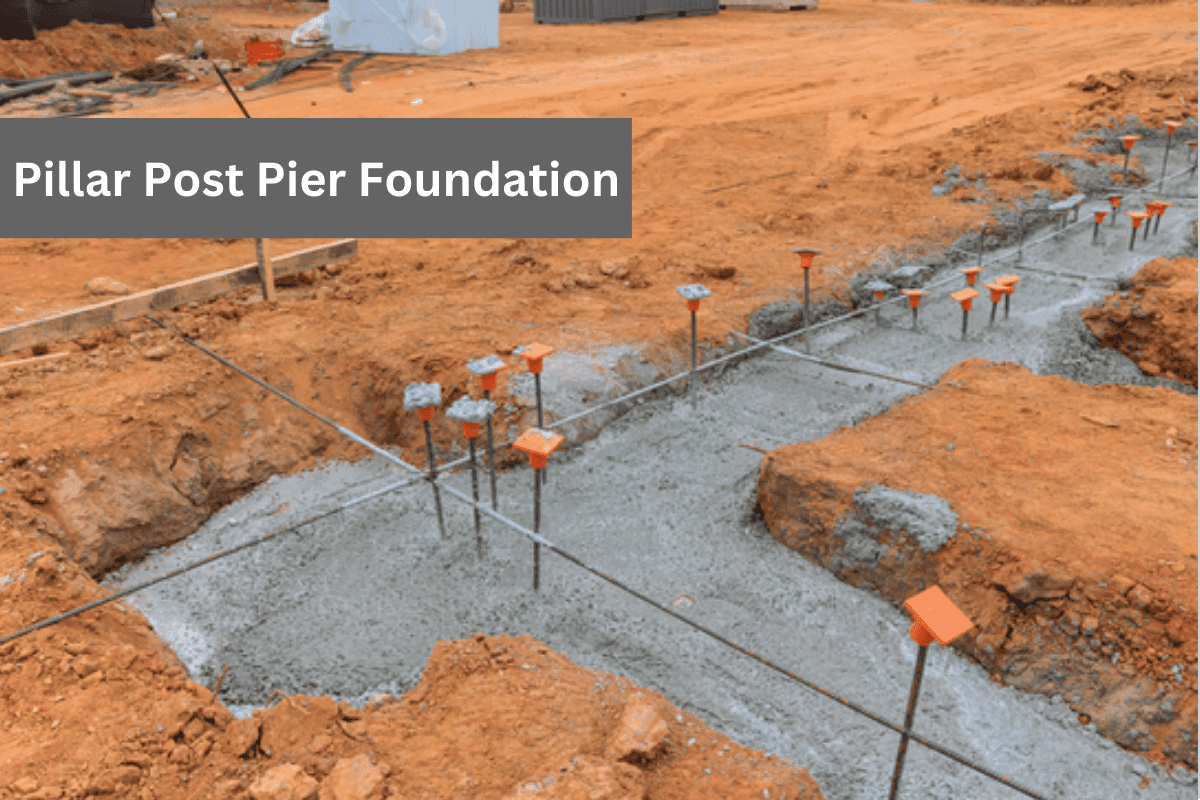
Older homes constructed before 1950 across Berkeley, Oakland, and San Jose frequently incorporate unreinforced post and pier foundation systems. These configurations rely on isolated concrete footings holding timber posts, leaving crawl spaces vulnerable to localized settlement and wood decay from standing ground moisture. Continuous poured-concrete stem walls, common in mid-century construction, provide superior perimeter rigidity but remain susceptible to horizontal shear forces during seismic shaking. Modern slab-on-grade foundations distribute building weight over a single concrete plate, yet they remain vulnerable to cracking when built over unstable artificial fill or active clay deposits.
- Post and pier foundations: Flexible, elevated framing systems susceptible to timber moisture rot and unreinforced footing sinking.
- Concrete stem wall foundations: Perimeter concrete wall support offering high bearing capacity but vulnerable to spalling, efflorescence, and seismic rim-joist sliding.
- Slab-on-grade foundations: Monolithic concrete pads that minimize crawl space dampness but suffer severe cracking when exposed to expansive soil heave.
The Physics of Foundation Failure: Soil Mechanics and Seismic Forces
Foundation failure in Northern California is primarily driven by seasonal volumetric moisture changes in expansive clay soils, sub-surface hydrostatic pressure build-up, and sudden fault-line ground movement. Understanding these mechanical stresses enables structural engineers and specialty contractors to deploy targeted soil stabilization and mechanical anchor systems that protect homes long-term.
According to mapped geological data from the United States Geological Survey, the Bay Area sits atop complex geological formations dominated by highly expansive smectite and montmorillonite clays. During wet winter months, these clay minerals absorb water and expand significantly, exerting lateral soil pressures against underground stem walls. When summer arrives, the moisture evaporates, causing the soil to shrink and leave unsupported voids beneath structural footings. This repeated expansion and shrinkage cycle breaks down concrete integrity and causes differential settlement across the entire building envelope.
Seismic activity compounds soil-related structural stress across regional fault networks. Hazard documentation published by the California Geological Survey indicates that seismic shaking causes saturated soils near the Bay margin to undergo liquefaction, converting firm ground into a liquid-like slurry. When liquefaction occurs, residential footings instantly lose vertical load capacity and slide down lateral gradients. Proper retrofitting, such as anchor bolting and cripple wall plywood shear reinforcement, ensures structural framed walls remain attached to concrete footings during high-magnitude earthquake events.
Trade-Off Analysis: Comparing Foundation Repair Methodologies
Selecting an appropriate foundation remediation methodology requires balancing structural longevity, site accessibility, soil characteristics, and capital expenditure across competing repair frameworks. Structural steel push piers provide permanent deep-bedrock support, chemical soil injection halts localized moisture absorption, and comprehensive drainage systems prevent hydrostatic water buildup before structural cracking begins.
| Remediation Method | Typical Cost Range | Expected Lifespan | Structural Engineering Suitability | Soil Type Compatibility |
|---|---|---|---|---|
| Steel Push Piers | 15,000 to 45,000 USD | 75+ Years | Deep differential settlement, heavy loads | Deep bedrock, dense soil strata |
| Helical Piers | 18,000 to 50,000 USD | 75+ Years | Light structural lifting, expansive clay | Unconsolidated fill, soft soils |
| Epoxy & Carbon Fiber Strapping | 3,500 to 12,000 USD | 25 to 50 Years | Non-structural crack seals, stem wall reinforcement | All stable soil conditions |
| Polyurethane Foam Soil Injection | 5,000 to 16,000 USD | 15 to 30 Years | Slab leveling, void filling | Granular soils, non-organic fill |
| Exterior French Drain & Waterproofing | 8,000 to 22,000 USD | 20 to 30 Years | Hydrostatic pressure management, water control | High-water-table clay zones |
If your property exhibits localized slab cracking without active structural sagging, prioritize high-density polyurethane soil injection and surface drainage diversion; if your residence experiences multi-inch frame differential movement over deep clay, deploy structural steel push piers extended to competent bedrock strata.
In our field evaluations, we routinely observe critical structural failures resulting from unengineered repair attempts. One prevalent failure mode is the installation of shallow concrete pier blocks directly on expansive surface clay without securing them to underlying bedrock. During atmospheric river storms, these shallow blocks shift laterally, causing floor joists to detach from load-bearing beams. Another frequent issue involves injecting expanding foam into water-saturated organic bay mud, which rapidly degrades under continuous hydrostatic saturation and leads to renewed foundation sinking within three years.
Technical Step-by-Step Execution of Structural Foundation Remediation
Remediating structural foundation failure requires a strict, sequential engineering workflow to guarantee that structural loads are safely redistributed onto stable geological strata. Following standard building code protocols ensures structural integrity, permanent load stabilization, and compliance with local municipal building inspections across Bay Area jurisdictions.
- Structural Engineering Assessment: Perform high-precision optical transit surveys, measure floor elevation profiles, and compile a geotechnical report detailing subsurface soil characteristics.
- Excavation and Site Preparation: Excavate hand-dug access pits beneath the target footing areas to expose clean, sound concrete for bracket mounting.
- Bracket and Pier Installation: Anchor high-strength industrial steel brackets to the footing base and hydraulically drive heavy-gauge steel pier sections into the ground until reaching bedrock or load-bearing strata.
- Precision Hydraulic Lifting: Connect manifold-controlled hydraulic jacks to the pier assemblies to gently elevate the home toward its original level position without inducing structural frame distress.
- Encapsulation and Site Restoration: Secure the pier brackets using mechanical locking sleeves, backfill and compact the excavated access pits, and repair exterior grading to direct runoff away from the restored foundation.
Financial Considerations and Investment Benchmarks
Quantifying the financial cost of structural foundation repair depends on site accessibility, structural weight, chosen pier technology, soil depth to competent strata, and required engineering permits. While initial stabilization outlays require significant financial capital, timely intervention prevents severe structural framing failures that inflate long-term repair costs exponentially.
In the San Francisco Bay Area, minor crawl space stabilization and structural timber shimming typically range from three thousand to eight thousand USD. Comprehensive structural underpinning utilizing deep steel push piers for a single-family residence ranges from fifteen thousand to fifty thousand USD depending on total pier count. Structural engineering design plans, soil geotechnical reports, and municipal building permit fees usually add two thousand five hundred to six thousand USD to the total project investment.
Property owners who proactively address early foundation settlement signs preserve real estate asset values while avoiding major structural repair premiums during resale negotiations. Real estate disclosures in California strictly require mandatory seller disclosures regarding known structural defects and soil movement history. Investing in fully permitted, engineered foundation stabilization provides home buyers with certified structural safety, facilitating seamless property transactions and maintaining high equity value.
Frequently Asked Questions
How do I know if wall cracks indicate structural foundation failure?
Wall cracks indicate potential structural foundation failure when they exceed one-eighth of an inch in width, run diagonally from door or window corners, or appear alongside sticking frames and sloping floors. Structural cracks often exhibit uneven edges where one side of the drywall protrudes further than the other. Minor hairline vertical cracks are frequently caused by normal drywall drying and settling rather than active structural damage.
Can foundation repairs be performed on expansive clay soils without moving out?
Yes, most foundation repairs on expansive clay soils can be completed safely while residents remain inside the home. Contractors execute the majority of underpinning, pier driving, and drainage installation from crawl spaces or exterior excavation pits. Noise and vibration will occur during hydraulic pier driving, but interior living disruption remains low throughout the process.
What is the operational lifespan of push piers versus helical piers?
Galvanized steel push piers and helical piers both offer an operational lifespan exceeding seventy-five years when properly engineered and installed. Push piers rely on vertical hydraulic driving into load-bearing bedrock, making them ideal for heavy residential framing on steep hillsides. Helical piers screw into lighter soil layers using helical plates, offering equal longevity for lighter timber structures or loose soil conditions.
How does seismic retrofitting interact with existing foundation repairs?
Seismic retrofitting complements foundation repair by anchoring the timber frame of the home directly to the newly stabilized concrete foundation. While underpinning fixes soil settlement issues and levels the building envelope, seismic retrofitting adds foundation anchor bolts, hold-downs, and cripple wall shear bracing. Combining structural underpinning with seismic retrofitting creates comprehensive resistance against both vertical settlement and horizontal earthquake forces.
What engineering permits are required for foundation underpinning in the Bay Area?
Foundation underpinning projects in Bay Area cities require structural engineering calculations, architectural plan submittals, and building permits issued by the local municipal building department. Municipal inspectors must inspect footing excavations, pier installations, and structural hydraulic lifting before backfilling occurs. Unpermitted foundation work can result in severe municipal code violations and complicate future property sales.
Sources
- United States Geological Survey (USGS): Earthquake Hazards and Regional Geology Maps (https://www.usgs.gov)
- California Geological Survey (CGS): Seismic Hazards Mapping Program and Liquefaction Study Zones (https://www.conservation.ca.gov/cgs)
Related Articles
How To Read A Foundation Report?
Understanding Earthquake Effects On Foundations In Golden Bay’s Seismic Zones Near California
What Type Of Foundation Repair Is Best?
Foundation Repair Vs. Replacement: A Decision Guide For Bay Area Homeowners
The Role Of Drainage Systems In Protecting Your Foundation Give
What Are The Top-rated Foundation Repair Companies Near California
People Also Ask
Recognizing early warning signs of foundation failure is crucial for homeowners. Look for interior clues like doors and windows that stick or fail to latch properly, as well as visible cracks in drywall, especially around corners of doors and windows. Exterior signs include horizontal or stair-step cracks in brick or concrete block walls, and gaps where the foundation meets the siding. Uneven or sloping floors are also a major indicator. Water pooling near the foundation can exacerbate these issues. For a deeper understanding of how water management plays a role, we recommend reviewing our internal article titled The Role Of Drainage Systems In Protecting Your Foundation Class. Golden Bay Foundation Builders advises that professional evaluation is essential if you observe any of these signs in your Walnut Creek home.
Early warning signs of foundation issues often begin subtly. Look for cracks in drywall or plaster, especially around door frames and window corners. Doors and windows that start sticking or fail to latch properly are common indicators. You might also notice gaps between walls and ceilings or floors, or a sloping floor that feels uneven. Exterior signs include visible cracks in brickwork or the foundation slab itself. For a comprehensive list of these indicators, please review our internal article What Are The First Signs Of Foundation Problems?. At Golden Bay Foundation Builders, we recommend scheduling a professional inspection if you observe any of these signs, as early detection can prevent more extensive damage.
Determining the seriousness of a foundation crack depends on its size, location, and pattern. Hairline cracks under 1/8-inch wide that are vertical or diagonal and found in non-load-bearing areas are often cosmetic and may be caused by concrete shrinkage. However, cracks wider than 1/4-inch, horizontal cracks, or those that form a staircase pattern in block foundations are serious. You should also watch for cracks that are actively growing or causing doors and windows to stick, as these indicate structural movement. For a deeper understanding of identifying these issues, I recommend reading our internal article titled What Is The Difference Between Cosmetic And Structural Cracks?. At Golden Bay Foundation Builders, we always advise scheduling a professional inspection for any crack you are unsure about to ensure your home's safety.
Common foundation problems often stem from soil movement, poor drainage, or construction issues. You may notice cracks in walls or floors, doors and windows that stick, uneven floors, or gaps around exterior frames. These signs can indicate settling, heaving, or water damage beneath your home. In areas like Walnut Creek and Contra Costa County, expansive clay soil is a frequent culprit, as it swells when wet and shrinks during dry periods, causing stress on the foundation. For a deeper understanding of problematic soil types, we recommend reviewing our article Which Soil Is Not Suitable For Foundation?. To address these issues, professional assessment is key. Golden Bay Foundation Builders advises regular inspections and proper drainage maintenance to prevent minor concerns from escalating into costly repairs.
It is important to recognize that visual signs of foundation distress can vary widely. Common indicators include horizontal or stair-step cracks in concrete block walls, which often suggest soil pressure or settlement issues. Vertical cracks that are wider at the top or bottom may indicate differential movement. You might also notice doors and windows that stick, uneven floors, or gaps where walls meet the ceiling. For homeowners in Walnut Creek and Contra Costa County, understanding these signs is the first step. For a more detailed technical breakdown of how seismic activity can worsen these conditions, we recommend reviewing our internal article Understanding Earthquake Effects On Foundations In Golden Bay’s Seismic Zones Near California. Golden Bay Foundation Builders always suggests a professional inspection to confirm the severity of any visible damage.