

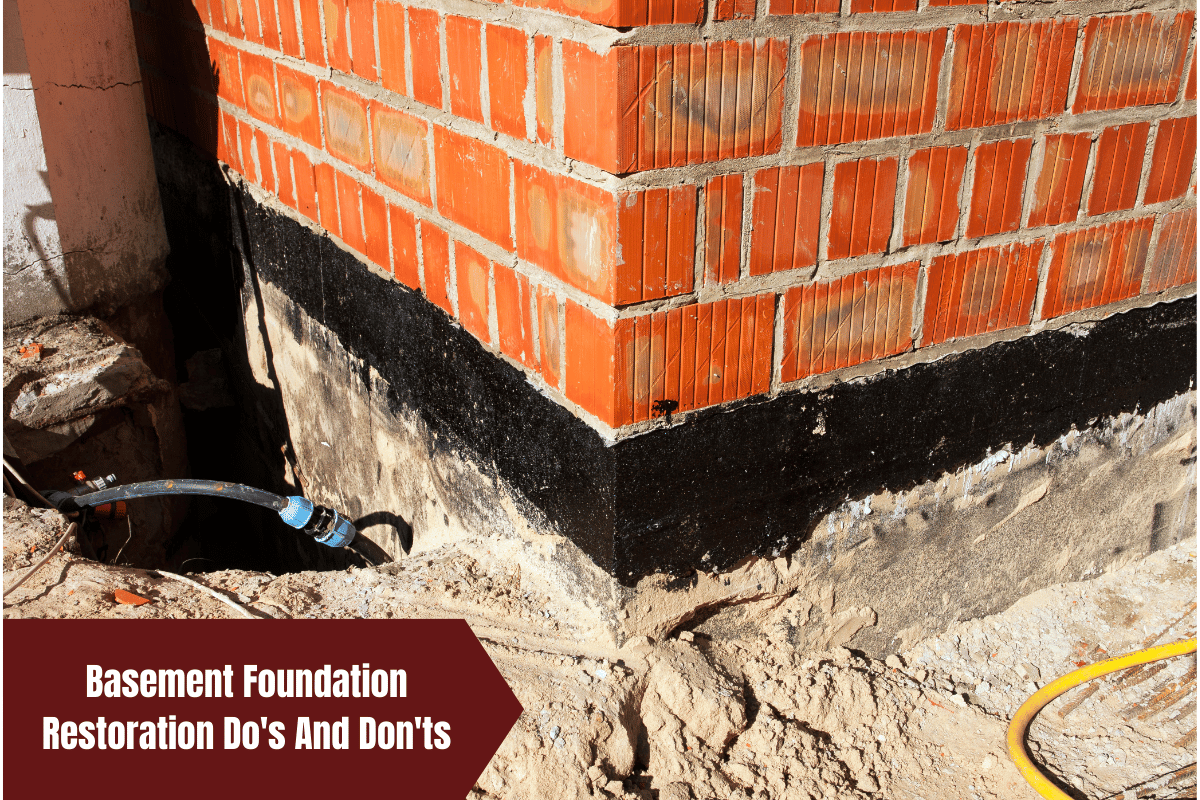
Hey there, fellow Home enthusiasts! Let’s talk about something we all love to ignore until it’s literally staring us in the face: basement foundations. You know, that concrete slab or network of piers quietly holding up your entire life? Yeah, that thing. If your walls are cracking, your floors are tilting like a funhouse, or your doors suddenly refuse to close, congratulations—you’ve stumbled into the wild world of foundation repair. But don’t panic! We’re here to walk you through it with the kind of no-nonsense advice you’d get from a buddy who’s seen it all. And hey, if you need a pro, our team at Golden Bay Foundation Builders has your back. Let’s dig in.
Why Your Foundation Isn’t Just “Someone Else’s Problem”
Foundations are like dental checkups: easy to skip until the pain hits. But ignoring issues like cracked walls, uneven floors, or mysterious gaps around windows? That’s a one-way ticket to Expensive Town. Here’s the kicker—most problems start beneath your feet. Soil shifts, water damage, or even that ancient tree root cozying up to your basement can turn a minor hiccup into a full-blown crisis.
The Usual Suspects
Wondering what’s really going on down there? Let’s break it down:
- Soil stabilization services aren’t just for skyscrapers. If your yard’s dirt is more unpredictable than a toddler’s mood, it’s time to call in the pros.
- Post and pier foundations (common in older Homes) can sag or rot over time. Think of it like a wobbly barstool—except it’s holding up your bedroom.
- Floating foundations might sound like something from a sci-fi movie, but they’re real—and they’re not immune to shifts in soil or seismic activity.
Pro Tip:
If you’re Googling “foundation repair near me” at 2 a.m., you’re already behind. Schedule a foundation inspection before your home starts impersonating the Leaning Tower of Pisa.
How to Spot Trouble (Before It Spots You)
We get it—inspecting your foundation isn’t exactly a thrill ride. But catching issues early saves cash and stress. Here’s what to watch for:
Red Flags You Can’t Unsee
- Diagonal cracks in walls: Not abstract art. These bad boys signal uneven settling.
- Doors/windows that stick: If your home’s shifting, frames warp. It’s basic physics—and it’s annoying.
- Pooling water near the base: Hydrostatic pressure is a silent killer. FYI, that’s fancy talk for “water pushing against your foundation.”
When to Call the Cavalry
If you spot these issues, don’t just slap on some spackle and call it a day. Golden Bay Foundation Builders offers foundation inspections that go beyond a quick glance. We’re talking soil tests, laser leveling, and thermal imaging—because guessing games are for carnival booths, not your home.
Fixing the Unfixable: Foundation Repair 101
Okay, so your foundation’s seen better days. Now what? Let’s talk solutions without the salesy jargon.
The Magic of Foundation Underpinning Services
Underpinning sounds like a medieval torture method, but it’s actually genius. Imagine extending your foundation deeper into stable soil or adding concrete piers for extra support. It’s like giving your home a pair of steel-toed boots.
Seismic Retrofitting: Because Earthquakes Aren’t Just a California Thing
Even if you’re not in a quake zone, retrofitting strengthens your home against any lateral force—like soil erosion or high winds. IMO, it’s like giving your house a gym membership.
Golden Bay Favorite: For older homes with post and pier foundations, we often recommend helical piers. They’re screw-shaped, load-bearing anchors that stabilize without tearing up your yard. Win-win.
The Golden Bay Difference (Yes, We’re Biased)
Why trust us with your castle’s underbelly? Glad you asked.
We Speak “Homeowner”
No confusing tech talk. When we say “soil stabilization services,” we mean “stopping your driveway from resembling a Slip ‘N Slide.”
Custom Fixes, Not Quick Patches
That floating foundation looking a little seasick? We don’t just slap on a Band-Aid. Our team assesses, plans, and executes repairs that last.
Local Know-How
Searching for “foundation experts near me”? We’re here, we’re local, and we’ve seen every quirk your region’s soil can throw at us.
Common Foundation Problems (and How We Solve Them)
Check out this table for a quick cheat sheet:
| Issue | Signs | Our Fix |
|---|---|---|
| Settling/Sinking | Uneven floors, cracked drywall | Foundation underpinning services |
| Water Damage | Mold, efflorescence, soggy basement | French drains + soil stabilization |
| Seismic Vulnerability | Visible cracks, loose chimney | Seismic retrofitting + wall bracing |
FAQs: Your Burning Questions, Answered
Q: How much does foundation repair cost?
A: Depends on the issue. Minor cracks? Maybe a few hundred bucks. Full foundation underpinning? Think $10k–$15k. But hey, ignoring it could cost way more.
Q: Can I DIY foundation repairs?
A: Unless you’re a structural engineer with a backhoe in your garage… no. This isn’t a YouTube tutorial situation.
Q: How often should I get inspections?
A: Every 2–3 years—or immediately if you notice cracked walls or sticking doors.
Wrapping Up: Don’t Wait Until It’s Too Late
Look, we’re not here to scare you into a panic (well, maybe a little). But your foundation is the unsung hero of your home. Treat it right with regular checkups, timely repairs, and a healthy dose of respect for Mother Nature’s whims.
And if you’re feeling overwhelmed? That’s what Golden Bay Foundation Builders is for. We’ve turned foundation disasters into success stories for decades—and we’re just a call away. So next time your house starts doing its best Titanic impression, remember: we’ve got the lifeboats.
People Also Ask
The cost to redo a basement foundation varies widely based on factors like home size, foundation type, extent of damage, and regional labor rates. For a full foundation replacement, homeowners can expect a range from approximately $20,000 to over $100,000. This significant investment covers excavation, removal of the old foundation, installation of new footings and walls, backfilling, and waterproofing. More limited repairs, such as addressing cracks or bowing walls with methods like underpinning or wall braces, can cost between $5,000 and $15,000. It is crucial to obtain multiple detailed quotes from licensed structural engineers and reputable contractors, as proper permitting, soil testing, and addressing drainage issues are essential for a long-lasting, code-compliant result.
Homeowners insurance typically does not cover basement foundation repair if the damage is due to normal wear and tear, settling, or earth movement like a standard earthquake. Coverage is generally provided when the damage is sudden and accidental, resulting from a covered peril explicitly named in the policy. For example, if a burst pipe or a massive tree falling on the house causes foundation damage, that repair might be covered. However, issues from hydrostatic pressure, poor construction, or gradual cracking are almost always excluded. It is crucial to review your specific policy details and consider adding endorsements for flood or earthquake coverage, as these are common causes of foundation damage not included in standard policies.
Yes, it is often possible to fix a foundation without lifting the entire house, depending on the specific problem. Techniques like slab jacking (mudjacking) or polyurethane foam injection can raise and stabilize sunken concrete slabs by pumping material underneath. For perimeter foundations with minor settling, specialized underpinning methods such as push piers or helical piers can be installed to transfer the structural load to stable soil strata, often with minimal disruption. The appropriate method depends on a professional assessment of the soil conditions and damage. For a deeper understanding of preserving structural integrity in older properties, refer to our internal resource, Essential Guide to Retrofitting Foundations for Golden Bay Heritage Homes.
Living in a house during foundation repair is generally not recommended and often not permitted by contractors for safety and practical reasons. The process involves significant structural work, including excavation, installation of supports like piers, and use of heavy equipment, creating serious tripping hazards, dust, noise, and potential utility disruptions. More critically, the home's structural integrity is temporarily compromised, posing a risk of unexpected shifts or settling. Most professional engineers and contractors will advise temporarily relocating. If absolutely necessary, discuss a phased repair plan with your contractor, but understand this extends the timeline and cost while still involving considerable inconvenience and potential risk.
When researching basement foundation restoration reviews, it is crucial to look for feedback on a contractor's technical expertise, communication, and warranty. A reputable company should have numerous positive reviews detailing their process for addressing crack repair, wall stabilization, and waterproofing. Pay close attention to comments about the crew's professionalism, adherence to schedules, and cleanliness. Be wary of companies with no reviews or those that only have generic praise. Authentic reviews often mention specific solutions like carbon fiber straps, helical piers, or interior drainage systems. Ultimately, consistent positive feedback on long-term results and customer service is a stronger indicator of reliability than a few perfect ratings. Always verify licensing and insurance independently.
The cost of basement foundation restoration varies widely based on the problem's severity and repair method. For minor crack injections, homeowners might pay between $500 and $1,500. More significant issues, like installing steel piers or helical piers for underpinning to stabilize settling foundations, can range from $1,000 to $3,000 per pier, with total projects often costing $10,000 to $30,000 or more. Major wall rebuilding or excavation can exceed $40,000. Key cost factors include the foundation type (poured concrete, block), accessibility, soil conditions, and geographic location. It is crucial to obtain multiple detailed inspections and quotes from licensed, experienced foundation repair specialists, as proper diagnosis and a permanent solution are essential for protecting your home's value and safety.
Basement foundation restoration kits are comprehensive solutions for addressing common structural issues like cracks, leaks, and minor settling. These kits typically include hydraulic cement, epoxy or polyurethane injection systems for sealing cracks, waterproofing membranes, and sometimes carbon fiber straps for stabilizing bowing walls. It is crucial to first conduct a thorough assessment to understand the root cause of the damage, as improper application can lead to recurring problems. For significant structural failures, consulting a professional engineer is strongly recommended. Proper drainage improvement around the foundation perimeter is often a necessary complementary step to ensure long-term effectiveness and prevent water pressure from compromising the repair.