

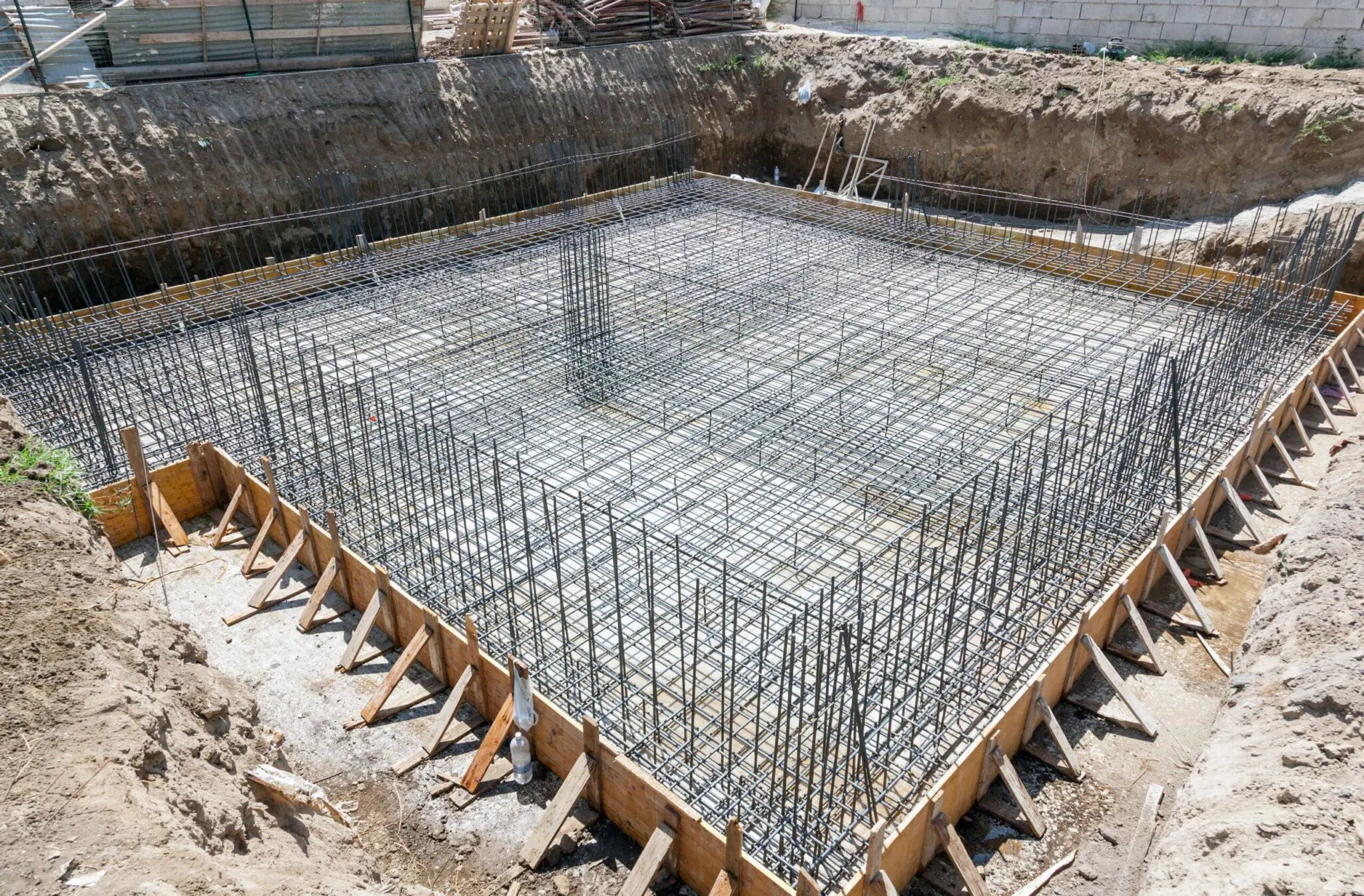
Key Takeaways: Too much water in the soil, or oversaturation, is a silent threat to your home’s foundation. It doesn’t just cause a wet basement; it creates a cycle of swelling, erosion, and instability that can lead to severe structural damage. The real danger is often hidden, progressing for years before cracks appear.
So, what’s the actual danger of having too much water in the soil around your house? It’s not the puddle on the surface. It’s the long-term, underground negotiation between your foundation and the earth that’s failing. The soil is supposed to be a stable, supportive bed. When it’s oversaturated, it becomes a demanding, unpredictable partner.
The Ground Beneath Your Feet Isn’t Just Dirt
We think of soil as solid, but it’s a dynamic system. Its ability to bear weight—its load-bearing capacity—depends heavily on its moisture content. Think of perfectly damp soil like packed sand for a sandcastle. Now, imagine pouring a bucket of water on it. That structural integrity vanishes.
When soil becomes oversaturated, two primary, destructive processes begin:
- Expansive Soil Swelling: Much of the soil in our area, particularly the clay common in Walnut Creek and across the East Bay, is “expansive.” It absorbs water and swells, pushing against your foundation walls and slab with immense pressure. We’re talking thousands of pounds per square foot.
- Erosion and Washout: Conversely, water can also carry soil particles away, a process called hydrostatic pressure. This creates voids—empty pockets—under your foundation. Without uniform support, sections of your foundation can sink or settle.
A Short Guide to Hydrostatic Pressure
Hydrostatic pressure is the force exerted by standing water against a structure. When the ground is saturated, water pools in the soil around your foundation. This water creates pressure that pushes inward on basement walls and upward under slabs. It’s the primary cause of water intrusion through cracks and the leading contributor to bowing walls in basements and crawl spaces.
The Slow-Motion Crisis: What You See (And Don’t See)
The damage rarely happens overnight. It’s a slow creep. You might first notice the cosmetic issues: doors that start sticking in the summer (when the soil swells) but close fine in the fall, or hairline cracks in drywall corners. Many homeowners dismiss these as normal settling or seasonal humidity. Sometimes, they are. But often, they’re the first memos from a foundation in distress.
The unseen damage is more critical. That constant, uneven pressure can cause:
- Differential Settlement: Where one part of your foundation sinks faster than another, putting your entire frame out of square.
- Cracked Footings: The hidden, concrete bases that your foundation walls sit on can fracture.
- Compromised Structural Integrity: Continuous stress on concrete, rebar, and wood framing, reducing their lifespan and strength.
We’ve been called to homes in older Walnut Creek neighborhoods, where beautiful oaks and mature landscaping have been quietly influencing soil moisture for decades, only to find that the root cause of a major crack wasn’t recent rain, but a slow-motion shift 20 years in the making.
Beyond the Basement: The Ripple Effect
The foundation is your home’s literal… foundation. When it moves, everything attached to it moves. This is where the real cost and danger multiply. We see:
- Misaligned Door and Window Frames: Making them difficult to open and breaking weather seals.
- Cracks in Masonry and Stucco: Not just ugly, but openings for more water and pests.
- Plumbing Leaks: Stressed pipes can separate at joints.
- Roof Line Issues: As the walls shift, the roofline can become uneven, affecting shingles and drainage.
Addressing these symptoms without fixing the soil moisture problem is like putting a bandage on a leaky pipe. You have to stop the water.
Your Drainage: The First and Best Defense
Nearly all foundation water issues are drainage issues. The goal is to move water away from your foundation perimeter. This isn’t just about gutters (though they’re crucial). It’s about understanding the grading and flow of your entire property.
Common mistakes we see? Downspouts that empty directly next to the house, flower beds that slope water toward the foundation, and paved areas that don’t channel runoff away. A simple weekend project can sometimes make a world of difference: extending downspouts at least 6 feet from the house and ensuring the ground slopes away for the first 10 feet.
When DIY Isn’t Enough: Recognizing the Professional Threshold
There’s a limit to what regrading and longer downspouts can solve. If you’re seeing persistent standing water, widening cracks, or significant sticking doors, the problem is likely systemic. This is where a professional assessment shifts from an expense to an investment.
For instance, if your home is at the base of a slope in the Walnut Creek area, you might be dealing with subsurface water flow that requires a French drain or interior drainage channel. Installing these correctly isn’t a dig-and-hope project; it requires knowing where the water is coming from, where to send it, and how to tie it into existing systems without violating local codes.
Comparing Common Foundation Water Solutions
Here’s a practical look at the most common solutions we consider, based on the problem’s source and severity.
| Solution | Best For Addressing… | The Reality & Trade-Offs |
|---|---|---|
| Exterior French Drain | Subsurface water, high water table, hillside runoff. | The gold standard for intercepting water before it hits the foundation. Highly effective but involves significant excavation along the foundation. More disruptive to landscaping, higher initial cost. |
| Interior Drainage Channel | Chronic seepage through basement floor/wall joints, where exterior excavation isn’t feasible. | Less disruptive to install as it’s done from inside. Effectively manages water that’s already getting in. Doesn’t stop exterior soil pressure; it manages the symptom inside. Requires a sump pump. |
| Sump Pump System | Collecting and ejecting water from interior drains or where water pools under the slab. | Essential for any interior drainage. A backup battery or water-powered backup is non-negotiable in our area—power outages often happen during storms. |
| Grading & Surface Drainage | Surface runoff from rain or irrigation. | The first, cheapest, and most overlooked step. Can solve 80% of problems if done correctly. Useless against a true high water table or spring. |
| Root Barriers | Moisture loss from large, thirsty trees (like oaks) too close to the house. | Can stabilize soil moisture by preventing tree roots from wicking away all ground moisture, which causes soil shrinkage. More of a preventative or stabilizing measure than a repair for existing damage. |
The Golden Bay Reality: It’s Not Just About the Fix
Working in Contra Costa County, we’re not just dealing with soil. We’re dealing with the legacy of older construction standards, the specific challenges of building near the foothills, and the seasonal pendulum of our climate. A solution that works for a new build in Tracy might be totally wrong for a 70-year-old home near the Iron Horse Trail.
That’s why our approach at Golden Bay Foundation Repair always starts with diagnosis. We need to know if the crack in your wall is from last winter’s rains or from a slow, decades-long settlement. The fix changes completely based on that answer. Sometimes, the most dangerous water isn’t from a flood; it’s from a slowly leaking irrigation line you installed ten years ago.
Wrapping It Up
The danger of too much soil water is its patience. It works slowly, hidden from view, until the damage becomes structural and expensive. Your vigilance with surface drainage is the most powerful tool you have. Pay attention to the small signs—the sticky door, the narrow crack that reappears. And know that when those signs point to a deeper issue, solving it requires looking below the surface, literally, to restore the stable ground your home was built on. Getting a professional opinion early can turn a major repair into a manageable correction.
People Also Ask
Overwatering is a common issue in plant care, with two primary symptoms being yellowing leaves and wilting despite wet soil. Yellow leaves often start with lower, older foliage and indicate that roots are suffocating and unable to absorb nutrients. Wilting in soggy soil is a critical sign because it mimics underwatering, but here it's caused by root rot destroying the plant's ability to take up water. Consistently wet soil, mold growth, and leaf drop are also associated. To prevent this, ensure proper drainage, check soil moisture before watering, and adjust schedules based on season and plant type, allowing the top inch of soil to dry between waterings for most plants.
Overwatering is a common issue that can suffocate plant roots and lead to root rot. The first step is to stop watering immediately and allow the soil to dry out. For potted plants, you can improve drainage by tipping the container to let excess water escape, or carefully removing the plant to check the roots. Trim any black, mushy roots and repot in fresh, well-draining soil. Ensure your pot has adequate drainage holes. For garden beds, gently aerate the soil with a fork to improve oxygen flow. Going forward, always check soil moisture by feeling the top few inches; water only when it feels dry. Adjust your watering schedule based on season and plant type, as overwatering often stems from a fixed routine rather than plant needs.
Waterlogged soil can be fixed by improving drainage and aeration. First, avoid working on or compacting wet soil. For immediate relief, create temporary surface channels to divert excess water. Long-term solutions involve core aeration to relieve compaction and incorporating generous amounts of organic matter like compost, which improves soil structure and water infiltration. For severe cases, installing a subsurface drainage system, such as French drains or perforated pipes, may be necessary. Choosing water-tolerant plants for affected areas can also be a practical adaptation. Regularly testing soil and avoiding overwatering are key preventative measures to maintain healthy soil porosity and prevent future waterlogging.
Excessive water in soil, known as waterlogging, poses significant dangers to construction and landscaping. It drastically reduces soil bearing capacity, leading to potential foundation settlement, instability, and structural damage. Saturated soil can cause lateral pressure on basement walls and contribute to hydrostatic pressure, risking cracks and leaks. For plant life, it suffocates roots by depleting oxygen, promotes root rot, and hinders nutrient uptake. From a geotechnical perspective, it can trigger soil liquefaction during seismic events and accelerate the deterioration of building materials. Proper drainage, grading, and soil assessment are critical industry standards to mitigate these risks and ensure long-term stability for any structure.
Plants that receive too little water experience significant stress, leading to visible and physiological changes. Initially, they may wilt as cells lose turgor pressure. Over time, leaves often turn yellow or brown, become dry and crispy, and may drop prematurely. Growth is severely stunted as the plant conserves resources. Crucially, water deficiency impairs the plant's ability to perform photosynthesis and transport nutrients, weakening its overall health and making it more susceptible to pests and diseases. For long-term survival, consistent, deep watering that reaches the root zone is essential, allowing the soil to dry slightly between sessions to encourage strong root development and prevent both underwatering and overwatering issues.