

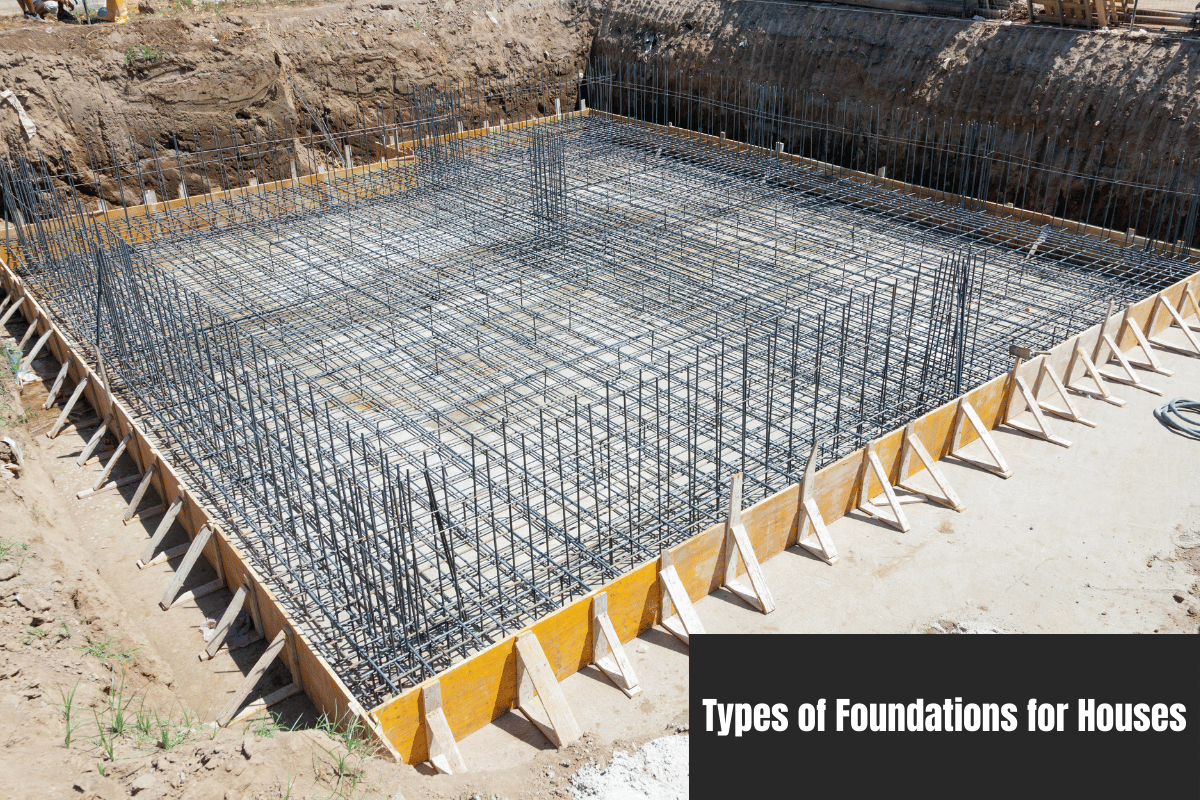
The foundation type that is right for your home depends on three primary factors: your local soil conditions, your climate zone, and your budget. In the Bay Area, the most common and practical choices are a post-tensioned slab-on-grade (for flat, stable lots), a properly sealed crawl space (for sloping sites or flood-prone areas), or a pier-and-beam system anchored to bedrock (for hillside or high-seismic zones). Basements, while adding living space, are less common in California due to seismic risk, high water tables, and cost. The table below provides a quick-reference comparison, followed by a comprehensive breakdown of every foundation type, soil considerations, and local code requirements.
| Foundation Type | Typical Cost per Square Foot | Best For | Lifespan (with maintenance) | Seismic Performance |
|---|---|---|---|---|
| Slab-on-Grade (Monolithic) | 5 dollars – 14 dollars | Warm climates, flat lots, budget builds | 50+ years | Moderate; can crack if not post-tensioned |
| Crawl Space (Raised Floor) | 8 dollars – 15 dollars | Moderate/humid climates, easy utility access | 40 – 60 years | Good when braced; allows for retrofit |
| Basement (Full/Partial) | 10 dollars – 25 dollars | Cold climates, extra living space | 50 – 100+ years | Poor without special engineering |
| Pier and Beam (Post and Pier) | 5 dollars – 12 dollars | Sloped lots, expansive soils, flood zones | 20 – 50 years | Excellent if piers reach bedrock |
| Floating (Raft) Foundation | 8 dollars – 15 dollars | Unstable, soft, or expansive soils | 50+ years | Good; moves as a unit |
| Wood Foundation | Varies | Dry, stable soils; eco-conscious builds | 30 – 75 years | Limited; check local codes |
| Insulated Concrete Form (ICF) | 12 dollars – 20 dollars | Energy-efficient, disaster-resistant homes | 100+ years | Excellent; monolithic structure |
What Is a House Foundation and Why It Matters
A foundation transfers the entire weight of a house—its “dead load” (the structure itself) and “live load” (occupants, furniture, snow)—into the ground. At the same time, it must resist lateral pressures from soil, wind, and seismic forces.
-
Load Distribution: Foundations spread concentrated loads so the soil beneath can support them without excessive settlement.
-
Environmental Barrier: They keep ground moisture, radon gas, and pests out of the living space.
-
Anchorage: In high-wind or earthquake zones, the foundation anchors the structure, preventing it from sliding or overturning.
Key Foundation Components:
-
Footings: Continuous concrete strips or pads that carry wall and column loads; typically 12 inches wide by 6 inches thick and placed below the frost line.
-
Foundation Walls: Vertical elements made of poured concrete, concrete block, or treated wood that enclose basements and crawl spaces.
-
Piers/Columns: Interior supports that carry beam loads in crawl space and pier-and-beam systems.
-
Slabs: The horizontal concrete floor; can be structural (monolithic slab) or non-structural (basement floor).
Detailed Foundation Types
Slab-on-Grade Foundation
A single pour of concrete, typically 4 to 8 inches thick, placed directly on compacted soil. It serves as both foundation and ground floor.
Pros:
-
Lowest upfront cost—5 dollars to 14 dollars per square foot.
-
Fast construction with minimal excavation.
-
Resists termites and rodents when properly sealed.
Cons:
-
Plumbing and electrical lines are embedded in the concrete, making repairs expensive and disruptive.
-
Zero storage or utility space.
-
Can crack if the soil beneath expands, contracts, or settles unevenly.
Best Applications: Warm climates with stable, well-draining soils; slab-on-grade is the most common foundation in the southern and southwestern United States.
Post-Tensioned Slab (California Upgrade): In seismic zones, steel tendons are cast into the concrete and tensioned after curing. This puts the slab under compression, helping it resist the tensile forces of an earthquake. This is a standard practice for new Bay Area homes.
Slab Insulation: In climates with any heating demand, rigid foam insulation should be installed under the slab and around the perimeter to prevent heat loss and condensation.
Crawl Space Foundation
A raised floor system supported by short foundation walls or piers, creating a space of 18 inches to 4 feet between the ground and the first floor.
Pros:
-
Easy access to plumbing, wiring, and ductwork.
-
Elevates the home above damp soil and potential floodwaters.
-
Less expensive than a full basement.
Cons:
-
Prone to moisture, mold, and pest intrusion if not properly sealed and ventilated.
-
Can lose significant energy if the floor above is not well insulated.
Best Applications: Moderate to high humidity regions; homes on slightly sloping lots where a slab would require extensive grading.
Crawl Space Encapsulation: Modern best practice is to seal the crawl space completely—covering the ground with a heavy-duty vapor barrier, insulating the walls (not the floor), and conditioning the space with a small supply of house air. This transforms the crawl space into a dry, semi-conditioned area.
Basement Foundation
A basement is a full-height foundation that creates an entire floor below grade. It can be unfinished for storage or finished as living space.
Pros:
-
Doubles the usable square footage of a home.
-
Provides natural cooling in summer and shelter in severe weather.
-
Houses utilities in an accessible space.
Cons:
-
Most expensive foundation type—10 dollars to 25 dollars per square foot.
-
Requires extensive waterproofing, drainage, and sometimes a sump pump.
-
Not recommended in high-water-table or flood-prone areas.
Best Applications: Cold climates where footings must be placed below a deep frost line; the excavation is already deep enough to make a basement economical.
Why Basements Are Rare in the Bay Area: California’s seismic codes require special engineering for basement walls to resist lateral earth pressures amplified by earthquake shaking. Combined with high groundwater in many coastal areas, the cost and risk usually outweigh the benefits.
Pier and Beam (Post and Pier) Foundation
This system uses vertical piers (concrete, steel, or treated wood) to support horizontal beams that carry the floor joists. The house is completely elevated, with an open or skirted space underneath.
Pros:
-
Ideal for steep slopes, expansive clay soils, and coastal flood zones.
-
Individual piers can be adjusted or replaced with minimal disruption.
-
Excellent ventilation underneath the house.
Cons:
-
Shorter lifespan—20 to 50 years for wood components.
-
Floors may feel bouncy or sag if piers settle or beams deteriorate.
-
Exposed utilities underneath need insulation and protection.
Best Applications: Hillside homes in the Bay Area; coastal homes in flood zones; older homes in California built before the 1960s.
Seismic Retrofit: Older pier-and-beam homes often lack proper bracing. A seismic retrofit bolts the sill plate to the foundation and adds plywood shear panels to the cripple walls, drastically improving earthquake resistance.
Floating (Raft) Foundation
A thick, heavily reinforced concrete slab that extends under the entire footprint of the house, designed to “float” on poor soil like a raft.
Pros:
-
Spreads loads evenly, preventing differential settlement.
-
Performs well on soft clay, fill, or expansive soils.
Cons:
-
More concrete and steel than a standard slab, raising cost.
-
Not suitable for steeply sloping sites.
Best Applications: Areas with known problem soils, such as the expansive adobe clay found in parts of the East Bay.
Wood Foundations
Permanent wood foundations (PWF) use pressure-treated lumber and plywood designed for below-grade use. They are common in some parts of the Midwest and Canada.
Pros: Lighter and faster to build than concrete; can be constructed in freezing weather.
Cons: Require meticulous drainage and backfill; not permitted in all seismic zones.
California Code Note: The 2022 California Residential Code restricts wood foundations in Seismic Design Categories D0, D1, and D2, which cover most of the Bay Area. Always verify local code before choosing this option.
Insulated Concrete Forms (ICF)
ICF foundations are built by stacking hollow foam blocks and filling them with reinforced concrete. The foam stays in place, providing continuous insulation.
Pros:
-
R-values of 25 or higher, dramatically reducing energy costs.
-
Monolithic concrete core is exceptionally strong and disaster-resistant.
-
Soundproofing and fire resistance.
Cons:
-
1 percent to 4 percent higher initial cost than conventional concrete.
-
Requires specialized subcontractors.
Best Applications: High-performance homes, net-zero energy homes, and areas prone to wildfires or hurricanes.
The Role of Soil in Foundation Performance
The best foundation design can fail if the soil beneath it is not properly understood and prepared. Soil type directly affects bearing capacity, drainage, and the risk of settlement or heave.
| Soil Type | Bearing Capacity | Drainage | Expansion Potential | Foundation Recommendation |
|---|---|---|---|---|
| Sand / Gravel | High | Excellent | Very Low | Slab or shallow footing |
| Silty Sand | Medium | Good | Low | Slab or crawl space |
| Clay | Medium-Low | Poor | High (expansive) | Pier and beam or raft; avoid slab on grade |
| Organic / Topsoil | Very Low | Variable | High | Remove and replace with engineered fill |
| Rock (Bedrock) | Very High | Depends on fracturing | None | Any foundation type; ideal for piers |
Soil Compaction: All fill material under a foundation must be placed in 6-inch lifts and mechanically compacted before the next lift is added. Improper compaction is a leading cause of slab settlement.
Expansive Soils: Clay-rich soils can swell by 10 percent or more when wet, exerting thousands of pounds of pressure on foundation walls and slabs. The Bay Area has pockets of expansive clay, particularly in the East Bay hills. Solutions include:
-
Removing the expansive soil and replacing it with compacted fill.
-
Installing a pier-and-beam system that isolates the structure from soil movement.
-
Using a post-tensioned slab designed to “float” over expanding soil.
Climate and Regional Considerations
-
Cold Climates (Northern U.S., Midwest): Footings must extend below the frost line (often 36 to 48 inches deep). Basements are common because the excavation is already deep.
-
Hot, Humid Climates (Southeast, Gulf Coast): Crawl spaces are popular for ventilation, but must be carefully moisture-managed. Slabs are common on flat, well-drained lots.
-
Coastal and Flood-Prone Areas: Pier and beam or pile foundations elevate the living space above the Base Flood Elevation (BFE), a requirement of FEMA and local flood ordinances.
-
Seismic Zones (California, Pacific Northwest): The foundation must be engineered to resist both vertical and lateral ground motion. The 2026 California Building Code cycle introduces the most significant foundation-related changes in decades, driven by updated seismic hazard maps.
Key Building Code Requirements for Foundations (2026 Update)
The 2024 International Residential Code (IRC) and the 2022 California Residential Code (CRC) govern most residential foundation work. Key provisions include:
-
Minimum footing depth: 12 inches below undisturbed ground surface; deeper if frost protection is required.
-
Concrete strength: Minimum 2,500 psi compressive strength for footings; 3,000 psi for walls.
-
Seismic Design Categories D0, D1, D2: Require continuous solid or fully grouted masonry/concrete footings under all exterior walls. Wood foundations are generally prohibited in these zones.
-
Braced wall panels: Must be supported by continuous foundations, with specific anchorage requirements for earthquake resistance.
-
Slab-on-grade: In seismic zones, must be reinforced with welded wire mesh or rebar, and post-tensioned slabs require special inspection.
-
Hillside construction: Additional requirements for foundations on slopes steeper than 33.3 percent, including deeper footings and lateral resistance measures.
Moisture Management, Drainage, and Waterproofing
Water is the number-one enemy of foundations. Proper drainage and waterproofing are not optional—they are code-required and essential for longevity.
Best Practices:
-
Positive drainage: Grade the soil around the foundation to slope away at least 6 inches of fall over the first 10 feet.
-
Gutters and downspouts: Direct roof runoff at least 5 feet away from the foundation.
-
Foundation drain: A perforated pipe, surrounded by gravel and filter fabric, installed at the footing level to carry groundwater away by gravity or to a sump pump.
-
Damp-proofing vs. Waterproofing: Damp-proofing (asphalt coating) resists soil moisture; waterproofing (elastomeric membrane) resists hydrostatic pressure. Waterproofing is required for basements and recommended for crawl spaces in wet areas.
-
Vapor barriers: 6-mil polyethylene sheeting under all slabs and on crawl space floors to block soil moisture.
Cost Comparison: Initial Build vs. Long-Term Ownership
| Foundation Type | Initial Cost (2,000 sq ft home) | Typical Repair Costs | Long-Term Maintenance |
|---|---|---|---|
| Slab-on-Grade | 12,000 dollars – 24,000 dollars | 250 dollars – 7,000 dollars per crack | Low; monitor for cracks |
| Crawl Space | 16,000 dollars – 30,000 dollars | 2,000 dollars – 8,000 dollars (moisture/mold) | Medium; encapsulation, vent management |
| Basement | 20,000 dollars – 50,000 dollars | 2,220 dollars – 8,112 dollars (average repair) | High; waterproofing, sump pump |
| Pier and Beam | 10,000 dollars – 24,000 dollars | 1,500 dollars – 5,000 dollars per pier | High; wood rot, pest control |
| Raft Foundation | 16,000 dollars – 30,000 dollars | Varies widely with soil | Low; but soil stabilization may be needed |
Note: Repair costs are national averages and can be significantly higher in the Bay Area due to labor rates and seismic requirements.
When to Call a Professional Foundation Contractor
Signs you need an inspection:
-
Cracks wider than 1/8 inch in walls, floors, or the foundation itself.
-
Doors and windows that stick or won’t latch.
-
Floors that slope or feel bouncy.
-
Water in the basement or crawl space after rain.
-
Visible mold or musty odors.
Golden Bay Foundation Builders provides comprehensive foundation inspection, repair, and new construction services across the Bay Area. From soil stabilization and seismic retrofitting to full foundation replacement, our team of experienced professionals uses the latest engineering techniques to ensure your home stands on solid ground for decades to come. If you’ve noticed any of the warning signs above, call us today for a thorough evaluation.
Sources
-
This Old House: House Foundation Types and Common Problems
-
Groundworks: Popular House Foundation Types: Pros & Cons
-
Architectural Designs: Your Foundation Guide
-
Max Fulbright Designs: Slab vs Crawl Space vs Basement – Cost Comparison
-
Edifice Inspections: Home Foundation Types Every Buyer Should Know
-
SumerInnovations: California’s 2026 Foundation Code Updates
-
2022 California Residential Code, Chapter 4 – Foundations
-
DOE Building Foundations Handbook: Drainage & Waterproofing
-
ASCE/SEI 32-01: Frost-Protected Shallow Foundations
Related Articles
Foundation Inspection and Assessment Services Clayton, CA
What Is The Best Foundation For A Summer House?
What Are The Different Types Of Crack Filling?
Understanding Old House Foundation Types: Essential Insights for Homeowners
What Type Of Foundation Repair Is Best?
What Is The Best Time Of Year For Foundation Repair?
Bay Area Foundation Maintenance: A Seasonal Guide For Homeowners
People Also Ask
For a house, the best foundation type depends heavily on your local soil conditions, climate, and the home's design. In areas like Walnut Creek and Contra Costa County, where expansive clay soils are common, a concrete slab-on-grade foundation is often the most practical and cost-effective choice. It provides a solid base and resists shifting from soil movement. For homes with basements or crawl spaces, a poured concrete perimeter foundation with reinforced footings is standard. Before deciding, it is critical to have a geotechnical soil report performed. For specific guidance on smaller structures, you can read our internal article titled What Is The Best Foundation For A Summer House?. Golden Bay Foundation Builders always recommends consulting a structural engineer to ensure the foundation meets all local building codes for long-term stability.
The four main types of foundations are basement, crawlspace, slab-on-grade, and pier and beam. A basement foundation provides a full underground level, offering additional living or storage space. A crawlspace foundation elevates the home slightly, allowing access to plumbing and wiring. A slab-on-grade foundation is a single concrete layer poured directly on the ground, common in warmer climates. Pier and beam foundations use concrete piers to support the structure above the ground. For detailed guidance on identifying these styles in older homes, Golden Bay Foundation Builders recommends reading our internal article Understanding Old House Foundation Types: Essential Insights for Homeowners. Understanding your foundation type is crucial for proper maintenance and repair planning.
The seven most common foundation types in residential construction are: 1) Basement Foundation, which provides a full underground living or storage space. 2) Crawl Space Foundation, which elevates the home slightly above ground for access to utilities. 3) Slab-on-Grade Foundation, a single concrete layer poured directly on the soil. 4) Pier and Beam Foundation, using concrete piers to support a wooden frame. 5) Pile Foundation, driven deep into the ground for unstable soil. 6) T-Shaped Foundation, a reinforced concrete footing and wall system. 7) Raft or Mat Foundation, a thick slab used for poor soil conditions. For homeowners in Walnut Creek, choosing the right type depends on soil stability and budget. For a deeper look at one popular option, we recommend reading Crawl Space Foundation: The Complete Guide for Homeowners and Builders. At Golden Bay Foundation Builders, we always advise consulting a structural engineer before deciding.
The term "top 5 foundations" can refer to different categories, such as foundation types for buildings or leading charitable organizations. For residential and commercial construction in Walnut Creek and Contra Costa County, the most common foundation types are slab-on-grade, crawlspace, basement, pier and beam, and T-shaped. Each offers distinct advantages depending on soil conditions and structural needs. For expert guidance on selecting the right foundation for your property, Golden Bay Foundation Builders recommends reviewing our internal article titled Top-Rated Foundation Inspections Contractor | San Francisco & Bay Area. This resource provides detailed insights into local building standards and inspection best practices to ensure long-term stability and safety for your project.
When considering basement foundation types, the most common options include poured concrete, concrete masonry units (CMU), and precast panels. Poured concrete walls are monolithic, offering excellent strength and water resistance, while CMU walls are built with concrete blocks and mortar, requiring careful waterproofing. Precast panels are factory-made and assembled on site, providing speed and consistency. For homeowners in Walnut Creek and Contra Costa County, soil conditions and drainage are critical factors in choosing the right type. At Golden Bay Foundation Builders, we recommend reviewing our internal article What Is The Best Time Of Year For Foundation Repair? to understand how seasonal weather impacts foundation work and material selection. Proper insulation and drainage planning are essential for any basement foundation to prevent moisture issues and ensure long-term stability.