

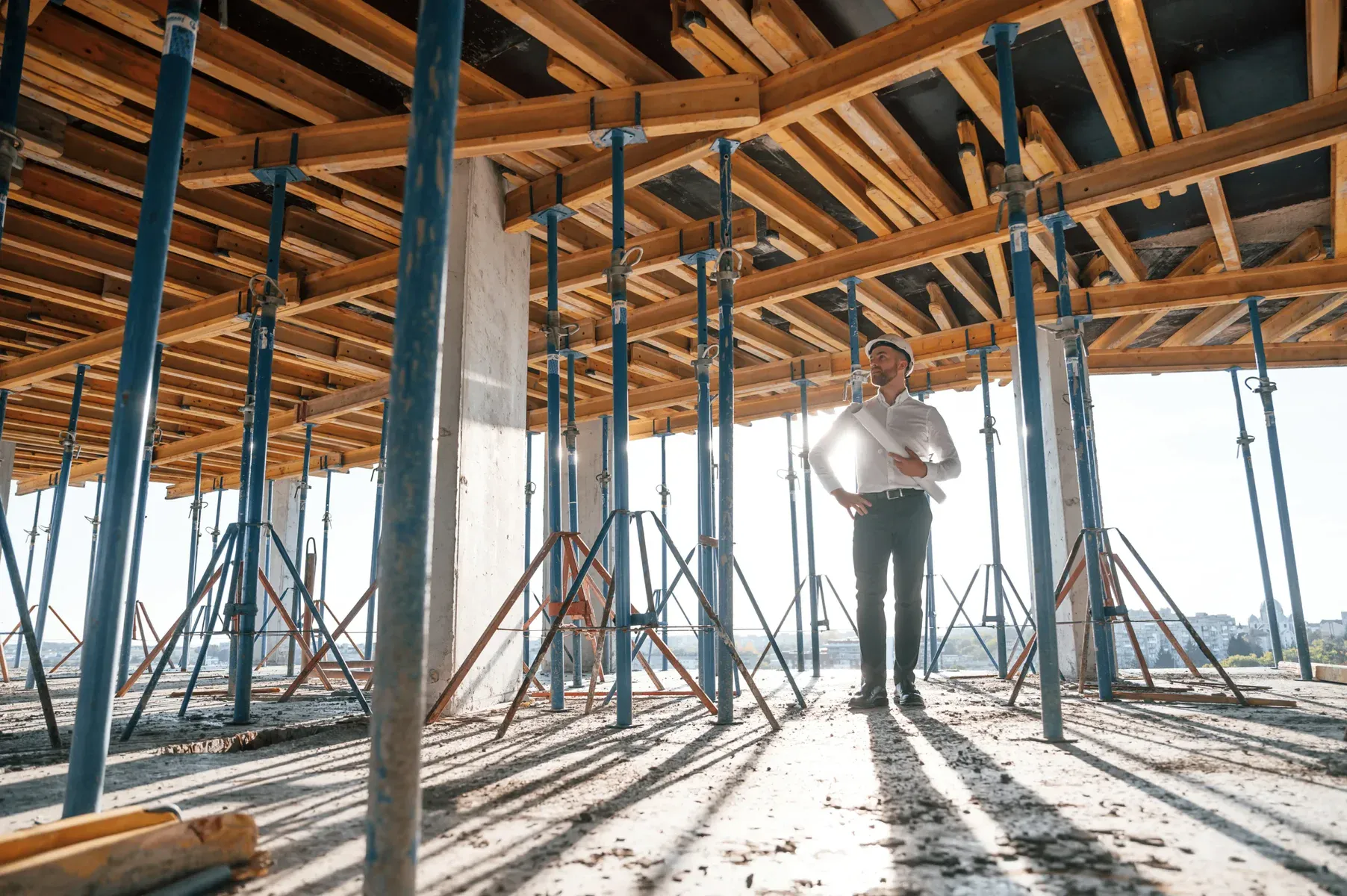
Ever notice how we obsess over the paint color, the kitchen backsplash, or the perfect hardwood floors, but give the actual thing holding our house up a passing thought? Yeah, we’ve been there too. It’s like fussing over the frosting while the cake itself is, well, a little lopsided. If you’re in the East Bay, from the hills of Oakland to the suburbs of Walnut Creek, Concord, Berkeley, and Clayton, that cake sits on some famously dynamic ground. Let’s have a real talk about what’s under our feet, why it sometimes throws a tantrum, and what we can actually do about it.
Getting to Know Your Home’s Secret Superhero (or Problem Child)
We don’t often hang out in our crawl spaces or marvel at our concrete stem walls, but understanding your foundation type is the first step to knowing what you’re working with. It’s not the most glamorous part of homeownership, but it’s arguably the most important.
The Common Characters in Our East Bay Story
Most homes around here feature a few classic foundation types, each with its own personality.
- Post and Pier Foundation: Common in older homes. Think of a grid of concrete piers holding up wood posts that support the floor beams. Great for ventilation, but can be vulnerable to shifting if those piers settle unevenly.
- Concrete Stem Wall: A continuous perimeter wall of concrete that supports the home’s frame. It’s a sturdy workhorse, but even concrete can crack or bow under pressure.
- Floating Foundation: Also known as a slab-on-grade. The house literally sits on a thick, reinforced concrete slab poured directly on the ground. Simple, but direct ground movement goes straight to your floors.
So, how do you know if your foundation’s superhero cape is looking a bit frayed? It’s usually not subtle.
The Tell-Tale Signs Your Foundation is Sending an SOS
Your house has a language for this, and it’s usually spelled out in drywall and door frames. We’re not talking about a tiny hairline crack that shows up once and never moves. We mean the persistent, growing evidence that something’s off.
The Big Red Flags We See All the Time
- Cracked Walls, especially diagonal cracks shooting from the corners of doors and windows. These aren’t just aesthetic issues; they’re stress signatures.
- Doors and windows that suddenly stick or won’t latch properly. Your house isn’t being stubborn; its frame is shifting.
- Uneven or sloping floors. The “marble test” (rolling a marble across the floor) isn’t just for fun—it’s a classic diagnostic.
- Gaps appearing between baseboards and the floor or the ceiling and walls.
Seeing one of these might be minor. Seeing a combination? That’s your cue to stop googling “foundation repair near me” in a panic and start getting strategic. Which, FYI, is where a professional foundation inspection becomes your best investment.
Why Our East Bay Soil Loves to Shake Things Up
Let’s blame the real culprit: the ground itself. Our region has a mixed bag of soil types—expansive clay that swells when wet and shrinks during droughts, and areas with loose, compressible fill. Add in the ever-present seismic activity, and you’ve got a perfect recipe for foundation movement. It’s not if the ground will move, but when and how much.
This is where terms like soil stabilization services become critical. Sometimes, the solution isn’t just fixing the foundation itself, but improving the very earth it sits on. At Golden Bay Foundation Builders, we often start with the soil because treating the symptom without the cause is a temporary fix at best.
Your Toolkit for Foundation Fixes: From Band-Aids to Major Surgery
Okay, so you’ve got signs and you understand the why. What now? The world of foundation repair has a suite of solutions, and the right one depends entirely on your specific problem. Let’s demystify the jargon.
Common Fixes for Common Problems
- Foundation Underpinning Services: This is the big one. It involves installing new, deeper structural elements (like steel piers or helical piles) to transfer your home’s load down to stable soil. It’s the permanent solution for significant settling.
- Concrete Stem Wall Repair & Crawl Space Repair: This can involve everything from carbon fiber stitching for cracked walls to installing new supports and beams in a sagging crawl space. It’s about reinforcing the existing structure.
- Seismic Retrofit: A must for older homes. This involves bolting the house to its foundation and adding plywood shear walls to prevent the house from sliding off during an earthquake. Programs like Earthquake Brace and Bolt can even help with the cost.
- Pier and Beam Adjustments: For those post and pier foundation homes, this often means releveling the home by adjusting or replacing shims and piers.
To make sense of when to use what, here’s a quick guide we often reference:
| Problem You See | Likely Culprit | Common Repair Solution |
|---|---|---|
| Sloping Floors, Sticking Doors | Settling Piers or Beams | Crawl Space Repair, Pier Re-shimming/Replacement |
| Diagonal Cracked Walls | Foundation Settlement or Seismic Movement | Foundation Underpinning or Carbon Fiber Reinforcement |
| House Feels “Wobbly” | Lack of Seismic Bracing | Seismic Retrofit (Bolt & Brace) |
| Cracks in Slab Foundation | Soil Expansion/Contraction | Soil Stabilization & Slab Piering |
Let’s Talk About the Elephant in the Room: Cost & Choosing a Pro
We know what you’re thinking: “This sounds terrifying for my wallet.” And look, we won’t sugarcoat it—quality foundation work is a significant investment. But let’s reframe that: it’s an investment in your single largest asset. The price for foundation underpinning services or a full seismic retrofit varies wildly based on your home’s size, access, soil conditions, and the scope of work.
Chasing the lowest bid here is the fastest way to heartache. A true professional foundation contractor will provide a detailed inspection, explain the why behind their solution, and offer a warranty on their work. They’ll also help you understand what’s urgent versus what’s monitorable. IMO, that clarity is worth its weight in gold.
This is the core of what we do at Golden Bay Foundation Builders. We’re not here to sell you piers you don’t need. We’re here to be your guide—to look at the whole picture, from the Oakland hills to the Clayton valleys, and give you a straight answer on what will actually protect your home.
Your Foundation FAQs, Answered Honestly
We hear these questions every single day. Let’s tackle them head-on.
1. “Should I get a foundation inspection before buying/selling a home?”
Absolutely, 100% yes. For buyers, it’s your best leverage for negotiation or peace of mind. For sellers, it proactively addresses concerns and smooths the sale. It’s the ultimate “know before you go” move.
2. “How long does major foundation repair take?”
It depends on the complexity, but most projects we manage range from 3-10 days. We plan meticulously to minimize disruption because we know you live here. It’s not a forever process, but it’s not an overnight one either.
3. “Will my homeowner’s insurance cover this?”
Typically, insurance covers sudden, catastrophic events (like an earthquake if you have a policy). It does not cover repairs due to gradual settlement, soil movement, or wear and tear. Always check your policy, but plan to budget for this as essential maintenance.
Wrapping This Up: Don’t Wait for the Big One
Ignoring foundation issues is like ignoring a check engine light on a cross-country trip. It might be fine for a while, but the eventual failure is way more expensive and stressful. Whether it’s a simple concrete stem wall repair or a full-house seismic retrofit, taking action restores your home’s integrity and, let’s be real, your own peace of mind.
Your home’s foundation is its literal bedrock. Giving it the attention it deserves isn’t just smart—it’s what allows you to truly enjoy all the other parts of your home without that nagging worry in the back of your mind. If any of this resonated, or if you’re seeing those signs and just want an expert, local opinion, reach out to us at Golden Bay Foundation Builders. We’re here to help you build on solid ground, literally and figuratively 🙂
Related Articles
People Also Ask
For a preliminary self-inspection of your foundation, start by walking around the exterior of your home during daylight. Look for visible cracks in the concrete or masonry, especially horizontal or stair-step patterns. Inside, check for doors or windows that stick, gaps between walls and ceilings, or sloping floors. Use a level on the floor and walls to detect unevenness. Pay close attention to the corners of rooms and around support beams. While these checks can identify potential issues, a professional assessment is crucial for an accurate diagnosis. For a detailed guide on identifying common signs, please refer to our internal article titled Understanding Garage Floor Cracks: Signs of Foundation Problems. Golden Bay Foundation Builders recommends scheduling a professional evaluation for any significant findings.
A home inspection can reveal several major red flags that signal serious structural issues. Foundation problems are a primary concern, including large or uneven cracks in the foundation walls, floors, or exterior brickwork. Signs of significant water damage or standing water in the crawlspace or basement are also critical, as moisture can compromise the foundation's integrity. For more on this, please see our internal article Can A Water Leak Cause Foundation Problems?. Other major red flags include extensive termite damage, severe roof deterioration, and major plumbing or electrical system failures. At Golden Bay Foundation Builders, we always recommend a thorough inspection by a licensed professional. If these issues are present, they often require expensive repairs and should be addressed before purchase.
To conduct a thorough foundation inspection, you should first walk the perimeter of your home, looking for visible cracks in the concrete, brick, or stucco. Pay special attention to horizontal or stair-step cracks, as these can indicate structural movement. Inside, check for doors or windows that stick, gaps between walls and ceilings, or sloping floors. Use a level to check for uneven surfaces. It is critical to also inspect the crawlspace for moisture, mold, or sagging joists. For a professional assessment, you can rely on our internal article titled Top-Rated Foundation Inspections Contractor | San Francisco & Bay Area to understand the full scope of a proper evaluation. Golden Bay Foundation Builders recommends scheduling an annual inspection to catch minor issues before they become major repairs.
The first thing a professional inspector wants to see after an earthquake is the foundation's perimeter for signs of shifting or cracking. They will look for gaps between the foundation and the soil, as well as any visible separation from the home's framing. This initial visual check is critical to determine if the structure has moved off its base. For a thorough guide on what to examine next, please review our internal article How To Inspect After An Earthquake?. Golden Bay Foundation Builders always recommends starting with the foundation's connection points before inspecting walls or floors.