

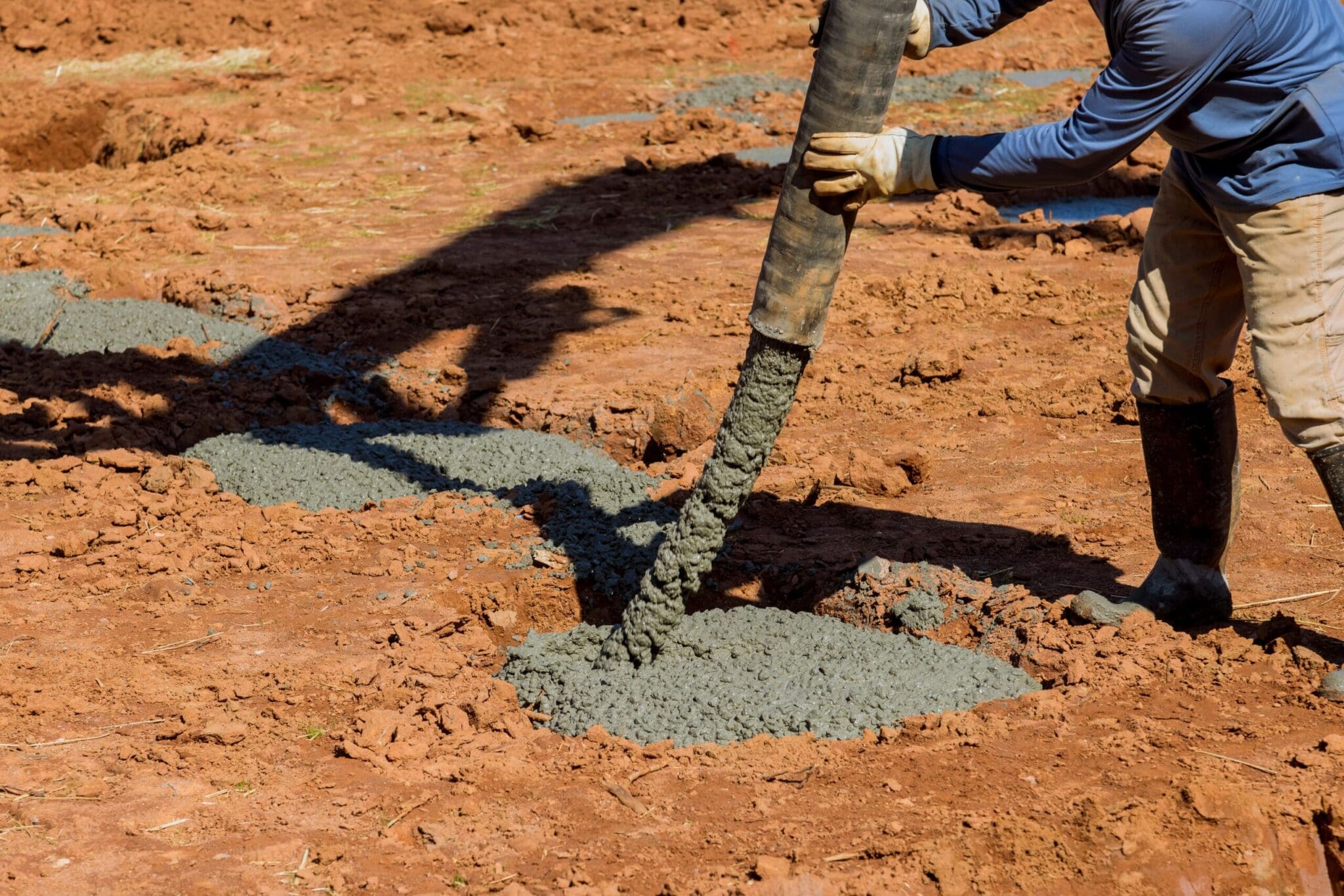
Understanding Foundation Settlement in the Bay Area
Standard homeowners insurance policies generally exclude gradual soil settling, but coverage becomes available when foundation sinking is directly caused by a sudden, accidental peril like an indoor pipe burst. In the San Francisco Bay Area, complex geological features such as expansive clay, soft Bay Mud, and active fault lines make structural evaluation essential for resolving insurance coverage disputes.
Across our decades of field practice inspecting and repairing foundations throughout Northern California, we have evaluated thousands of structures exhibiting settlement. Ground movement in the region is uniquely severe due to dynamic soils and varied topography. Properties situated on the clay soils of the Santa Clara Valley or East Bay foothills experience continuous swelling during wet winters and shrinkage during dry summers. Conversely, homes constructed along the bay margin on uncompacted fill or reclaimed wetlands face long-term consolidation and settlement.
Understanding the mechanical distinction between natural soil settlement and peril-induced foundation sinking is critical when assessing structural safety and policy coverage. Standard HO-3 residential policies classify soil consolidation, clay expansion, and normal building settling as uncovered maintenance issues. However, if a sudden, unexpected event—such as a pressurized main water line rupture beneath a slab—destabilizes the soil matrix, the policy often responds. Distinguishing between these mechanisms requires forensic engineering, precise soil moisture testing, and a thorough knowledge of regional geological conditions.
Structural Indicators of Foundation Settlement
Recognizing structural settlement early prevents minor foundation displacement from progressing into severe structural failure across residential properties. Buildings communicate foundation strain through distinct architectural distortions, including diagonal wall fractures, binding door frames, uneven interior flooring, and cracking exterior masonry. Identifying these warning physical signs enables property owners to take prompt corrective action before secondary framing damage multiplies overall repair expenses.
In our field evaluations across San Francisco, San Mateo, Santa Clara, Alameda, and Contra Costa counties, we routinely catalog structural stress indicators. The following physical symptoms indicate active foundation movement:
- Diagonal Drywall Cracks: Fractures originating from the upper corners of door and window frames signal differential vertical displacement between adjacent structural footings.
- Binding Doors and Windows: As foundation footings sink unevenly, rectangular wall openings distort into rhomboids, binding timber sashes and preventing door latches from aligning.
- Exterior Masonry Stair-Step Cracking: Step-pattern cracking following mortar lines in brick veneer or concrete block walls indicates that sections of the footing below are dropping.
- Floor Gaps and Separating Trim: Openings developing between floorboards and baseboards, or gaps along interior partition walls and ceilings, reflect beam displacement or slab settlement.
- Stem Wall Spalling and Shear Stress: Horizontal cracking along concrete stem walls, accompanied by flaking concrete, indicates internal rebar corrosion combined with lateral soil pressure.
- Sloping Interior Slabs and Subfloors: Measurable floor gradients identified via laser levels point directly to sub-slab soil settlement or localized moisture loss.
Primary Causes of Bay Area Foundation Sinking
Foundation sinking throughout the Bay Area stems primarily from extreme soil moisture fluctuations, poorly compacted artificial fill, subterranean water erosion, and seismic activity. Regions containing expansive clay experience cyclical swelling during heavy atmospheric winter storms followed by shrinking during dry summer months. These shifting ground mechanics exert immense continuous stress on concrete footings, slab foundations, and historical post-and-pier support systems.
Geological surveys from the United States Geological Survey confirm that regional soil vulnerability varies significantly based on local surface geology. Based on our engineering site analyses, the main causes of residential foundation sinking include:
- Expansive Clay Soil Expansion and Shrinkage: High-reactivity clay soils expand when saturated during heavy rain events and contract sharply during dry summer months, destabilizing light residential footings.
- Consolidation of Uncompacted Artificial Fill: Homes built on historic shoreline fill or unengineered grading material experience long-term settlement as soil particles compact under structural loads.
- Sub-Slab Hydraulic Erosion and Plumbing Failures: Undetected ruptures in pressurized water lines or sewer mains wash away supporting fines, creating subsurface voids into which concrete slabs sink.
- Seismic Disturbances and Liquefaction: Earthquakes accelerate soil settlement and cause saturated, fine-grained soils near waterways to temporarily liquefy, losing load-bearing capacity.
- Aging Post-and-Pier Structural Foundations: Early twentieth-century homes built on unreinforced concrete piers or post-and-pier systems experience wood post decay and footing settlement over time.
California Insurance Coverage Mechanics: Covered Perils vs Exclusions
California property insurance policies generally exclude loss caused by earth movement, soil expansion, or gradual settling under standard dwelling coverage limits. However, insurance protection applies when a covered peril—such as an sudden internal plumbing burst or an explosion—acts as the primary cause triggering structural settlement. Understanding policy terms and state insurance regulations is crucial when evaluating potential foundation settlement claims.
Insurance coverage guidelines published by the California Department of Insurance explain that standard residential policies exclude ground movement, earth settling, landslides, and earthquakes. To secure coverage for seismic damage or overland flooding, homeowners must purchase specialized standalone policies or optional endorsements.
Coverage determination in California hinges on the doctrine of efficient proximate cause. If an initial, covered peril (such as an sudden indoor plumbing line rupture) initiates an unbroken chain of events that leads to foundation settlement, the entire loss is typically covered under Coverage A (Dwelling). Conversely, if the settling is caused by gradual wear, drought-induced clay shrinkage, or poor construction site prep, the policy excludes the claim.
The table below outlines how common foundation sinking scenarios are evaluated under standard California HO-3 homeowners policies:
| Cause of Foundation Settlement | Insurance Coverage Status | Policy Conditions and Regulatory Exceptions |
|---|---|---|
| Seasonal clay soil shrinkage or swell | Excluded | Excluded under standard Earth Movement and Settling policy exclusions. |
| Sudden sub-slab pressurized pipe burst | Covered | Covered under sudden water discharge; includes structural access and underpinning. |
| Earthquake or fault line creep | Excluded | Requires separate California Earthquake Authority or monoline earthquake policy. |
| Surface water flooding or bay inundation | Excluded | Excluded under standard home policies; requires National Flood Insurance Program policy. |
| Vehicle impact or structure explosion | Covered | Direct covered peril under standard property insurance policies. |
| Negligent fill compaction or improper grading | Excluded | Excluded under faulty workmanship and maintenance policy exclusions. |
Case Studies: Field Resolution of Complex Bay Area Claims
Navigating complex structural settlement claims requires combining rigorous geotechnical investigation with precise insurance contract analysis. In our decades serving Northern California homeowners, we have diagnosed and resolved intricate foundation failures involving disputed causation, uncompacted soils, and severe storm runoff. The following field cases illustrate how technical engineering assessments establish proof and guide long-term structural repairs.
Case Study 1: Sub-Slab Mainline Rupture in a San Jose Ranch Home
Proving coverage for sub-slab settlement requires demonstrating that a sudden liquid discharge weakened supporting soils beneath concrete footings. In a representative San Jose project, a pressurized water line ruptured under a residential slab, causing over two inches of localized settlement. Our technical forensic investigation established a direct causal link between the plumbing release and soil consolidation, securing full insurance authorization.
The home sat on expansive clay, and the property insurer initially denied the claim, asserting the sinking stemmed from drought-related soil shrinkage. We performed hydrostatic pressure testing on the supply plumbing, identifying a main break losing twelve gallons of water per hour beneath the living room floor. Soil core borings confirmed sub-slab moisture levels exceeded perimeter baseline controls by three hundred percent, proving the sudden leak liquefied the soil matrix.
Faced with our forensic report and moisture logs, the insurer reversed its initial denial under the efficient proximate cause doctrine. The carrier authorized 98,000 US Dollars to fund sub-slab hydraulic push pier installation, slab leveling, floor framing alignment, and interior drywall restoration.
Case Study 2: Stabilizing an Oakland Hills Residence Following Atmospheric River Storms
Hillside properties in Northern California face severe foundation risks from saturated slope soils and historical post-and-pier foundation settling. When a hillside home in Oakland experienced three inches of pier displacement after heavy winter storms, the property insurer cited earth movement exclusions to deny coverage. We designed an engineered steel helical pier solution that anchored the structure into bedrock, permanently stabilizing the foundation despite policy exclusions.
The residence was built on a steep slope composed of unstable colluvial soil over Franciscan bedrock. Historic winter rainfall saturated the upper soil layer, causing the shallow concrete piers supporting the downhill timber deck and living area to slip downward. Because the movement was triggered by surface runoff and slope saturation, standard insurance coverage was unavailable due to earth movement exclusions.
We developed an independent repair strategy that bypassed the need for insurance funding. Our team excavated past the unstable surface soil down to competent bedrock strata and installed high-capacity steel helical piers. Using synchronized hydraulic jacks, we lifted the structure back to level, installed continuous timber shear walls, and anchored the frame to the bedrock foundations to prevent future movement.
Advanced Bay Area Foundation Repair Methods and Cost Profiles
Selecting the proper foundation repair technology depends on subsurface soil composition, structural weight distribution, and environmental site access constraints. Modern engineering solutions range from deep steel underpinning systems to high-density polyurethane foam injections. Structural repair costs vary significantly based on method, structural size, and soil depth, requiring tailored engineering designs to achieve long-term structural stability.
In our foundation repair projects, we choose repair methods based on site-specific geotechnical requirements:
- Heavy-Duty Steel Push Piers: Galvanized steel pier sections hydraulically driven through structural footings into solid bedrock or load-bearing strata to provide permanent vertical lift and structural stabilization.
- Steel Helical Piers: Threaded steel shafts screwed deep into cohesive soils using high-torque hydraulic motors, ideal for light framing, decks, and sloped hillside applications.
- Polyurethane Foam Deep Injection: High-density structural polymer injected beneath sunken concrete slabs to fill soil voids, compact weak sub-grade materials, and raise unlevel interior floors.
- Carbon-Fiber Grid and Stem Wall Reinforcement: High-tensile carbon-fiber straps bonded with epoxy over cracked concrete stem walls to restore structural capacity and halt lateral shear movement.
- Crawl Space Steel Screw Jacks and Sistering: Replacing damaged wood posts, adding adjustable steel jacks, and sistering compromised floor joists to level sagging crawl space subfloors.
The table below details primary foundation repair methods, estimated regional costs in US Dollars, and expected insurance coverage outcomes:
| Foundation Repair Method | Primary Structural Application | Cost Range in US Dollars | Typical Insurance Reimbursement Status |
|---|---|---|---|
| Steel Push Pier Underpinning | Perimeter stem wall sinking and heavy slab lifting | 16,000 US Dollars to 48,000 US Dollars | Approved if sinking is caused by a covered plumbing rupture. |
| Helical Pier Installation | Hillside homes, decks, light foundations, additions | 14,000 US Dollars to 38,000 US Dollars | Approved only if caused by covered sudden peril; excluded for landslips. |
| Polyurethane Foam Slab Jacking | Interior slab lifting, void filling, sub-grade stabilization | 4,000 US Dollars to 11,000 US Dollars | Covered under slab access/restoration provisions in plumbing claims. |
| Crawl Space Jacking and Beam Repair | Post-and-pier leveling, floor beam support, post replacement | 6,500 US Dollars to 19,000 US Dollars | Excluded; treated as routine home maintenance and wear-and-tear upkeep. |
| Carbon-Fiber Wall Reinforcement | Crack stabilization along concrete stem walls | 3,800 US Dollars to 9,500 US Dollars | Excluded unless secondary to covered structural impact or explosion. |
Sequential Process for Managing a Sinking Foundation Claim
Filing a successful insurance claim for foundation sinking requires systematic documentation, rigorous leak detection, and detailed forensic engineering analysis. Homeowners must establish direct proof connecting structural settlement to a sudden, covered peril rather than gradual wear or routine ground movement. Following a disciplined, step-by-step protocol protects your property rights and ensures accurate insurance claim evaluations.
When managing a potential foundation insurance claim, follow these sequential steps:
- Record Visual Physical Evidence: Document all visible drywall fractures, exterior masonry cracks, unlevel floors, and binding doors with detailed photographs, videos, and dates.
- Check for Active Plumbing Ruptures: Monitor your municipal water meter for continuous rotation while all fixtures are off, and inspect perimeter walls for dampness indicating sub-slab leaks.
- Retain an Independent Structural Engineer: Hire a licensed California professional structural or geotechnical engineer to conduct an independent site investigation before contacting your insurer.
- Review Your Insurance Policy Conditions: Examine your homeowners insurance policy declarations page, water damage endorsements, and specific earth movement exclusions.
- Submit Formal Claim Documentation: Provide your insurer with the independent engineering evaluation, plumbing leak detection logs, and photographic timeline to support your claim.
- Obtain Detailed Scope-of-Work Estimates: Request detailed repair proposals from licensed foundation repair contractors experienced in insurance restoration procedures.
Frequently Asked Questions
Does standard homeowners insurance in California cover foundation sinking?
Standard California homeowners insurance policies exclude foundation sinking, settling, or cracking caused by normal soil expansion, drought, or gradual ground movement. Coverage applies only when the foundation sinking is directly caused by a sudden, accidental covered peril, such as an indoor plumbing rupture or an explosion.
How does the California efficient proximate cause doctrine impact foundation claims?
The efficient proximate cause doctrine dictates that if a covered peril initiates an unbroken chain of events leading to loss, the entire loss is covered despite underlying policy exclusions. If a sudden pipe break saturates expansive soil and causes settlement, the policy typically covers structural repairs because the covered pipe break was the dominant cause.
What happens if a sub-slab plumbing leak causes my Bay Area home to sink?
When a pressurized sub-slab water pipe ruptures and destabilizes supporting soils, standard homeowners insurance policies generally pay for the necessary structural repairs. The policy typically covers foundation tearing out, sub-grade soil restoration, steel pier underpinning, slab leveling, and interior drywall restoration, though repairing the failed pipe fitting itself may be excluded.
How much does out-of-pocket foundation repair cost in the Bay Area?
Out-of-pocket foundation repair costs range from 4,000 US Dollars for minor interior polyurethane foam slab jacking to over 50,000 US Dollars for extensive steel push pier underpinning across a major perimeter wall. Complex hillside stabilization projects requiring deep helical piers anchored into bedrock can exceed 75,000 US Dollars depending on geotechnical conditions and engineering complexity.
How do steel push piers stabilize a sinking foundation on Bay Mud or expansive soil?
Steel push piers stabilize structures by bypassing weak surface soils, expansive clay layers, or uncompacted fill to transfer building loads directly onto deep load-bearing strata or bedrock. High-strength steel pier sections are hydraulically driven through heavy foundation brackets attached to concrete footings until reaching solid strata, allowing hydraulic jacks to lift and permanently lock the foundation in place.
Sources
- California Department of Insurance – Residential Property Insurance and Earth Movement Analysis: https://www.insurance.ca.gov
- United States Geological Survey (USGS) – San Francisco Bay Area Geologic Hazards and Liquefaction Maps: https://www.usgs.gov
- Insurance Information Institute (III) – Earth Movement Exclusion and Foundation Coverage Rules: https://www.iii.org/article/sinkholes-and-insurance
Related Articles
How Much Foundation Sinking Is Acceptable?
Does Homeowners Insurance Cover Water Leaks Under Foundation?
What Is The Most Foundation Repair Can Cost?
People Also Ask
For homeowners in Walnut Creek and Contra Costa County, insurance coverage for a sinking house typically depends on the cause. Standard homeowners policies generally do not cover gradual earth movement, such as soil settlement or subsidence. However, if the sinking results from a covered peril like a sudden plumbing leak that washes away soil, you may have a claim. To navigate these complexities, we recommend reviewing our internal article Golden Bay’s Best Practices For Post-Earthquake Inspections. Golden Bay Foundation Builders advises that a professional assessment is crucial to document the cause of the sinking, which strengthens your case with your insurer and helps determine the best repair strategy.
For most residential properties in Walnut Creek and Contra Costa County, a small amount of foundation settling is normal. Generally, a differential settlement of up to 1 inch over a 20-foot span is considered acceptable by industry standards. However, anything beyond that, or if you notice cracks in drywall, sticking doors, or uneven floors, indicates a potential problem. It is crucial to monitor the rate of sinking; sudden movement is more concerning than gradual settling over years. For a detailed breakdown of safe thresholds and when to take action, please refer to our internal article How Much Foundation Sinking Is Acceptable?. Golden Bay Foundation Builders recommends a professional inspection if you suspect movement exceeds these limits.
In most cases, standard homeowners insurance policies do not cover sinkhole damage, particularly in regions like Walnut Creek, CA, where sinkholes are less common. Coverage typically requires a separate sinkhole or mine subsidence endorsement, which is more prevalent in areas with limestone or gypsum bedrock. If you suspect sinkhole activity on your property, it is crucial to consult with a structural engineer for an assessment. For foundation-related issues stemming from ground movement, Golden Bay Foundation Builders can provide expert inspection and repair services. Always review your policy details with your insurance provider to understand what is covered, as liability for damage often falls on the homeowner without specific endorsements.
Two events typically not covered under standard homeowners insurance are floods and earthquakes. Flood damage, whether from heavy rain or rising water, requires a separate policy through the National Flood Insurance Program. Similarly, earthquake damage is excluded from standard policies, which is a critical concern for homeowners in Walnut Creek CA and Contra Costa County. For more detailed information on seismic risks, please refer to our internal article How Do Earthquakes Affect Foundations?. To address structural vulnerabilities from earth movement, Golden Bay Foundation Builders recommends a separate earthquake insurance policy and proactive foundation inspections to ensure your home's stability.