

Let’s be honest, we don’t spend a lot of time thinking about our home’s foundation… until we have to. That’s usually when a mysterious crack appears in a wall, a door starts sticking for no good reason, or the floor develops a slope that would make a marble race exciting. Suddenly, our peaceful home feels a bit less stable, and our search history fills with frantic queries for “foundation repair near me” and “how much does this cost?”. If you’re in the East Bay, you’re not alone. We see this every day.
Welcome to the not-so-glamorous, but utterly essential, world of holding your house up. We’re going to chat about why foundations fail, what your options are, and how to navigate this process without losing your sanity (or your life savings). And yes, we’ll talk about price, because ignoring that elephant in the room doesn’t make it leave.
Getting to the Bottom of Things: What’s Your Foundation Type?
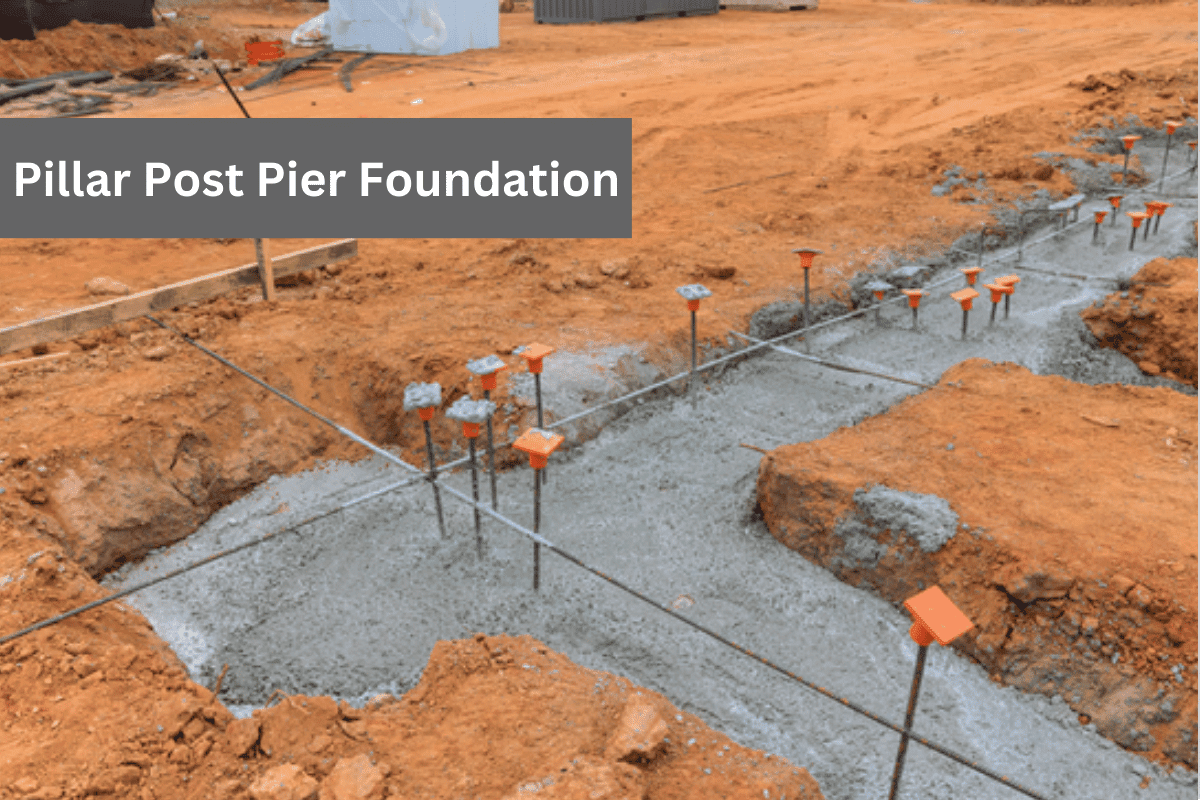
Before we panic about a crack, let’s understand what we’re working with. Around here, especially in older neighborhoods in Oakland and Berkeley, you’ll often find a post and pier foundation. It’s basically a system of concrete piers and wooden posts holding up the floor beams, with a crawl space underneath. They’re classic, but they can settle and shift over time.
Newer homes often sit on a continuous concrete perimeter, known as a concrete stem wall, with a slab or crawl space inside. Then there’s the floating foundation (or slab-on-grade), a thick concrete pad that, you guessed it, “floats” on the soil. Each type has its own quirks and common repair scenarios. Knowing yours is step one.
The Usual Suspects: Why Foundations Misbehave
So, why does a perfectly good foundation decide to throw a tantrum? It usually comes down to a relationship problem: the foundation and the soil just aren’t getting along.
- Soil Issues: This is the big one in The Bay Area. Expansive clay soil swells when wet and shrinks during dry summers, pushing and pulling your foundation like taffy. This is where professional soil stabilization services become crucial for a long-term fix.
- Water, Water Everywhere: Poor drainage is foundation enemy #1. When water pools around your base, it erodes support or causes that expansive soil to, well, expand.
- The Big One (and the Little Ones): We live in earthquake country. Seismic retrofit isn’t just a buzzword; it’s a necessity. A program like Earthquake Brace and Bolt can help, but a full assessment from a foundation contractor is wise.
- Just Plain Age: Materials deteriorate. Concrete cracks. Wood rots. It’s the circle of life for a house.
Ever wondered why that cracked wall seems to grow every winter? That’s often the seasonal dance of your soil at work.
The Repair Toolbox: From Patching to Major Surgery
Not every foundation problem requires a full-scale intervention. A reputable company will start with thorough foundation inspections to diagnose the issue accurately. Here’s a peek at what might be recommended:
For Minor Issues:
- Concrete Stem Wall Repair: Fixing cracks or spalling in that concrete perimeter wall.
- Crawl Space Repair: Addressing moisture, replacing damaged vapor barriers, or reinforcing rotting floor joists.
- Drainage Correction: Sometimes the best “repair” is just redirecting water away from your home. It’s the simplest and most cost-effective fix, IMO.
For Major Settling or Instability:
- Foundation Underpinning Services: This is the big gun. It involves installing new, deeper supports (like steel piers or concrete pilings) to transfer your home’s weight down to stable soil. If your house is seriously sinking, this is likely the answer.
- Seismic Retrofitting: Adding bolting and bracing to securely connect your house to its foundation, and reinforcing cripple walls in the crawl space. It’s like giving your home a seatbelt for an earthquake.
| Problem You See | Possible Cause | Common Repair Solution | Get This Checked… |
|---|---|---|---|
| Diagonal cracked walls near doors/windows | Foundation settlement or seismic movement | Foundation underpinning & seismic bolting | ASAP – indicates active movement |
| Sticking doors or windows | Minor differential settlement | Crawl space repair, pier shimming, drainage work | Soon – before it worsens |
| Gaps between floor/wall or ceiling/wall | House framing separating from foundation | Seismic retrofit, including bolting & bracing | Very Soon – crucial for safety |
| Cracks in concrete slab or stem wall | Soil shrinkage or minor settling | Concrete stem wall repair, epoxy injection | When you see them – prevents water intrusion |
| Musty smell, high humidity in home | Excess moisture in crawl space | Crawl space repair, vapor barrier, drainage | Soon – affects air quality & can lead to rot |
Navigating the Cost Conundrum (Let’s Talk Numbers)
Alright, let’s rip the band-aid off. Foundation repair isn’t cheap, but it’s also not a place to chase the lowest bidder. You’re literally paying for the stability of your largest investment. The price can range from a few thousand dollars for simple crawl space repair and drainage to tens of thousands for full underpinning and seismic retrofit.
What determines the tab?
- Extent of Damage: A single settling corner costs less than a whole side of the house.
- Accessibility: Is your crawl space a 3-foot-high palace or a 12-inch nightmare?
- Soil Conditions: Difficult soil means more complex soil stabilization services.
- Your Location: Engineering requirements and permit costs can vary between, say, Walnut Creek and Concord.
The best approach? Get 2-3 detailed, in-person inspections with clear, scope-specific quotes. FYI, a quote over the phone without seeing the problem is a red flag you could probably see from space.
Why Choosing the Right Team in The Bay Area Matters
This isn’t just another contractor job. You need a team that understands the unique geology of our region, from the hills of Clayton to the flatlands of Berkeley. You need a company that sees the whole picture—drainage, soil, seismic risks—not just a crack to patch.
That’s the philosophy we built Golden Bay Foundation Builders on. We’re not just hammering in piers; we’re diagnosing the root cause to give you a lasting solution. We’ve seen too many “quick fixes” that fail in a few seasons, costing homeowners double in the long run. Our goal is to be your last foundation contractor, not your first. If you’re seeing signs of trouble, give us a call for a straight-talking assessment.
Your Top Foundation Questions, Answered
1. How long does foundation repair take?
It depends on the scope. A simple stem wall or crawl space repair might take a few days. A full underpinning and seismic retrofit project on a medium-sized home can take 2-4 weeks. A good contractor will give you a realistic timeline upfront and stick to it.
2. Will this repair increase my home’s value?
Absolutely, and it often increases marketability more. A documented, professionally repaired foundation with engineering reports is a huge plus for savvy buyers and inspectors. It removes a major point of negotiation and fear.
3. Do I need to move out of my house during repairs?
Most of the time, no. The work happens outside or in the crawl space. There will be some noise and vibration, but interior disruption is usually minimal. For very extensive projects, we’ll have a frank conversation about what to expect.
So, what’s the takeaway? Don’t ignore the signs. What starts as a hairline crack can evolve into a major structural headache. Investing in proper foundation repair is investing in your home’s safety, longevity, and your own peace of mind. It’s about more than fixing a problem; it’s about securing the ground your life is built on.
If your home is showing any of the signs we chatted about, stop googling “foundation repair near me” and start talking to local experts who get it. Golden Bay Foundation Builders is always here to provide a clear, honest evaluation. Because in the end, a solid foundation means you can stop worrying about your house and just enjoy living in it.
People Also Ask
The first signs of foundation problems are often subtle but visible. Inside the home, look for doors that stick or won't latch, windows that are difficult to open, and cracks in drywall, especially at the corners of doors and windows or where walls meet the ceiling. Exterior warning signs include cracks in brickwork or foundation concrete, gaps around window frames, and floors that visibly slope or feel uneven. Early detection is crucial, as these symptoms can indicate settling or shifting that may worsen over time. For a deeper look at one common indicator, our internal article, Is Your Home’s Uneven Flooring A Sign Of Foundation Trouble?, provides valuable insights. Addressing minor issues promptly with a professional assessment can prevent more extensive and costly repairs.
Buying a house with foundation issues is a high-risk decision that requires extreme caution. While a lower purchase price can be tempting, the potential repair costs, which can range from tens to hundreds of thousands of dollars, often outweigh the initial savings. You must obtain a thorough, independent inspection by a licensed structural engineer—not just a general home inspector—to assess the severity, cause, and exact repair protocol. Many lenders will refuse financing on a property with significant structural problems. Furthermore, unresolved foundation issues can lead to cascading problems like cracked walls, misaligned doors and windows, and plumbing leaks. Proceed only if you have a full understanding of the repair scope, written estimates, and a negotiation that factors these major costs into the sale price.
Active foundation cracks can be identified by several clear signs. A crack that is still widening over time is a primary indicator; this can be monitored by placing a dated marker across the crack. Other signs include new flaking or spalling around the crack edges, persistent moisture seepage or efflorescence (white, chalky deposits), and doors or windows that continue to stick or become misaligned. If you observe soil pulling away from the foundation wall (gap formation) or notice new, related cracks branching off, these also suggest ongoing movement. Any of these signs warrant a professional structural inspection to determine the cause and necessary repairs, as active cracks can compromise a building's integrity.
Foundation issues are extremely serious and should never be ignored. They compromise the structural integrity of the entire building, leading to problems like uneven floors, cracked walls and ceilings, and doors or windows that stick. If left unaddressed, these problems worsen over time, leading to significantly higher repair costs and potentially making the home unsafe or unsellable. It is a critical misconception that only older homes face these challenges; even new construction can have underlying soil or compaction issues. For more on this, see our detailed discussion in the article Why New Homes Aren’t Immune To Foundation Problems. Early assessment by a qualified structural engineer is always the best course of action.
Early signs of foundation problems can often be identified through visual inspection of a structure's exterior and interior. Common indicators visible in pictures include cracks in foundation walls, especially stair-step cracks in brick or block, or vertical and diagonal cracks in poured concrete. Other photographic evidence includes doors and windows that stick or won't close properly, gaps around window frames or between walls and ceilings, and sloping or uneven floors. Exterior signs captured in images often involve cracks in the exterior brickwork or siding, separation of porches or chimneys from the main house, and pooling water or soil erosion near the foundation perimeter. It is crucial to have any suspected issues evaluated by a professional structural engineer or foundation specialist, as these visual symptoms can point to serious underlying soil, drainage, or structural integrity concerns that require specific repair strategies.
Foundation problems and settling are related but distinct concepts in construction. Settling refers to the natural, gradual compression of soil beneath a structure, which is expected and accounted for in design. Minor, uniform settling is normal. Foundation problems arise when settling is excessive, uneven, or caused by unstable soil, leading to cracks, sticking doors, and structural damage. Key causes include expansive clay soils, poor drainage, and inadequate site preparation. While some settling is inevitable, foundation problems require professional assessment. Solutions range from improving drainage and installing piers to underpinning. Addressing the root cause of abnormal movement is essential for long-term structural integrity and safety.
Deciding when to walk away from foundation issues is a critical financial and safety judgment. A key indicator is when professional inspections reveal severe, widespread structural damage, such as major differential settlement, extensive horizontal cracking, or significant bowing of foundation walls. If repair estimates approach or exceed 15-20% of the property's value, or if the necessary work is exceptionally invasive and disruptive, walking away may be the prudent choice. This is especially true if the issues indicate chronic, unresolved soil or drainage problems that will likely recur. Always obtain multiple detailed assessments from licensed structural engineers before making this significant decision, as their analysis will define the true scope and economic feasibility of remediation.