

Frost-Damaged Foundations in Colder Microclimates: Your Winter Survival Guide

Brrr—winter’s coming, and if you’re living in Oakland, Walnut Creek, or anywhere else in the Bay Area’s frostier pockets, you know the drill. That crisp morning air isn’t just great for pumpkin spice lattes; it’s also quietly plotting against your Home’s foundation. Frost heave, cracked walls, and shifting post-and-pier foundations aren’t exactly the kind of seasonal surprises we look forward to. But hey, don’t panic! We’re here to break down everything you need to know about frost-damaged foundations—and how to keep your home solid while the temps drop. (Spoiler: Golden Bay Foundation Builders has your back.)
Why Frost is Your Foundation’s Frenemy
Let’s start with the basics: frost heave. Imagine your soil throwing a tantrum every time it freezes. Water in the ground expands by 9% when it turns to ice, pushing your foundation upward like a stubborn toddler refusing bedtime. Come spring, the ice melts, and suddenly your foundation settles back unevenly. Rinse and repeat for a few winters, and voilà—cracks, sloping floors, and doors that won’t close.
FYI: This isn’t just a “northern states” problem. Microclimates in Berkeley, Clayton, and Concord can drop low enough to turn your soil into a mini ice rink. And if your home has a floating foundation or crawl space? You’re basically hosting a frost heave party.
Spotting Frost Damage Before It’s Too Late
Here’s the thing: frost damage loves to play hide-and-seek. You might not notice it until your drywall starts cracking or your windows stick. Let’s play detective:
- Cracked walls or floors: Diagonal cracks near windows/doors? Frost heave is probably gossiping about your foundation.
- Uneven floors: Grab a marble. If it rolls toward the fireplace without help, Houston, we have a problem.
- Sticking doors/windows: It’s not the humidity—it’s your foundation shifting.
Pro tip: Schedule foundation inspections before winter hits. At Golden Bay Foundation Builders, we’ve seen it all—from post-and-pier foundations doing the cha-cha slide to concrete stem walls crumbling like feta cheese. Early detection = cheaper repairs.
Frost-Proofing 101: How to Fight Back
Alright, let’s get tactical. How do you protect your foundation from Jack Frost’s shenanigans?
Soil Stabilization Services: The Unsung Hero
Unstable soil is like a bad roommate—it never pays rent and causes constant drama. Soil stabilization strengthens the ground around your foundation, reducing water infiltration and frost heave. Think of it as giving your soil a caffeine boost so it stops slacking.
Foundation Underpinning Services: Because Settling Isn’t Cute
If your foundation’s already sinking or shifting, underpinning adds extra support. We’re talking steel piers, helical piles, or concrete piers—fancy stuff that says, “Not today, frost.”
Concrete Stem Wall Repair: Patch It Like a Pro
Cracks in your stem wall? Ignoring them is like using duct tape on a leaky boat. Stem wall repair fills gaps and reinforces the structure, keeping moisture (and frost) out.
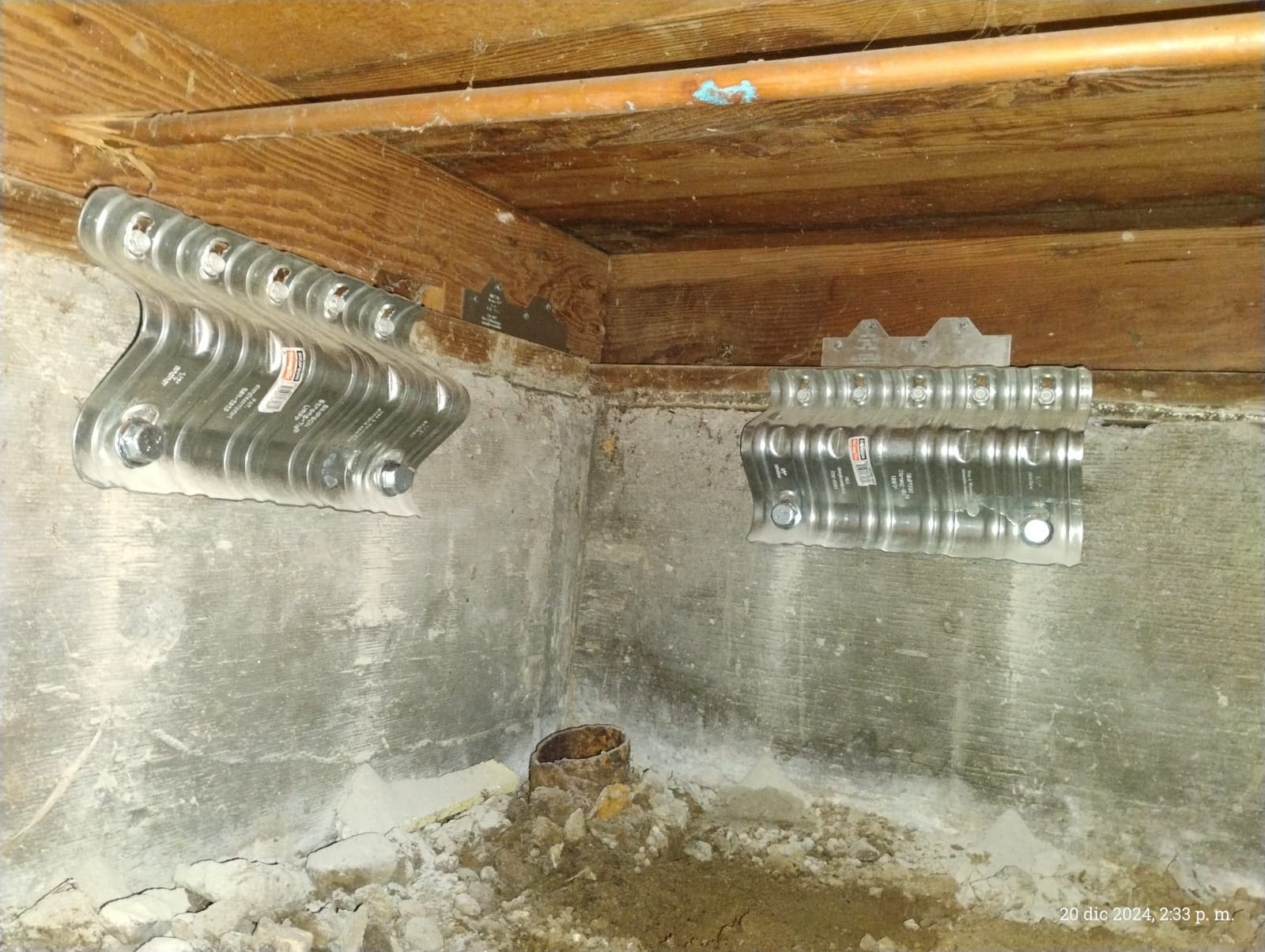
Earthquake Brace + Bolt: Double Duty
Living in earthquake country? A seismic retrofit not only preps your home for shakes but also stabilizes your foundation against frost. Two birds, one stone—or in this case, one bolt.
“But How Much Will This Cost Me?” (Let’s Talk Numbers)
We get it—the word “Foundation Repair” can make your wallet shiver. But here’s the deal: ignoring small issues now means $$$ later. Let’s break down typical costs in the Bay Area:
| Service | Average Price Range | Best For |
|---|---|---|
| Soil Stabilization | $1,500–$6,000 | Homes with poor drainage or clay soil |
| Foundation Underpinning | $1,000–$3,000 per pier | Severe settling or sinking foundations |
| Stem Wall Repair | $500–$2,500 per crack | Minor to moderate cracking |
| Seismic Retrofit | $3,000–$10,000 | Older homes needing earthquake + frost protection |
IMO, investing in crawl space repair or a post-and-pier foundation upgrade is cheaper than letting frost turn your home into a Jenga tower. And hey, Golden Bay Foundation Builders offers free estimates—because nobody likes surprise bills.
Why DIY Isn’t the Move Here
Look, we love a good DIY project. But when it comes to frost damage, playing Bob the Builder could backfire. Here’s why:
- Soil is sneaky: You might think you’ve fixed the drainage, but without professional foundation inspections, you’re guessing.
- Underpinning requires precision: One wrong pier placement, and you’re paying double to fix it.
- Permits and codes: Cities like Walnut Creek and Berkeley have strict rules. Skip the paperwork, and you’ll be in hot water.
Rhetorical question: Would you perform surgery on yourself after watching a YouTube tutorial? Exactly. Leave it to a foundation contractor who knows frost damage like the back of their toolbelt.
Golden Bay Foundation Builders: Your Frost-Fighting Squad
Shameless plug alert: We’ve been fixing frost-battered foundations in Oakland, Concord, and beyond for over 20 years. Here’s why neighbors trust us:
- We’re local: Know your area’s soil types and weather quirks.
- Transparent pricing: No hidden fees or “gotcha” moments.
- Full-service fixes: From earthquake brace and bolt to crawl space repair, we’ve got you covered.
Fun story: Last winter, a client in Clayton ignored a “tiny” crack in their stem wall. By March, their living room looked like the San Andreas Fault. We stabilized the soil, repaired the wall, and retrofitted their foundation—all before summer BBQs. Moral? Don’t be that guy.
3 Frosty FAQs (You’re Probably Curious)
Q: How do I know if frost caused my foundation issues?
A: Look for seasonal patterns. Cracks that widen in winter or doors that stick only when it’s cold? Frost is likely the culprit.
Q: Can I just insulate my crawl space and call it a day?
A: Insulation helps, but it’s a Band-Aid. Pair it with soil stabilization or underpinning for long-term results.
Q: What’s the ballpark cost for foundation underpinning near me?
A: Depends on your home’s size and damage severity. Locally, expect $1,000–$3,000 per pier. We’ll give you a precise quote after an inspection.
Wrap-Up: Don’t Let Frost Win
Winter might be coming, but your foundation doesn’t have to suffer. Whether you’re in Berkeley battling clay soil or in Walnut Creek prepping for seismic shakes, Golden Bay Foundation Builders is here to help. We’ll stabilize your soil, reinforce your foundation, and maybe even crack a joke about the weather while we’re at it.
Final thought: Frost heave is like that one friend who always overstays their welcome. Show it the door with pro repairs—before your home becomes their permanent crash pad. 😉
Ready to frost-proof your foundation? Give us a shout at Golden Bay Foundation Builders. We’re just a call (or click) away—and yes, we promise, no robotic sales pitches.
People Also Ask
Yes, foundation repair can be done in the winter, though cold weather introduces specific challenges. Most repair methods, including concrete work and pier installation, are viable as long as temperatures remain above freezing. However, contractors must use cold-weather concrete mixes and heated enclosures to ensure proper curing. The primary winter risk is frost heave, where frozen ground shifts and damages new repairs. For a detailed look at preventing this issue, please refer to our internal article How To Stop Concrete From Heaving In Winter?. At Golden Bay Foundation Builders, we schedule winter repairs carefully, monitoring soil conditions and weather forecasts to ensure the work meets industry standards for durability and safety.
For cold climates, the best foundation is generally a frost-protected shallow foundation (FPSF) or a deep foundation that extends below the frost line. A standard slab foundation is not recommended because it can crack and shift when the ground freezes and thaws. The key is to prevent frost heave, which occurs when water in the soil freezes and expands. An FPSF uses insulation to keep the ground beneath the slab warm, preventing freezing. For more specific guidance on this topic, please refer to our internal article Can You Use A Slab Foundation In Cold Climates?. At Golden Bay Foundation Builders, we always recommend consulting a local structural engineer to determine the best solution for your specific site conditions in Walnut Creek and Contra Costa County.
Yes, concrete can settle after frost heave. When the ground freezes, moisture expands and pushes concrete slabs upward. Once the ice thaws, the soil can leave a void beneath the concrete, causing it to sink or settle unevenly. This process often results in cracks, trip hazards, or uneven surfaces. Proper drainage and soil compaction are critical to minimize this cycle. For expert guidance on addressing such issues, our internal article titled Effective Solutions for Repairing Frost Heave Damage in Cold-Weather Regions provides detailed strategies. At Golden Bay Foundation Builders, we recommend assessing the subgrade condition before any repair to ensure long-term stability.
Yes, cold weather can absolutely cause foundation problems, particularly in regions like Walnut Creek and Contra Costa County. When temperatures drop, the soil around your foundation can freeze and expand, a process known as frost heave. This expansion exerts upward pressure on the concrete, potentially leading to cracks, shifting, or uneven settling. Additionally, the freeze-thaw cycle, where ice melts and refreezes, can worsen existing cracks as water seeps in and expands. For a deeper understanding of how moisture management is critical in these conditions, we recommend reviewing our internal article titled The Role Of Drainage Systems In Protecting Your Foundation Class. Golden Bay Foundation Builders advises homeowners to ensure proper drainage and insulation around the foundation to mitigate these cold-weather risks.