Top-Rated Foundation Inspections Contractor | San Francisco & Bay Area

Your trusted home foundation inspectors.

Foundation Inspection Services in the Bay Area.

Is your foundation throwing a tantrum? If doors are sticking in your San Francisco Victorian or your concrete slab is sloping near the San Jose Tech Corridor, it’s time for a check-up. From the historic Brownstones of Oakland to the hillsides of Berkeley, your home battles the elements daily. Whether you have a pier and beam foundation or a standard concrete slab, we help you decode those stress signals before they become a disaster. Trusted by homeowners from the Golden Gate Bridge to the Caltrain corridor. We know Bay Area soil—and we know how to protect your investment. Proudly Serving: San Francisco | San Jose | Oakland | Palo Alto | Berkeley | & Surrounding Areas. Get your local foundation report today.

How we do it

Our approach

At Golden Bay Foundation Builders, we take a meticulous and comprehensive approach to home foundation inspection because we understand the critical role your foundation plays in the safety and stability of your home. Our approach consists of several key steps.

Initial Assessment

We start by scheduling an inspection at a time that suits you. We understand that your time is valuable, and we strive to make the process as convenient as possible.

Visual Inspection

 Our experts conduct a visual examination of every aspect of your foundation, inside and out. We closely inspect the concrete walls, beams, pillars, and other structural components. We pay attention to even the smallest details, as they can reveal crucial information about your foundation’s health.

Advanced Testing

In addition to the visual inspection, we may employ advanced testing methods when necessary. This can include moisture level measurements, soil analysis, and other specialized techniques that provide a deeper understanding of your foundation’s condition.

Comprehensive Report

After completing the inspection, we provide you with a detailed and easy-to-understand report. This report outlines our findings, highlights any issues or concerns, and offers clear recommendations for any necessary repairs or maintenance.

Testimonial

Verified Client Reviews

Key Benefits

What our clients get!

What every ones whats to know about foundation inspection.

FAQs

The cost of a home foundation inspection can vary based on the size and complexity of your property. We provide personalized quotes to ensure you receive accurate pricing. Rest assured, our pricing is competitive, and our commitment to transparency means no hidden fees.

We recommend scheduling a foundation inspection annually. This regular assessment helps catch potential issues early, minimizing the risk of major damage to your foundation. However, if you notice any unusual signs, such as cracks or settling, it's wise to contact us for an inspection immediately.

Our team of foundation inspectors includes experts trained to assess foundations thoroughly. They possess the knowledge and experience to identify issues accurately. In cases where a deeper structural analysis is necessary, we have licensed structural engineers available to provide specialized services.

The duration of a home foundation inspection can vary based on the complexity of the property. Typically, an inspection may take several hours. Our inspectors take the time needed to conduct a thorough assessment to ensure nothing is overlooked.

More About Our Service

Foundation Inspections and Assessment

Let’s get real—your house’s foundation is like the silent partner in your relationship. It does all the heavy lifting (hello, structural load!) without any applause. But when it starts acting up? Oh, you’ll notice. Doors stick like they’re giving you the cold shoulder, cracks appear like bad relationship advice, and suddenly, your concrete slab slopes like it’s had one too many margaritas. So, how do you know if your pier and beam foundation is just having a moment or a full-on midlife crisis? That’s where professional foundation inspection services come in. Buckle up, friend. Let’s chat about why this matters more than your morning coffee (and that’s saying something).


Why Should You Care About Your Foundation? (Spoiler: It’s Not Just About Cracks)

Look, I get it. Foundation walls aren’t exactly Instagram-worthy. But here’s the thing: your entire house literally depends on its structural integrity. Think of it as the unsung hero holding up your Netflix-binging sanctuary. Ignore it, and you’re basically playing Jenga with your biggest investment—especially if your slab foundation or crawl space has hidden issues.

The “Oh Crap” Moments That Scream “Get an Inspection!”

Ever walked into your basement and thought, “Hmm, is that crack new… or am I just paranoid?” (Spoiler: You’re probably not paranoid.) Here are the red flags even your dramatic cousin would envy:

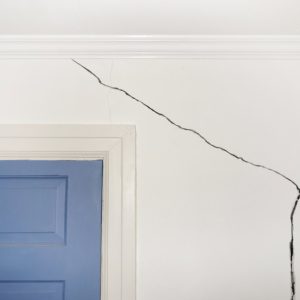
  • Cracks wider than your phone screen: In walls, floors, or around windows/doors. (FYI, horizontal foundation cracks are a big red flag.)

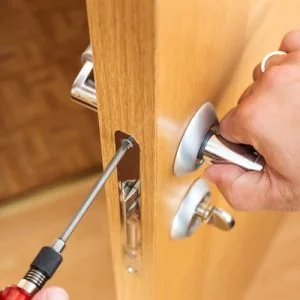
  • Doors/windows that stick like they’ve taken up yoga.

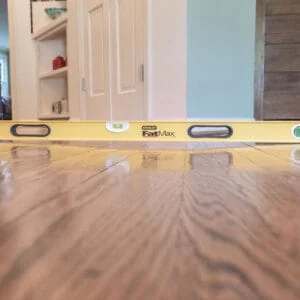
  • Uneven floors that make you feel like you’re on a boat.

  • Gaps between walls and ceilings (nope, that’s not “open-concept”).

Small hairline cracks? Usually NBD. But if you can fit a nickel in there? Call a licensed foundation inspector, stat. And if your chimney starts leaning like it’s had a few too many, that’s another sign your foundation stability is compromised.


What Happens During a Foundation Inspection? (Spoiler: No Crystal Balls Involved)

Okay, so you’ve decided to stop Googling “is my house sinking?” at 2 a.m. and actually hire someone. What’s next? Let’s break down the inspection process:

Step 1: The Sherlock Holmes Phase

A certified home inspector (or foundation repair specialist) will show up armed with tools like a tape measure, laser level, and maybe even soil testing gear. They’ll check:

  • Exterior signs: Cracks, soil gaps, pooling water (aka the foundation’s archnemesis), and retaining walls that might be failing.

  • Interior issues: Drywall cracks, door alignment, floor slopes, and mold remediation needs if moisture’s lurking.

  • Structural integrity: Beams, joists, support beams, and that one corner everyone pretends not to see.

Step 2: The “Let’s Get Technical” Part

This isn’t just a visual inspection. Pros use various inspection methods like:

  • Laser levels: For precision slopiness.

  • Soil moisture meters: Because mud pies aren’t just for kids.

  • Foundation piers: Not the kind you fish off of.

They’ll also assess drainage issues, soil erosion, and whether your concrete slabs meet local regulations (because compliance matters). If you’re dealing with earthquake risks or footing cracks, they might loop in civil engineers for a full engineering report.

Step 3: The Truth Bomb Report

You’ll get a detailed inspection report with photos, inspection notes, and a breakdown of:

  • Problem areas: Ranked from “keep an eye on it” to “OMG fix this yesterday.”

  • Repair options: From foundation maintenance (like sealing cracks) to foundation leveling or hydraulic piers.

  • Cost estimates: Including foundation repair costs and whether homeowner’s insurance might cover it (spoiler: usually only for sudden damages, not slow-mo neglect).


DIY vs. Pro Inspection: Why You Shouldn’t Play Hero

Sure, you can grab a flashlight and crawl around your crawl space like a budget Indiana Jones. But here’s the cold, hard truth: foundation issues are sneaky. What looks like a tiny crack could be hiding foundational damage from soil erosion or construction shortcuts.

When DIY Works (Sort Of)

  • Monitoring small cracks: Mark them with tape and check monthly.

  • Improving drainage: Clean gutters, slope soil away from the house.

  • Basic maintenance: Like checking framing or beams for rot.

When to Call the Pros

  • Visible structural damage: If your foundation walls look like a modern art project, stop DIY-ing.

  • Buying/selling a home: A home inspection contingency can save your deal.

  • Post-natural disasters: Earthquakes, floods, or that one time your neighbor’s pool overflowed.

IMO, paying for a professional inspection is cheaper than footing a $20k repair bill later. Plus, foundation repair companies often offer free foundation inspections (just avoid the ones pushing bad foundation repair solutions).


Picking the Right Inspector: Don’t Just Swipe Right

Not all home inspectors are created equal. Here’s how to avoid hiring a dud:

Green Flags

  • Licensed and insured: Look for accreditation from groups like the Structural Engineers Association.

  • Experience with your foundation type: Slab, pier-and-beam, basement—they’ve seen it all.

  • Detailed reports with photos: Bonus points if they include threshold inspections or soil testing results.

Red Flags

  • Vague estimates: “It’ll cost somewhere between a latte and a Ferrari.”

  • No references or reviews: If their website looks straight out of 1998, run.

  • Pressure to sign ASAP: Unless it’s a timeshare presentation, hard pass.

Pro tip: Ask for a pre-inspection consultation. If they can’t explain foundation repair methods or building materials, keep looking.


How Much Does This Cost? (Prepare for Sticker Shock)

Let’s cut to the chase: foundation inspection costs range from 300to1,500+, depending on your home’s size and the drama level. Repairs? Oh, honey. We’re talking 500forminorfixes∗∗(likepatchingcracks)to∗∗40k+ for permanent foundation stabilization.

What Influences the Price?

  • Home size: McMansion = more $$$.

  • Accessibility: Crawl spaces = chiropractor visits.

  • Severity: A Band-Aid vs. a full foundation reinforcement.

But here’s the kicker: routine inspections can save you thousands by catching common foundation issues early. Think of it as insurance against your house pulling a Leaning Tower of Pisa impression. And hey, some homeowner’s insurance policies cover emergency inspections after disasters—check yours!


Final Thoughts: Don’t Ghost Your Foundation

Look, your foundation isn’t going to slide into your DMs with its problems. It’s on you to notice the signs and act. Whether you’re a new homeowner or finally admitting that crack’s gotten bigger, a professional foundation inspection is worth every penny.

So, next time you see a suspicious gap or your door sticks, ask yourself: “Do I feel lucky?” (Spoiler: You’re not Clint Eastwood.) Call a local foundation company, get the scoop, and sleep soundly knowing your house isn’t plotting against you.

And hey, if all else fails? Just remember: a tilted floor does make vacuuming easier.

TL;DR: Your foundation’s health = your home’s health. Don’t skip the thorough foundation inspectionsRegular maintenance and proactive inspections keep your safe foundation—and your sanity—intact.

Noticing any of these problems at home?

We’re here to help! Swiftly addressing these concerns is key. Our experts will promptly inspect and repair your foundation, ensuring the lasting strength and safety of your home. Reach out without hesitation for reliable assistance.

Crack in the wall of a home

Cracks in Interior Walls

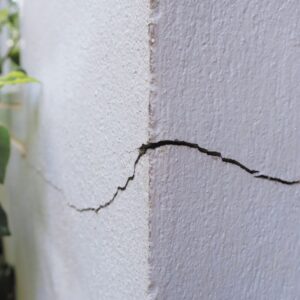
Cracks in exterior wall

Cracks in Exterior Walls

Sloping Floors

Sloping Floor

Foundation Repair Services

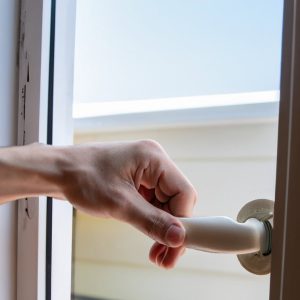
Sticking Door

Foundation Construction Services

Sticking Window

leaning-chimney

Chimney Leaning

Contact Us

East Bay Area

Communities We Serve.

We are happy to service communities throughout the East Bay Area and beyond. 

OUR SERVICES

Bay Area Foundation Contractor | Golden Bay Foundation Repair

img

Foundation Repair

Restore stability, fix cracks, and reinforce your foundation for lasting structural integrity

Read More
img

Foundation Inspection

Thoroughly assess foundation health, identify issues, and provide expert recommendations for maintenance.

Read More
img

Crawl Space Repair

Ensure a healthy crawl space environment by addressing moisture, insulation, and structural concerns.

Read More
img

Structural Replacement

Replace damaged or compromised structural elements with precision and quality craftsmanship.

Read More
img

Earthquake Retrofitting

Strengthen your property to withstand seismic activity, safeguarding against potential earthquake damage

Read More
img

Stem Wall Repair

Expertly repair and reinforce stem walls to maintain the overall stability of your property.

Read More
img

Drainage Services

Efficient drainage solutions to manage water runoff and prevent issues such as flooding and soil erosion. Our expert team designs and installs drainage systems tailored to your property's needs, ensuring effective water management.

Read More
img

Push Pier Foundation Repair Systems

Stabilize sinking foundations with push piers that reach load-bearing soil. Restore structure and prevent further settlement.

Read More
img

Foundation Replacement

Fully replace failing foundations with expert craftsmanship and durable materials for lasting structural strength.

Read More
img

Helical Pier & Push Pier Installation

Install helical and push piers to support foundations, lift settled areas, and ensure long-term stability.

Read More
img

Pier and Beam Foundation Repair

Repair damaged beams, replace supports, and level flooring to restore the integrity of pier and beam foundations.

Read More
img

Underpinning Services

Strengthen weak foundations by adding support beneath them, preventing movement and future damage.

Read More
img

Slab Foundation Repair

Fix cracks and unevenness in slab foundations to restore level surfaces and prevent structural issues.

Read More
img

Soil Stabilization

Improve ground support by treating unstable soil, reducing foundation movement and settlement risks.

Read More
img

Certified Soft Story Retrofit Experts

Trust our certified experts to retrofit soft-story buildings with precision, meeting all seismic safety standards.

Read More

Related Articles

People Also Ask

A foundation inspection is a professional assessment of a building's structural base to identify signs of distress, movement, or failure. A qualified inspector examines both the interior and exterior, looking for cracks in walls and floors, sticking doors or windows, uneven floors, and moisture intrusion. Exterior checks include evaluating the foundation walls, drainage, and soil conditions. The process often involves taking precise measurements to determine if any part of the structure has settled or shifted. This critical evaluation provides a clear report on the foundation's condition and recommends necessary repairs. For a detailed look at the local process, see our internal article Foundation Inspection and Assessment Services in Pleasant Hill, CA.

The cost to have a foundation professionally inspected typically ranges from $300 to $1,000, with a national average around $500. A structural engineer's inspection is at the higher end of this range, while a general assessment from a foundation repair company may be less. The final price depends on your home's size, location, accessibility, and the inspector's qualifications. This investment is crucial for identifying issues early, potentially saving tens of thousands in future repairs. For a detailed breakdown of factors and to estimate potential repair costs, we recommend using our internal resource, the Foundation Repair Cost Calculator. Always obtain multiple quotes from licensed and insured professionals.

The cost to test a foundation varies widely based on the property size, location, test type, and the extent of suspected issues. For a basic visual inspection by a structural engineer or foundation specialist, you might pay between $300 and $1,000. More comprehensive testing, which can include soil analysis, core sampling, or using electronic leveling and laser scanning, can range from $1,000 to $3,500 or more. It is crucial to invest in professional assessment, as accurate diagnosis from a licensed engineer is the foundation for any effective and lasting repair plan. Always obtain multiple detailed quotes that specify the exact tests to be performed.

In the construction and property industry, four fundamental types of inspections are critical for ensuring safety, compliance, and quality. Pre-purchase inspections are comprehensive evaluations conducted before buying a property to identify defects. Progress inspections occur at key stages during a construction project to verify work aligns with plans and codes before proceeding. Code compliance inspections are mandated by local authorities to ensure all work meets legal building standards and safety regulations. Finally, maintenance or condition inspections are periodic assessments of an existing structure to identify wear, potential hazards, and necessary repairs, helping to preserve asset value and safety over time.

Google Yelp

Overall Rating

5.0
★★★★★

99 reviews