

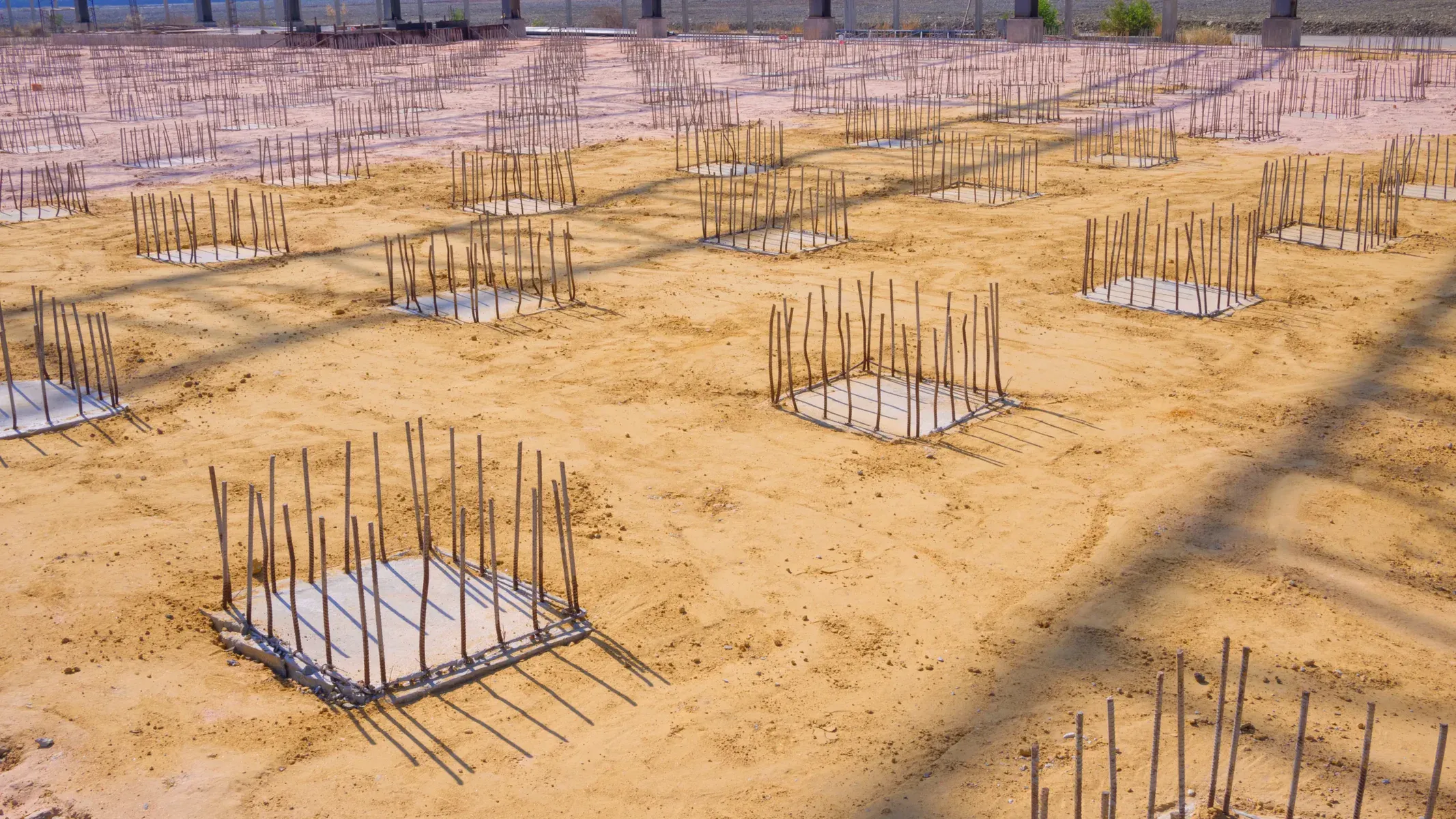
Understanding Foundation Repair Costs in the Bay Area
Foundation repair costs in the San Francisco Bay Area generally range from 3,500 dollars to over 50,000 dollars, with most residential projects averaging between 8,000 dollars and 15,000 dollars. Final expenses depend heavily on soil stability, localized structural failure, and necessary engineering interventions across high-cost counties like San Francisco, San Mateo, and Santa Clara.
In our field experience working across northern California, local labor rates in urban centers push baseline costs roughly 40 to 60 percent higher than national standards. A foundational stabilization scope that runs 5,000 dollars in rural valleys quickly elevates to 8,000 dollars in municipal Bay Area neighborhoods due to permitting demands and tight spatial access.
Budgeting for these projects requires looking beyond initial contractor bids. Homeowners must account for specific soil conditions, structural design types, and potential hidden site remediation steps to avoid major financial surprises.
Geologic Drivers of Bay Area Foundation Failure
Bay Area foundations primarily fail due to the rapid expansion and contraction of local clay soils during seasonal moisture cycles, amplified by severe regional seismic activity. Unreinforced masonry, unbolted cripple walls, and unstable hillside terrain in Oakland and Marin further compound soil movement, causing differential foundation settlement across older housing stocks.
Much of the Bay Area sits atop montmorillonite-rich expansive clay. Winter rainstorms saturate these clays and cause them to swell, lifting perimeter footings upwards. Conversely, extended summer dry spells cause the soil to shrink and pull away from concrete structures, removing essential bearing support under footings.
Seismic hazards further escalate these soil movements. According to USGS seismic hazard models, the region carries a high probability of significant ground motion across major fault lines over coming decades. Repeated ground motion accelerates cracking in unreinforced concrete and causes weak cripple walls to shear off their foundations.
During a recent structural stabilization project on a steep Berkeley hills lot, we encountered a 1920s craftsman home suffering from 3.5 inches of differential settlement. The combination of saturated clay soils creeping downhill and an unbolted perimeter footing had sheared the cripple wall away from the floor joists. We resolved this complex field issue by installing ten deep helical piers anchored into stable bedrock, followed by tied-back grade beams and complete cripple wall structural bolting.
Common Causes of Foundation Damage
Foundation deterioration stems from expansive soil swelling, seismic shearing, poor site drainage, material decay, and hillside slope instability. Identifying these root causes allows property owners to address structural instability proactively before minor soil movement escalates into catastrophic settlement requiring complete foundation replacement or deep underpinning work.
Subsurface conditions vary wildly within single zip codes across the Bay region. Properties built on reclaimed bay mud or uncompacted artificial fill face heightened liquefaction risks during earthquakes, whereas hillside properties deal with relentless gravitational slope creep.
| Cause | Description | Typical Cost Impact |
|---|---|---|
| Expansive Clay Soil | Soil swells when wet and shrinks when dry, exerting strong hydraulic pressure. | Adds 2,000 to 15,000 dollars for soil stabilization or piering. |
| Seismic Activity | Lateral ground movement cracks aging concrete and displaces cripple walls. | Seismic retrofitting adds 3,000 to 8,000 dollars. |
| Poor Drainage | Water pooling saturates clay or erodes load-bearing subsoil footings. | Drainage correction adds 1,500 to 5,000 dollars. |
| Material Deterioration | Rebar spalling, concrete carbonation, and wood decay weaken floor supports. | Varies from 2,000 to 20,000 dollars based on extent. |
| Hillside Instability | Gravity and downhill soil creep create uneven settlement across slopes. | Adds 20 to 40 percent to total project costs for custom engineering. |
Cost Breakdowns by Repair Method and Problem Severity
Foundation repair expenses vary directly with structural severity, ranging from 500 dollars for minor cosmetic sealing to well over 50,000 dollars for comprehensive underpinning or complete replacement. Moderate issues like polyurethane slab lifting or cripple wall bracing typically demand budgets between 2,500 dollars and 10,000 dollars per installation site.
Cosmetic hairline cracks that exhibit no structural movement require low-cost epoxy resins or polyurethane injections to block moisture intrusion. However, active structural cracks caused by ground displacement demand rigid mechanical reinforcement using carbon fiber straps or steel wall braces.
When differential settlement causes perimeter footings to sink, deep foundation underpinning becomes mandatory. Contractors drive steel push piers or helical piers beneath the structure until reaching load-bearing strata or bedrock, restoring structural support.
| Repair Type | Typical Bay Area Cost | When It Is Needed |
|---|---|---|
| Hairline Crack Sealing | 500 to 1,500 dollars | Minor settling without ongoing structural movement. |
| Epoxy or Polyurethane Injection | 1,200 to 4,000 dollars | Active wall or slab cracks up to one-quarter inch wide. |
| Carbon Fiber Reinforcement | 3,000 to 10,000 dollars | Bowing or leaning foundation walls under lateral earth pressure. |
| Cripple Wall Bolting and Bracing | 3,000 to 8,000 dollars | Pre-1980 raised foundations requiring seismic mitigation. |
| Polyfoam Slab Lifting | 2,500 to 8,000 dollars | Sunken, unlevel concrete floor slabs. |
| Steel Push or Helical Piers | 10,000 to 25,000 dollars | Significant localized settlement requiring deep anchoring. |
| Comprehensive Underpinning | 15,000 to 50,000+ dollars | Widespread settlement requiring structural lifting. |
| Full Foundation Replacement | 30,000 to 100,000+ dollars | Severe concrete degradation or complete structural failure. |
Foundation Repair Expenses by Structural Type
The underlying construction format of your home heavily dictates the repair techniques required and the overall financial investment. Repairing post-and-pier or crawl space systems costs between 3,000 dollars and 15,000 dollars, whereas repairing unreinforced brick foundations or full basements can exceed 50,000 dollars due to complex excavation needs.
Victorian and Edwardian homes throughout San Francisco and Oakland frequently feature unreinforced brick or original post-and-pier foundations. These legacy systems lack modern steel rebar reinforcement and require extensive structural retrofitting or full conversion to concrete perimeter footings to pass modern safety codes.
Mid-century suburban developments in the South Bay rely heavily on concrete slab-on-grade construction. While immune to crawl space wood rot, these slabs crack easily under expansive soil pressure, requiring specialized slab lifting or interior piering.
| Foundation Type | Common Bay Area Locations | Typical Repair Cost Range | Key Considerations |
|---|---|---|---|
| Post and Pier | Oakland, Berkeley, SF Victorians | 3,000 to 15,000 dollars | High risk of wood rot, pest decay, and seismic instability. |
| Concrete Slab on Grade | San Jose, Santa Clara, Fremont | 5,000 to 25,000 dollars | Prone to soil heave; interior piering disrupts interior flooring. |
| Concrete Stem Wall | San Mateo, Concord, Walnut Creek | 4,000 to 20,000 dollars | Frequent shear cracking at wall-to-slab connection joints. |
| Raised Perimeter Foundation | Mid-century homes region-wide | 6,000 to 30,000 dollars | Cripple wall bracing and foundation bolting frequently required. |
| Full Basement Foundation | San Francisco, Older East Bay | 10,000 to 50,000+ dollars | Hydrostatic pressure causes bowing walls and severe water leaks. |
| Unreinforced Brick or Stone | Historic San Francisco districts | 15,000 to 100,000+ dollars | Brittle mortar usually demands complete concrete replacement. |
Project Costs Scaled by Square Footage
Foundation repair pricing generally scales between 1.50 dollars and 12.00 dollars per square foot of total footprint area, though complex structural remediations push unit rates significantly higher. Fixed contractor mobilization fees and specialized machinery setup costs often create higher per-square-foot baseline expenses for smaller footprint residential structures.
Larger residential properties require a greater volume of structural materials, such as additional pier locations or expanded polyurethane injections. However, the unit cost per pier or linear foot of concrete often decreases as project size scales.
Tight urban footprints in San Francisco or hillside lots in Marin complicate equipment access. Restricted machinery movement increases manual labor hours, effectively raising per-square-foot costs regardless of total floor space.
| Home Square Footage | Estimated Repair Cost Range | Average Cost Per Square Foot |
|---|---|---|
| Up to 1,000 sq ft | 1,500 to 12,000 dollars | 1.50 to 12.00 dollars |
| 1,000 to 1,500 sq ft | 2,250 to 18,000 dollars | 1.50 to 12.00 dollars |
| 1,500 to 2,000 sq ft | 3,000 to 24,000 dollars | 1.50 to 12.00 dollars |
| 2,000 to 2,500 sq ft | 3,750 to 30,000 dollars | 1.50 to 12.00 dollars |
| 2,500 to 3,500 sq ft | 5,000 to 42,000 dollars | 1.50 to 12.00 dollars |
| Over 3,500 sq ft | 7,500 to 50,000+ dollars | 1.50 to 12.00+ dollars |
Sub-Regional Cost Variations Across the Bay Area
Local labor rates, municipal permitting fees, and distinct geological conditions create notable price disparities across different Bay Area jurisdictions. Projects in San Francisco and San Mateo County consistently occupy the upper pricing tiers due to dense urban access constraints, while inland East Bay regions yield comparatively moderate baseline labor rates.
San Francisco contractors face severe parking restrictions, narrow street clearances, and rigorous historic preservation rules. These overhead factors drive operational expenses substantially higher than suburban repair projects in Contra Costa County.
Soil geography also dictates regional pricing. Cities bordering the bay flats contend with water-saturated silt requiring deep pier installations, whereas inland cities battle aggressive seasonal clay movement.
| Location | Minor Repairs | Moderate Repairs | Major Repairs | Key Cost Drivers |
|---|---|---|---|---|
| San Francisco | 1,500 to 5,000 dollars | 8,000 to 20,000 dollars | 25,000 to 100,000+ dollars | Elevated labor fees, historical structure codes, strict parking access. |
| Oakland and East Bay | 1,000 to 4,000 dollars | 6,000 to 18,000 dollars | 20,000 to 80,000 dollars | Expansive hill clay, pre-1950 wood post foundations. |
| Peninsula (San Mateo, Palo Alto) | 1,200 to 4,500 dollars | 7,000 to 20,000 dollars | 22,000 to 90,000 dollars | High property values, stringent city permit engineering reviews. |
| South Bay (San Jose, Santa Clara) | 1,000 to 4,000 dollars | 6,000 to 17,000 dollars | 18,000 to 70,000 dollars | Alluvial soils, wide suburban lot access, moderate labor fees. |
| North Bay (Marin, Sonoma) | 1,200 to 4,500 dollars | 7,000 to 19,000 dollars | 22,000 to 85,000 dollars | Steep hillside slumping, active landslide risk zones. |
| Contra Costa (Walnut Creek, Concord) | 1,000 to 3,800 dollars | 5,500 to 16,000 dollars | 18,000 to 65,000 dollars | Deep drought clay cracking, moderate city permit costs. |
Foundation Repair versus Complete Replacement
Choosing between repairing and replacing a foundation hinges on whether structural damage is localized or systemic throughout the concrete matrix. Localized crack injection or piering costing 3,000 dollars to 15,000 dollars solves targeted settlement, while full replacement costing 20,000 dollars to 100,000 dollars becomes mandatory when structural concrete degrades beyond repair.
We recommend targeted structural repairs when foundation walls retain structural integrity and settlement is confined to specific spans. Installing localized piers stabilizing isolated load points saves property owners tens of thousands of dollars while fully restoring structural safety.
Full replacement is necessary when old concrete crumbles from aggregate decay, unreinforced masonry fails completely, or room additions require an entirely modern foundation footprint. Replacing the foundation involves shoring up the house structure on temporary stilts, excavating old footings, and pouring a brand-new reinforced concrete system.
| Factor | Foundation Repair | Foundation Replacement |
|---|---|---|
| Average Bay Area Cost | 3,000 to 15,000+ dollars | 20,000 to 100,000+ dollars |
| Project Timeline | 1 to 5 days | 4 to 8 weeks |
| Site Disruption | Moderate; occupants usually stay inside | Severe; temporary house lifting and excavation |
| Scope of Work | Targets localized structural failure | Removes and rebuilds total concrete system |
| Seismic Upgrade Level | Addresses specific structural joints | Full compliance with current seismic codes |
| System Lifespan | 10 to 25+ years depending on method | 75 to 100+ years |
| Best Application | Localized settling, isolated wall cracking | Friable old concrete, massive systemic failure |
Hidden Expenses and Ancillary Project Costs
Surprise expenses frequently expand foundation budgets beyond initial contractor estimates due to mandatory structural engineering, soil testing, permit requirements, and landscape restoration. Homeowners must account for these secondary factors from the outset, budgeting an additional 20 percent contingency reserve to handle unforeseen subsurface conditions during excavation.
Engineering Reports and Municipal Permitting
California building codes require certified structural engineering plans before issuing permits for major foundation alterations. Independent structural engineering inspections range from 500 dollars to 1,500 dollars, providing essential blueprints that guide contractor operations. Municipal permit application fees add another 500 dollars to 3,000 dollars depending on local city fee schedules.
Geotechnical Soil Inspections
Properties built on unstable hillsides or expansive clay zones often require deep soil sampling from a geotechnical engineering firm. Geotechnical investigations cost between 2,000 dollars and 5,000 dollars. The resulting borehole data dictates required pier depths and confirms soil bearing capacity for municipal building inspectors.
Site Drainage and Hardscape Restoration
Excavation equipment disrupts nearby landscaping, brick patios, concrete walkways, and irrigation lines. Restoring hardscaping after structural work adds 1,000 dollars to 5,000 dollars to overall spending. Correcting underlying drainage issues by installing French drains or catch basins costs an additional 1,500 dollars to 5,000 dollars.
Temporary Relocation Costs
While minor piering lets residents remain safely at home, full foundation replacement requires lifting the residence off its footings and disconnecting utilities. Renting temporary housing in the Bay Area market during a four-to-eight-week build costs between 3,000 dollars and 15,000 dollars.
Financing Strategies and Government Grants
Funding a foundation repair project can be managed through home equity lines of credit, specialized rehabilitation loans, personal lines, or dedicated state mitigation programs. Qualified pre-1980 home retrofits may receive financial assistance up to 3,000 dollars through state grants designed to bolster crawl space resilience against major seismic events.
Homeowners can lower seismic vulnerability expenses through official state programs. The California Earthquake Authority partners with state agencies to administer seismic retrofit grants, helping qualifying property owners bolt frame walls to footings and brace cripple walls.
For larger structural repair projects, home equity lines of credit (HELOCs) often provide lower interest rates than unsecured personal loans. Some local Bay Area municipalities also manage specialized housing rehabilitation loan programs offering low-interest financial assistance to lower-income property owners.
| Financing Option | Typical Terms | Best For | Key Considerations |
|---|---|---|---|
| HELOC or Home Equity Loan | 5 to 30 years, fixed or variable | Major structural repair or replacement | Uses home as collateral; tax deductible options exist. |
| Unsecured Personal Loan | 2 to 7 years, higher fixed rates | Moderate piering or crack repair | Fast funding approval without putting home equity at risk. |
| Specialty Contractor Financing | Terms vary by third-party lender | Quick emergency structural fixes | Compare APR terms against traditional institutional bank loans. |
| FHA 203(k) Rehabilitation Loan | Up to 30-year mortgage terms | Buying property needing foundation work | Involves strict federal approval processes and inspector sign-offs. |
| Earthquake Brace + Bolt Grant | Grants up to 3,000 dollars | Seismic retrofitting on raised foundations | Restricted to specific zip codes and pre-1980 home designs. |
Insurance Coverage Limitations for Foundation Damage
Standard homeowners insurance policies explicitly exclude foundation settlement, soil expansion, and earth movement, leaving property owners responsible for most structural repairs. Coverage applies only in rare instances involving sudden plumbing bursts or covered perils, making separate earthquake insurance endorsements necessary to cover major seismic failure.
When structural movement stems from a sudden interior pipe rupture, standard homeowner policies may cover the tear-out and repair of the affected concrete section. However, gradual wear, tree root intrusion, and natural clay expansion are categorized as uninsurable maintenance items.
Stand-alone earthquake insurance policies cover major structural loss resulting from seismic ground shaking. However, these policies feature high deductibles—typically 10 to 20 percent of the total dwelling policy limit—meaning minor foundation cracks fall well below the coverage threshold.
Strategic Budgeting Framework for Homeowners
Effective financial planning for foundation work requires establishing a dedicated home maintenance reserve, securing at least three engineered estimates, and factoring in a 20 percent emergency contingency. Allocating 1 to 3 percent of home value annually ensures capital availability when structural remediation becomes necessary for property preservation.
Establishing Maintenance Reserves
Financial guidelines recommend reserving 1 to 3 percent of a home’s total property valuation annually for long-term structural maintenance. Given Bay Area home values averaging 1,200,000 dollars, homeowners should target an annual structural reserve of 12,000 dollars to 36,000 dollars to comfortably handle structural upkeep.
Securing Engineered Estimates
Request comprehensive bids from at least three licensed specialty contractors. Every estimate should clearly specify exact installation methods, steel tier grades, concrete psi strengths, project completion timelines, and warranty terms. Be extremely cautious of abnormally low bids, as they often omit necessary municipal permit fees or structural engineering sign-offs.
Implementing Phased Repair Work
When facing extensive structural scope across multiple foundation walls, work with an engineer to phase the repairs. Prioritize structural stabilization—such as driving push piers along heavily settled exterior walls—while deferring interior concrete floor slab leveling to a secondary phase.
Contingency Reserve Allocation
Subsurface excavation routinely reveals hidden conditions, including deteriorated original footings, buried abandoned utility lines, or shallow bedrock formations. Maintain an emergency cash reserve equal to 20 percent of the primary contractor estimate to cover unexpected change orders smoothly.
Critical Warning Signs Requiring Immediate Inspection
Warning signs such as diagonal wall cracks exceeding one-quarter inch, sticking doors, floor slopes exceeding one inch across 20 feet, and water accumulation warrant urgent evaluation. Ignoring active structural movement exponentially increases repair costs as localized settlement progresses into widespread frame distortion and masonry destabilization.
Visual indicators around your home perimeter and interior space signal active foundation movement:
- Structural sheetrock cracks wider than one-quarter inch running diagonally from door or window corners.
- Window sashes and door frames binding, sticking, or failing to latch tightly within openings.
- Visible floor gaps separating baseboard trim from interior hardwood or tile flooring.
- Noticeable floor slopes exceeding one inch of drop across a 20-foot distance.
- Exterior brick or chimney structures tilting visibly away from interior wall framing.
- Standing water accumulating near crawl space footings after winter precipitation events.
Prompt professional evaluation stops minor soil settlement from turning into structural collapse. Early structural intervention using targeted piers saves thousands of dollars compared to delayed total foundation reconstruction.
Selecting a Qualified Bay Area Foundation Contractor
Selecting an expert foundation contractor involves validating state licensing, verifying structural engineering credentials, inspecting past municipal project records, and confirming transferable warranty coverage. Homeowners should insist on written project timelines and comprehensive insurance verification before signing agreements or commencing earthwork on their properties.
Follow this sequential verification process when hiring a foundation contractor:
- Verify the contractor holds an active Class A (General Engineering) or C-61/D-30 (Specialty) license through the California Contractors State License Board.
- Confirm the firm maintains valid general liability and workers’ compensation insurance policies suitable for heavy structural excavation.
- Review recent structural project permits completed by the contractor within your specific city or municipality.
- Request an independent structural engineering plan or review before signing binding construction agreements.
- Obtain written confirmation that project warranties are fully transferable to future property buyers upon home sale.
- Confirm who handles local municipal permit filing and manages required site inspection schedules.
Long-Term Maintenance to Preserve Structural Integrity
Preserving repair investments requires active drainage control, consistent soil moisture management near footings, routine visual inspections, and strategic tree root barrier installations. Maintaining continuous gutter systems and directing downspouts away from footings prevents localized soil saturation and subsequent differential foundation movement around home perimeters.
Moisture Consistency Management
Expansive clay soils require balanced moisture exposure throughout dry summer months to prevent shrink-swell damage. Running soaker hoses positioned 18 to 24 inches away from perimeter footings during extended dry seasons stabilizes moisture levels and prevents severe clay shrinkage under your home.
Perimeter Drainage Control
Direct roof runoff away from concrete footings by extending downspouts at least five feet away from perimeter foundation walls. Ensure the surrounding landscape grade slants downhill away from structural concrete at a minimum slope of six inches across the first ten feet.
Systematic Visual Inspections
Walk your home’s exterior perimeter every six months to check for newly developing concrete cracks or widening existing joints. Take clear digital photographs alongside measuring tapes to track hairline crack movement over time.
Vegetation and Root Control
Large, water-hungry trees planted too close to foundations pull massive amounts of water from expansive clay, causing localized soil collapse. Plant large tree species at least 20 feet away from perimeter footings or install root barrier shields to protect structural concrete.
Conclusion
Budgeting for Bay Area foundation repairs requires a thorough understanding of regional geology, home design factors, and structural repair methodology options. By addressing early structural warning signs and securing engineered solutions, property owners protect both their household safety and long-term asset value in California’s high-demand housing market.
Navigating structural repairs successfully requires balancing immediate repair expenses against long-term property stability. Proactive drainage improvements, timely seismic retrofits, and routine structural maintenance defend your home against complex soil dynamics. Partnering with engineered specialty contractors ensures your property remains safe, secure, and financially protected for decades to come.
Frequently Asked Questions
How much does a typical foundation inspection cost in the Bay Area?
A professional foundation inspection in the Bay Area typically costs between 300 dollars and 750 dollars for a standard residential property. Structural engineering inspections that include formal written repair plans and stamped calculations cost between 500 dollars and 1,500 dollars depending on home complexity.
Does home insurance cover foundation repair costs from expansive clay?
Standard homeowners insurance policies do not cover foundation repairs caused by expansive clay soils or ground settling. Home insurance policies specifically exclude earth movement, soil expansion, and gradual structural wear, leaving repair costs to the property owner.
How long do structural foundation repairs take to complete?
Most residential foundation repair projects require between two and five days of active field work to complete. Minor crack injections or slab lifting take one to two days, while deep pier underpinning or seismic cripple wall retrofitting typically requires three to five days on site.
Can I live in my Bay Area home while foundation repairs are underway?
You can remain inside your home during most standard foundation repairs, including helical pier installations and minor crack injections. However, complete foundation replacements or major structural lifts require temporary relocation for safety and utility disconnects.
What is the difference between mudjacking and polyfoam slab lifting?
Mudjacking uses a heavy cement slurry to lift concrete, whereas polyfoam slab lifting injects an expanding polyurethane foam. Polyfoam requires significantly smaller access holes, cures within minutes, and adds far less weight to unstable expansive clay soils underneath sunken slabs.
Sources
- U.S. Geological Survey (USGS) Seismic Hazard and Earthquake Hazards Program: https://earthquake.usgs.gov
- California Earthquake Authority (CEA) Retrofit Programs and Mitigation Grants: https://www.earthquakeauthority.com
- California Contractors State License Board (CSLB): https://www.cslb.ca.gov
Related Articles
Gold Bay Foundation
What’s The Average Cost To Repair A Foundation?
Understanding Old House Foundation Types: Essential Insights For Homeowners
Foundation Repair Vs. Replacement: A Decision Guide For Bay Area Homeowners
Pier and Beam Foundation Repair Services in Contra Costa County, CA
How To Read A Foundation Report?
People Also Ask
The cost to repair a foundation in the Bay Area varies widely based on the damage type and property size. For homes in Walnut Creek and Contra Costa County, minor crack repairs can range from $500 to $1,500, while major piering or underpinning projects may cost between $5,000 and $15,000 or more. Soil conditions in this region, including expansive clay, often influence the scope of work. For a detailed breakdown of seasonal factors affecting these expenses, we recommend reviewing our internal article titled Bay Area’s Seasonal Guide To Foundation Maintenance. Golden Bay Foundation Builders always advises getting multiple professional inspections to ensure an accurate estimate for your specific foundation type.
The cost to fix foundation problems in a house varies widely based on the severity of the issue, the type of repair needed, and the size of the home. For minor cracks or settling, simple epoxy injections or slab jacking can range from $500 to $3,000. More extensive repairs, such as installing steel piers or helical piers for major sinking, often cost between $5,000 and $15,000 or more. For a comprehensive breakdown of costs for a typical home, we recommend reading our internal article titled How Much Does A 2000 Square Foot Foundation Cost?. At Golden Bay Foundation Builders, we always advise homeowners to get a professional structural inspection first, as an accurate diagnosis is critical for both safety and budgeting.
It is generally unlikely that a standard homeowners insurance policy will cover foundation repair. Most policies specifically exclude damage caused by earth movement, such as settling, shifting, or expansive soil, which are the most common causes of foundation issues in Walnut Creek and Contra Costa County. Coverage is typically limited to sudden and accidental events, like a burst pipe that floods your foundation, or damage from a fire or fallen tree. For long-term problems like cracks from soil expansion or poor compaction, the repair cost is the homeowner's responsibility. Before filing a claim, it is crucial to review your specific policy and consult with your agent. For professional guidance on navigating this process, our internal article titled 'Foundation Repair Warranties And California Homeowner Legal Rights' provides essential insights. You can access it here: Foundation Repair Warranties And California Homeowner Legal Rights.
For homeowners in the Walnut Creek and Contra Costa County area, budgeting for foundation repairs requires careful consideration of local soil conditions and structural needs. Typical costs can range from a few thousand dollars for minor crack injections to over $20,000 for more extensive piering or underpinning work. A thorough inspection is essential to identify the specific cause of damage, such as expansive clay soils or poor drainage. To plan your budget effectively, we recommend consulting our detailed internal article Gold Bay Foundation, which provides a comprehensive breakdown of common repair costs and factors affecting pricing in our region. Golden Bay Foundation Builders always advises obtaining multiple, detailed bids to ensure you are comparing like-for-like scopes of work.