

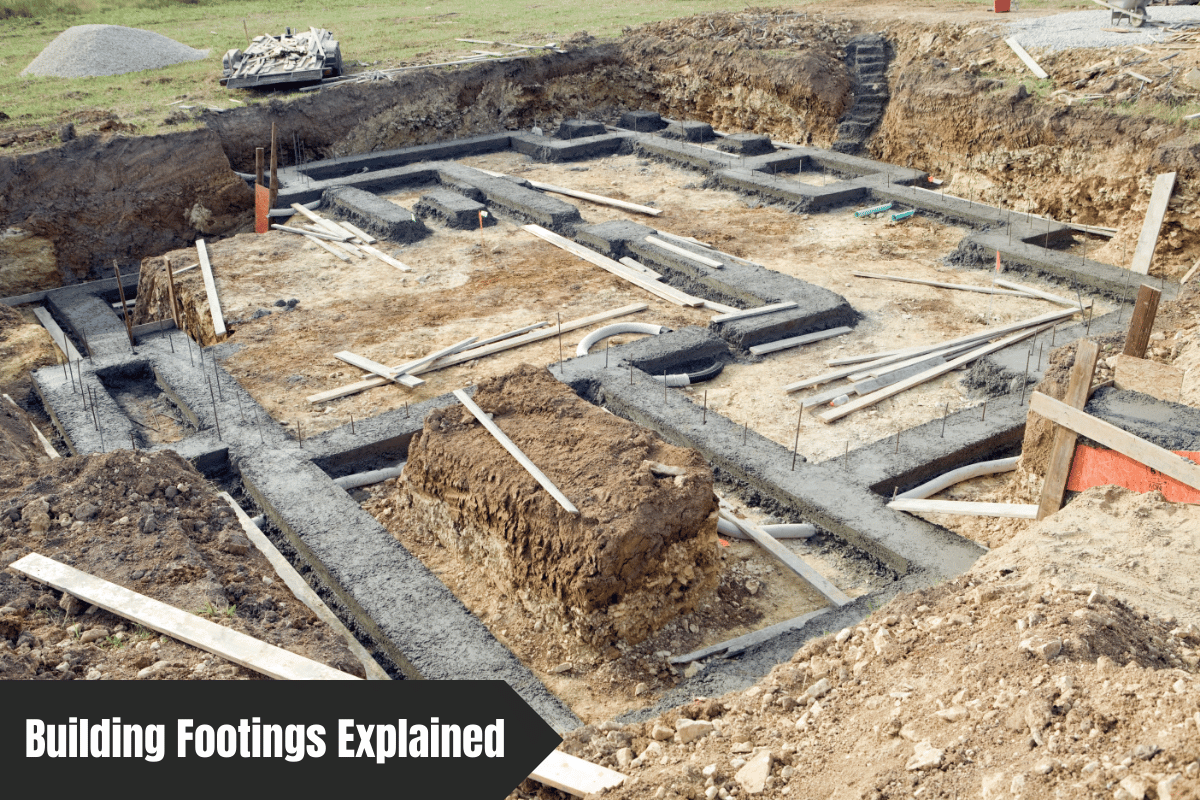
Let’s be honest, we don’t spend a lot of time thinking about our home’s foundation… until we have to. That’s usually when a mysterious crack appears in the drywall, a door suddenly refuses to close, or the floor starts to feel like a funhouse attraction. If you’re in the East Bay, staring at a cracked wall and wondering what your next move is, you’ve found your people. We’ve been there, both as homeowners and as the folks who fix these problems for a living. So, grab a coffee, and let’s have a real talk about what’s happening under your feet.
The Silent Language of Your Foundation
Your foundation is basically the silent, stoic grandparent of your house—holding everything together without much fuss. But when it starts to speak, we better listen. Those signs aren’t just cosmetic nuisances; they’re clues.
- Sticking doors and windows that used to work fine.
- Cracks in drywall, especially where walls meet ceilings or around door frames.
- Sloping or noticeably uneven floors (the marble test never lies).
- Gaps between baseboards and the floor.
Seeing one of these doesn’t automatically mean you need a second mortgage for repairs. But ignoring them is like ignoring a check engine light because the radio still works. It usually doesn’t get better on its own. This is where a professional foundation inspection becomes your best friend. It’s the equivalent of getting a clear diagnosis before you panic.
Why Our East Bay Soil Loves to Shake Things Up
Okay, let’s get local. If you’re in Oakland, Berkeley, Walnut Creek, Concord, or Clayton, your foundation has a unique set of challenges. We’re not just talking about the obvious seismic activity, though that’s a huge part of the conversation (more on that in a sec). The real daily drama comes from our soil.
Much of the soil here is expansive. Think of it like a sponge that swells when it’s wet and shrinks when it’s dry. This seasonal dance creates constant movement under your home. One year of heavy rain followed by a drought can put more stress on your foundation than a decade somewhere with stable ground. This is the core reason soil stabilization services are such a critical first line of defense. It’s about managing the stage before the performer (your house) starts to stumble.
And then there’s the big one: earthquakes. Living here means accepting that the ground might decide to tango. A seismic retrofit isn’t just a fancy upgrade; for many older homes, it’s a vital reinforcement. Programs like Earthquake Brace and Bolt can even help with the cost, which is a fantastic resource. But IMO, viewing retrofit work as just “bolting” is a bit short-sighted. It’s part of a holistic approach to making your entire foundation system resilient.
A Quick Guide to Common Foundation Types & Their Quirks
Not all foundations are created equal. The repair your neighbor in Berkeley needs for their post and pier foundation might be totally different from what a Walnut Creek home on a slab requires. Here’s a down-and-dirty breakdown:
| Foundation Type | Common in East Bay For… | Typical “Achilles Heel” | Often Needs… |
|---|---|---|---|
| Post and Pier | Older homes, hillside properties | Wood rot, pest damage, shifting piers | Crawl space repair, pier replacement, seismic retrofit |
| Concrete Stem Wall | A huge number of tract homes | Cracking from soil movement, water intrusion | Concrete stem wall repair, foundation underpinning |
| Slab-on-Grade | Modern construction | Cracks directly in slab, poor drainage | Slab jacking, soil stabilization services |
| Floating Foundation | Areas with very poor soil conditions | Complexity, requires expert design/install | Specialized foundation inspections & maintenance |
See? Knowing what you’re working with is half the battle. For example, if you have a post and pier home, a lot of your issues might be solved with strategic crawl space repair and adding proper bracing. But a concrete stem wall with horizontal cracks is telling a much more urgent story.
So, You Need Repairs: Demystifying the Process & Price
Alright, let’s talk about the elephant in the room: cost. We get it. “Foundation repair” can sound like a blank check. But a reputable foundation contractor won’t treat it that way. The price should be a direct reflection of a clear, diagnosed problem and a specific solution.
Here’s how a good process works, and yes, it’s the one we use at Golden Bay Foundation Builders:
- The Inspection & Honest Assessment: We come out, look at everything—inside, outside, crawl space—and tell you exactly what we see. No horror stories, no pressure. Just facts. Is it active movement or an old, settled crack? We’ll differentiate.
- The Tailored Solution: We never start with the solution. We start with the problem. Maybe you only need concrete stem wall repair on one corner. Perhaps your entire perimeter needs foundation underpinning services (which is a fancy way of saying we add new, deeper support to stabilize the existing foundation). The fix should match the flaw.
- Clear Communication & The Quote: You’ll get a detailed scope of work explaining why we’re recommending each step. No jargon, just plain English. This transparency is what turns a scary project into a manageable one.
FYI, searching “foundation repair near me” will get you a million results. The key is finding a local expert who understands the specific soil and seismic conditions of Concord versus Clayton. That hyper-local knowledge affects everything from the repair method to the materials we use.
Why Choosing the Right Local Team is Everything
This isn’t just a sales pitch; it’s a lesson learned from seeing botched jobs. Foundation work is permanent. You don’t get a redo without spending double. So, choosing your contractor is the most important decision you’ll make.
We built Golden Bay Foundation Builders in The Bay Area because we’re passionate about fixing homes right the first time. We live here too. We deal with the same soil, the same seismic codes, and the same desire to keep our families safe. When you work with us, you’re not getting a fly-by-night crew; you’re getting neighbors who are invested in the longevity of your home and who stand behind their work for the long haul. If you’re seeing warning signs, give us a call for a straightforward assessment. Let’s make sure your foundation is speaking a language of stability, not distress.
Your Top Foundation Questions, Answered
Q: How do I know if a crack in my wall is serious?
A: Width and direction are key. Hairline vertical cracks are often just settling. Horizontal cracks or stair-step cracks in brick/masonry are more serious. Any crack wider than 1/4 inch, or one that’s growing, warrants a professional foundation inspection immediately. When in doubt, get it checked out.
Q: Will foundation repair increase my home’s value?
A: Absolutely, and in two ways. First, it fixes a major structural defect, which is a huge red flag for buyers. Second, completed repairs with a transferable warranty demonstrate that the home has been properly maintained. It’s one of those few repairs that directly protects and enhances your investment.
Q: How long does a typical foundation repair project take?
A: It varies wildly. A simple crawl space repair or brace installation might take a day or two. A full foundation underpinning project on a perimeter could take a week or more. The good news? For most interior repairs, you can usually stay in your home. A good contractor will minimize disruption and keep you informed every step of the way.
At the end of the day, your foundation is the literal groundwork for everything you love about your home. Taking care of it isn’t a cost; it’s the ultimate form of home maintenance. Let’s keep our East Bay homes standing strong and level for the long run 🙂