

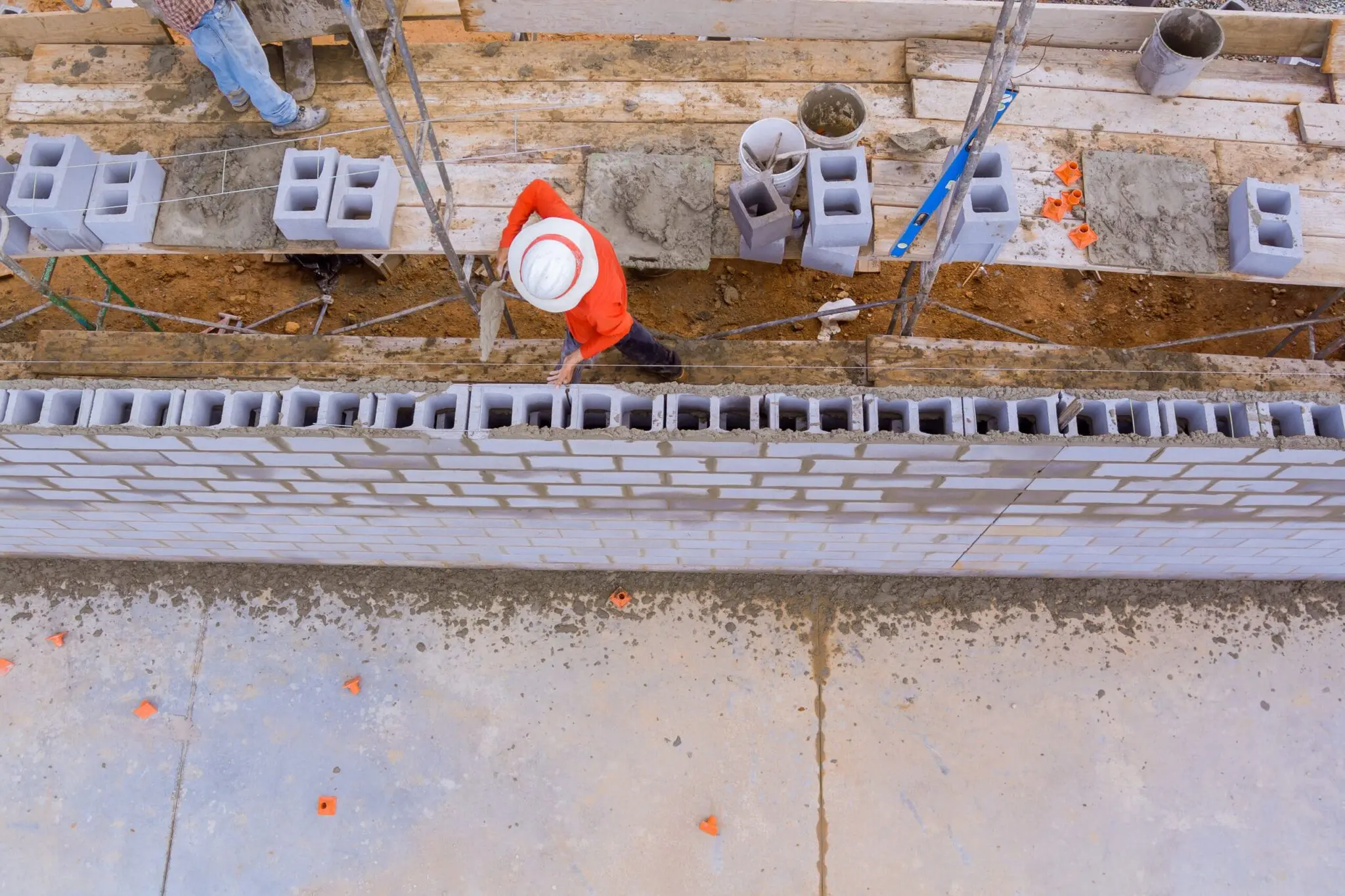
Ever notice how the one thing we never think about is the thing holding everything else up? We obsess over kitchen remodels and paint colors, but that slab of concrete or network of beams in the dark below our feet? Out of sight, out of mind. Until it isn’t. Until a door starts sticking, a crack meanders up a wall, or the floor develops a slope worthy of a mini-golf course. Then, suddenly, our home’s foundation becomes the only thing we can think about. Let’s talk about what’s really going on down there, why it matters, and what we can do when things go sideways.
Getting to Know Your Home’s Underground Handshake
First things first, not all foundations are created equal. The type you have depends heavily on when and where your house was built, and the soil it’s trying to shake hands with. Understanding this is step one to knowing what might go wrong.
The Common Players in Our Neighborhood
Around here in the East Bay, we see a fascinating mix. In older, charming neighborhoods in Oakland and Berkeley, you’ll often find post and pier foundation homes. They’re like a house on stilts, with wood posts or concrete piers holding up the beams. Great for ventilation, not always so great for lateral stability when the ground gets jiggly.
Then we have the classic floating foundation, or slab-on-grade. It’s a thick concrete pad poured directly on the ground. Simple, cost-effective, and common in many mid-century Walnut Creek and Concord tracts. But when the soil beneath it moves, the slab moves too, often resulting in those lovely cracked walls we all dread.
For hillside homes or areas with more challenging soil, builders often use a concrete stem wall. It’s a short concrete wall that forms a perimeter, with a floor slab inside it. It’s a sturdy option, but the stem wall itself can suffer from shear cracks or bowing if the pressure from the outside soil gets too intense.
The Silent Forces Working Against Your Foundation
So, what’s the enemy? Spoiler alert: it’s usually the ground itself. We’re not just talking about earthquakes, though that’s a big one here. The daily, seasonal, and yearly dance of our soil does most of the damage.
- Expansive Clay Soil: This is the big one for Clayton to Concord and beyond. This soil acts like a sponge, swelling when it’s wet and shrinking as it dries. This constant expansion and contraction literally pushes and pulls on your foundation, creating stress fractures and uneven settling.
- Poor Drainage: If water isn’t being directed away from your home, it’s pooling around your foundation. Saturated soil loses its strength, leading to sinking, or in the case of clay, that aggressive swelling we just mentioned.
- Seismic Activity: Okay, yes, the earthquakes. Our area doesn’t mess around. A foundation without a proper seismic retrofit is like a bookcase not bolted to the wall—it can wobble, slide, or even topple when the big one hits.
FYI, the state’s Earthquake Brace and Bolt program is a fantastic resource to help offset the cost of retrofitting older homes, and it’s something we at Golden Bay Foundation Builders help homeowners navigate all the time.
The “Uh-Oh” Signs: When to Stop Ignoring the Basement
How do we know when our casual observation turns into a “we need to call someone” situation? Some signs are subtle, others are, well, not.
- Diagonal cracks at the corners of doors and windows.
- Floors that are visibly sloping or feel bouncy.
- Doors and windows that suddenly refuse to open or close smoothly.
- Gaps between baseboards and the floor or the ceiling and walls.
- Chimneys or porch steps that are separating from the house.
Seeing one small, hairline crack might not be a five-alarm fire. But a pattern of these issues? That’s your house sending an SOS. This is exactly when a professional foundation inspection is worth its weight in gold. Trying to diagnose this yourself is like performing surgery after watching a YouTube tutorial—not recommended.
The Toolbox of Fixes: From Patching to Major Surgery
Alright, so we’ve got problems. What are the solutions? The right fix depends entirely on the problem, the foundation type, and the soil conditions. Here’s a quick breakdown of the common remedies we use every day.
For Settling and Sinking:
- Foundation Underpinning Services: This is the go-to for serious settlement. We install new, deeper supports (like steel push piers or helical piers) down to stable soil to literally lift and stabilize the foundation. It’s major surgery, but it solves the root cause.
- Slabjacking: For sunken concrete slabs, we pump a grout mixture underneath to lift it back to level. It’s less invasive than underpinning for specific issues.
For Integrity and Damage:
- Concrete Stem Wall Repair: Cracked or bowing stem walls often need carbon fiber straps or steel I-beam reinforcements to restore their strength.
- Crawl Space Repair: This can include everything from replacing rotten wood in a post and pier foundation to installing new vapor barriers and drainage systems to control moisture.
For Earthquake Preparedness:
- Seismic Retrofit: This typically involves bolting the house to its foundation and adding plywood shear walls to prevent lateral movement. It’s one of the smartest investments a Bay Area homeowner can make.
Navigating the Maze of Cost and Choosing a Pro
Let’s talk about the elephant in the room: price. We get it. The cost of foundation repair can range from a few thousand dollars for crack sealing and minor soil stabilization services to tens of thousands for full-house underpinning and retrofit.
A Rough Guide to Foundation Repair Considerations
| Service Type | Typical Scope | Key Factors Influencing Cost | Why It Matters |
|---|---|---|---|
| Inspection & Assessment | Professional evaluation, report, repair plan. | Size of home, foundation type, accessibility. | This is your roadmap. Never skip it. |
| Minor Repairs | Crack stitching, drainage correction, minor crawl space repair. | Extent of damage, materials needed. | Addresses symptoms and prevents quick worsening. |
| Major Structural Repair | Foundation underpinning services, seismic retrofit, major concrete stem wall repair. | Number of piers/braces needed, soil conditions, engineering. | Solves the root cause. A major investment in home safety & value. |
| Preventative Measures | Soil stabilization services, perimeter drainage, gutter systems. | Property size, slope, existing water issues. | Far cheaper than repair. The best “insurance” you can buy. |
The final number hinges on the severity, your home’s size, access, and the solutions required. That’s why a detailed inspection from a reputable foundation contractor is non-negotiable. IMO, getting three quotes is wise, but remember: the cheapest price is often the most expensive choice in the long run.
And speaking of contractors, let’s be real about searching “foundation repair near me.” You’ll get a million hits. Look for licensed, insured, local experts with deep knowledge of Oakland hills, Walnut Creek clay, and Berkeley seismicity. Companies like ours, Golden Bay Foundation Builders, live and work here. We see these issues daily, and we’ve built our reputation on fixing them right, not just fast. We’re your neighbors, and we treat your home like it’s our own.
Your Top Foundation Questions, Answered
1. “Are foundation repairs covered by homeowners insurance?”
Usually, no. Standard policies typically exclude damage from settling, soil movement, or earth movement (including earthquakes). They might cover a repair if the damage is a direct, sudden result of a covered peril—like a pipe bursting under the slab and washing out the soil. For earthquake damage, you need a separate earthquake policy. Always check with your agent, but don’t count on it.
2. “How long does a major foundation repair take?”
It varies wildly. A simple crawl space repair or brace installation might take a few days. A full-scale seismic retrofit or underpinning project on a large home could take several weeks. A good contractor will give you a clear timeline and keep you updated every step of the way.
3. “Will fixing my foundation increase my home’s value?”
Absolutely, and in more ways than one. Structurally, it makes your home safer and more sound. Financially, it removes a huge red flag for potential buyers and can be a strong selling point, especially with documentation of a proper seismic retrofit. It also preserves the value you already have by preventing further, more catastrophic damage.
So, what’s the takeaway? Our foundations are dynamic, living systems interacting with a dynamic, living earth. Ignoring them is a gamble. Paying attention to the signs, investing in good inspections, and choosing quality repairs from a trusted local partner like Golden Bay Foundation Builders is how we protect our biggest investment and our family’s safety. Because let’s face it, a wobbly foundation makes for a very stressful housewarming. Give us a call if you want to start the conversation about making your home solid, from the ground up.