

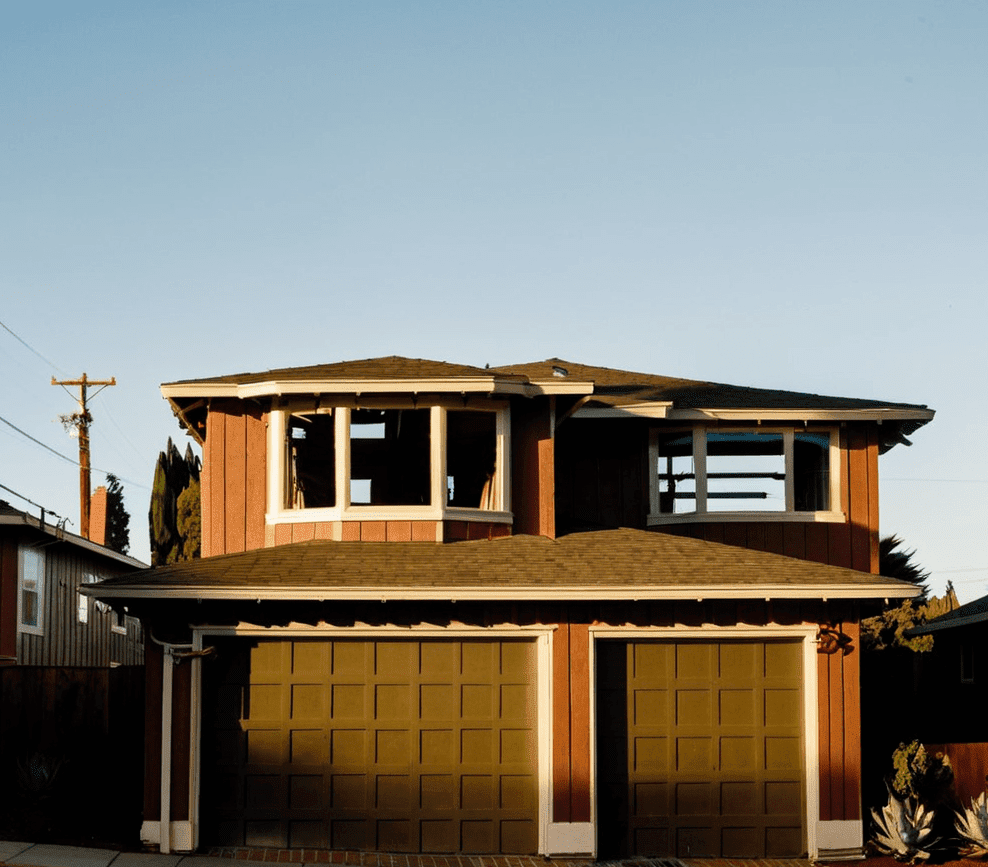
Ever notice how we obsess over the paint color, the kitchen backsplash, or the perfect hardwood floors, but we rarely give a second thought to the one thing holding the entire show together? Yep, we’re talking about the foundation. It’s the silent, stoic workhorse of our homes, and we only seem to remember it exists when something goes spectacularly wrong—like that new, artistic crack in the living room wall that definitely wasn’t there last Tuesday.
Let’s be real, foundation talk isn’t as sexy as browsing faucet fixtures. But understanding what’s under your feet is the difference between a house that stands the test of time and a money pit that slowly eats your savings. We’ve seen it all in our years around Oakland, Berkeley, Walnut Creek, and the wider East Bay. From cracked walls in Clayton to sinking floors in Concord, the story often starts with what we ignore. So, grab a coffee, and let’s have a real chat about what keeps your home upright.
Getting to Know Your Home’s Hidden Superhero
First things first, what kind of foundation do you have? It’s not a one-size-fits-all situation, and each type has its own personality—and its own set of potential dramas.
- The Classic Slab-on-Grade: A thick, concrete pad poured directly on the ground. Simple, low-profile, but it can be a real diva if the soil beneath it decides to move. When it cracks, you know about it.
- The Elevated: Post and Pier Foundation: Common in older Bay Area homes. Think of a forest of concrete or wooden piers holding your house up, with a crawl space in between. Great for access, but those piers can settle or rot over decades.
- The Hybrid: Stem Wall: A concrete perimeter wall (the stem) supports the structure, often with a crawl space or basement inside. Concrete stem wall repair is a common need we see, especially where moisture or seismic shifting comes into play.
Ever wondered why your neighbor’s house might have a different foundation style? A lot of it comes down to the soil stabilization services (or lack thereof) from decades ago and the original builder’s playbook. The soil here in the East Bay can be a real puzzle.
The Usual Suspects: Why Foundations Throw Tantrums
Foundations don’t fail out of spite. Well, mostly. They react to their environment. Here are the big culprits:
- Soil Shenanigans: Expansive clay soil swells when wet and shrinks when dry. It’s like your house is sitting on a slow-motion waterbed. This is a huge deal for us locally and a prime reason for foundation inspections.
- Water, Water Everywhere: Poor drainage is public enemy #1. When water pools around your foundation, it softens the soil, leading to settling or heaving.
- The Big One (And the Little Ones): We live in earthquake country. Seismic retrofit isn’t just a buzzword; it’s essential insurance. A foundation contractor worth their salt will always assess earthquake readiness.
- The March of Time: Materials age, concrete degrades, and wood rots. It’s just physics and biology doing their thing.
So, how do you know if your foundation is sending an SOS? Look for doors that stick, sloping floors, gaps around window frames, and of course, those tell-tale cracked walls. Cracks happen, but the key is knowing which are cosmetic and which are structural red flags.
The Toolbox: How We Fix What’s Underneath
When problems arise, the cost and the solution depend entirely on the diagnosis. Throwing concrete at every problem is like using a sledgehammer to fix a watch. Here’s a peek at the common fixes we use at Golden Bay Foundation Builders:
- Foundation Underpinning Services: This is the major league fix for settling. We install new, deeper supports (like steel piers or concrete pilings) to transfer your home’s weight down to stable soil. It’s surgery for your house.
- Seismic Retrofitting: This includes bolting the house to its foundation and adding earthquake brace and bolt systems to cripple walls in your crawl space. It’s all about keeping the house moving as one unit during a quake.
- Crawl Space Repair & Post and Pier Rejuvenation: This can involve replacing rotten piers, adding new supports, or installing moisture control systems. It’s often the key to fixing uneven floors in older homes.
- Concrete Stem Wall & Slab Repair: For cracks and localized failures, we use epoxy injections, carbon fiber straps, or section replacement to restore strength.
And what about a floating foundation? IMO, that’s a term we hear often, but it’s usually a misunderstanding. In seismic zones, we sometimes use a “floating” or isolated slab for additions to allow independent movement from the main house—a specific fix for a specific challenge.
Navigating the Repair Journey: What to Expect
Alright, so you’ve seen a sign, you’re worried, and you search “foundation repair near me.” What next? Let’s demystify the process.
Step 1: The Inspection is Everything. A thorough foundation inspection from a licensed professional is non-negotiable. They’ll measure settlement, identify causes, and prescribe solutions. Don’t skip this.
Step 2: Understanding the Price Tag. Let’s talk price. Foundation repair isn’t cheap, but it’s an investment in your asset’s value and safety. Costs vary wildly based on:
- The repair method (underpinning vs. crawl space repair).
- The size and accessibility of your home.
- Your location (permitting in Berkeley can differ from Walnut Creek).
Step 3: Choosing Your Partner. This is the big one. You need a foundation contractor with local expertise, proper licensing, and a solid warranty. Look for someone who explains things clearly without fear-mongering. FYI, that’s the ethos we’ve built Golden Bay Foundation Builders on—no scare tactics, just straight talk and proven solutions for East Bay homes.
Your Local Foundation FAQ
We hear these questions all the time. Let’s tackle them head-on.
1. “Is foundation repair covered by homeowners insurance?”
Usually, only if the cause is a sudden, covered “peril” like a burst pipe. Slow settlement due to soil conditions? Almost never. It’s a tough pill to swallow, but it’s better to know upfront.
2. “How long does a major foundation repair take?”
A standard underpinning or seismic retrofit project can take anywhere from a few days to a couple of weeks. Complex jobs take longer. A good contractor will give you a realistic timeline and minimize disruption.
3. “Can I just fix the cracks in my wall and call it a day?”
You can… but it’s like putting a band-aid on a broken arm. If the underlying foundation movement isn’t addressed, those cracks will come back. Always diagnose the root cause first.
A Quick Guide to Common Foundation Types & Concerns
Here’s a handy table to break down what you might be dealing with:
| Foundation Type | Common in Areas Like | Typical Strengths | Common Issues & Repairs |
|---|---|---|---|
| Concrete Slab | Post-WWII suburbs, newer builds | Cost-effective, low maintenance | Cracking from soil movement; requires soil stabilization or slab jacking. |
| Post and Pier | Older Oakland & Berkeley homes | Excellent access, adaptable to slopes | Wood rot, pier settling; needs crawl space repair & pier replacement. |
| Stem Wall | A wide variety of homes | Stable perimeter, accessible interior | Concrete stem wall repair, moisture intrusion, seismic bolting needs. |
Wrapping It Up: Don’t Wait for the Wake-Up Call
Look, we get it. Foundation work isn’t a fun way to spend your home improvement budget. There’s no Pinterest board for steel piers. But think of it as the ultimate act of care for your biggest investment.
Ignoring the signs doesn’t make the problem vanish; it just lets the repair cost grow alongside the damage. Whether you’re in Concord with expansive soil or in the hills of Clayton worrying about seismic safety, being proactive is everything.
If any of this has you nodding along or looking sideways at that hairline crack, just reach out. At Golden Bay Foundation Builders, we live and breathe this stuff. We’re your neighbors, and we’re here to help you understand what’s happening under your home—no jargon, no pressure, just honest advice. Because a solid foundation isn’t just about concrete and steel; it’s about peace of mind. And that, friends, is priceless 🙂