

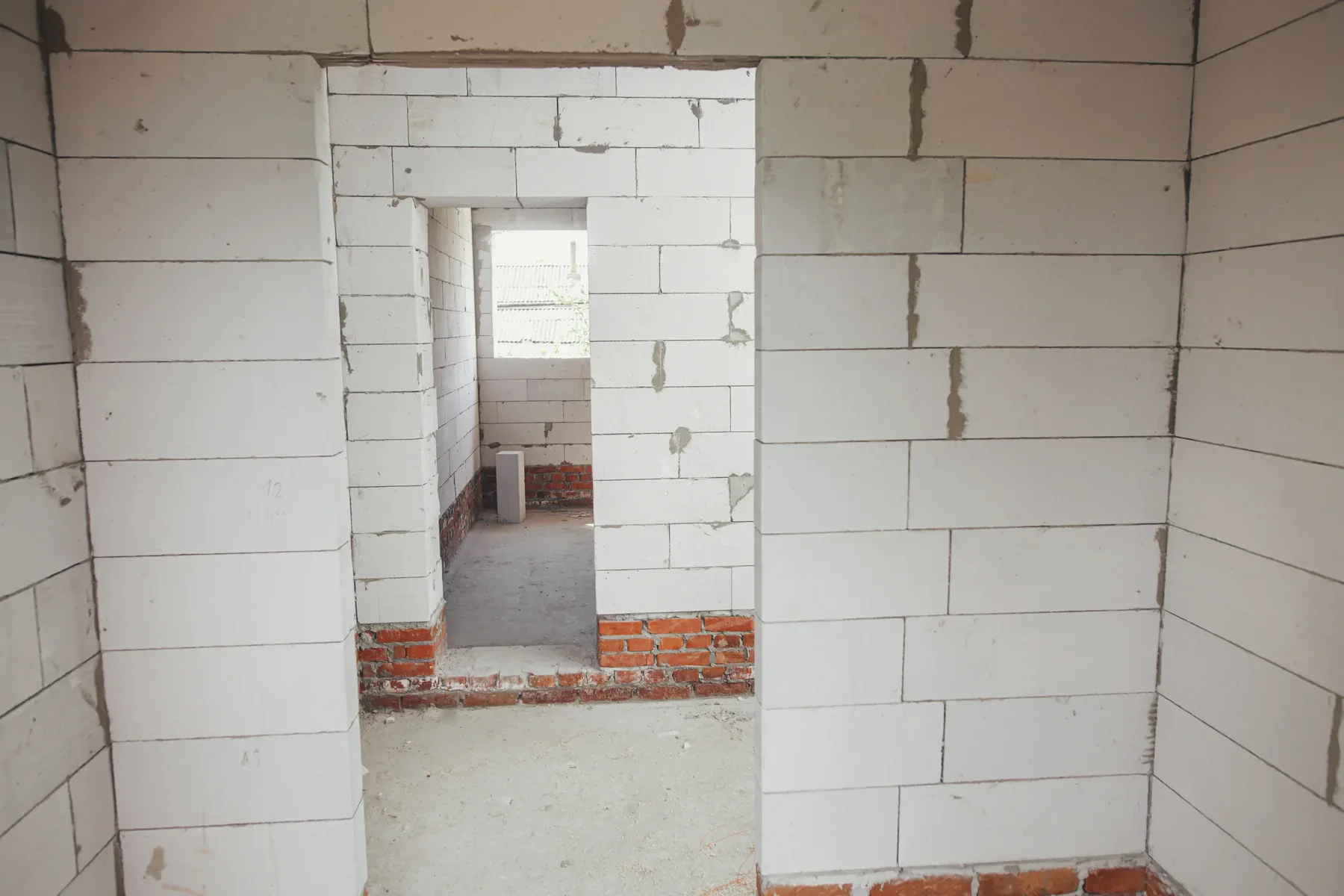
Let’s be honest, we don’t spend a lot of time thinking about our home’s foundation until it starts thinking about us. A sticky door, a new crack snaking across the wall, a floor that’s decided it no longer wants to be level—suddenly, that big slab of concrete or network of piers in the dark becomes the most important thing in our world. If you’re in the East Bay, staring at a cracked wall and typing “foundation repair near me” into your phone with a sense of dread, take a deep breath. We’ve been there, and we’re going to talk this through like friends. This isn’t just about slapping a band-aid on a problem; it’s about understanding the ground beneath our feet, literally and figuratively.
The Ground Truth: Why Our East Bay Soil is a Sneaky Challenge
Our beautiful slice of California, from the hills of Oakland and Berkeley to the valleys of Walnut Creek and Concord, comes with a not-so-beautiful secret: tricky soil. We’re talking about expansive clay that swells like a sponge in the winter and shrinks in the summer, and areas with loose fill that just loves to settle over time. This constant movement is the number one culprit behind most foundation issues we see. It’s why soil stabilization services aren’t just a fancy add-on; they’re often the core of a long-term solution. You can have the best-built house in Clayton, but if the soil underneath is throwing a tantrum, the house is going to move. It’s simple physics, and physics doesn’t care about your home equity.
Decoding the Drama: What Your House is Trying to Tell You
Your house will give you signals long before a major problem strikes. Ignoring them is like ignoring a check engine light because the car still starts. Here’s what to watch for:
- Doors and windows that suddenly stick or won’t latch.
- Cracks in drywall, especially around door frames or running diagonally from corners.
- Gaps between baseboards and the floor or the ceiling.
- Floors that feel sloped or bouncy.
- Chimneys or porch steps that seem to be pulling away from the house.
Spotting one of these doesn’t automatically mean you need a full foundation repair, but it does mean you need a professional opinion. Foundation inspections are the equivalent of a doctor’s physical for your home. A good inspector will tell you what’s happening, why it’s happening, and how urgent it is. At Golden Bay Foundation Builders, we treat every inspection like a detective story—we look for the clues, figure out the motive (usually that pesky soil), and then lay out the plot for fixing it. No scare tactics, just straight talk.
The Toolbox: Common Fixes for a Solid Home
So, what happens when the inspection confirms there’s an issue? This is where the world of foundation solutions opens up. The right fix depends entirely on your home’s construction and the specific problem. Let’s break down a few common ones.
For Homes That Are Sinking or Settling:
This often calls for foundation underpinning services. Think of underpinning as giving your foundation a deeper, stronger set of legs. We install sturdy piers (steel or concrete) down to stable soil or bedrock, then gently lift and transfer your home’s weight onto them. It stops the settlement and can often correct it.
For Older Charmers with Creaky Floors:
Many of our beloved older homes in Berkeley and Oakland sit on a post and pier foundation. Over decades, the wood posts can rot, the piers can settle, and the whole system needs some love. Crawl space repair often involves replacing damaged posts, adding new concrete footings, and installing modern braces to bring everything back to level and solid. It’s meticulous work, but it preserves the character of the home while making it sound for another century.
When the Walls Themselves Need Help:
For homes with perimeter concrete walls, issues like bowing or cracking require concrete stem wall repair. This can involve adding carbon fiber straps for reinforcement or even rebuilding sections of the wall. And let’s not forget seismic safety. A seismic retrofit, like the popular Earthquake Brace and Bolt program specifications, involves bolting the house to its foundation and adding plywood shear walls. It’s one of the smartest investments you can make for peace of mind in our region.
The Price of Peace of Mind: Understanding Foundation Repair Cost
Alright, let’s talk about the elephant in the room: cost. We get it. The price of foundation work can feel like a punch to the gut. But here’s our take, from years in the trenches: viewing it as a “repair cost” is the wrong mindset. You’re investing in the long-term stability, safety, and value of your single biggest asset. A small fix now is always, always cheaper than a catastrophic failure later.
What determines the number? A ton of factors:
- The Scope: Are we stabilizing one corner or the entire perimeter?
- The Method: Underpinning is a different beast than crawl space repair.
- Access: Is the crawl space a tight squeeze? Is the backyard accessible for equipment?
- Engineering: Some solutions require detailed plans from a structural engineer.
The only way to get a clear, trustworthy number is to get a detailed assessment from a reputable foundation contractor. They should provide a scope of work that explains exactly what they’re doing and why. At Golden Bay Foundation Builders, we believe in transparent, upfront quotes. No one likes surprises, especially financial ones.
A Quick Guide to Foundation Types & Common Issues
To help visualize what we’re dealing with, here’s a handy table breaking down common foundation types in our area and their typical quirks.
| Foundation Type | Common in Areas Like… | How It Works | Typical Issues & Fixes |
|---|---|---|---|
| Slab-on-Grade | Concord, Walnut Creek suburbs | A single, thick layer of concrete poured directly on the soil. | Cracking from soil movement. Fixes can include underpinning or slab jacking. |
| Raised (Crawl Space) | Older homes in Oakland, Berkeley | Wood floor system supported by posts & piers, creating a short crawl space. | Wood rot, pest damage, settling piers. Requires crawl space repair and post replacement. |
| Post and Pier | Very old homes, hillside properties | Similar to crawl space but with taller piers, often no perimeter wall. | Significant settling, instability. Needs pier reinforcement or replacement. |
| Floating Foundation | Hillsides, areas with deep frost lines | A reinforced slab that “floats” on the soil, designed to move somewhat uniformly. | Can still experience differential settlement. May need specialized soil stabilization services. |
Finding the Right Partner: More Than Just a Contractor
Choosing a company to work on your foundation is a big deal. You’re not just hiring someone to pour concrete; you’re inviting them to become the temporary guardian of your home’s structural integrity. IMO, you want a team that communicates like humans, shows up on time, and treats your property with respect. You want a local expert who knows the soil in Walnut Creek is different from the soil in Berkeley.
This is the heart of how we operate at Golden Bay Foundation Builders. We’re your neighbors. We live with the same geology, the same seismic risks, and we build solutions meant to last generations. We don’t just want to fix your foundation; we want you to understand the problem and the solution, so you can feel confident and secure in your home again. If the signs are adding up, give us a call. Let’s have a real conversation about what’s going on and how we can help make it right.
Your Foundation Questions, Answered
1. Will foundation repair fix the existing cracks in my walls?
Often, yes—partially. When we lift and stabilize a foundation, we close the gaps that caused the cracks. The drywall or plaster cracks themselves will need to be repaired by a finish carpenter or painter, but the underlying movement is stopped. Think of it as setting a broken bone so it can heal correctly.
2. How long does a typical foundation repair project take?
It varies wildly. A straightforward crawl space repair with a few post replacements might take 2-3 days. A full perimeter underpinning job on a larger home could take 1-2 weeks. The key is that the actual structural work is usually relatively quick; the timeline depends on complexity, access, and weather.
3. Is a permit required for this kind of work?
Almost always, yes. Any structural modification to your home typically requires a permit from your city’s building department. A reputable contractor will handle this process for you. It’s a good thing—it means an independent inspector will verify the work meets current building codes for safety. If a contractor suggests skipping permits, that’s a major red flag. Run.
So, there you have it. Foundation issues can feel overwhelming, but they’re solvable puzzles. The first step is simply paying attention, and the second is calling in a pro you trust to help you make a plan. Your home is worth it.
Related Articles
People Also Ask
Frost damage can be concerning, but many plants possess a remarkable ability to recover. The key is to assess the damage patiently. Do not prune or remove damaged foliage immediately after a frost, as this material can actually protect the inner stems from further cold snaps. Wait until new growth begins in the spring, which clearly shows you which parts are truly dead. At that point, you can prune back to healthy, living tissue. Ensure the plant receives adequate water as the season warms, but hold off on fertilizing until it is actively growing again. For future protection, consider using frost cloths, selecting more cold-hardy varieties, and ensuring plants are well-watered before a predicted freeze, as moist soil retains heat better.
Yes, concrete can settle after frost heave, but it is not a guaranteed or uniform process. Frost heave occurs when water in the soil beneath a slab freezes and expands, lifting the concrete unevenly. When the ground thaws, the water drains away, potentially leaving voids or loosened soil. This can lead to settlement where the slab sinks into these voids, often creating new low spots or cracks. The final position is rarely level. Proper construction with adequate subgrade preparation, drainage, and frost-protected footings is crucial to minimize both heave and subsequent settlement. Repair typically involves mudjacking or polyurethane foam injection to lift and stabilize the settled sections.
Frost heave coverage under a standard homeowners insurance policy is typically limited. This ground movement caused by freezing and thawing is generally considered a maintenance issue, similar to settling or earth movement, and is often excluded. However, there are important nuances. If the frost heave directly causes a sudden and accidental covered peril—like a pipe bursting due to the shifting—the resulting water damage would likely be covered, but not the cost to repair the foundation itself. For specific guidance on this complex topic, we recommend reviewing our detailed internal article, Is Frost Heave Covered By Insurance?. To fully understand your protection, always consult your policy documents and speak directly with your insurance agent, as endorsements for earth movement may be available in some regions.
Rebar does not directly prevent frost heave, which is the upward movement of ground caused by freezing water in the soil. Its primary role is to provide tensile strength to concrete, resisting cracking from bending or thermal stresses. However, in structures vulnerable to frost heave, such as slabs-on-grade or foundations in cold climates, properly designed reinforced concrete is crucial. The rebar helps control and distribute the stresses caused by uneven lifting from heave, minimizing random cracking and maintaining structural integrity. Best practice involves combining reinforcement with proper site preparation—like using frost-protected shallow foundations, adequate drainage, and non-frost-susceptible fill—to address the root cause of heave.