
Restore and stabilize your home's foundation with expert solutions for long-lasting safety and structural integrity.

Get detailed foundation inspections and assessments to identify and resolve structural issues before they escalate.

Replace aging or damaged foundations with professional solutions for a safe and secure home.

Reinforce multi-story buildings with soft-story retrofitting to prevent collapse and improve earthquake resilience.

Protect your home from moisture and damage with professional crawl space repair and encapsulation services.

Replace damaged or compromised structural elements with precision and quality craftsmanship.
Enhance your home's safety with advanced seismic retrofitting to withstand earthquakes and ensure peace of mind.

Strengthen and beautify your property with durable retaining wall construction and expert repair services.

Enhance living with versatile ADUs and home additions—transforming spaces, enriching lifestyles, and optimizing functionality

Repair and stabilize pier and beam foundations to ensure a strong, safe, and level home.

Strengthen and stabilize weak foundations with precision underpinning services tailored to your home’s needs.
Repair and restore cracked or damaged slab foundations to protect your home’s structural integrity.
Addressing a sloped floor requires a professional assessment to determine the underlying cause, which is often foundation settlement. The first step is to hire a structural engineer or a reputable foundation repair specialist to diagnose the issue. Common solutions include installing steel push piers or helical piers to stabilize and lift the foundation back to a level position. For less severe cases, slabjacking (mudjacking) might be appropriate. It is crucial to address drainage problems around the home's perimeter to prevent future movement. For a detailed guide on less invasive methods, refer to our internal resource, Repairing Settled Foundations Without Major Disruption. Always obtain multiple quotes and ensure the contractor provides a lifetime transferable warranty.
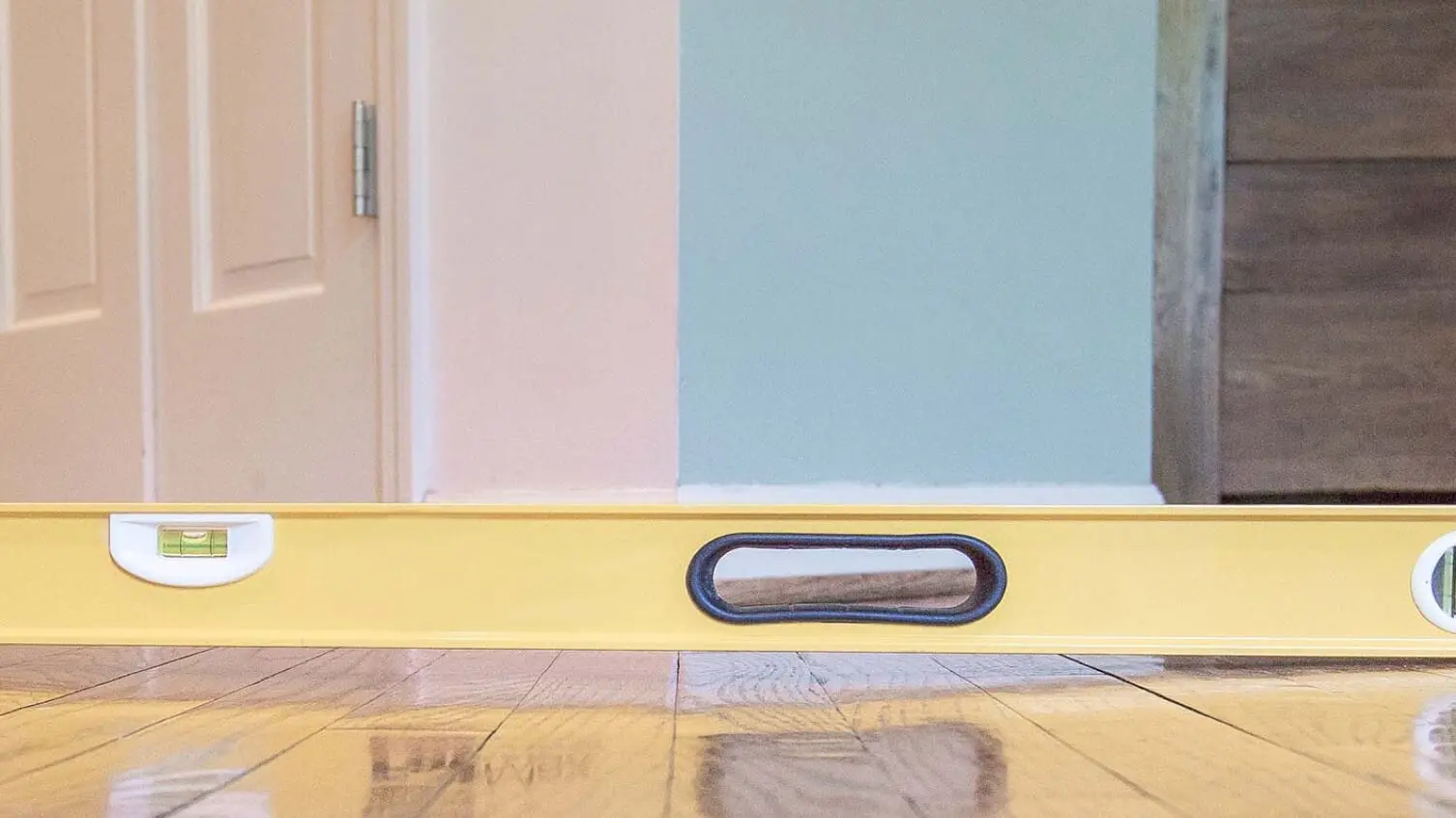
A sloping floor refers to a floor surface that is not level, exhibiting a noticeable incline or decline across its span. In construction, a slight slope is sometimes intentionally designed in areas like bathrooms or balconies for drainage. However, an unintentional or excessive slope in a main living area is often a serious structural concern. It can indicate foundation settlement, deteriorating support beams, or compromised floor joists. For homeowners, identifying a sloping floor is crucial, as it may signal underlying issues requiring professional assessment. Industry standards emphasize addressing the root cause, such as foundation repair or structural reinforcement, to ensure the building's long-term stability and safety, preventing further damage and preserving property value.
A sloping floor is often caused by foundation settlement or movement. Over time, soil conditions like expansive clay that shrinks and swells with moisture, poor compaction during original construction, or plumbing leaks that erode or saturate soil can lead to uneven support. This causes sections of the foundation to sink, creating a noticeable slope in the floors above. Other potential causes include deteriorating support piers in crawl spaces, rotting floor joists, or significant structural overload. While some slope in very old homes can be normal, a new or worsening slope is a serious concern. For a detailed look at this common warning sign, please refer to our internal article Is Your Home’s Uneven Flooring A Sign Of Foundation Trouble?.
Yes, you can sell a house with sloping floors, but it requires full disclosure and will likely impact the sale price and buyer interest. Sloping floors are a significant red flag for potential buyers and home inspectors, as they often indicate underlying foundation issues, such as settlement, soil movement, or compromised support structures. To proceed ethically and legally, sellers must disclose any known problems. It is highly advisable to get a professional foundation inspection first; this provides a clear understanding of the problem and potential repair costs. Addressing the issue before listing can make the home more marketable. For a deeper understanding of what uneven floors might mean, see our internal article Is Your Home’s Uneven Flooring A Sign Of Foundation Trouble?. Buyers may request a price reduction or repairs, so being prepared with information is crucial for negotiations.
A sloping floor refers to a floor surface that is not level, exhibiting a noticeable incline or decline across its span. This condition is often a structural concern in buildings. Common causes include foundation settlement, where soil shifts or compresses unevenly, or deterioration of support structures like joists and beams. While sometimes an intentional architectural feature in older homes, an unexpected or worsening slope is a serious sign. It can indicate significant foundation problems, potentially leading to cracks in walls, sticking doors, and further structural damage. Professional assessment by a structural engineer or foundation specialist is strongly recommended to diagnose the cause and determine the necessary repairs to ensure the building's safety and integrity.
Acceptable floor slope is typically defined by building codes and industry standards, which generally allow for a slight gradient for drainage in specific areas but require near-level surfaces in most living spaces. For interior floors, a common tolerance is a slope of no more than 1/4 inch per 10 feet (approximately 0.2%) within any room, as per many international residential codes. This ensures proper installation of flooring materials and prevents noticeable unevenness. In areas like garages, showers, or balconies, slopes up to 1/4 inch per foot may be specified to direct water toward drains. Exceeding these limits can lead to structural concerns, flooring failures, and safety issues, so professional assessment is crucial for any significant deviation.
Sloping floors, while sometimes a design choice, are often a structural concern. The primary pro is intentional sloping for drainage in areas like bathrooms, laundry rooms, or outdoor decks, which is a critical functional feature. As a design element, it can create dynamic, modern interiors. However, the significant cons usually outweigh this. Unintentional sloping typically indicates foundation settlement, rotting support beams, or compromised floor joists. This is a serious structural issue that can lead to further damage, including cracked walls and difficulty operating doors and windows. It negatively impacts property value and safety. Any unexplained slope requires immediate professional inspection to diagnose the cause and necessary repairs, which can be extensive and costly.


99 reviews