
Restore and stabilize your home's foundation with expert solutions for long-lasting safety and structural integrity.

Get detailed foundation inspections and assessments to identify and resolve structural issues before they escalate.

Replace aging or damaged foundations with professional solutions for a safe and secure home.

Reinforce multi-story buildings with soft-story retrofitting to prevent collapse and improve earthquake resilience.

Protect your home from moisture and damage with professional crawl space repair and encapsulation services.

Replace damaged or compromised structural elements with precision and quality craftsmanship.
Enhance your home's safety with advanced seismic retrofitting to withstand earthquakes and ensure peace of mind.

Strengthen and beautify your property with durable retaining wall construction and expert repair services.

Enhance living with versatile ADUs and home additions—transforming spaces, enriching lifestyles, and optimizing functionality

Repair and stabilize pier and beam foundations to ensure a strong, safe, and level home.

Strengthen and stabilize weak foundations with precision underpinning services tailored to your home’s needs.
Repair and restore cracked or damaged slab foundations to protect your home’s structural integrity.
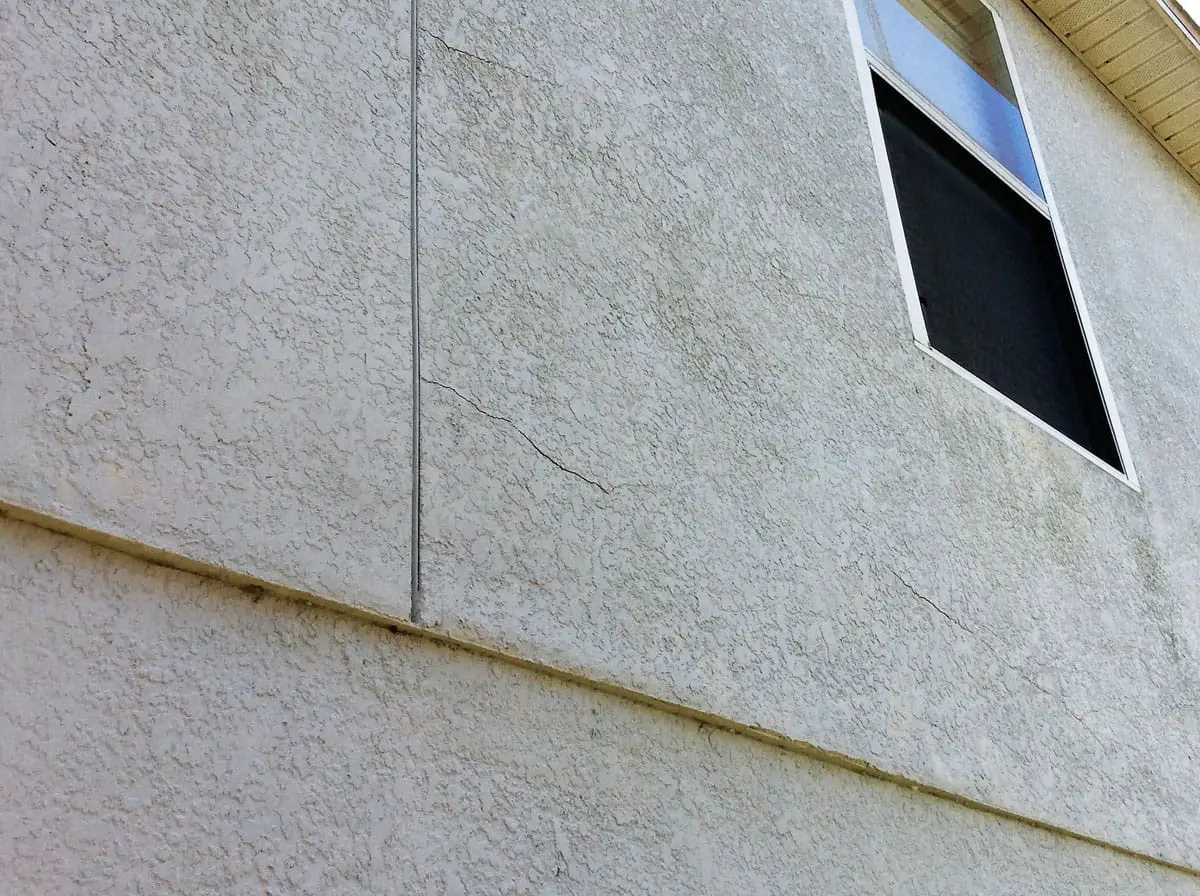
Cracks in exterior walls can be a normal sign of settling, but certain types indicate serious structural issues. You should be concerned about cracks that are wider than 1/4 inch, those that are stair-stepped in brick or block, or cracks that run diagonally across walls, especially near doors and windows. Horizontal cracks in foundation walls are particularly serious. Other red flags include cracks that are growing wider over time, those accompanied by interior cracks or sticking doors, and cracks that allow water infiltration. While minor hairline cracks are often cosmetic, significant or progressive cracking can signal foundation movement, soil pressure, or water damage requiring a professional structural assessment.
Cracks in exterior walls can arise from various factors, often related to foundation movement, material stress, or environmental conditions. Common causes include settling of the foundation over time, which is normal but can become problematic if uneven. Thermal expansion and contraction due to temperature fluctuations cause materials like brick or stucco to crack. Moisture intrusion from poor drainage or leaks leads to material degradation and pressure changes. Soil movement from shrinkage during droughts or expansion when wet also stresses walls. Additionally, structural overload or poor construction practices can be culprits. While hairline cracks are often cosmetic, widening or stair-step patterns may indicate serious foundation issues requiring professional assessment to ensure safety and prevent further damage.
Determining if a crack is structural requires careful observation of its characteristics. Structural cracks are typically wider than 1/4 inch, run diagonally, horizontally, or in stair-step patterns through bricks or masonry, and may extend through the entire wall thickness. They often appear suddenly and may be accompanied by other signs like sticking doors/windows, sloping floors, or visible gaps where walls meet ceilings. Cracks that are hairline, vertical, and limited to the surface plaster or paint are usually non-structural settlement cracks. However, any crack that is growing, allows daylight through, or is associated with significant movement should be evaluated immediately by a licensed structural engineer or qualified building professional. They can perform a thorough assessment to determine the cause and necessary repairs, as ignoring structural issues can lead to serious safety hazards and costly damage.
A structural wall crack typically appears as a diagonal, stair-step pattern in masonry or as a vertical, horizontal, or jagged fissure wider than 1/8 inch. These cracks often originate from corners of doors or windows and may run continuously across walls and ceilings, indicating foundation settlement, heaving, or excessive loading. Key warning signs include cracks that are widening over time, those accompanied by sticking doors/windows, or cracks with a noticeable offset where one side is higher than the other. While small, hairline cracks are often cosmetic, any crack that is progressive, large, or shows displacement should be evaluated immediately by a structural engineer to assess the integrity of the building's load-bearing system.
Cracks in exterior walls are a common concern and can indicate various underlying issues. The primary types include hairline cracks, often caused by minor shrinkage as new materials cure, which are typically cosmetic. More significant are structural cracks, which are wider, may be diagonal or stair-step in pattern, and can signal foundation settlement or heaving. Thermal expansion cracks occur due to temperature fluctuations causing materials to expand and contract. Settlement cracks appear as vertical or diagonal fissures from uneven ground movement. It is crucial to monitor crack progression; while small, stable cracks may only require sealing, widening or active cracks demand a professional structural assessment to determine the root cause and necessary repairs, ensuring long-term wall integrity and safety.
Vertical cracks in exterior walls are a common concern that can indicate various underlying issues. Typically, these cracks are categorized as either structural or non-structural. Hairline vertical cracks are often due to normal settling or shrinkage of materials like concrete or mortar and may only require sealing to prevent water ingress. However, wider cracks, especially those that are tapering or accompanied by other signs like sticking doors, can signal foundation movement, soil pressure, or significant structural stress. It is crucial to have a professional structural engineer or qualified contractor assess the crack's cause, as timely intervention can prevent further damage and costly repairs. Regular maintenance and proper drainage around the foundation are key preventive measures.


99 reviews