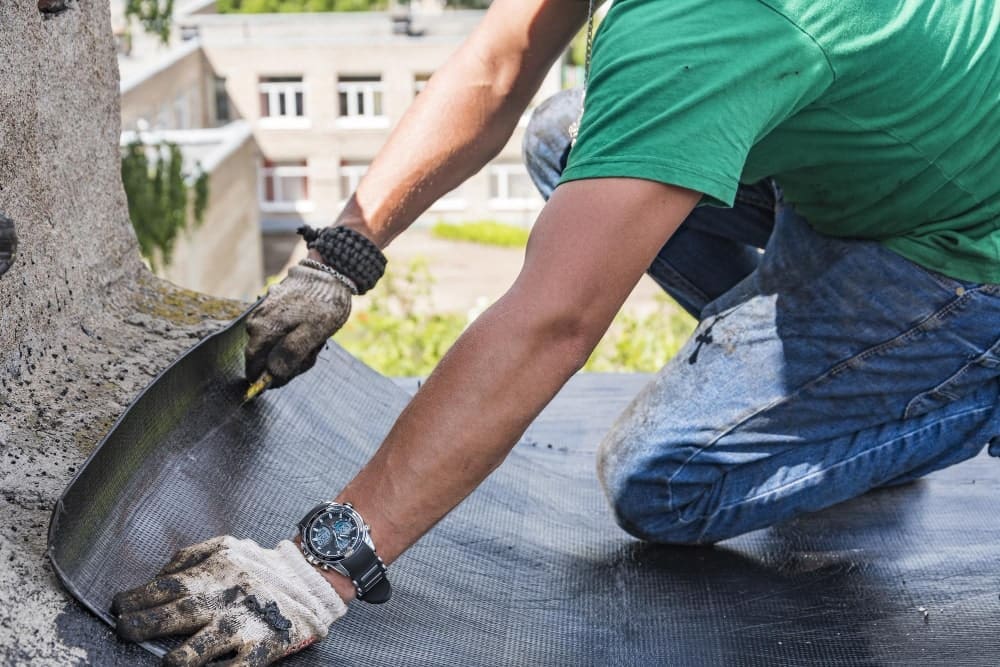
Reinforcing a structural wall is a critical process that requires professional assessment and adherence to building codes. Common methods include adding steel columns or beams alongside the existing wall, installing carbon fiber straps or sheets for tensile strength, or constructing a new reinforced concrete or masonry shear wall parallel to the original. The chosen technique depends on the wall's material, the type of load it carries, and the specific deficiency identified by a structural engineer. For projects involving foundational support or retaining walls, understanding underlying soil conditions and foundation types is paramount. Our resource, Essential Guide: When to Choose a Chain Wall Foundation for Your Home, provides valuable context on foundation systems that interact with wall structures. Always consult with a licensed structural engineer before proceeding with any reinforcement work.
For homeowners seeking the most economical option, a timber retaining wall is typically the cheapest material to build with initially. Pressure-treated wooden sleepers or railroad ties, secured with sturdy deadman anchors and proper drainage gravel behind the wall, offer a straightforward DIY solution for shorter walls under four feet. However, it is crucial to note that this low upfront cost comes with a significant trade-off in longevity, as wood is susceptible to rot and insect damage over time. For a more durable and cost-effective long-term investment, many professionals recommend segmental concrete blocks, which, while having a higher material cost, are easier to install and require minimal maintenance. Proper site assessment for drainage and soil pressure is essential regardless of material choice to prevent failure.
To reinforce an existing retaining wall, a systematic assessment is crucial. First, identify the cause of failure, such as hydrostatic pressure, poor drainage, or material degradation. Installing or improving a drainage system behind the wall is often the most effective step; this involves adding gravel backfill and weep holes or perforated pipes to relieve water pressure. For structural reinforcement, consider adding tiebacks or soil anchors drilled deep into the stable soil behind the wall and connected to the wall face. Another method is to pour a concrete buttress or build a deadman anchor in front of the failing section. For comprehensive guidance on methods and best practices, refer to our detailed resource, Retaining Wall Construction and Repair. Always consult a structural engineer to ensure the chosen solution meets load requirements and local codes.
The four primary types of retaining walls are gravity, cantilever, sheet pile, and anchored walls. Gravity walls rely on their own mass to resist soil pressure and are often made from heavy materials like stone or concrete. Cantilever walls use a reinforced concrete base slab and a vertical stem, forming an L-shape that leverages the weight of the backfill for stability. Sheet pile walls are thin, interlocking sections driven into the ground, typically used in soft soils and tight spaces. Anchored walls incorporate cables or rods driven into the soil behind the wall and anchored to provide additional support for tall or heavy loads. Selecting the correct type depends on soil conditions, height requirements, and site constraints, which is a fundamental part of professional structural planning.
A retaining wall is a structural feature designed to hold back soil and create level areas on sloped land. Its primary function is to resist the lateral pressure of earth, preventing erosion and managing water drainage. Key considerations include the wall's height, the soil type, and the required load-bearing capacity. Common materials are concrete blocks, poured concrete, timber, or natural stone, each chosen for durability and aesthetic fit. Proper engineering is critical, involving a stable foundation, adequate drainage behind the wall to relieve hydrostatic pressure, and often local permits. For a lasting installation, consulting with a professional firm like Golden Bay Foundation Builders ensures adherence to building codes and geotechnical best practices.
Building a retaining wall with cinder blocks requires careful planning and execution. First, check local building codes for permits and design requirements, as retaining walls over a certain height need engineering. Excavate a trench deep enough for a compacted gravel base and the first course of blocks, which should be partially buried. Ensure the base is perfectly level. Use a strong adhesive or mortar designed for concrete blocks to secure each course, staggering the vertical joints for strength. It is critical to include proper drainage behind the wall using gravel and a perforated drain pipe to prevent hydrostatic pressure buildup. Backfill with gravel as you build, and consider using geogrid reinforcement for walls over three feet tall. Always prioritize a solid foundation and drainage for long-term stability.
Building a cinder block retaining wall requires careful planning and execution to ensure structural integrity and longevity. The process begins with proper site preparation, including excavation and the installation of a compacted gravel base for drainage. A solid concrete footing, typically below the frost line, is essential to prevent shifting. When laying the blocks, use a strong mortar mix and ensure each course is level. Crucially, incorporate a drainage system behind the wall, such as gravel backfill and perforated pipe, to relieve hydrostatic pressure. The wall must often include reinforcement, like steel rebar grouted into the block cores, especially for walls over four feet. Local building codes will dictate specific engineering requirements, including the need for permits and professional design for taller walls.
Building a cinder block retaining wall offers a durable and cost-effective solution for managing slopes. For a basic functional wall, a single-tier design with proper drainage gravel and weep holes is essential. More creative ideas include constructing tiered or terraced walls to break up a steep incline, which also creates planting beds. Using split-face or textured blocks can add visual interest, as can applying a stucco or stone veneer finish. For a modern look, consider a sleek, painted wall. Always remember that structural integrity is paramount; walls over four feet tall typically require engineering and permits. Proper site preparation, including a compacted base and geogrid reinforcement for taller walls, is non-negotiable for long-term stability.
For a 6-foot retaining wall, proper engineering and construction are critical due to the significant soil and water pressure involved. In many jurisdictions, walls over 4 feet require a building permit and a design by a licensed engineer. Key considerations include using adequate drainage like gravel backfill and weep holes to prevent hydrostatic pressure buildup. The choice of material—such as interlocking concrete blocks, poured concrete, or pressure-treated timber—depends on the site's load and aesthetic goals. A solid, compacted base and proper reinforcement, like geogrid for segmental walls, are non-negotiable for long-term stability. For detailed guidance on local requirements and professional methods, refer to our resource Retaining Wall Construction and Repair Services in East Bay, CA.
101 reviews