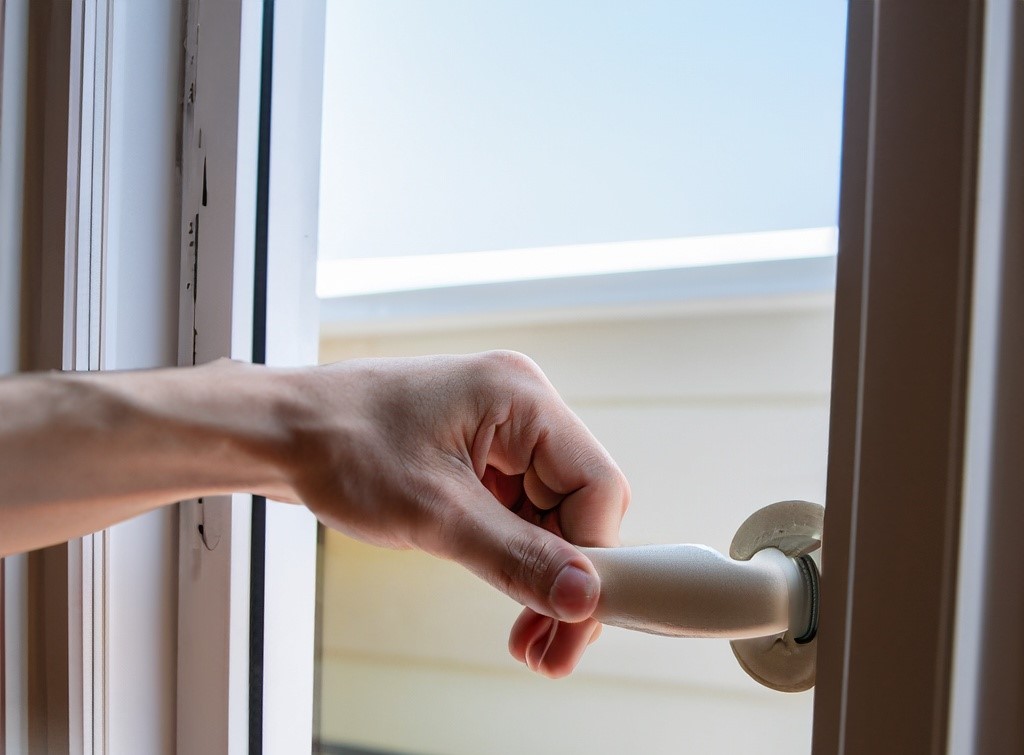
Sticking Window

Sticky windows? Yeah, they can totally cramp your style, making it a hassle to catch a breeze or soak in some sunlight. Whether you’re dealing with creaky old wooden windows or modern vinyl ones that just won’t slide right, taking on those sticking windows is like a rite of passage for home improvement. Golden Bay Foundation we’ve got your back in this guide, breaking down why windows get sticky and giving you some down-to-earth fixes to get those windows gliding like they’re on vacation. So, let’s jump in and make sure you’re back to enjoying easy-breezy window action again!

Foundation Construction Services

Sticking windows can arise from several factors that affect the window tracks, frames, and overall structure. Common causes include:

  1. Humidity and Moisture: Changes in humidity levels can cause wooden frames to swell, leading to friction and sticking.
  2. Debris Buildup: Dirt, dust, and debris in the window tracks can impede smooth sliding.
  3. Warped Frames: Over time, wooden frames can warp due to moisture exposure or temperature fluctuations.
  4. Lack of Lubrication: Insufficient lubrication of window tracks and hardware can lead to resistance when opening or closing.
  5. Poor Installation: Incorrect installation can result in misaligned tracks and frames, causing sticking

  • Cleaning and Lubricating:
  • Clean Tracks: Thoroughly clean the window tracks to remove debris and dirt that could be causing the sticking.
  • Apply Lubricant: Use a silicone-based lubricant to coat the tracks and window hardware. This reduces friction and enables smooth sliding.
  • Adjusting Window Alignment:
  • Inspect Alignment: Check if the window is properly aligned within the frame. Adjust if necessary.
  • Check Sash Balance: For double-hung windows, ensure the sash balance is working correctly to support smooth movement.
  • Repair Warped Frames: If the frame is slightly warped, consider sanding or planing it to regain proper alignment.
  • Replace Seals: Worn or damaged weather seals can contribute to sticking. Replace them to improve sliding.
  • Upgrade Rollers: For sliding windows, upgrading the rollers can significantly improve ease of use.
  • Consider Tilt-In Windows: Tilt-in windows are easier to clean and maintain, reducing the likelihood of sticking.

To prevent windows from sticking in the future:

  1. Regular Cleaning: Clean window tracks and frames regularly to prevent dirt buildup.
  2. Lubrication: Apply lubricant to window tracks and hardware annually to maintain smooth operation.
  3. Maintain Humidity Levels: Use a dehumidifier to control indoor humidity and minimize frame expansion.
  4. Professional Inspection: Have your windows inspected by professionals to address alignment issues promptly.

Don’t let sticking windows dampen your home experience. With a grasp of the underlying causes and the application of practical solutions, you can bid farewell to the hassle of stubborn windows. By ensuring that your windows slide seamlessly, you’ll relish the pleasure of welcoming fresh air and sunlight without the aggravation. From routine cleaning, well-timed lubrication, to minor repairs, proactive measures will guarantee your windows remain in optimal shape for the long haul. Embrace the convenience of smooth-operating windows and create a more comfortable living space.

Ready to Resolve Your Sticking Windows? Contact Us Today!

Have persistent sticking window issues or need professional guidance? Our team is here to help. Reach out to us now and experience the transformation of your windows from frustrating to effortless.

OUR SERVICES

Bay Area Foundation Contractor | Golden Bay Foundation Repair

Related Articles

People Also Ask

To fix sticking windows, first identify the cause, which is often accumulated paint, dirt, or a warped frame. For painted-shut windows, carefully score the seam between the sash and frame with a utility knife to break the paint seal. If dirt or debris is the issue, thoroughly clean the tracks and channels. For wooden windows, slight sticking due to humidity can often be resolved by lightly sanding the sticking edges. For persistent issues, applying a dry lubricant like silicone spray or powdered graphite to the tracks and moving parts is highly effective. Avoid petroleum-based lubricants as they attract more grime. If the window is warped or damaged, professional repair or replacement of the sash may be necessary. Regular cleaning and light lubrication are key to prevention.

A sticking window, more commonly known as a stuck window, refers to a window sash that is difficult or impossible to open or close due to friction, swelling, or mechanical failure. This is a common issue in both residential and commercial buildings, often caused by factors like paint buildup, humidity-induced wood expansion, or a faulty balance system in double-hung windows. Addressing it promptly is important for ventilation, safety egress, and energy efficiency. Professional remediation involves diagnosing the root cause, which may include planing or sanding the sash, lubricating tracks, replacing worn hardware, or re-adjusting the window balances. Regular maintenance, such as cleaning tracks and ensuring proper sealing, is key to preventing this problem.

Yes, WD-40 can be a temporary solution for sticky windows. Its lubricating properties can help loosen paint, grime, or corrosion that causes a window sash to stick in its frame. For best results, clean the track thoroughly first, then apply a small amount of WD-40 to the affected channels and moving parts. Operate the window several times to work it in. However, it's important to note that WD-40 is primarily a water-displacing solvent and light lubricant, not a long-term, dedicated lubricant. For a more permanent fix, many professionals recommend using a dry silicone spray or a powdered graphite lubricant after cleaning, as these won't attract dust and dirt over time, which can lead to future sticking.

To stop windows from sticking, first identify the cause, which is often moisture-related swelling or accumulated paint and debris. For wooden windows, sanding the sticking edges lightly with fine-grit sandpaper can remove excess material. Ensure the window and frame are clean and dry. Applying a lubricant like a dry silicone spray or paraffin wax to the tracks and edges can reduce friction significantly. For persistent issues, check the alignment of the window and its hardware; tightening screws or adjusting the strike plate may help. In cases of severe swelling, addressing the underlying moisture problem with improved ventilation or sealing is crucial for a long-term solution. Regular maintenance prevents recurrence.

For a window that is sticking from the inside, the issue is typically due to moisture-induced swelling of the wood frame or accumulated paint and debris in the tracks. First, identify the exact sticking point by opening and closing the window carefully. For painted-shut windows, use a utility knife to score along the seam between the sash and the frame to break the paint seal. For swollen wood, allow the frame to dry completely; a dehumidifier can help. Lightly sand the sticking edges of the sash. For ongoing operation, apply a dry lubricant like silicone spray or paraffin wax to the channels and moving parts. Avoid forcing the window, as this can damage the mechanism or frame. Regular maintenance, including cleaning tracks and ensuring proper drainage, prevents recurrence.

To fix a squeaky window, first identify the source of the noise, which is often due to friction between moving parts like the sash and frame or within the hardware. Clean the tracks thoroughly to remove dirt and debris that can cause grinding sounds. Apply a dry lubricant, such as silicone spray or powdered graphite, directly to the tracks, rollers, and hinges; avoid oil-based products as they can attract more grime. If the squeak persists, check for loose screws on the hardware and tighten them. For wooden windows, inspect for swelling or warping that may create excessive pressure—light sanding of the sash edges can sometimes alleviate this. Regular maintenance, including cleaning and lubrication every six months, helps prevent future issues and ensures smooth operation.

Google Yelp

Overall Rating

5.0
★★★★★

99 reviews