

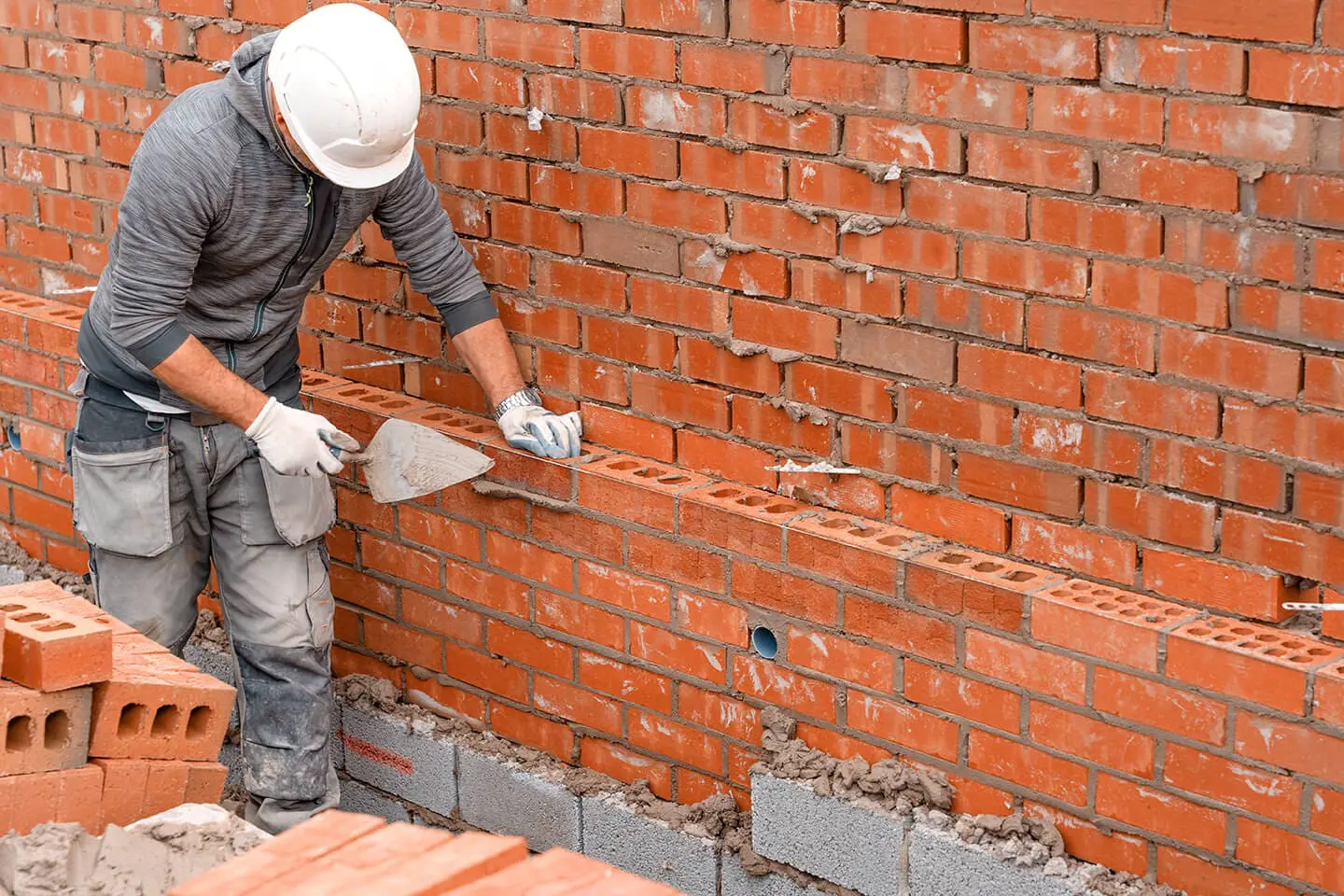
Ever notice how we obsess over paint colors and kitchen islands, but treat the foundation holding our homes up like a mysterious, forgotten basement dweller? We get it. Out of sight, out of mind—until a crack snakes up a wall or a door starts sticking like it’s mad at you. Let’s have a real talk about what’s happening under our feet here in the East Bay, because ignoring it is like hoping that weird engine noise in your car will just… fix itself.
The Ground Beneath Our Feet Isn’t Always Playing Nice
We build our lives here in Oakland, Berkeley, Walnut Creek, and the surrounding areas on some of the most beautiful—and geologically opinionated—land in the world. That gorgeous clay soil we have? It has a dramatic relationship with water. It swells when it’s wet and shrinks when it’s dry, giving your home’s foundation a gentle, persistent nudge season after season. Add our not-so-friendly neighborhood seismic activity to the mix, and you’ve got a recipe for some underlying drama.
So, how do we know when it’s just normal settling or a cry for help from below? Here are a few tell-tale signs that scream, “Hey, maybe look into this!”:
- Interior & Exterior Cracks: Hairline cracks in drywall are one thing. But cracked walls with stair-step patterns in brick or gaps wider than a quarter-inch are your home’s version of a distress signal.
- Doors and Windows: If they suddenly refuse to open or close without a Herculean shove, the frame is likely out of square. Your house isn’t haunted; it’s shifting.
- Floors That Aren’t Level: That rolling marble test isn’t just for kids. If everything slides to one side of the room, your foundation is waving a flag.
- Gaps: Look for spaces opening up between walls and ceilings, or between exterior walls and the ground.
Spotting one of these doesn’t mean you need to panic-sell your house. It just means it’s time for a professional opinion. Which, conveniently, leads us to our next point.
The First Call You Should Make: A Pro Inspection
Before you google “foundation repair near me” and fall down a rabbit hole of scary forums and vague price quotes, take a deep breath. The absolute first step is a comprehensive foundation inspection. This isn’t a casual glance from your uncle who’s “handy.” We’re talking about a thorough assessment by experts who know the difference between cosmetic and structural issues.
A proper inspection will identify the root cause of the problem. Is it soil moisture variation? Poor drainage? Seismic movement? The fix for each is different, and throwing the wrong solution at it is a fantastic way to light money on fire. At Golden Bay Foundation Builders, our inspections give you a clear, honest picture and a roadmap of options—no scare tactics, just facts. It’s the only way to understand the true scope and, yes, the potential cost before moving forward.
Decoding the Repair Menu: What Does Your House Actually Need?
Foundation repair isn’t one-size-fits-all. The right solution depends on your home’s construction, the problem’s cause, and your location. Let’s demystify some of the terms you’ll encounter.
For Homes That Are Sinking or Settling:
- Foundation Underpinning Services: This is the big one. It involves installing sturdy supports (like steel piers or helical piles) deep into stable soil or bedrock to permanently lift and stabilize a sinking foundation. Think of it as giving your home a new, deeper set of legs.
- Concrete Stem Wall Repair: If the concrete stem wall around your perimeter is crumbling or cracking, it needs targeted repair to restore its strength and integrity.
- Crawl Space Repair: Often goes hand-in-hand with the above. This can include replacing rotten beams, adding new supports, and installing vapor barriers to control moisture—the nemesis of crawl spaces.
For Earthquake Country Living:
- Seismic Retrofit: This is about tying your house to its foundation so it moves as one unit during a quake, rather than sliding off. Programs like Earthquake Brace and Bolt can even offer grants for this critical work.
- Cripple Wall Bracing: A specific and common part of a retrofit for older homes with short, stud-framed walls under the first floor.
For Specific Foundation Types:
- Post and Pier Foundation: Common in older homes. Repair often involves replacing rotten posts, installing new piers, and adding modern bracing for lateral strength.
- Floating Foundation (Slab-on-Grade): Repairs for these often involve slab jacking (pumping material underneath to lift it) or installing piers through the slab for severe issues.
To help visualize when you might need what, here’s a quick guide:
| The Symptom You See | The Likely Culprit | Common Repair Solutions |
|---|---|---|
| One side of the house is sinking | Unstable, expanding/contracting soil | Foundation Underpinning Services (Steel Piers) |
| Widespread cracking after a quake | Lack of seismic reinforcement | Seismic Retrofit, Earthquake Brace and Bolt participation |
| Musty smell, sagging floors above crawl space | Moisture damage, wood rot | Crawl Space Repair, vapor barriers, beam replacement |
| Isolated settlement under a porch or addition | Inadequate initial support | Concrete Stem Wall Repair, spot piers |
Let’s Talk About the Elephant in the Room: Cost & Price
Okay, let’s rip the band-aid off. How much does this cost? IMO, anyone who gives you a firm price over the phone without seeing your home is, let’s say, being wildly optimistic. The range is huge. A simple concrete stem wall repair in Clayton will differ from a full seismic retrofit on a hillside home in Berkeley.
The final number depends on:
- The Repair Method: Underpinning is more involved than slab jacking.
- Accessibility: Is your crawl space a tight squeeze? That affects labor time.
- Extent of Damage: A single corner settlement vs. the whole perimeter.
- Permits & Engineering: Required for most structural work, and rightly so.
The good news? A reputable foundation contractor will provide a detailed, line-item quote after an inspection. At Golden Bay Foundation Builders, we believe in total transparency here. We walk you through every part of the cost, because an informed homeowner is our best partner. FYI, viewing this as a long-term investment in your property’s safety and value is the right mindset. Skimping here is rarely a good plot twist.
Why Picking the Right Team in the East Bay Matters
You wouldn’t hire a pastry chef to perform heart surgery. Similarly, the nuances of soil in Concord versus Oakland matter. A great local contractor doesn’t just know repairs; they know the ground. They understand local building codes, the specific soil stabilization services that work best here, and how to navigate permit processes in your city.
We’ve built our reputation at Golden Bay Foundation Builders on being that local expert. We’re not a national franchise with a script; we’re your neighbors who have been solving these exact problems for years. We see the same soil conditions, the same architectural styles, and we’ve earned the trust of communities from Walnut Creek to the Peninsula. When you work with a local specialist, you’re getting contextual knowledge you simply can’t get anywhere else.
Your Burning Questions, Answered
1. Will foundation repair actually increase my home’s value?
Absolutely. It removes a huge red flag for buyers and inspectors. Documented, permitted repair by a reputable company like ours proves the home is structurally sound. It’s one of the few major repairs that directly protects and can enhance your investment.
2. How long does a typical foundation repair project take?
It varies, but most projects aren’t the multi-month nightmares people imagine. A standard underpinning job for a single-family home might take 3-7 days of actual construction work. The timeline can extend for engineering and permits beforehand, but the on-site work is typically efficient when planned correctly.
3. Can I just fix the cracks in my walls and call it a day?
You can… but it’s the home maintenance equivalent of putting a band-aid on a broken arm. Cosmetic repair without addressing the underlying movement means those cracks will almost certainly reappear. Fix the cause first, then patch the symptoms. It saves you money and frustration in the long run.
Don’t Let the Foundation Blues Get You Down
Look, noticing a problem is the first and most important step. It means you’re paying attention. Foundation issues rarely get better on their own, but with today’s engineering and the right team, they are completely solvable. The goal isn’t to scare you, but to empower you with the knowledge to take smart, confident action.
If any of this is sounding a little too familiar, why not get the clarity you deserve? Reach out to us at Golden Bay Foundation Builders for a no-obligation consultation. Let’s have a look, give you the straight story, and help you keep your home—and your peace of mind—on solid ground. After all, we’re all in this shaky, beautiful Bay Area together 🙂
People Also Ask
Purchasing a historic home carries unique financial and practical downsides. The most significant is the potential for high, ongoing maintenance and repair costs due to aging systems, outdated materials, and the need for specialized craftsmen. You may face strict local historic preservation regulations that limit exterior alterations, paint colors, or even window replacements, reducing your control over the property. Energy efficiency is often poor, leading to higher utility bills, and layouts can be impractical for modern living. There is also a risk of unforeseen issues like lead paint, asbestos, or structural problems. Financing and insurance can be more complex and expensive. While charming, owning a historic property requires a commitment to stewardship and a substantial budget for proper care.
The 3 3 3 rule in real estate is a guideline for evaluating potential investment properties. It suggests that a property should meet three key criteria: it should be priced at least 3% below market value, require no more than 3% of the purchase price in immediate repairs, and have the potential to generate a 3% monthly cash flow based on the rental income. This rule helps investors quickly filter out poor opportunities by focusing on undervalued assets with manageable renovation costs and strong income potential. It is a preliminary screening tool, not a substitute for a comprehensive financial analysis including vacancy rates, maintenance, and long-term appreciation.
Certain types of homes consistently prove more challenging to sell in the real estate market. Properties with significant structural issues, outdated major systems, or requiring extensive renovations are top of the list, as buyers are wary of high, immediate costs. Homes with poor layouts, awkward room proportions, or a lack of functional flow also struggle. Location remains a critical factor; properties near nuisances like high-voltage power lines, busy highways, or in declining neighborhoods are hard sells. Overly personalized or niche homes, such as those with extremely bold decor or unconventional architecture, appeal to a narrower audience. Finally, homes priced significantly above their comparable market value will languish, regardless of other features. Success often requires strategic pricing, professional staging, and targeted marketing to overcome these inherent obstacles.
The 70% rule is a fundamental guideline in real estate investing, particularly for house flippers. It advises that an investor should pay no more than 70% of a property's After Repair Value (ARV), minus the estimated repair costs. The formula is: Maximum Purchase Price = (ARV x 0.70) - Repair Costs. This rule is designed to create a buffer, or profit margin, to cover holding costs, financing, closing costs, and the investor's profit while mitigating market risk. It is a conservative benchmark, not a strict law, and its application depends heavily on accurate ARV and repair estimates. In hot markets, the percentage might adjust to 75% or 80%, but the core principle of preserving a sufficient margin for safety and profit remains critical.
Historic homes in the USA present a unique market dynamic. They can be harder to sell than modern properties due to factors like higher maintenance costs, potential renovation restrictions from preservation boards, and the need for specialized insurance. The buyer pool is inherently smaller, consisting of enthusiasts who value architectural character and history. However, in desirable locations or with proper marketing that highlights their charm and potential tax incentives, they can command premium prices and sell quickly. Success often hinges on pricing accurately from the start, securing all necessary historic documentation, and working with a real estate agent experienced in historic properties to connect with the right niche buyers.
The real estate market constantly fluctuates, so the balance between homes for sale and active buyers varies by location and economic climate. A market with more homes than buyers is considered a buyer's market. This typically occurs when inventory is high, demand is lower, or interest rates rise, giving buyers more negotiating power and potentially leading to lower prices or longer listing times. Conversely, a seller's market has more buyers than available inventory, driving up prices. Current conditions depend heavily on local job markets, mortgage rates, and seasonal trends. Consulting local real estate reports and a professional agent provides the most accurate, timely picture for any specific area.